 Instalab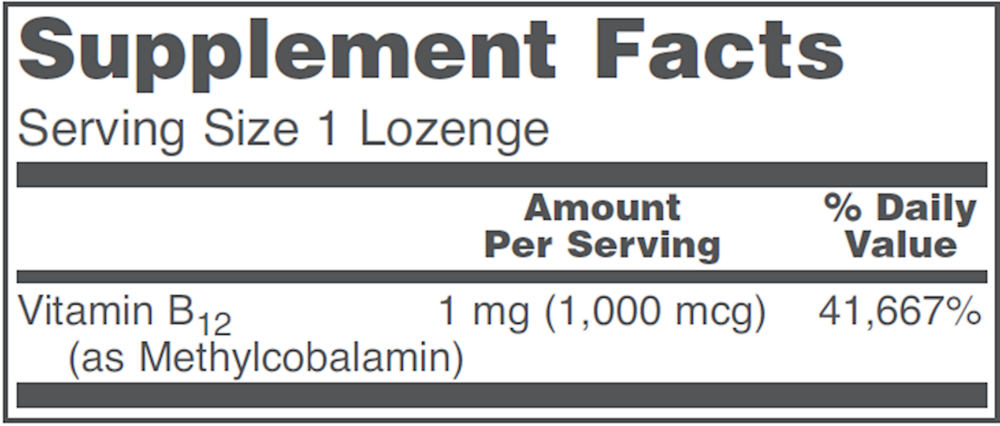
Protocol for Life Balance
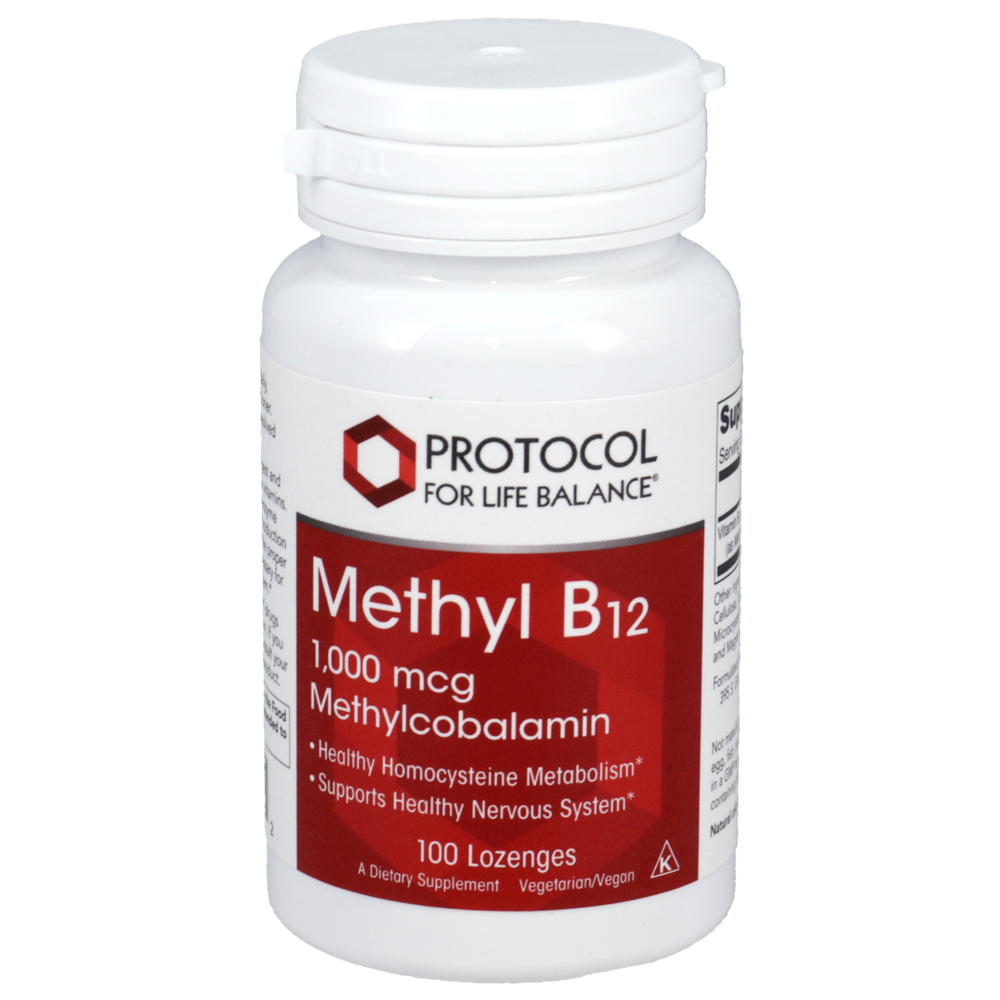
Methyl B-12 1000mcg by Protocol for Life Balance
100 lozenges · 100-day supply
Essential Vitamin B12 for Energy, Mood, and Nerve Health$14.99
Purchase options
Practitioner-grade brand3rd-party testedFree shipping $50+
Vegan·Vegetarian·Halal Certified·Kosher·Gluten Free·Soy Free·
Protocol for Life Balance Methyl B-12 1000mcg overview
If you’re searching for methylcobalamin 1000 mcg because your Vitamin B12 is low or borderline on labs, this lozenge fits. It’s a smart pick for vegans and vegetarians, adults over 50 with low stomach acid, long‑term metformin or acid‑suppressing medication users, and post‑bariatric surgery patients. Fatigue, numbness or tingling, or an elevated Homocysteine (an amino acid linked to blood vessel risk) or Methylmalonic Acid (a marker that rises when cells lack usable B12) are common clues. If you have established deficiency with symptoms or anemia on a CBC (complete blood count), clinicians often use higher doses or injections first, then step down.
Methylcobalamin is an active form of vitamin B12 that your cells can use immediately, unlike cyanocobalamin, which your body must convert. It powers two core reactions: it helps recycle Homocysteine back to methionine (supporting methylation, the on/off tagging of DNA and proteins) and it enables odd‑chain fats to enter energy pathways by preventing Methylmalonic Acid buildup. That combination supports red blood cell formation, nerve insulation, and steady energy metabolism. Sublingual delivery (dissolving in the mouth) can bypass some stomach‑dependent absorption steps.
Use one lozenge daily as directed, letting it dissolve before swallowing. Morning is practical if B12 feels stimulating for you, but timing isn’t critical. Take with or without food. Recheck Vitamin B12, Homocysteine, and, when available, Methylmalonic Acid within 4 to 12 weeks to confirm response. For those with very low levels or neurological symptoms, higher‑dose oral regimens or injections are commonly used under clinician supervision, then tapered to a maintenance dose like this.
If you have unexplained anemia or neurologic symptoms, test first rather than self‑treat for months and masking a diagnosis. Long‑term metformin, proton‑pump inhibitors, or H2 blockers often lower B12—supplement, but also address the driver. Rarely, high‑dose B12 can trigger acne‑like breakouts. Leber hereditary optic neuropathy is a special case—use B12 only with specialist guidance. B12 is generally safe in pregnancy, and vegans in pregnancy should not skip it.
How fast will you feel it? Energy and concentration often improve within 2 to 6 weeks if low B12 was the bottleneck; nerve symptoms can take months. Is sublingual better? It’s helpful when stomach absorption is unreliable, but total dose matters most. Methylcobalamin vs cyanocobalamin? Both raise B12; methylcobalamin avoids a conversion step and is preferred by many clinicians for long‑term use.
Frequently asked questions
How long does vitamin B12 1000 mcg take to work?
If your level was low, many notice better energy within 2–6 weeks. Lab changes in Vitamin B12, Homocysteine, and Methylmalonic Acid generally show within 4–12 weeks. Nerve symptoms improve more slowly and may take several months.
Is methylcobalamin better than cyanocobalamin?
Both correct deficiency. Methylcobalamin is the active form your cells use directly and is well tolerated; cyanocobalamin is stable and inexpensive but requires conversion. For long‑term use or neurological goals, many clinicians favor methylcobalamin.
Do I need to take B12 with food?
No. A lozenge that dissolves in the mouth can be taken with or without food. If you have sensitive digestion, taking it after a small meal is fine. Consistency matters more than timing.
Which labs should I check with B12?
Check Vitamin B12 to document status, plus Homocysteine and Methylmalonic Acid for functional deficiency. A CBC (complete blood count) helps assess anemia. Re‑test after 4–12 weeks to confirm response.
Can I take B12 with metformin or acid reducers?
Yes, and you often should. Metformin and acid‑suppressing drugs lower B12 absorption over time. Supplementing helps maintain levels, but still discuss periodic lab monitoring with your clinician.
Does B12 cause side effects or insomnia?
B12 is very safe. A small minority report restlessness if taken late; use it in the morning if sensitive. Rarely, high doses trigger acne‑like breakouts. There’s no blood‑thinning effect.
Is sublingual B12 as effective as injections?
For many adults, high‑dose oral or sublingual B12 reliably corrects deficiency. In severe deficiency with neurologic symptoms, malabsorption, or pernicious anemia, clinicians often start with injections, then transition to oral.
How to take it & ingredients
Suggested use: Take one lozenge daily, or as directed by your healthcare practitioner. Chew or hold in mouth until dissolved, then swallow.
Active ingredients
1 lozenge per serving · 100 servings
Vitamin B12
Methylcobalamin
Methylcobalamin
1000 mcg
Other ingredients: Fructose, Sorbitol, Cellulose, Stearic acid (vegetable source), Citric acid, Natural flavors, Magnesium stearate (vegetable source)
Certifications
Benefits
Warnings