 Instalab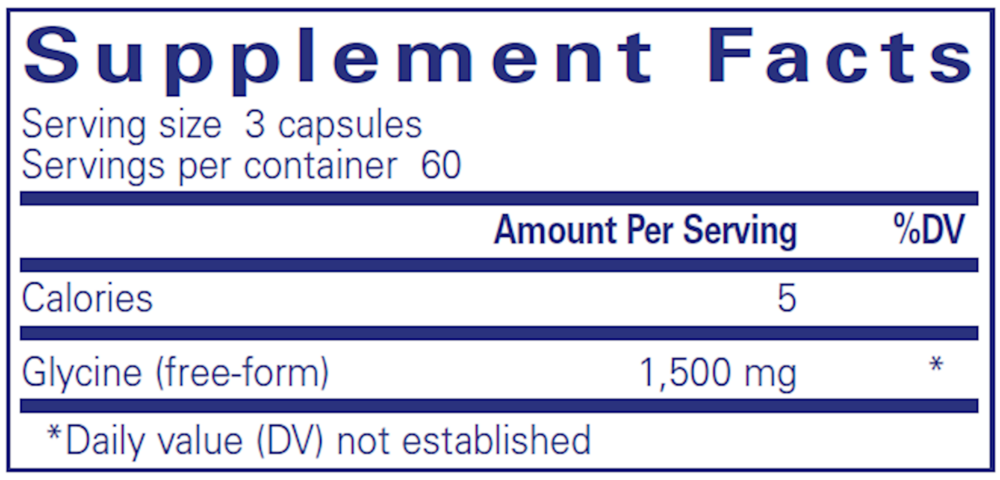

Pure Encapsulations
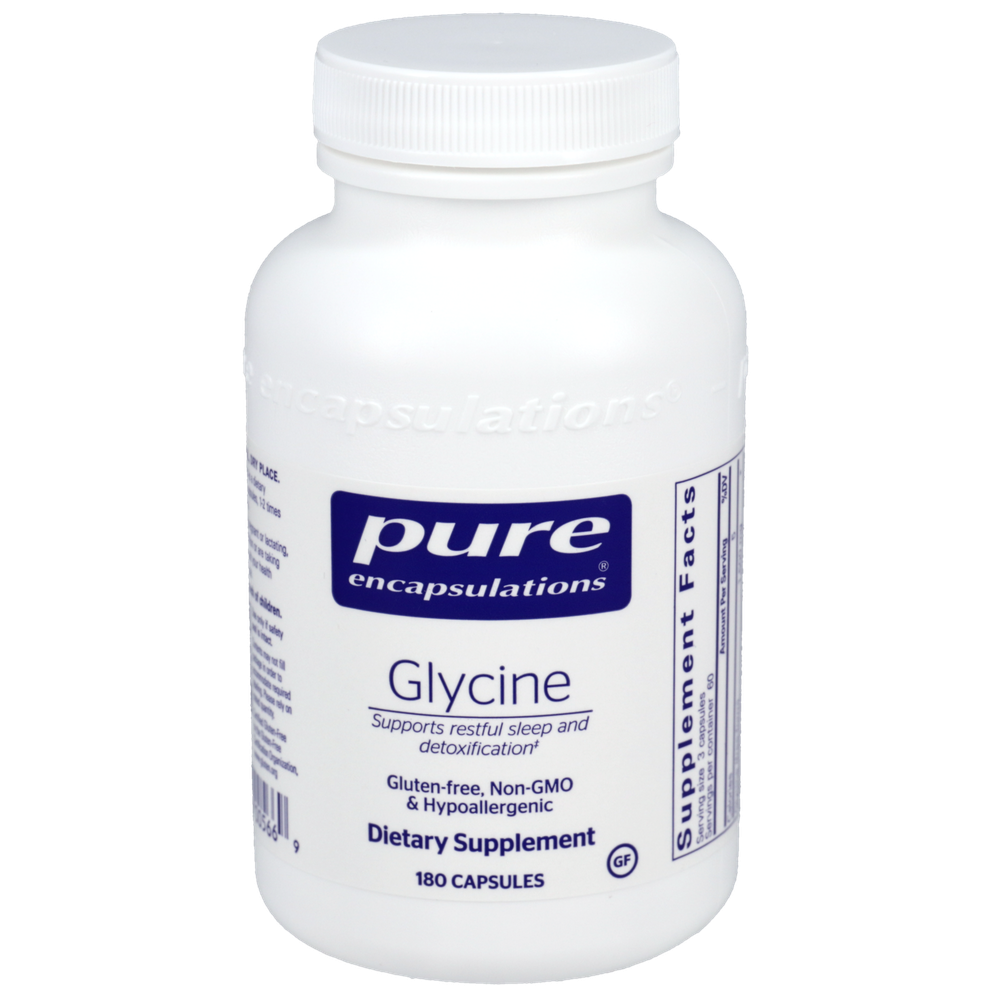
Glycine 1500 mg by Pure Encapsulations
180 capsules · 60-day supply
Support for Relaxation, Sleep Quality, and Muscle Recovery$35.00
Purchase options
Practitioner-grade brand3rd-party testedFree shipping $50+
Gluten Free·Egg Free·Peanut Free·Wheat Free·Artificial Preservative Free·Artificial Sweetener Free·
Pure Encapsulations Glycine overview
If you sleep hot, wake unrefreshed, or get restless in the second half of the night, glycine is a practical first test. A bedtime dose has been shown to improve subjective sleep quality and next‑day alertness within days. It also fits people managing stress or tracking fasting glucose or HbA1c (long-term blood sugar) who want a non-sedating aid. If your homocysteine (a methylation byproduct tied to B-vitamin status) runs high, glycine pairs well with folate and B12.
Glycine acts as an inhibitory neurotransmitter (a calming signal) and a co-agonist at NMDA receptors (a brain receptor involved in learning and sleep regulation), which smooths nighttime arousal. It also nudges core body temperature down slightly, helping you fall asleep faster. Beyond sleep, glycine is a building block for glutathione (the cell’s main antioxidant), creatine (an energy buffer for muscle and brain), and collagen, and it supports liver conjugation (tagging compounds for safe clearance).
For sleep, 3 grams about 30–60 minutes before bed is the studied dose; most people feel a difference within 1–7 nights. For daytime calm, split smaller amounts between meals as the label suggests, then move most of the total to bedtime if sleep is your goal. If you’re also targeting metabolic markers like fasting glucose, expect any change over 8–12 weeks. Start lower if you’re sensitive, then titrate.
Glycine is well tolerated, with occasional nausea or loose stools at higher doses. Use caution if you have chronic kidney disease or are on dialysis; discuss protein and amino acid loads with your clinician. If you take clozapine or use ketamine, talk with your prescriber because glycine influences the same NMDA pathway. Pregnancy and breastfeeding: safety data are limited, so avoid unless your clinician recommends it.
Frequently asked questions
Does glycine really help you sleep?
Yes. Human trials using 3 grams at bedtime improved subjective sleep quality and next-day fatigue without morning grogginess. It works by calming brain signaling and slightly lowering core body temperature, which makes falling and staying asleep easier.
What’s the best glycine dosage for sleep?
3 grams taken 30–60 minutes before bed is the most studied. If you’re new to glycine, start lower and increase over a few nights. For daytime calm, split smaller doses between meals, then shift most of the total to bedtime if sleep is your main goal.
How long does glycine take to work?
For sleep, many notice benefits within 1–7 nights. For metabolic goals like improving fasting glucose or HbA1c, any effect is gradual and typically assessed over 8–12 weeks alongside diet and activity changes.
Can I take glycine with magnesium or melatonin?
Yes. Glycine pairs well with magnesium glycinate and low-dose melatonin at bedtime. Start one change at a time so you can gauge what’s doing what, and avoid high melatonin doses if you need to wake early without grogginess.
Does glycine lower blood sugar?
Glycine can modestly improve glucose handling in some contexts, but it’s not a diabetes treatment. Track changes with fasting glucose or HbA1c, and make diet, sleep, and activity your foundation. Consult your clinician if you use glucose-lowering drugs.
Is glycine safe to take every day?
For most healthy adults, daily use at typical doses is well tolerated. Common side effects are mild digestive upset if you take too much at once. If you have kidney disease, are pregnant, or take clozapine, get medical guidance first.
What time of day should I take glycine?
For sleep, take it 30–60 minutes before bedtime. For daytime calm or focus, smaller doses between meals work well. If you tend to have low blood sugar, consider a small snack with your dose to avoid lightheadedness.
How to take it & ingredients
Suggested use: Take three to six capsules daily, in divided doses, between meals.
Active ingredients
3 capsules per serving · 60 servings
Glycine
Free form
Free form
1500 mg
Other ingredients: Hypoallergenic plant fiber (cellulose), Ascorbyl palmitate, Vegetarian capsule (cellulose, water)
Certifications
Benefits
Warnings