 Instalab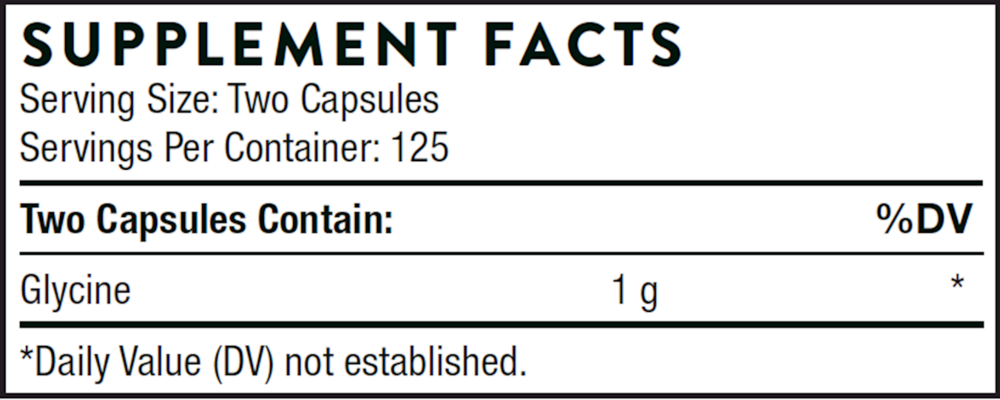


Thorne
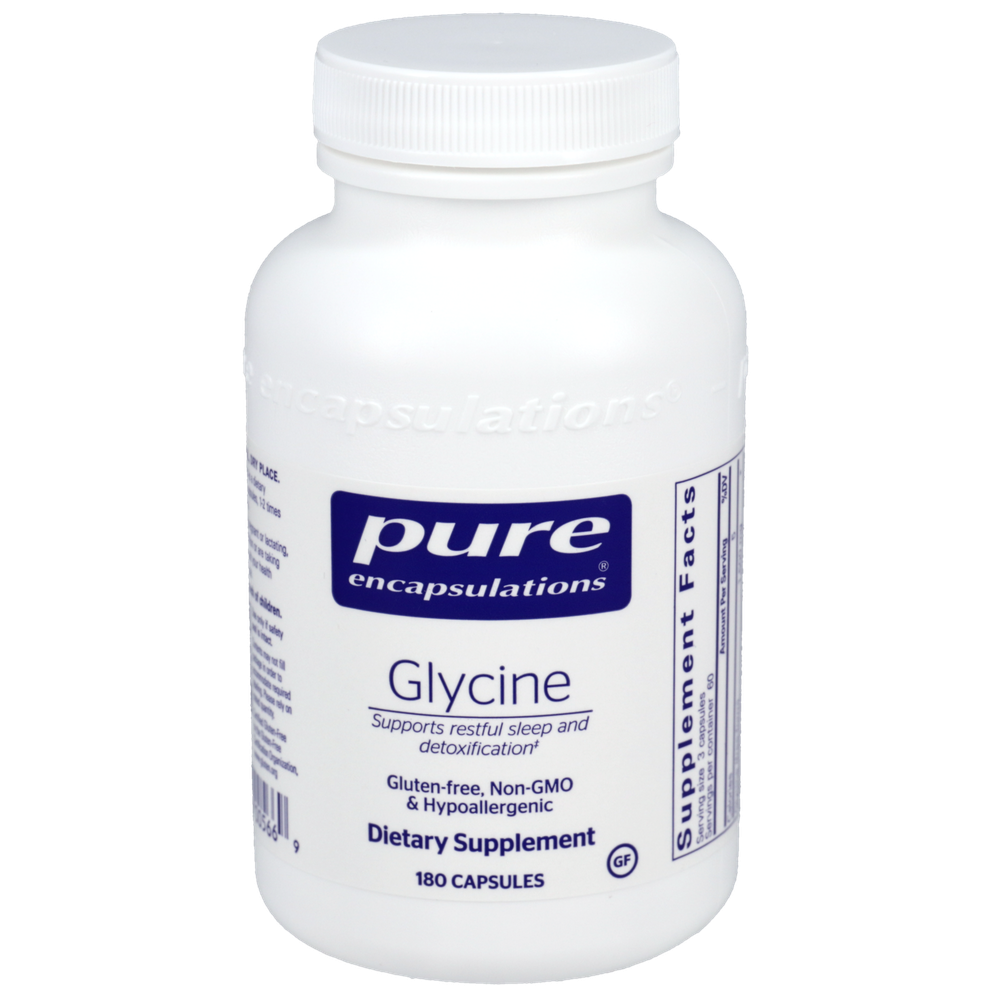
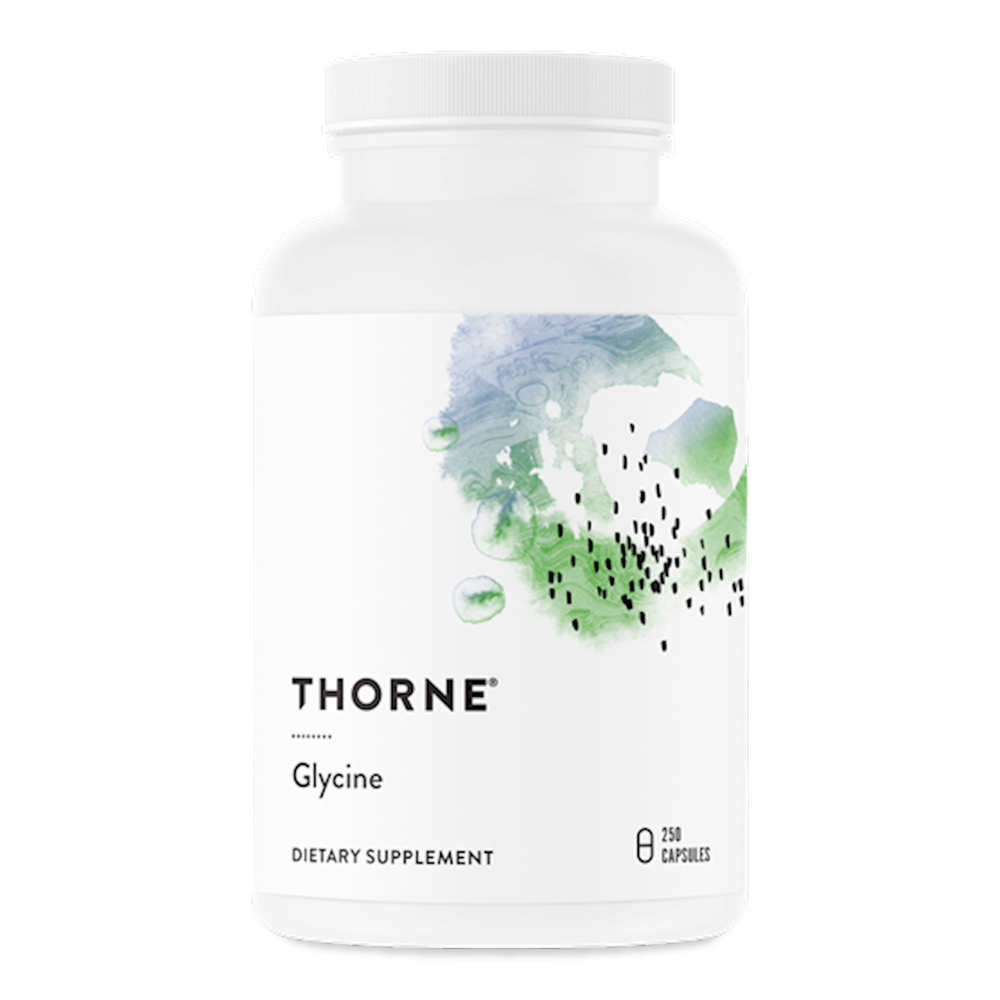
Glycine 1000 mg by Thorne
250 capsules · 125-day supply
Support for Sleep, Relaxation, and Muscle Recovery$31.00
Purchase options
Practitioner-grade brand3rd-party testedFree shipping $50+
Gluten Free·Soy Free·Dairy Free·Milk Free
Thorne Glycine overview
If “how to use glycine for sleep” is your question, this fits light sleepers who want a non-groggy way to fall asleep faster and feel more rested. It also suits high‑stress professionals who want a calmer evening wind‑down, shift workers resetting their schedule, and athletes seeking connective‑tissue recovery between sessions. Diets low in collagen‑rich foods can run short on glycine, so plant‑forward eaters often notice more from a glycine supplement.
Glycine calms the nervous system by acting as an inhibitory neurotransmitter (a signal that turns down neural firing), and it also helps cool core body temperature by opening up small blood vessels in the skin, both of which ease sleep onset. At the same time, it’s a required co‑factor at the NMDA receptor (a learning and memory switch), which explains why grogginess is uncommon. Glycine also supplies a building block for glutathione (your cells’ main antioxidant) and for collagen, the protein that makes up tendons, ligaments, and skin.
Thorne Glycine is flexible: the label allows two capsules one to three times daily. For sleep, most adults use about 3 grams 30–60 minutes before bed; for daytime calm, split smaller doses through the afternoon and evening. Take with or without food. Start low for a few days, then increase to effect to limit stomach upset. Connective‑tissue and recovery benefits build with daily use over 4–8 weeks.
If you use antipsychotic medication such as clozapine, talk to your prescriber before adding glycine, as high doses have been studied alongside these drugs. People with significant kidney or liver disease should use clinician guidance. If you treat diabetes, glycine can modestly affect post‑meal glucose; monitor your Fasting Glucose or HbA1c with any dose change. Pregnancy and breastfeeding: data are limited, so avoid unless your clinician recommends it.
Frequently asked questions
How much glycine should I take for sleep?
Most studies use about 3 grams taken 30–60 minutes before bed. The label lets you spread smaller doses during the day as well. Start lower if you’re sensitive, then increase to the lowest dose that reliably helps.
How fast does glycine work for sleep?
The calming and sleep‑onset effects are usually felt the first night, with more consistent sleep quality after several days. Collagen and recovery benefits take longer—typically 4–8 weeks of daily use.
Can I take glycine with magnesium or melatonin?
Yes, glycine pairs well with magnesium glycinate or low‑dose melatonin. If you stack multiple sleep aids, start with smaller amounts to avoid next‑day sleepiness, and add one change at a time.
Does glycine have side effects?
It’s generally well tolerated. The most common issues are mild stomach upset or loose stools at higher doses; taking it with a small snack and titrating up helps. Daytime drowsiness is uncommon at typical sleep doses.
Is glycine safe to take every night?
For healthy adults, nightly use is considered safe at common doses. If you have kidney or liver disease, or you’re pregnant or breastfeeding, use clinician guidance. Recheck how you feel every few months and adjust.
Does glycine lower blood sugar?
It can modestly blunt post‑meal glucose in some people. If you manage diabetes or take glucose‑lowering drugs, monitor your readings and discuss dose changes with your clinician. Track Fasting Glucose or HbA1c for trends.
What time of day should I take glycine for anxiety?
For daytime calm without sedation, use smaller divided doses in the late afternoon and evening, and reserve a larger dose for 30–60 minutes before bed if sleep is your main goal.
How to take it & ingredients
Suggested use: Take 2 capsules one to three times daily or as recommended by your health professional.
Active ingredients
2 capsules per serving · 125 servings
Glycine
1000 mg
Other ingredients: Hypromellose Capsule, Silicon Dioxide
Certifications
Benefits
Warnings