 Instalab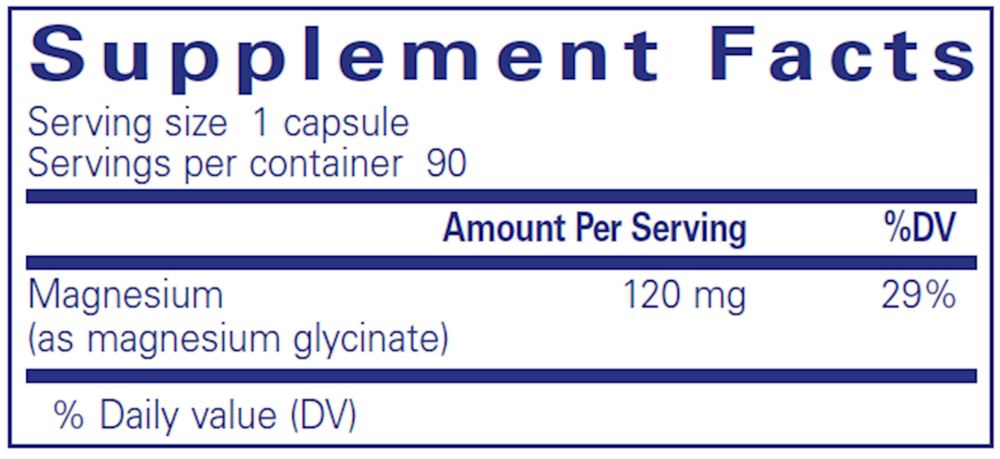


Pure Encapsulations
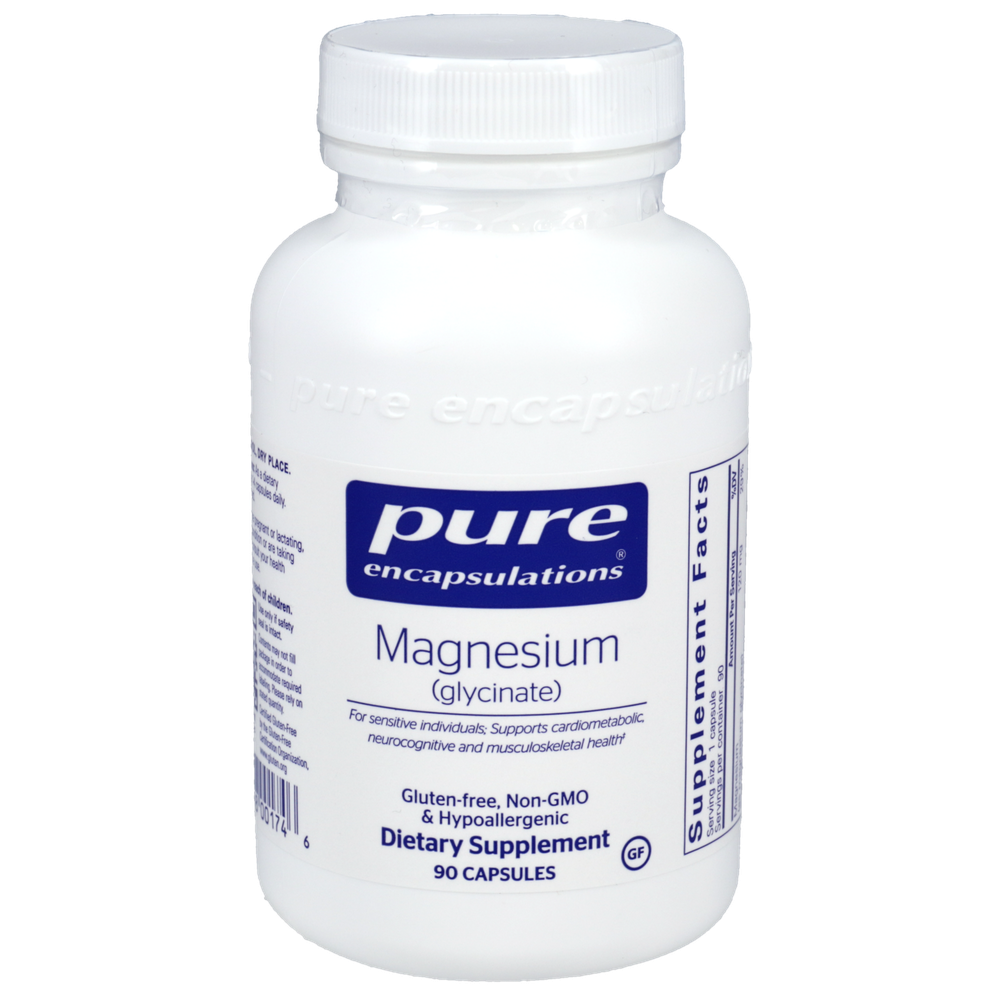
Magnesium Glycinate 120 mg by Pure Encapsulations
90 capsules · 90-day supply
Gentle Magnesium Support for Relaxation and Muscle Function$27.00retail
Add to cart for 19% off
Purchase option
19% below MSRP3rd-party tested for purity & potencyFree shipping $50+
Vegan·Vegetarian·Gluten Free
Pure Encapsulations Magnesium Glycinate overview
If you’re looking for better sleep quality, fewer muscle twitches, or steadier stress tolerance, magnesium glycinate is a practical first pick. It fits people whose Serum Magnesium is low or low‑normal, or whose Magnesium, RBC (an inside-the-cell view) runs on the lower side. Night-shift workers, endurance athletes who sweat heavily, and long-term users of proton pump inhibitors (heartburn drugs) or diuretics often run short. If constipation is your main issue, citrate or oxide forms work better; if your gut is sensitive, glycinate is gentler.
Magnesium glycinate binds magnesium to glycine, an amino acid that improves absorption and is calming in the brain. Once absorbed, magnesium stabilizes nerve and muscle cells by balancing calcium signals, which is why cramps and twitches often ease. It’s also a cofactor for ATP enzymes (the machinery that turns food into cellular energy) and helps regulate blood pressure through smooth muscle relaxation in blood vessels. Compared with oxide, magnesium glycinate is better absorbed and less likely to draw water into the bowel, so you get more into your bloodstream per milligram taken.
Pure Encapsulations provides 120 mg elemental magnesium per capsule; take 1–4 daily with food, splitting doses if you use more than one. Evening dosing suits people aiming for sleep or muscle relaxation. Start low for a week, then add a capsule every 3–4 days until you reach your target or mild loose stools appear, then back off. If you need higher repletion, powder or higher-strength capsules can be more practical; reassess Serum Magnesium or Magnesium, RBC after 4 to 8 weeks.
Take magnesium glycinate at least 2 hours away from levothyroxine, tetracycline or fluoroquinolone antibiotics, and bisphosphonates; it binds these in the gut and cuts absorption. Loop or thiazide diuretics increase magnesium loss, so needs may be higher. Long-term proton pump inhibitor use can lower magnesium; supplementation helps but discuss with your prescriber. Significant kidney disease reduces magnesium clearance, so avoid unsupervised use and get labs monitored.
How fast it works depends on what you’re treating. Muscle tightness and sleep often improve within 1 to 2 weeks, while lab markers normalize over 4 to 8 weeks. If you’re choosing between forms, glycinate is best for absorption and a calm gut; citrate is better for constipation. Minor nausea happens if taken on an empty stomach, so pair it with a meal.
Frequently asked questions
What is magnesium glycinate good for?
It’s a well-absorbed form for sleep quality, muscle relaxation, headaches in some patients, and maintaining normal blood pressure. It’s gentler on the gut than citrate or oxide, so you get more magnesium without the laxative effect.
When should I take magnesium glycinate for sleep?
Take it with your evening meal or about an hour before bed. Consistency matters more than exact timing. Most people notice steadier sleep within 1–2 weeks, especially when intake is low to begin with.
How much magnesium glycinate should I take daily?
The label suggests 1–4 capsules (120–480 mg elemental magnesium). Start with one, then titrate every few days based on sleep, muscle symptoms, and stool tolerance. Repletion often needs the higher end; maintenance is usually lower.
Does magnesium glycinate cause diarrhea?
It’s less likely than citrate or oxide, but high doses can still loosen stools. Reduce by one capsule, split doses, or take with meals. If you need a laxative effect, citrate is a better pick than glycinate.
Can I take magnesium glycinate with antidepressants or sleep meds?
Yes, generally, but it can add to sedation. Start low and see how you feel. Separate it by 2 hours from medications that need precise absorption, and check with your prescriber if you’re on multiple central nervous system drugs.
Does magnesium glycinate interact with thyroid medication?
Yes. Magnesium binds levothyroxine in the gut and lowers absorption. Take levothyroxine on an empty stomach in the morning, and take magnesium at least 2 hours apart (many prefer magnesium with lunch or dinner).
How long does magnesium glycinate take to raise magnesium levels?
Expect 4–8 weeks for Serum Magnesium or Magnesium, RBC to reflect steady supplementation. Symptoms like cramps or sleep can improve sooner, often within 1–2 weeks, if low intake was the driver.
Is magnesium glycinate safe in kidney disease?
Use only with clinician supervision. Impaired kidneys clear magnesium poorly, so levels can rise too high. If you have chronic kidney disease, get baseline labs and monitor regularly before supplementing.
How to take it & ingredients
Suggested use: As a dietary supplement, take 1-4 capsules daily. Consume with food.
Active ingredients
1 capsule per serving · 90 servings
Magnesium
Magnesium Glycinate
Magnesium Glycinate
120 mg
Other ingredients: Vegetarian capsule (cellulose, water), Ascorbyl palmitate
Certifications
Benefits
Warnings
Customers also considered
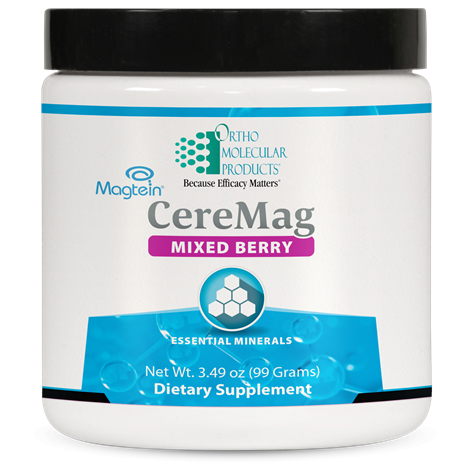
Ortho Molecular Products
CereMag
99 grams
$77.76
Add to cart for lower price

Garden of Life
Dr. Formulated Magnesium Raspberry
197.4 grams
$24.99
Add to cart for lower price

Natura Health Products
Dual-Mag Complex
90 capsules
$22.99
Add to cart for lower price

Ortho Molecular Products
Mag Threonate
60 capsules
$78.64
Add to cart for lower price