Instalab


Pure Encapsulations
NR Longevity™ by Pure Encapsulations
60 capsules · 30-day supply
Nicotinamide Riboside, Resveratrol and Sulforaphane for NAD+ Support$65.99
Purchase options
Practitioner-grade brand3rd-party testedFree shipping $50+
Gluten Free
Pure Encapsulations NR Longevity™ overview
NR Longevity is for adults interested in healthy aging who want to raise NAD+, a molecule every cell uses to turn food into energy and to run its repair enzymes, and whose levels decline with age. It tends to appeal to people in midlife and beyond who already have sleep, exercise and diet in reasonable order. If you want to measure the effect, NAD (NAD+) can be checked before starting and again after a couple of months. Set expectations honestly: nicotinamide riboside reliably raises NAD+, but whether that translates into feeling or aging better has not been shown in people.
The formula combines three ingredients. Nicotinamide riboside (NR), supplied as Niagen, is a form of vitamin B3 that cells convert to NAD+; human trials consistently show it raises blood NAD+ within weeks. Trans-resveratrol is a polyphenol found in grape skins, studied for its effects on sirtuins, enzymes that depend on NAD+. Broccoli sprout concentrate provides sulforaphane, which switches on the body's own antioxidant and detoxification enzymes. The pairing is logical on paper; trials of this combination are lacking.
Two capsules provide 300 mg of nicotinamide riboside chloride, 150 mg of trans-resveratrol and 200 mg of broccoli sprout concentrate standardized to contain 800 mcg of sulforaphane. The label directs 2 capsules, 1–2 times daily, with or between meals, or as directed by a health professional; the bottle holds 30 servings. Taking them with food is the gentler option if your stomach is sensitive. Unlike niacin, NR does not cause flushing.
Resveratrol has a mild effect on platelets, so if you take warfarin or other anticoagulant or antiplatelet medicines, check with your prescriber before starting, and tell your clinician you take it before any surgery. Resveratrol also has weak estrogen-like activity; people with hormone-sensitive conditions should ask their clinician first. NR is well tolerated, with nausea, bloating and headache the usual complaints. There are no safety data in pregnancy or nursing, so avoid it then.
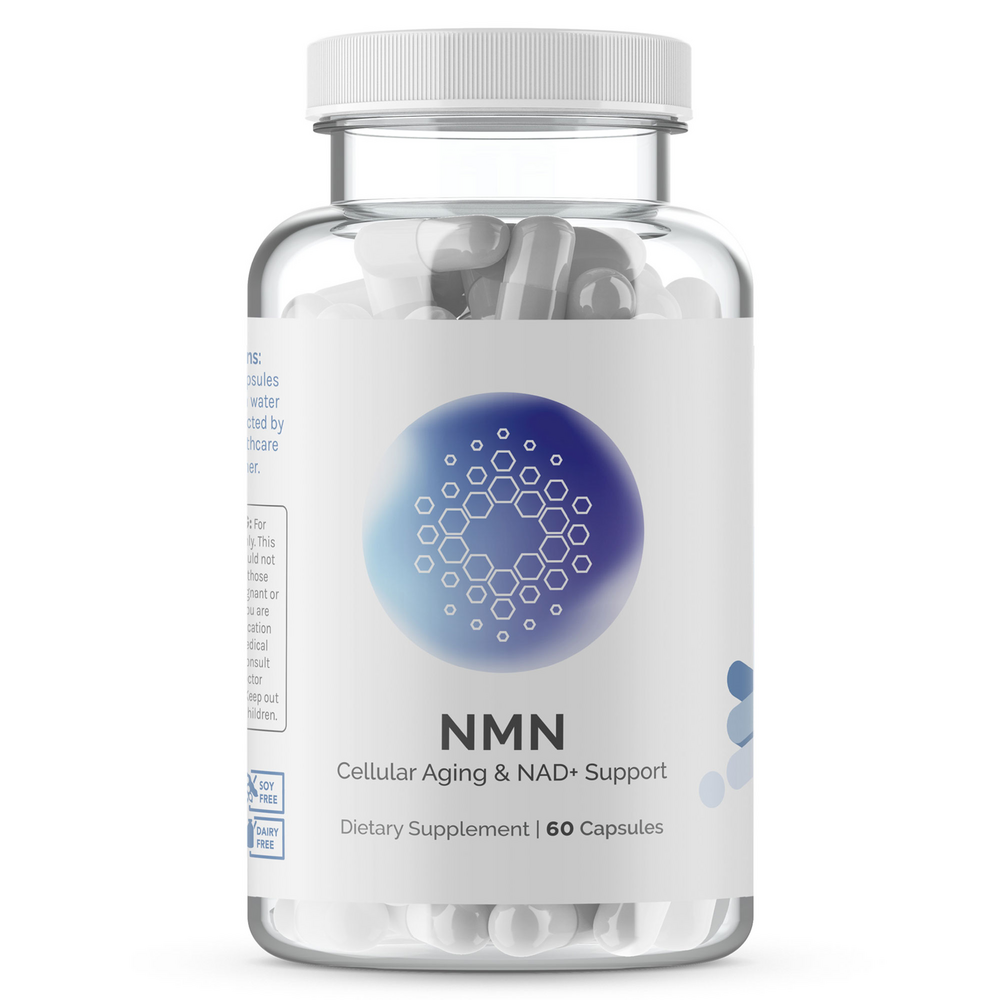
Blood NAD+ rises within two to four weeks of daily use and holds while you keep taking it. Most people notice nothing dramatic, and that is the honest expectation. The main alternatives are NMN, another NAD+ precursor, and plain NR without the added polyphenols; there is no good evidence that one precursor outperforms the other in people. Choose this formula if you want resveratrol and sulforaphane in the same capsule.
Frequently asked questions
What is nicotinamide riboside?
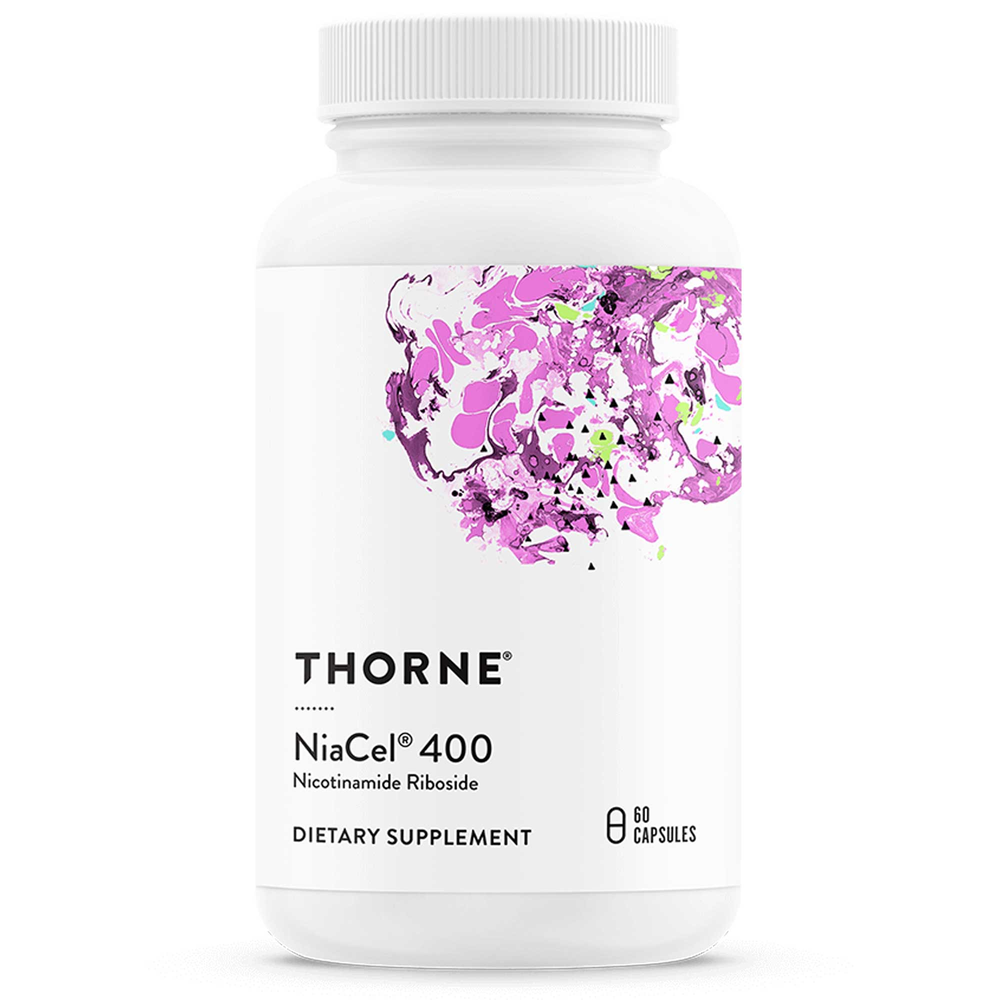
Nicotinamide riboside, or NR, is a form of vitamin B3 that the body converts to NAD+, a molecule cells need for energy production and repair. Two capsules of this product provide 300 mg of nicotinamide riboside chloride as Niagen.
What is in NR Longevity besides NR?
Two capsules also provide 150 mg of trans-resveratrol and 200 mg of broccoli sprout concentrate standardized to contain 800 mcg of sulforaphane. The capsule is vegetarian, and the other ingredients are plant fiber and an organic rice extract blend.
How do I take NR Longevity?
The label directs 2 capsules, 1–2 times daily, with or between meals, or as directed by a health professional. Taking them with a meal reduces the chance of stomach upset. Do not take more than the label or your clinician directs.
Does NR actually raise NAD+ levels?
Yes. Human trials consistently show that daily nicotinamide riboside raises NAD+ in the blood within a few weeks. What has not been shown is that this improves how people feel, function or age. You can check NAD (NAD+) before and after to see your own response.
Is NR better than NMN?
Both are NAD+ precursors, and both raise NAD+ in human studies. There is no good head-to-head evidence that either works better in people. Tolerance, price and what else is in the capsule are reasonable ways to choose between them.
Does NR cause flushing like niacin?
No. Flushing is caused by nicotinic acid, the form of vitamin B3 sold as niacin. Nicotinamide riboside does not cause a flush. Mild nausea, bloating or headache are the more usual complaints, and taking it with food helps.
Can I take NR Longevity with blood thinners?
Check first. The resveratrol in this formula has a mild effect on platelets and may add to warfarin and other anticoagulant or antiplatelet medicines. Ask your prescriber before combining them, and mention it before any surgery.
Who should not take NR Longevity?
Avoid it in pregnancy and nursing, where it has not been studied. People on anticoagulants, those with hormone-sensitive conditions, and anyone with a health condition or on prescription medicines should check with their clinician before starting.
How to take it & ingredients
Suggested use: As a dietary supplement, take 2 capsules, 1-2 times daily, with or between meals, or as directed by a health professional.
Active ingredients
2 capsules per serving · 30 servings
Nicotinamide Riboside
Nicotinamide riboside chloride (NR)
Nicotinamide riboside chloride (NR)
300 mg
Broccoli
Broccoli (Brassica oleracea italica) sprout concentrate (whole plant), standardized to contain 800 mcg sulforaphane
Broccoli (Brassica oleracea italica) sprout concentrate (whole plant), standardized to contain 800 mcg sulforaphane
200 mg
Resveratrol
Trans-resveratrol
Trans-resveratrol
150 mg
Other ingredients: Vegetarian capsule (cellulose, water), Hypoallergenic plant fiber (cellulose), Organic rice extract blend (organic rice bran extract, organic rice hulls, organic gum arabic, organic sunflower oil)
Certifications
Benefits
Warnings