 Instalab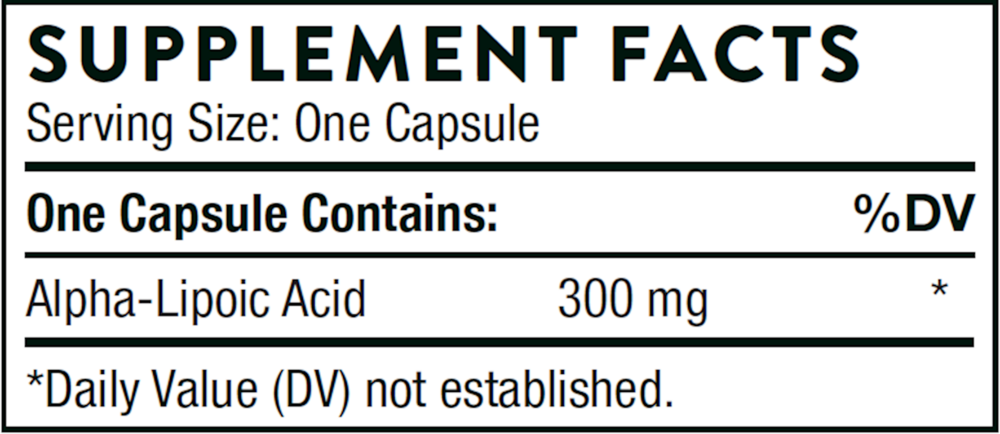


Thorne
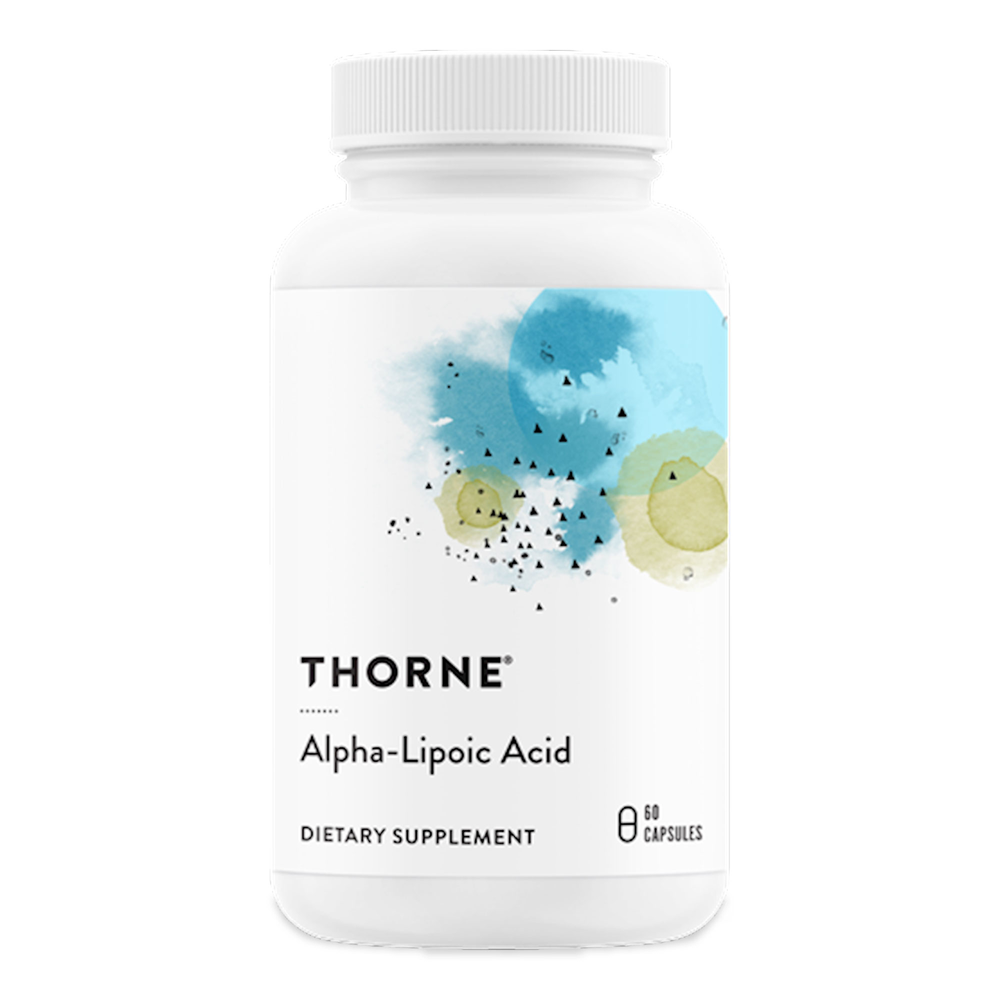
Alpha Lipoic Acid 300 mg by Thorne
60 capsules · 60-day supply
Alpha-Lipoic Acid, 300 mg per Capsule$41.00
Purchase options
Practitioner-grade brand3rd-party testedFree shipping $50+
Gluten Free·Soy Free·Dairy Free·Milk Free
Thorne Alpha Lipoic Acid overview
Each capsule contains 300 mg of alpha-lipoic acid. The bottle contains 60 capsules. Serving size is one capsule.
Thorne's suggested use is one 300 mg capsule two to three times daily, or as recommended by your health-care practitioner. It can be taken on an empty stomach or with a small meal. A common daily amount is 300 to 600 mg. Amounts above that should be guided by a clinician.
If you take prescription medications, are pregnant or breastfeeding, or are receiving cancer treatment, talk to your clinician before starting and review the warnings below.
Frequently asked questions
How much alpha-lipoic acid is in each capsule?
Each capsule contains 300 mg of alpha-lipoic acid. Serving size is one capsule, and the bottle contains 60 capsules.
How much alpha-lipoic acid should I take daily?
Thorne's suggested use is one 300 mg capsule two to three times daily, or as recommended by your health-care practitioner. A common daily amount is 300 to 600 mg in divided doses. Higher daily amounts should be supervised by a clinician.
Should I take alpha-lipoic acid with food or on an empty stomach?
It can be taken on an empty stomach or with a small meal. If you are also on thyroid medication, separate doses by at least 4 hours.
What are common side effects of alpha-lipoic acid?
Mild nausea, heartburn, or headache are the most common. Taking with a small meal usually settles stomach upset. If you take any prescription medications, review the warnings below or consult your clinician.
Do I need to take biotin with alpha-lipoic acid?
It is a reasonable precaution. Alpha-lipoic acid can compete with biotin transport, so a standard multivitamin or 30 to 100 mcg biotin daily is an easy hedge, especially at higher intakes.
How to take it & ingredients
Suggested use: Take 1 capsule two to three times daily or as recommended by your health professional.
Active ingredients
1 capsule per serving · 60 servings
Alpha-Lipoic Acid
300 mg
Other ingredients: Calcium Laurate, Hypromellose Capsule, Leucine, Magnesium (Citrate), Microcrystalline Cellulose, Silicon Dioxide
Certifications
Benefits
Warnings