 Instalab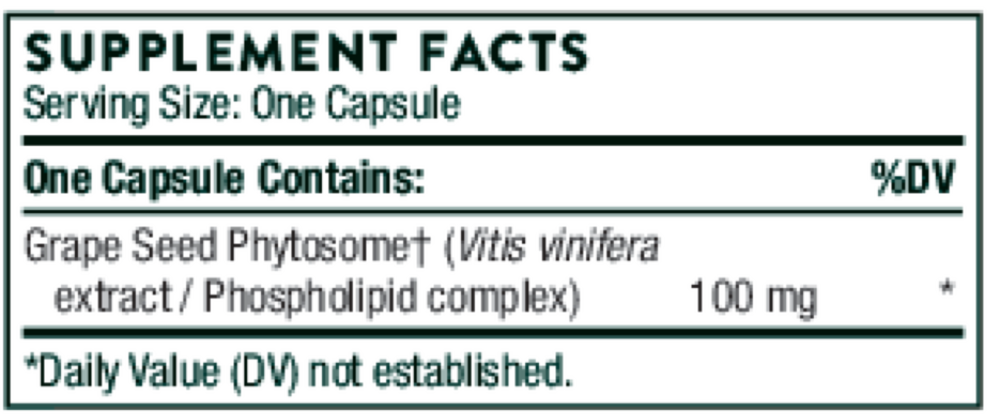


Thorne
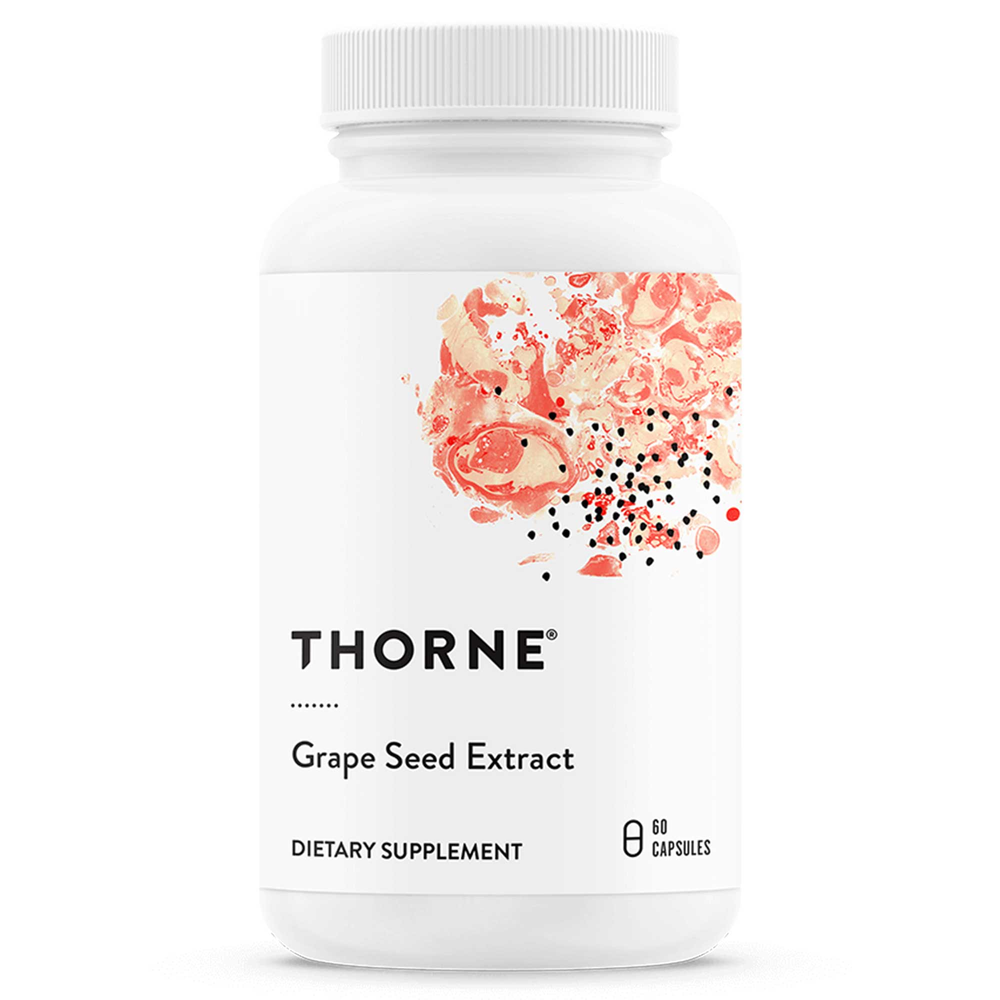
Grape Seed Extract 100 mg by Thorne
60 capsules · 60-day supply
Powerful Antioxidant Support for Heart and Vascular Health$54.00
This item is currently out of stockGet notified when this item is back in stock
Practitioner-grade brand3rd-party testedFree shipping $50+
Gluten Free·Dairy Free·Milk Free
Thorne Grape Seed Extract overview
If your blood pressure runs high-normal or elevated, grape seed extract is one of the few botanicals with data for small reductions within 4 to 8 weeks. It also fits adults with leg heaviness or easy bruising linked to fragile capillaries, and those watching inflammation markers like hs-CRP (a general inflammation signal) or LDL oxidation. If you already eat lots of deeply colored fruits, the increment is smaller; if your diet is light on polyphenols, the effect is more noticeable.
Grape seed extract concentrates oligomeric proanthocyanidins (the antioxidant compounds in grape seeds) that protect LDL from oxidation and improve endothelial function, meaning your arteries relax more easily. They increase nitric oxide (the signal that tells blood vessels to widen) and help reinforce collagen in capillaries, which is why bruising and leg swelling can improve. These polyphenols also produce modest drops in hs-CRP in some users, aligning with reduced oxidative stress rather than acting like a pain-reliever.
Thorne’s capsule is 100 mg. Most clinical trials use 150 to 300 mg daily, so one capsule two to three times per day matches that range. Take with a meal to limit stomach upset and improve uptake. Split dosing, morning and evening, keeps levels steadier. Expect blood pressure and leg comfort changes in 4 to 8 weeks and inflammation marker shifts like hs-CRP in 8 to 12 weeks. If nothing changes by three months, re-check your dose and labs or reconsider the fit.
Skip or clear this with your clinician if you use blood thinners such as warfarin, apixaban, rivaroxaban, or antiplatelets like aspirin or clopidogrel, because polyphenols can have mild blood-thinning effects. Combine cautiously with blood pressure medicines to avoid additive drops. Stop 1 to 2 weeks before surgery. Avoid if you have a grape allergy. Safety data in pregnancy or breastfeeding is limited, so use only with clinician guidance. Monitor home blood pressure and review hs-CRP or lipid labs to track response.
Frequently asked questions
What is grape seed extract good for?
The best evidence is for modest blood pressure reduction, improved circulation, and capillary integrity. It can also reduce oxidized LDL and slightly lower hs-CRP in responders. Think vessel health more than energy or sleep.
How long does grape seed extract take to work?
Blood pressure and leg comfort changes typically appear within 4 to 8 weeks. Inflammation markers like hs-CRP and lipid oxidation measures shift over 8 to 12 weeks. Give it three months before judging.
What dose of grape seed extract should I take?
Most studies use 150–300 mg daily. This product is 100 mg per capsule, taken two to three times per day with meals to match study ranges. Higher doses are not clearly better for most people.
Does grape seed extract thin your blood?
It has mild antiplatelet effects, which can matter if you take warfarin, apixaban, rivaroxaban, aspirin, or clopidogrel. Do not combine without medical guidance and stop before surgery.
Can I take grape seed extract with blood pressure medication?
Yes, but monitor at home. It can add a small additional drop. If you feel lightheaded or see lower-than-usual readings, contact your prescriber to adjust your regimen.
Is grape seed extract safe long term?
Trials up to 6–12 months show good tolerability. Common side effects are mild stomach upset or headache. Long-term safety beyond a year is less studied, so periodic breaks and lab check-ins are reasonable.
Should I take grape seed extract with food or on an empty stomach?
Take it with food. Polyphenols are better tolerated with meals and the phospholipid complex is designed to aid absorption. Splitting the dose morning and evening works well.
How to take it & ingredients
Suggested use: Take 1 capsule two to three times daily or as recommended by your health professional.
Active ingredients
1 capsule per serving · 60 servings
Grape Seed Extract
Vitis vinifera extract / Phospholipid complex
Vitis vinifera extract / Phospholipid complex
100 mg
Other ingredients: Hypromellose Capsule, Leucine, Microcrystalline Cellulose, Silicon Dioxide
Certifications
Benefits
Warnings
Customers also considered
Advanced Testosterone Support
Thorne
60 capsules
$43.00$38.70 with Subscribe & Save
Boswellia Phytosome
Thorne
60 capsules
$59.00$53.10 with Subscribe & Save
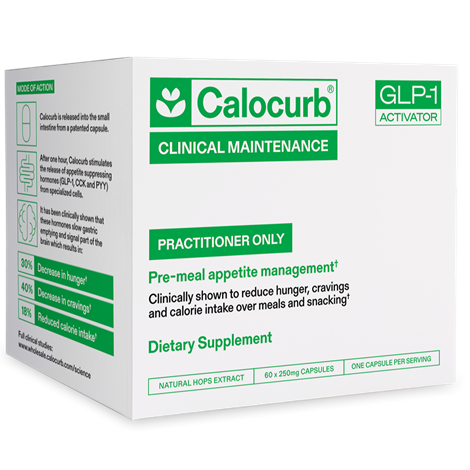
Calocurb® Clinical Maintenance Pack
Ortho Molecular Products
60 capsules
$142.90$128.74 with Subscribe & Save
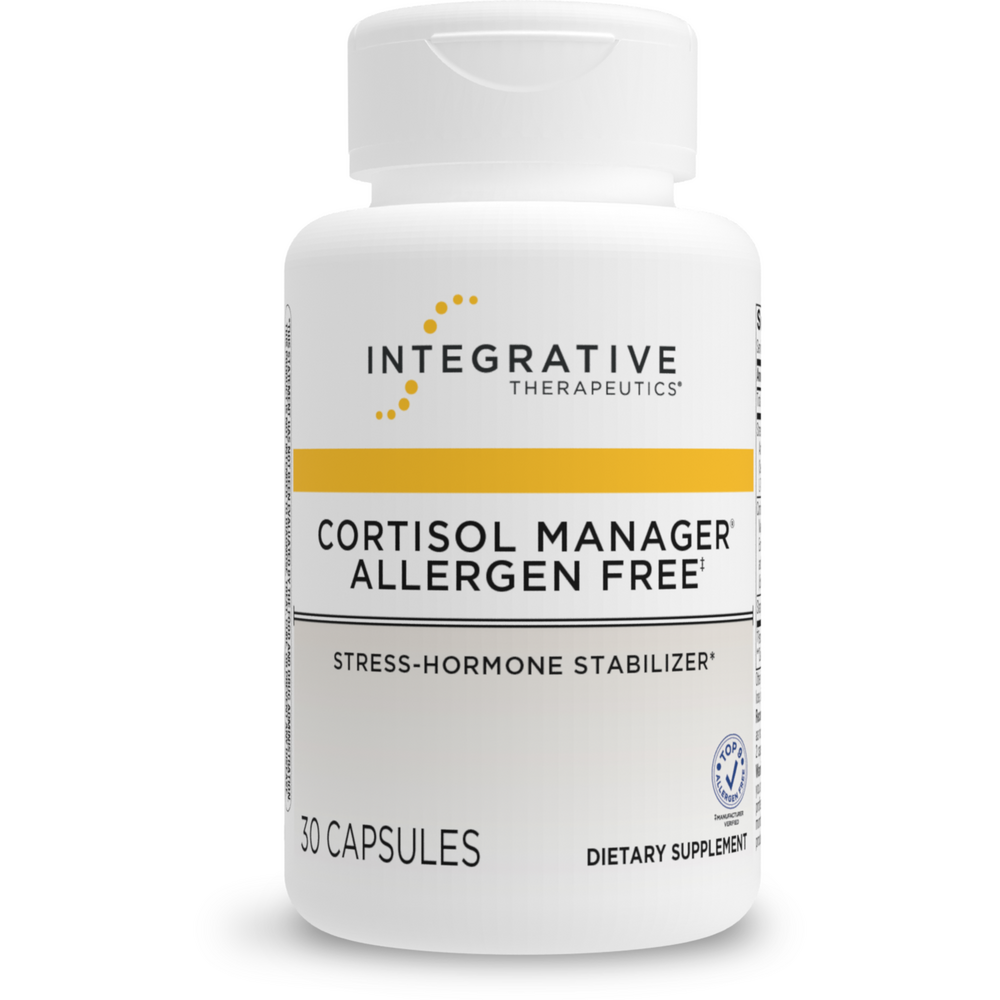
Cortisol Manager Allergen Free
Integrative Therapeutics
30 capsules
$28.99$22.99 with Subscribe & Save