 Instalab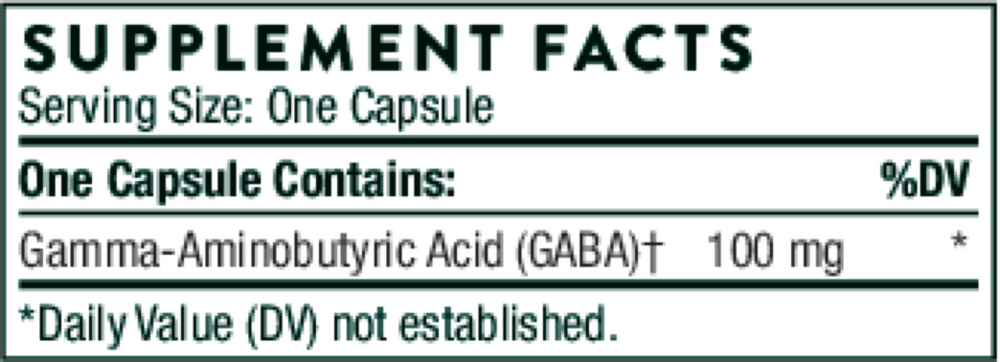


Thorne
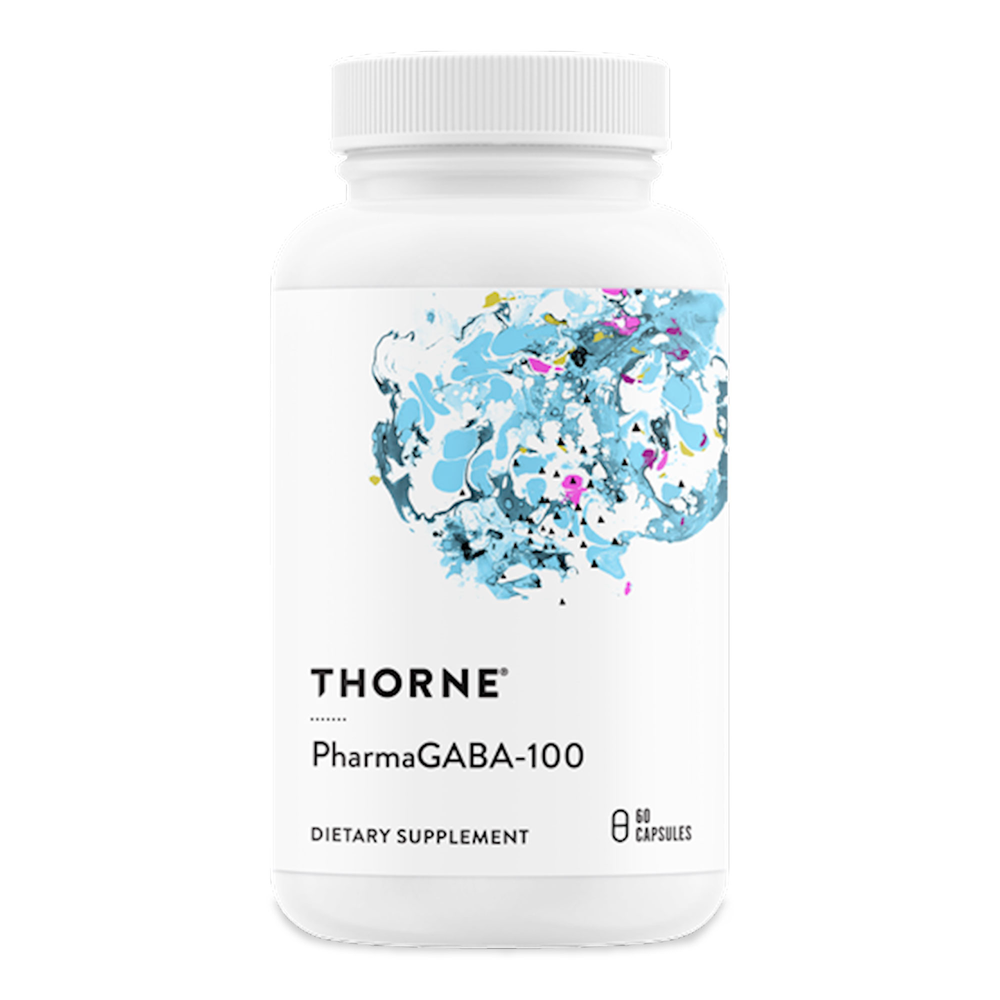
PharmaGABA-100 by Thorne
60 capsules · 60-day supply
Promote Calm and Relaxation with PharmaGABA$34.00
Purchase options
Practitioner-grade brand3rd-party testedFree shipping $50+
Gluten Free·Soy Free·Dairy Free·Milk Free
Thorne PharmaGABA-100 overview
Evening overthinking, pre-presentation jitters, or a racing mind at bedtime are the use-cases where a GABA supplement shines. The 100 mg here is a gentle, on-demand dose for adults who want a calmer state without next-day fog. It’s a fit if stress is nudging up your Cortisol (the body’s main stress hormone) or your sleep latency is long. If anxiety is severe or daily function is impaired, pursue therapy and medical care; supplements won’t replace that.
GABA (gamma-aminobutyric acid) is the brain’s primary inhibitory neurotransmitter, the chemical signal that quiets nerve activity. This formula uses a natural, fermented form often called PharmaGABA. Small human studies show it shifts brain activity toward alpha waves (the relaxed, eyes-closed pattern) and lowers salivary cortisol during stress within about an hour. Whether oral GABA crosses the blood–brain barrier (the filter protecting the brain) is debated, but gut–brain signaling and peripheral calming effects likely explain the measurable changes.
Use 1 capsule 30–60 minutes before a known stressor or at bedtime; you can repeat up to three times daily as needed. It’s fine with or without food. For sleep, take it consistently for 1–2 weeks to judge benefit. If you already use melatonin or magnesium at night, start on the low end to avoid grogginess. If you routinely need more than a few doses a day, step back and address root stressors with your clinician.
Sedatives can add up. Combine cautiously with prescription sleep medicines, benzodiazepines (anti-anxiety drugs that increase GABA activity), opioids, or alcohol because of excess drowsiness. Avoid in pregnancy or while breastfeeding due to limited data. If you have epilepsy or take antiseizure medication, coordinate with your neurologist. GABA can mildly lower blood pressure; if you’re on antihypertensives, monitor at home. Until you know your response, don’t drive or operate machinery after a dose.
Frequently asked questions
How fast does GABA work for anxiety or sleep?
Most people feel calmer within 30–60 minutes of a dose. Sleep benefits often show the first night for some, but give it 1–2 weeks of consistent bedtime use to judge changes in sleep onset and quality.
Does oral GABA cross the blood-brain barrier?
It’s unclear. Some data suggest limited crossing, yet studies still show reduced salivary cortisol and more alpha brain activity after dosing. Effects likely involve gut–brain signaling and peripheral calming mechanisms.
Can I take GABA with antidepressants like SSRIs?
Usually yes, but check with your prescriber. GABA doesn’t act on serotonin directly, though it can add sedation. If you also take benzodiazepines or sleep meds, start low and monitor for excess drowsiness.
Is GABA safe to take every night?
For most adults, nightly use at typical doses is well tolerated. Common effects are mild sleepiness or lightheadedness. If you need escalating doses to sleep, reassess your plan with a clinician.
Does GABA interact with alcohol?
Yes, effects can add up. Both are calming, so combining can cause excess sedation and impaired coordination. If you drink, separate GABA by several hours and use a lower dose or skip that night.
Will GABA lower my blood pressure?
It can cause a small drop in some people. If you’re on blood pressure medication, monitor at home when starting. Dizziness on standing is a sign to reduce the dose or pause and discuss with your clinician.
What dose of GABA is best for sleep?
Many studies use 100–300 mg about 30–60 minutes before bed. This capsule is 100 mg, which suits a gentle start. If needed, some people take a second capsule after 20–30 minutes based on response.
How to take it & ingredients
Suggested use: Take 1 capsule one to three times daily or as recommended by your health professional.
Active ingredients
1 capsule per serving · 60 servings
Gamma-Aminobutyric Acid (GABA)
100 mg
Other ingredients: Calcium Laurate, Hypromellose Capsule, Magnesium (Citrate), Microcrystalline Cellulose
Certifications
Benefits
Warnings