 Instalab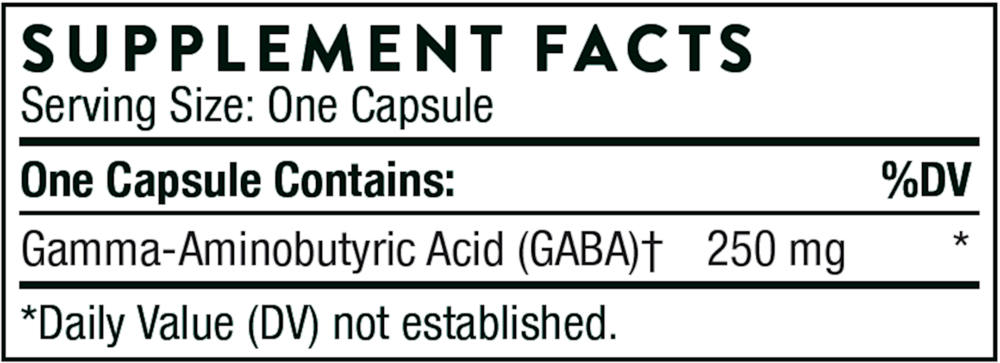


Thorne
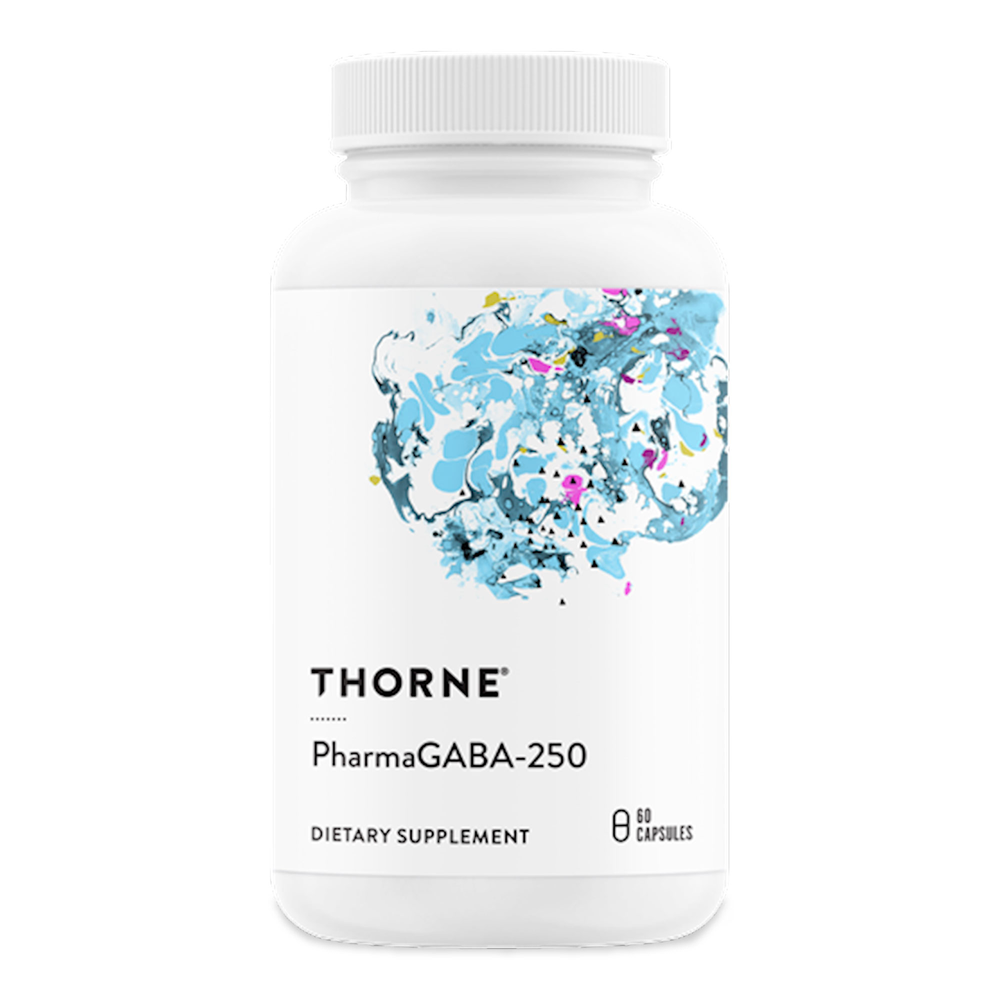
PharmaGABA-250 by Thorne
60 capsules · 60-day supply
Support for Relaxation and Calmness with PharmaGABA$59.00
Purchase options
Practitioner-grade brand3rd-party testedFree shipping $50+
Gluten Free·Soy Free·Dairy Free·Milk Free
Thorne PharmaGABA-250 overview
Big presentation coming up and your chest feels buzzy? A GABA supplement fits situational stress where you want calmer focus without sedation. It’s useful before public speaking, for racing thoughts at bedtime, and for people sensitive to caffeine or pre-workouts. If your sleep tracker shows frequent wake-ups tied to stress, it’s reasonable to trial. For chronic anxiety that disrupts daily life, talk to a clinician first; supplements should not replace care. Thorne PharmaGABA-250 provides a moderate single-capsule dose for flexible use.
GABA is the brain’s main inhibitory neurotransmitter (the chemical signal that tells neurons to slow down). Natural “PharmaGABA” is produced by Lactobacillus fermentation and binds GABA-A receptors (the fast-calming receptor family), nudging the nervous system toward relaxation. Small human studies show higher alpha brain waves on EEG (the relaxed-but-alert pattern) and lower salivary cortisol (a stress hormone) within 30–60 minutes. Effects are modest and more about taking the edge off than strong sedation; that’s why people use it for steadying nerves before stress or easing sleep onset.
Take 1 capsule 30–60 minutes before a stressful event or 30–60 minutes before bed; with or without food is fine. You can repeat up to three times daily per the label. Start with one, then titrate to two or three daily if needed. For daytime use, test your personal response at home first. If you already take calming nutrients (like L-theanine or magnesium), start at the lower end to gauge combined effects.
Use caution with sedatives or alcohol, which can add to drowsiness. If you use benzodiazepines (for example, alprazolam or clonazepam), sleep medications, barbiturates, or muscle relaxants, speak with your clinician before adding GABA. Pregnancy and breastfeeding: data are limited, so avoid unless your clinician advises otherwise. If you feel overly sleepy, light‑headed, or your mood dips, reduce the dose or stop and reassess.
Frequently asked questions
Does GABA cross the blood-brain barrier?
GABA’s entry into the brain is limited, but human studies with fermented PharmaGABA still show calmer EEG patterns and lower salivary cortisol. The likely pathway is signaling via the vagus nerve and peripheral GABA receptors rather than a large direct brain effect.
How long does GABA take to work?
Most people feel an effect within 30–60 minutes. EEG and salivary cortisol studies used that window. For sleep, take it about an hour before bed. If you don’t notice a change after several trials, it may not be your match.
Is GABA safe to take every day?
Generally yes at label doses, with few side effects reported. Some feel drowsy or light‑headed, especially at higher intakes or with alcohol or sedatives. If you need daily use for ongoing anxiety, involve a clinician to address root causes.
Can I take GABA with alcohol or benzodiazepines?
Avoid combining with alcohol or sedatives like benzodiazepines due to additive calming effects and possible excess drowsiness. If you’re prescribed these, ask your prescriber before trying GABA.
GABA vs L-theanine for stress—which is better?
They work differently. GABA directly engages GABA-A receptors; L-theanine (from tea) increases alpha waves via glutamate pathways. Many find theanine smoother for daytime focus, while GABA feels more obviously calming. Some use them together at lower doses.
Will GABA help me fall asleep faster?
It can, mainly by reducing pre-sleep tension and a racing mind. Take it 30–60 minutes before bed. If your sleep issues are pain, apnea, or late caffeine, address those first; GABA won’t override those causes.
What side effects should I watch for with GABA?
The most common are sleepiness, light‑headedness, or a heavy-headed feeling. Rarely, some feel flat or low mood at higher doses. If that happens, lower the dose or stop. Avoid driving until you know how you respond.
How to take it & ingredients
Suggested use: Take 1 capsule one to three times daily or as recommended by your health professional.
Active ingredients
1 capsule per serving · 60 servings
Gamma-Aminobutyric Acid (GABA)
250 mg
Other ingredients: Calcium Laurate, Hypromellose Capsule, Magnesium (Citrate), Microcrystalline Cellulose
Certifications
Benefits
Warnings