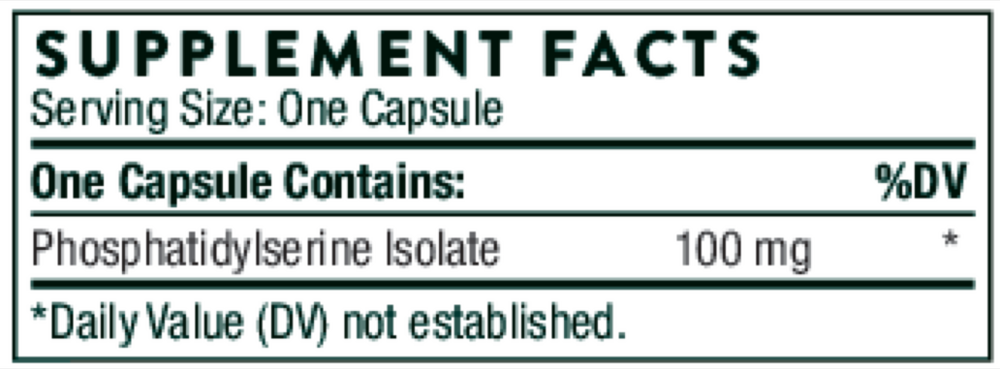
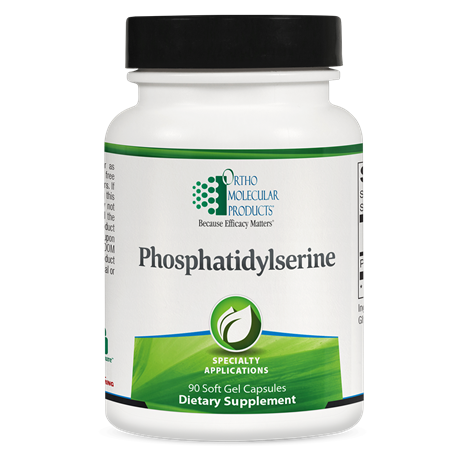
If you are looking at phosphatidylserine for memory and stress resilience, this 100 mg per capsule format is a flexible building block. It suits adults who want a non-stimulant nutrient to layer alongside sleep, exercise, and steady meals. The manufacturer positions phosphatidylserine as primary phospholipid in brain cell membranes that supports cell-to-cell communication and helps modulate cortisol during stress.
Phosphatidylserine is a phospholipid component of neuronal cell membranes, where receptors and ion channels need to be arranged correctly so signals travel efficiently. By stabilizing these membranes, the manufacturer connects it to memory, focus, and the cortisol axis (the brain-adrenal stress loop). Other mechanisms the manufacturer notes include support for cell metabolism (such as glucose utilization) and neurotransmitter formation, plus antioxidant activity.
Take 1 capsule two to three times daily, as Thorne directs, with food. A common pattern is 1 with breakfast, 1 with lunch, and a third with dinner if you want a higher daily total. Memory and focus support typically uses 200 to 300 mg per day total in research; cortisol modulation work often starts at 200 to 400 mg per day. Take earlier in the day if you are sensitive to alerting effects.
If you take medication that affects acetylcholine signaling, are pregnant or breastfeeding, or have a known soy allergy, talk to your clinician before starting and review the warnings below.
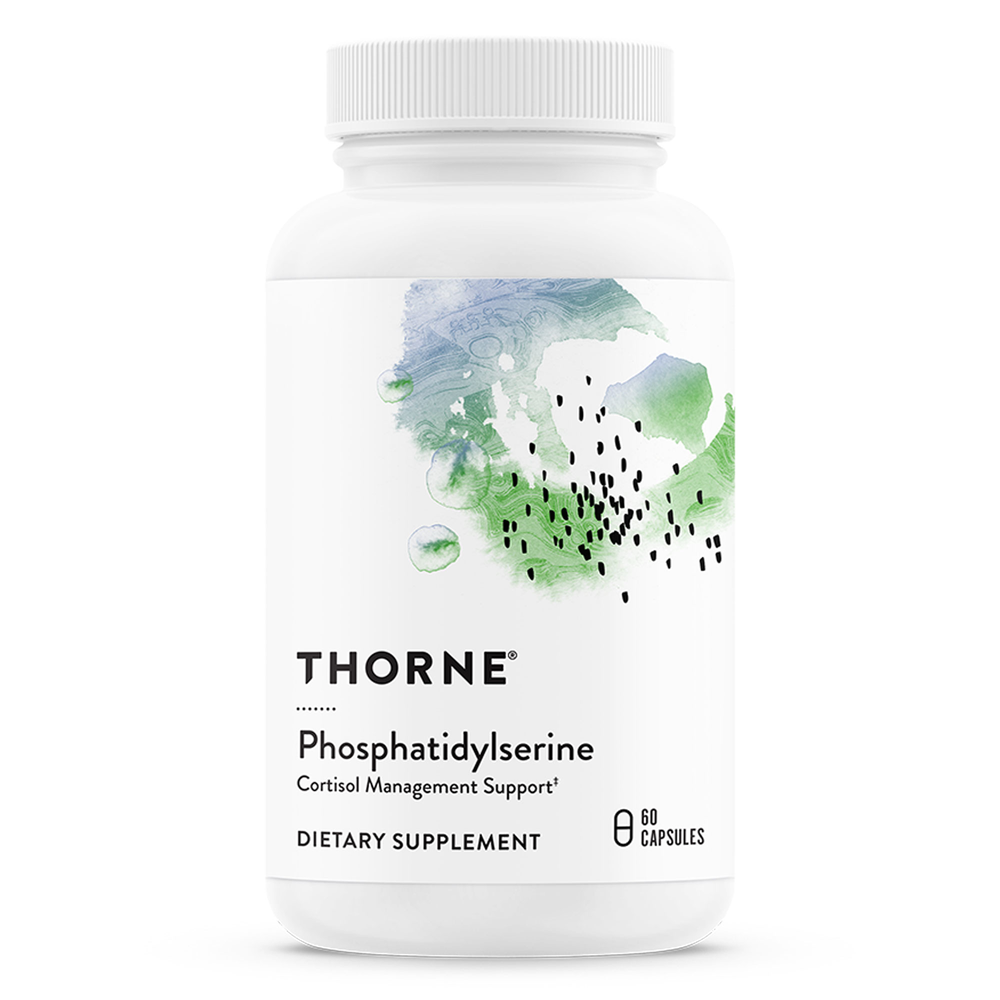
The manufacturer cites research showing phosphatidylserine can lower cortisol spikes in response to stress, with the mechanism described as blunting ACTH release. Effects are most reliable at 200 to 400 mg per day in research.
Thorne directs 1 capsule two to three times daily. For memory and focus support, 200 to 300 mg per day total is the research range. For cortisol modulation, 200 to 400 mg per day is typical.
Stress and focus shifts often appear in 2 to 4 weeks. Memory and word-finding changes usually take 4 to 12 weeks of steady use.
Morning or midday is safest if you are sensitive to alertness. Some take an evening dose for stress, but vivid dreams can occur. Start earlier in the day and adjust based on how you feel.
Iso-Phos contains an ingredient derived from soy but no soy protein. If you have a soy allergy, consider a sunflower-derived phosphatidylserine instead.
Generally yes, but go slowly and review with your prescriber. Phosphatidylserine can feel alerting in combination with stimulants.
Mild stomach upset, vivid dreams, and occasional light sleep are the most common. Take with food and dose earlier in the day to manage most of these.