 Instalab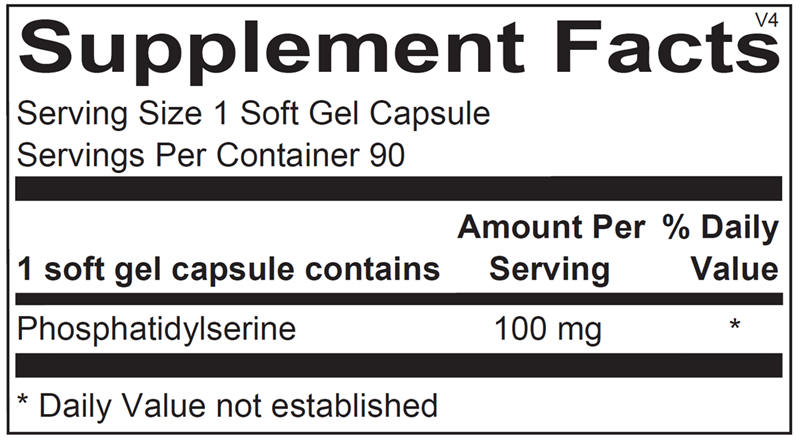

Ortho Molecular Products
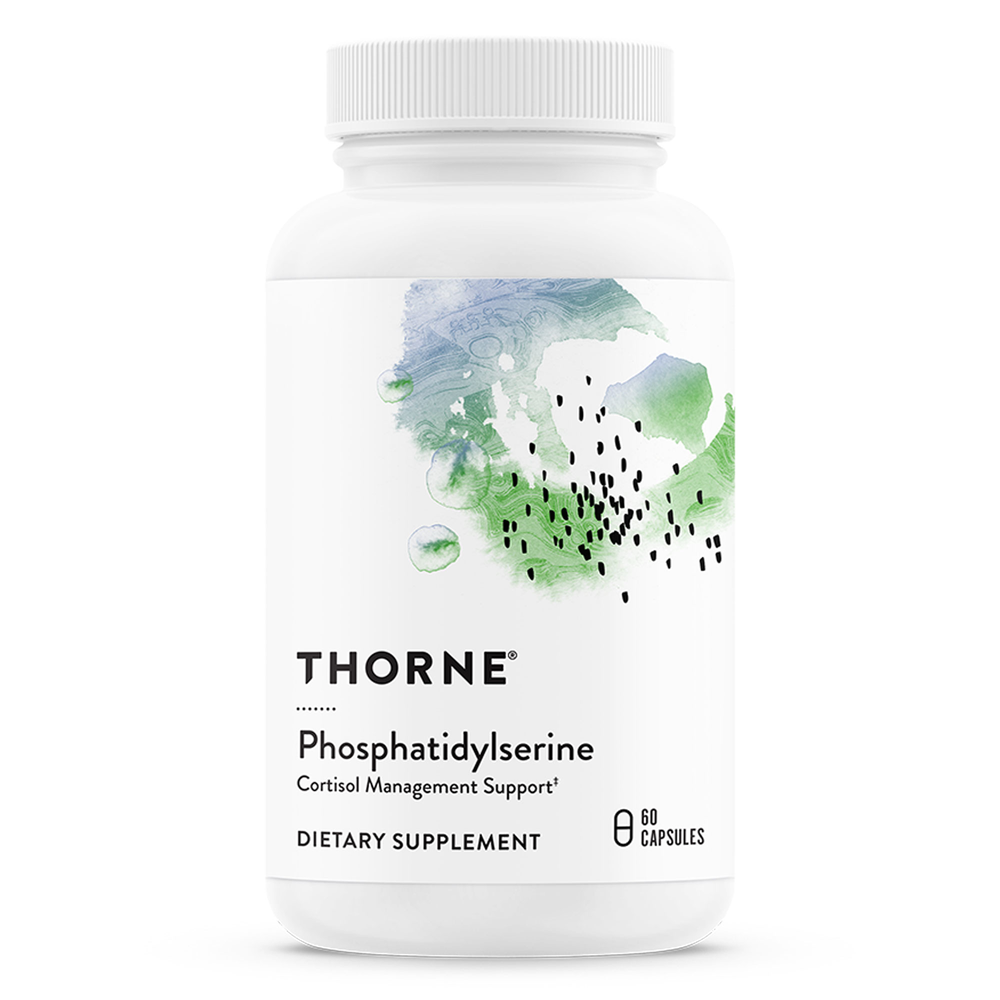
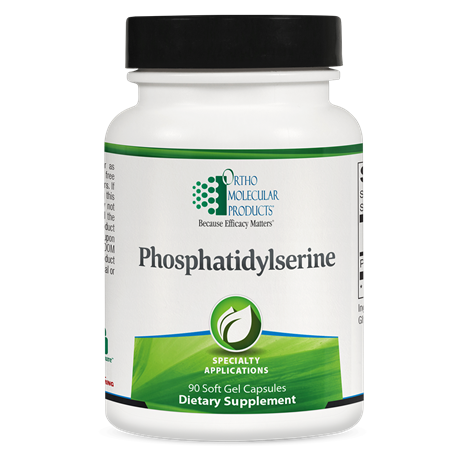
Phosphatidylserine 100 mg by Ortho Molecular Products
90 capsules · 90-day supply
Sunflower-Sourced Phosphatidylserine 100 mg per Softgel$109.50
Purchase options
Practitioner-grade brand3rd-party testedFree shipping $50+
Gluten Free·Corn Free·Yeast Free·Artificial Color Free·Artificial Flavor Free
Ortho Molecular Products Phosphatidylserine overview
This formula provides 100 mg of phosphatidylserine per softgel, sourced from sunflower oil. It suits adults wanting routine cognitive support, particularly those over 50 noticing slowed word recall or mild lapses in working memory, people in high-stress periods looking for a calming nutrient option, vegans and shift workers whose diet provides less phospholipid material, and athletes managing recovery between training blocks.
Phosphatidylserine is a phospholipid concentrated in neuron membranes. Healthier membranes support how receptors and ion channels signal, including the acetylcholine and dopamine systems that contribute to attention and motivation. PS also participates in the body's stress-response pathway, which is why some research has examined its effects on perceived calm, recovery from intense exercise, and sleep tone in evening stress patterns.
The label directs one softgel three times per day, totaling 300 mg per day, which matches the dose used in much of the published research on cognitive and stress-tone support. Take with meals, since fat aids absorption. Some people prefer to shift more of the dose later in the day if their goal is evening calm; others split evenly across the day. Most people settle into the formula over four to twelve weeks of consistent daily use before evaluating.
If you take prescription medications, are pregnant or breastfeeding, or have a chronic medical condition, talk to your clinician before starting and review the warnings below.
Frequently asked questions
How long until I notice changes?
Most responders notice changes between four and twelve weeks. Cognitive and focus shifts are subtle at first; stress-tone shifts can appear sooner if dosing is consistent.
When should I take it?
With meals. For cognitive support, split evenly across the day. For stress or sleep tone, shifting more of the dose to mid-afternoon or early evening works for some people.
Is sunflower-sourced phosphatidylserine soy-free?
Yes. This formula sources phosphatidylserine from sunflower oil rather than soy.
Can I take it with cognitive medications?
Coordinate with your prescriber. PS supports acetylcholine signaling, which can overlap with some cognitive medications. Watch for sleep changes and adjust timing.
What are common side effects?
Usually mild: nausea, stomach upset, or vivid dreams. Taking with food, starting at a lower daily total, and avoiding late-night dosing typically helps.
Is it safe long-term?
Studies up to six months show good tolerability at 300 to 400 mg/day. For longer use, take periodic breaks and track how you feel.
How to take it & ingredients
Suggested use: 1 soft gel capsule three times per day or as recommended by your health care professional.
Active ingredients
1 capsule per serving · 90 servings
Phosphatidylserine
Sourced from sunflower oil
Sourced from sunflower oil
100 mg
Certifications
Benefits
Warnings