 Instalab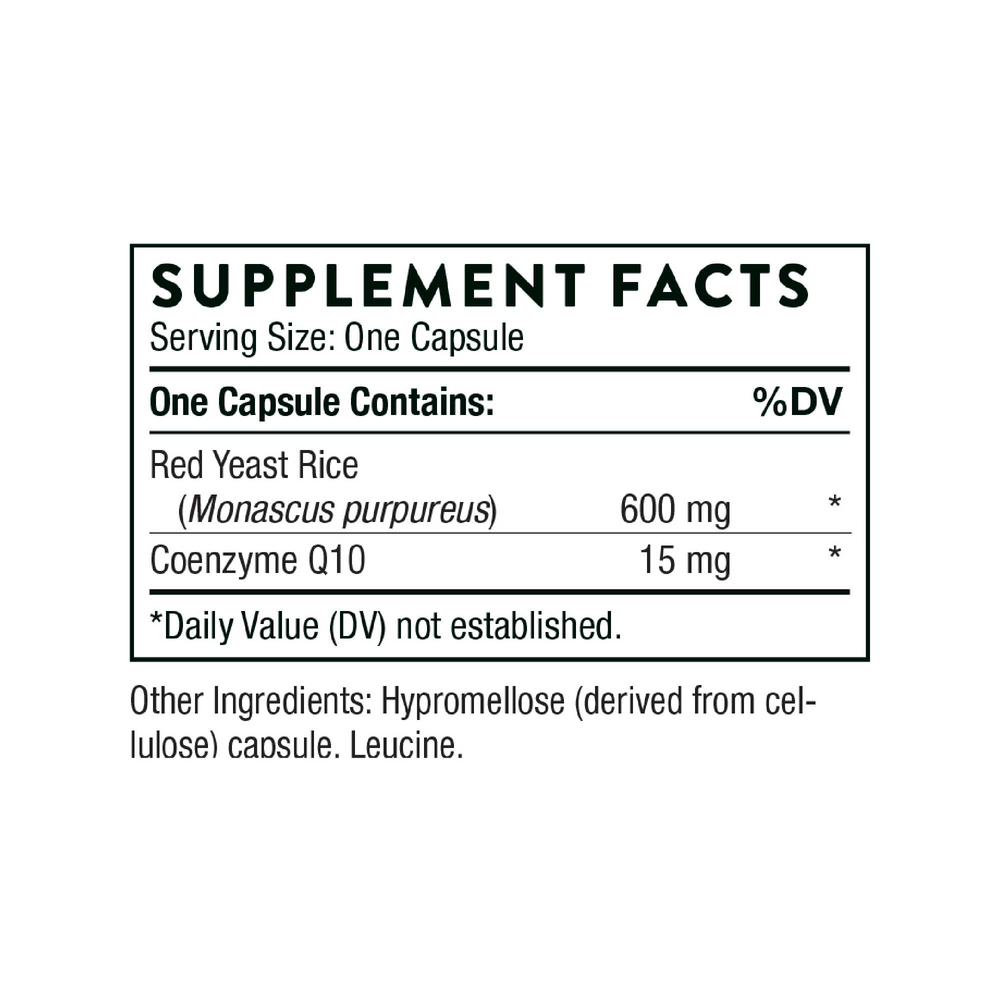
Thorne
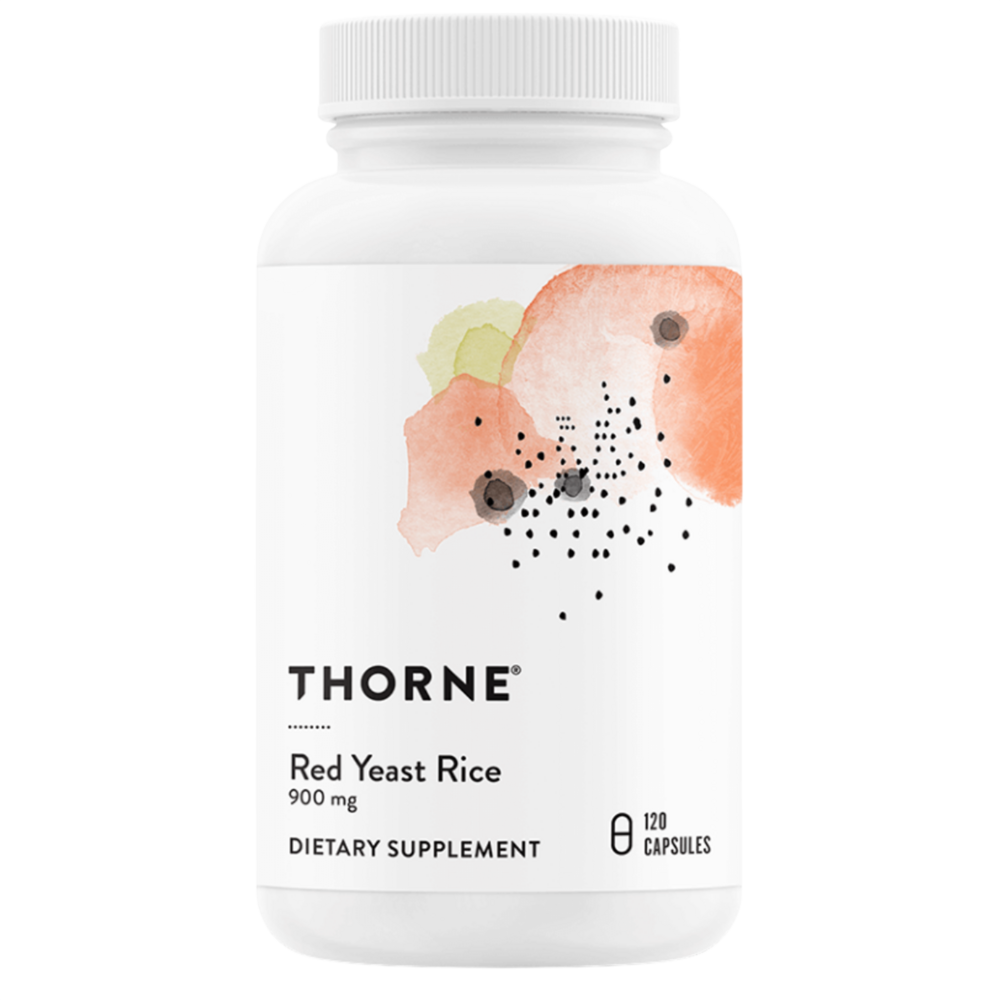
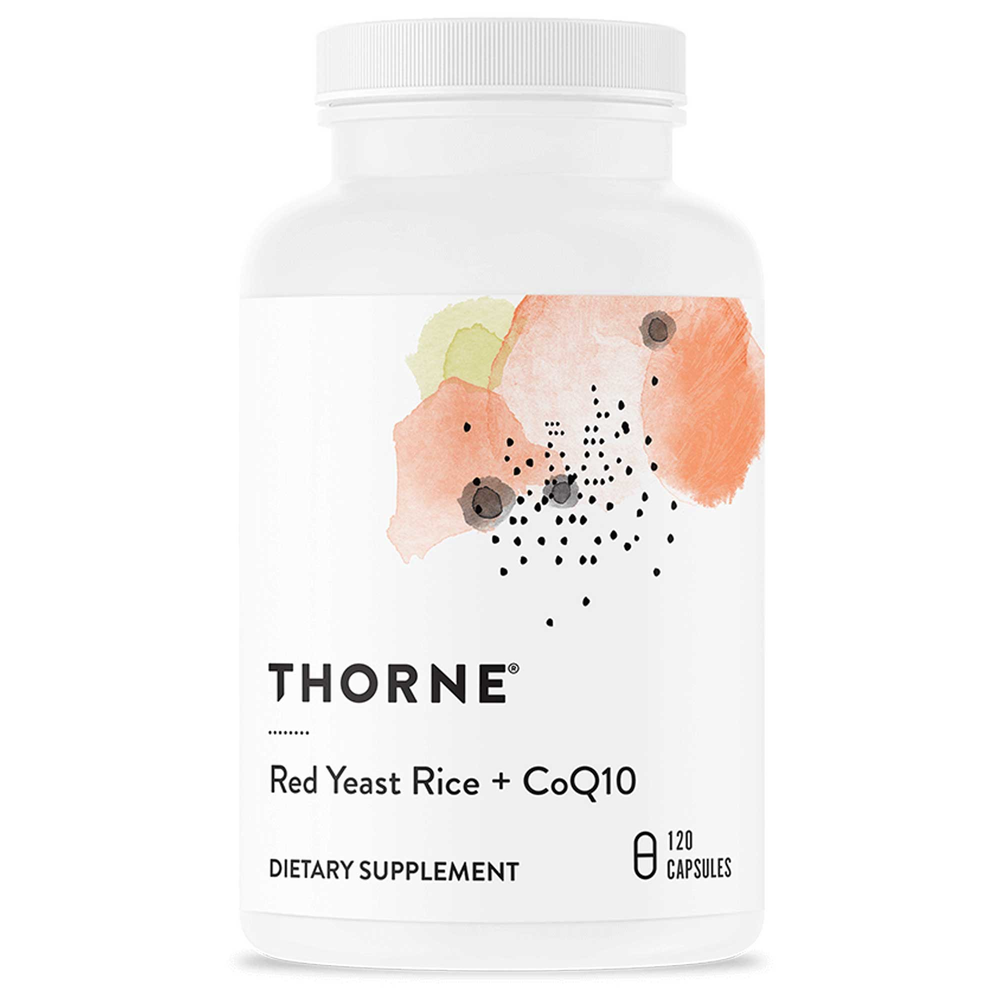
Red Yeast Rice + CoQ10 by Thorne
120 capsules · 120-day supply
Red yeast rice 600 mg with CoQ10 15 mg, 120 vegetarian capsules$46.00
Purchase options
Practitioner-grade brand3rd-party testedFree shipping $50+
Gluten Free·Dairy Free·Milk Free
Thorne Red Yeast Rice + CoQ10 overview
This 120-capsule bottle is a multi-month supply at one capsule per day, or a shorter supply at the higher end of the label range. It suits adults who already use red yeast rice and want a larger pack so they reorder less often. If you have not taken red yeast rice before, a smaller pack is a more cautious way to confirm how you tolerate it.
Each capsule provides 600 mg of red yeast rice, which is rice fermented with the yeast Monascus purpureus, together with 15 mg of coenzyme Q10. The body's own coenzyme Q10 levels tend to decline with age, which is a neutral biological fact and not a claim about what this product does. The capsule shell is hypromellose, made from plant cellulose, so it is vegetarian; the only other listed ingredient is leucine.
Take one to two capsules daily, or as directed by your healthcare professional. Many people take it with a meal. Follow the dose on the label or the direction of your clinician.
Red yeast rice has meaningful interactions and is not appropriate for everyone. If you take prescription medication, are pregnant, breastfeeding, or trying to conceive, have a history of liver concerns, or are under the care of a clinician, talk with them before starting and review the warnings below.
Frequently asked questions
What is in Thorne Red Yeast Rice + CoQ10?
Each capsule contains 600 mg of red yeast rice (Monascus purpureus) and 15 mg of coenzyme Q10. The other listed ingredients are a hypromellose capsule and leucine.
How many capsules are in a bottle?
120 capsules. At one capsule per day that is about a four-month supply; at two capsules per day it is about two months.
How do I take it?
Take one to two capsules daily, or as directed by your healthcare professional. Many people take it with a meal.
Is the capsule vegetarian?
Yes. The capsule shell is hypromellose, which is made from plant cellulose rather than gelatin.
Why choose the 120-capsule pack?
The 120-capsule bottle is a multi-month supply for people who already take red yeast rice regularly. New users often start with a smaller pack to confirm tolerance first.
How should I store it?
Keep the bottle closed, away from heat and moisture, and out of the reach of children.
Should I talk to my clinician before taking it?
Yes, especially if you take prescription medication, are pregnant or breastfeeding, have a history of liver concerns, or are under medical care. Red yeast rice has meaningful interactions. Review the warnings on this page.
How to take it & ingredients
Suggested use: Take 1–2 capsules daily or as recommended by your health professional.
Active ingredients
1 capsule per serving · 120 servings
Red Yeast Rice
Monascus purpureus
Monascus purpureus
600 mg
Coenzyme Q10 (CoQ10)
15 mg
Other ingredients: Hypromellose (derived from cellulose) capsule, Leucine
Certifications
Benefits
Warnings