 Instalab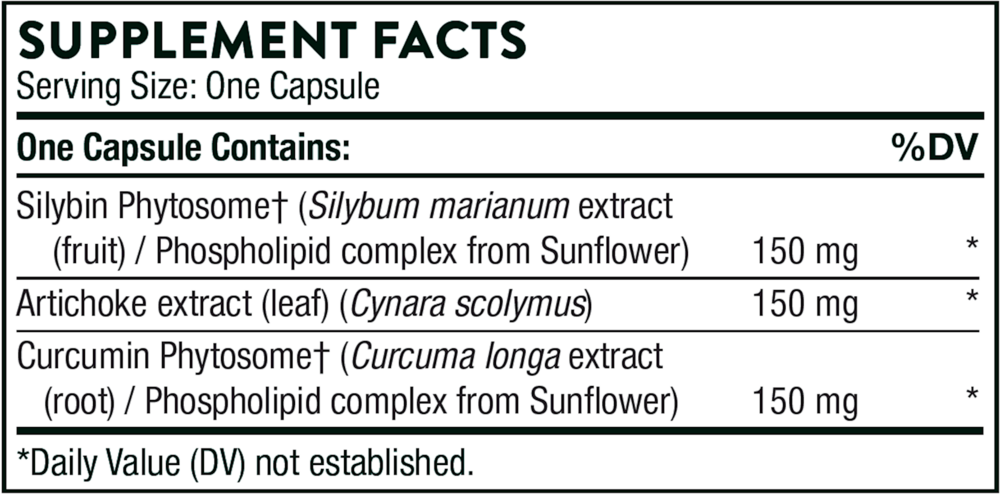
Thorne
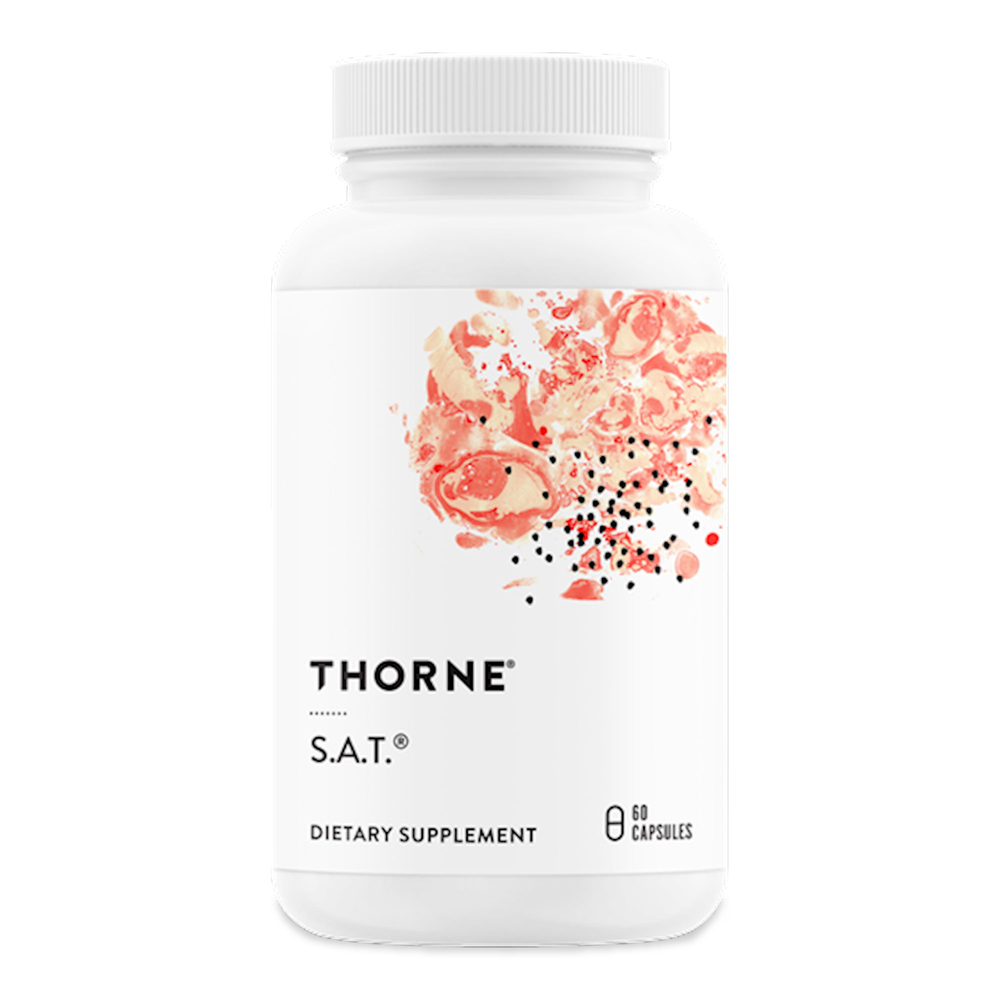
S.A.T. by Thorne
60 capsules · 60-day supply
Support Liver Health and Detoxification with Powerful Botanicals$47.00
Purchase options
Practitioner-grade brand3rd-party testedFree shipping $50+
Gluten Free·Soy Free·Dairy Free·Milk Free
Thorne S.A.T. overview
If your liver markers run a little high on labs like ALT, AST, or GGT, or you have a history of fatty liver from weight gain or insulin resistance, this liver support supplement is a reasonable trial. It also fits people with post-meal fullness after fatty foods, since artichoke can increase bile flow. I like it as a 4–12 week run-in before your next labs, paired with alcohol moderation and weight loss if needed. If your levels are very elevated, see a clinician first.
Silybin phytosome (the main active from milk thistle bound to phosphatidylcholine for better absorption) helps protect liver cells and supports glutathione, the liver’s core antioxidant system. Curcumin phytosome (Meriva) calms inflammatory signaling that can drive liver enzyme elevations and often nudges hs-CRP (a systemic inflammation marker) downward in responders. Artichoke leaf extract increases bile production and flow, which can ease fat digestion and help move cholesterol out through bile. Together, these actions target the common mix of mild enzyme elevation, sluggish bile, and abdominal heaviness.
The suggested use is one capsule two to three times daily. Take with food, ideally a meal containing some fat, to match bile release and aid absorption. Spacing doses across the day smooths tolerance if you’re sensitive. Expect any change in ALT, AST, or GGT within 4 to 12 weeks; that’s when to recheck. If your baseline hs-CRP or triglycerides are high, improvements usually track with diet and weight loss more than with herbs alone.
Skip this if you have gallstones, bile duct obstruction, or right-upper-quadrant pain until evaluated; artichoke and curcumin can increase bile flow. Use caution if you take blood thinners like warfarin, apixaban, or clopidogrel, or high-dose aspirin, because curcumin can add a mild blood-thinning effect. People with ragweed or related Asteraceae allergies can react to artichoke. Pregnancy and breastfeeding: avoid unless your clinician is on board. If your bilirubin is up or you’re jaundiced, get medical care, not supplements.
Frequently asked questions
How long does milk thistle take to work?
For mild enzyme elevations, expect any change in ALT, AST, or GGT within 4–12 weeks. It’s gradual and depends on what else you change, like alcohol and weight.
Can I take curcumin and milk thistle together?
Yes. They act through different pathways and are often combined. Using phytosome forms improves absorption. Take with food to reduce stomach upset.
Does artichoke help with digestion after fatty meals?
Often, yes. Artichoke can increase bile flow, which helps digest fats and can reduce post-meal fullness and bloating in some people.
Will this lower my liver enzymes on its own?
Sometimes, but lifestyle usually matters more. The best results happen alongside weight loss if needed, less alcohol, and better blood sugar control.
Is curcumin safe with blood thinners?
Be cautious. Curcumin has a mild blood-thinning effect. If you take warfarin or newer anticoagulants, talk with your prescriber and monitor closely.
Should I avoid this if I have gallstones?
Yes, avoid until you’ve been evaluated. Curcumin and artichoke can increase bile flow, which can worsen symptoms if a stone is obstructing a duct.
What labs should I recheck after taking this?
ALT, AST, and GGT are the basics. If relevant, also recheck bilirubin and hs-CRP. Reassess within 4–12 weeks to see if it’s helping.
How to take it & ingredients
Suggested use: Take 1 capsule two to three times daily or as recommended by your health professional.
Active ingredients
1 capsule per serving · 60 servings
Artichoke
Artichoke leaf extract
Artichoke leaf extract
300 mg
Curcumin
Curcumin Phytosome (Meriva)
Curcumin Phytosome (Meriva)
300 mg
Milk Thistle
Milk Thistle Seed Extract (Silybin Phytosome)
Milk Thistle Seed Extract (Silybin Phytosome)
300 mg
Other ingredients: Hypromellose Capsule, Leucine, Microcrystalline Cellulose, Silicon Dioxide
Certifications
Benefits
Warnings
Customers also considered
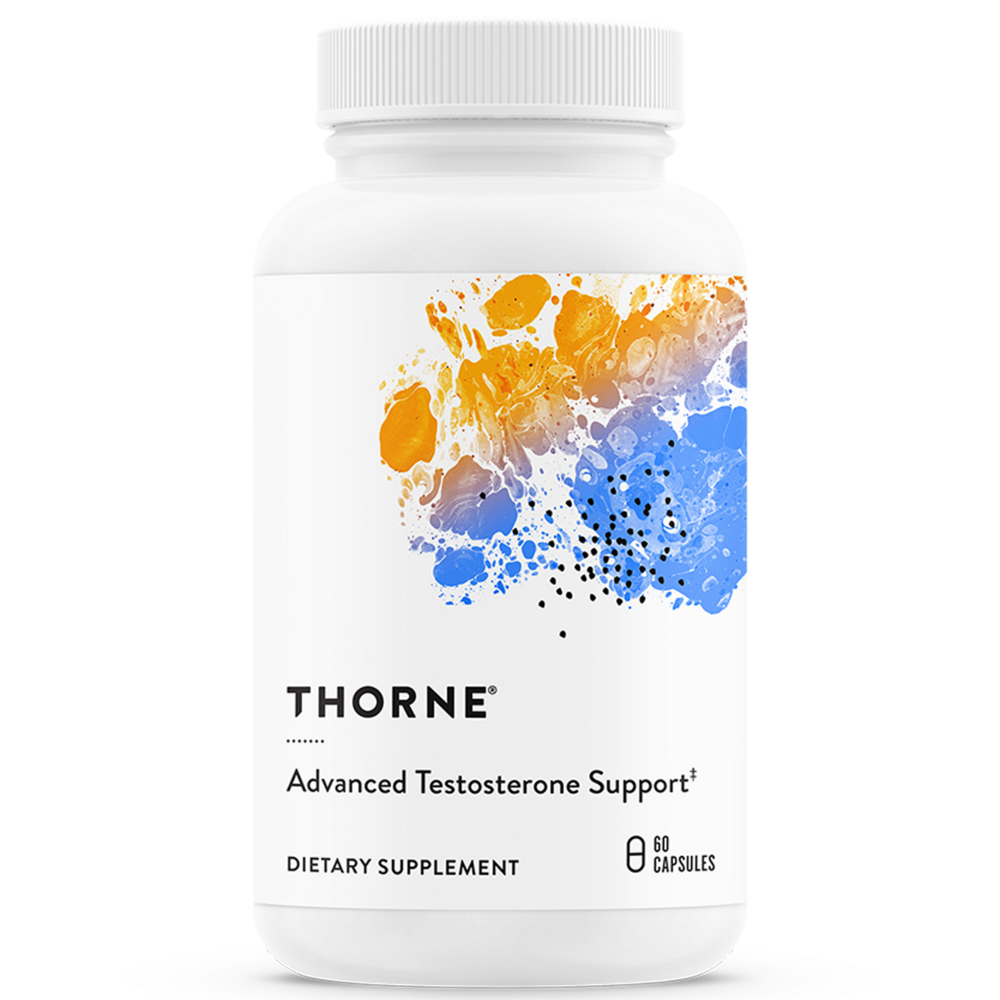
Advanced Testosterone Support
Thorne
60 capsules
$43.00$38.70 with Subscribe & Save
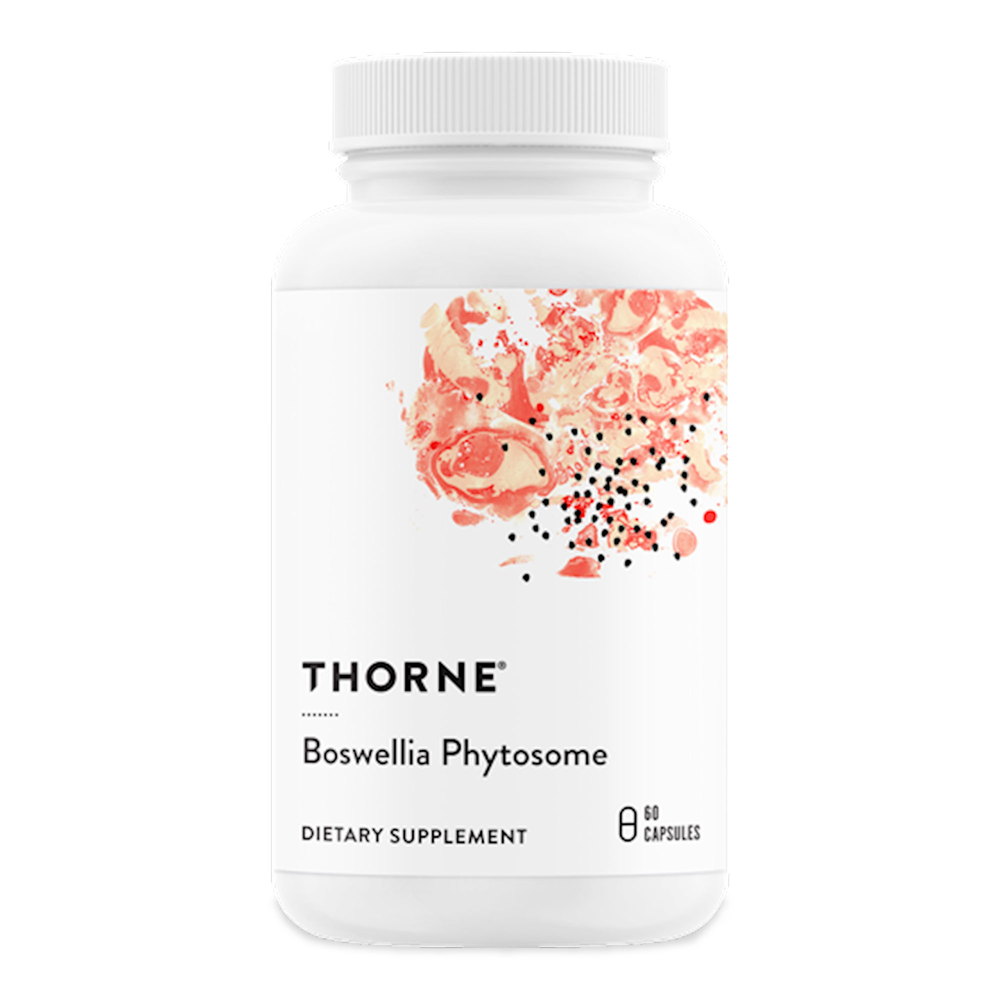
Boswellia Phytosome
Thorne
60 capsules
$59.00$53.10 with Subscribe & Save
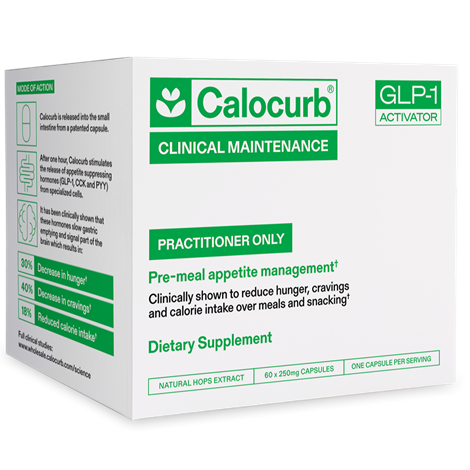
Calocurb® Clinical Maintenance Pack
Ortho Molecular Products
60 capsules
$142.90$128.74 with Subscribe & Save
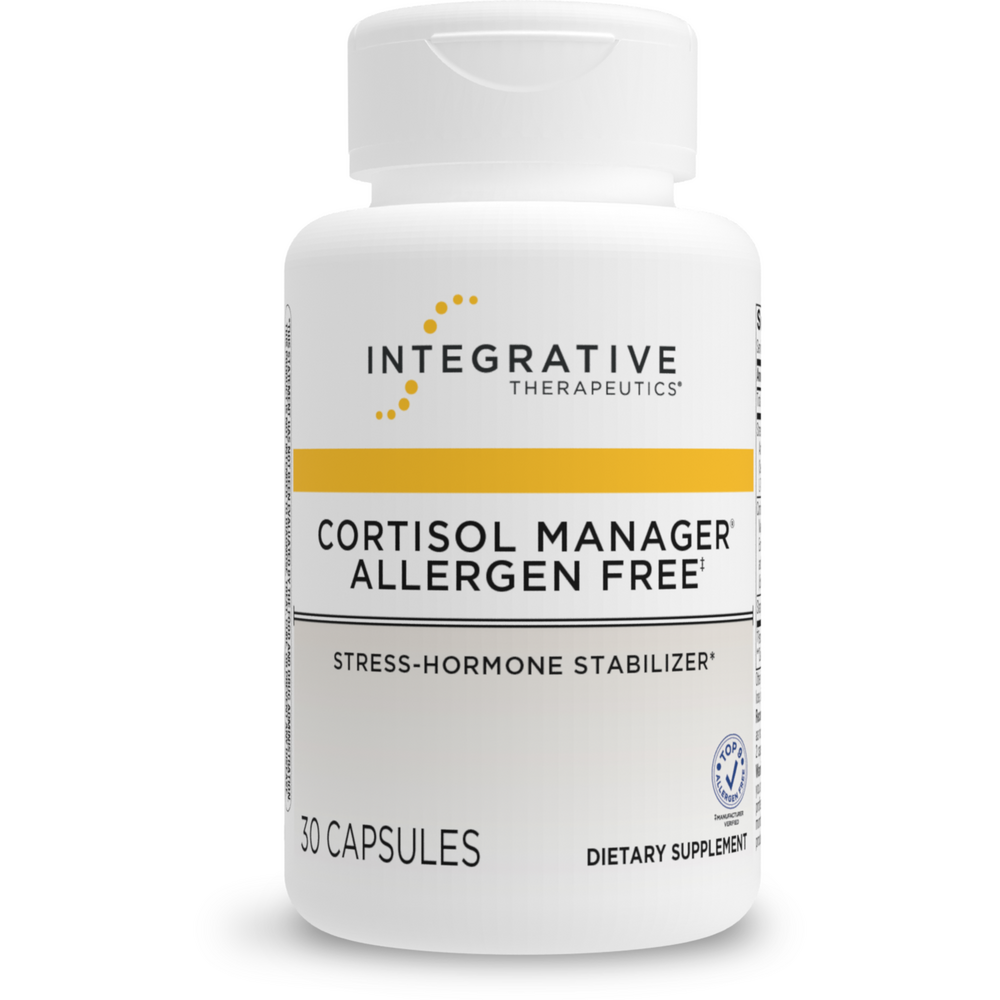
Cortisol Manager Allergen Free
Integrative Therapeutics
30 capsules
$28.99$22.99 with Subscribe & Save