 Instalab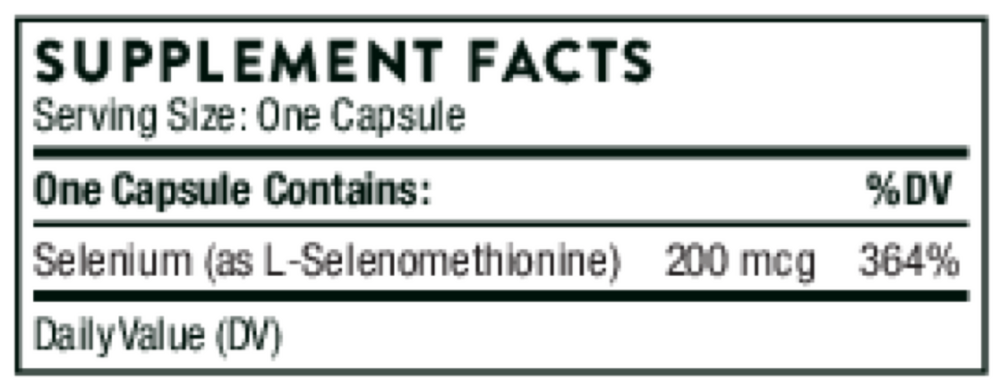
Thorne
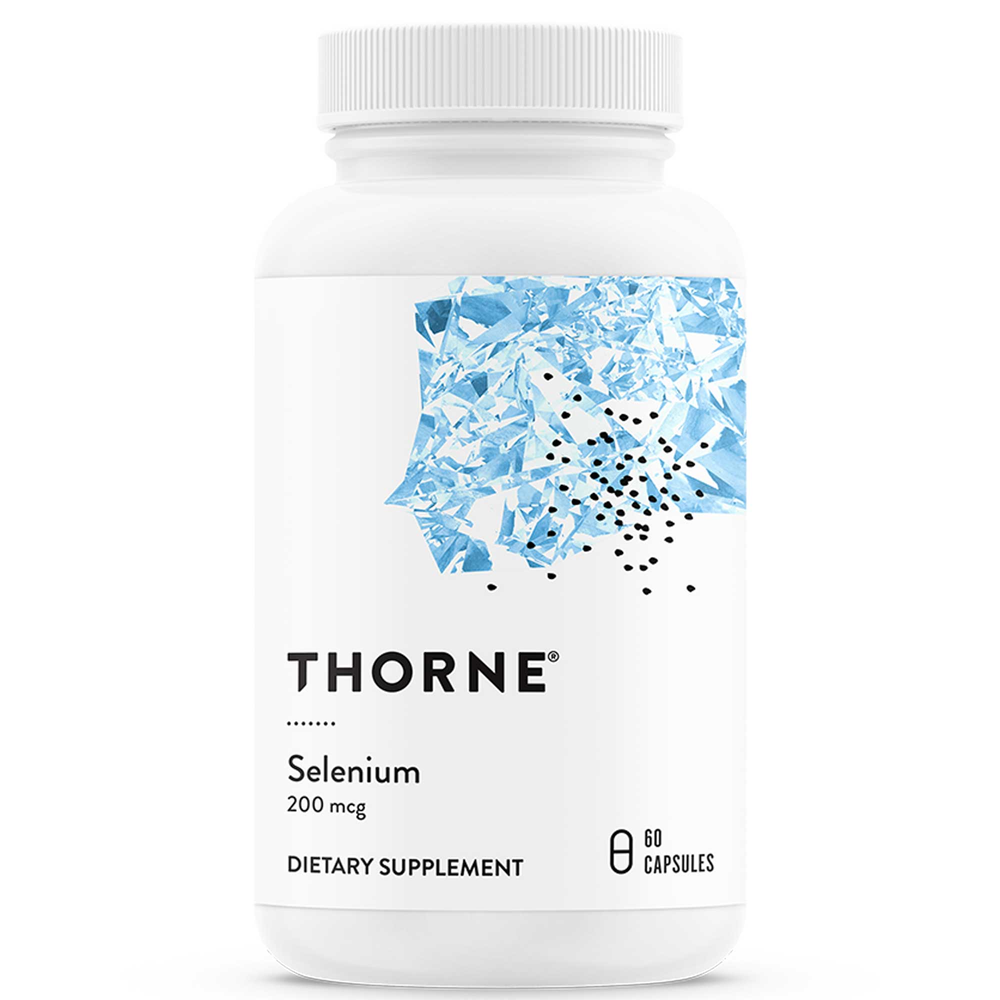
Selenium 200 mcg by Thorne
60 capsules · 60-day supply
Essential Antioxidant Support for Cellular Health and Immune Function$XX.XX$14.00retail
Purchase option
22% below MSRP3rd-party tested for purity & potencyFree shipping $50+
Gluten Free·Soy Free·Dairy Free·Milk Free
Thorne Selenium overview
If you’re looking at selenium for thyroid health, this 200 mcg selenomethionine fits adults with low dietary intake who want a targeted, once-daily selenium supplement. It’s reasonable if your labs show positive Thyroid peroxidase antibodies (TPOAb, the autoantibody in Hashimoto’s) or if TSH, Free T4, and Free T3 suggest sluggish conversion. It’s also a fit if your Selenium, Serum is low or you avoid seafood and Brazil nuts, which are major sources.
Selenomethionine is the most bioavailable form of selenium, absorbed like the amino acid methionine and stably retained in tissues. Selenium is required to build glutathione peroxidases (the enzymes that neutralize peroxide) and iodothyronine deiodinases (the enzymes that convert T4 into active T3). In thyroid autoimmunity, several trials show modest TPOAb reductions within 3–6 months, though symptom changes are less certain. Broad immune claims are overblown; the clearest wins are enzyme-level and thyroid-specific.
Take one capsule daily, with or without food—consistency matters more than timing. 200 mcg is a common proactive dose; for established deficiency, clinicians often replete and then step down after 4–12 weeks, guided by Selenium, Serum and thyroid labs. If you already take a multivitamin or eat Brazil nuts regularly, tally your total selenium to avoid stacking above a safe daily intake. Recheck TSH, Free T4, Free T3, and TPOAb after 8–12 weeks.
Skip extra selenium if your Selenium, Serum is already adequate or you habitually eat high-selenium foods (Brazil nuts, organ meats, lots of seafood). Pregnancy and breastfeeding: stay within your prenatal’s selenium unless your clinician advises otherwise. If you’re on active chemotherapy or radiation, clear any antioxidant regimen with oncology. Chronically high intake can cause hair loss, brittle nails, and a garlic breath odor—signs of excess that warrant stopping and checking labs.
Frequently asked questions
Is 200 mcg of selenium a day too much?
For most adults, 200 mcg daily is within commonly used supplemental ranges. The risk is from stacking—multivitamins and Brazil nuts can push intake high. If your Selenium, Serum is normal or high, skip extra and recheck labs in a few months.
How long does selenium take to help the thyroid?
Enzyme and antibody changes are typically measured in 8–12 weeks. Trials in Hashimoto’s show modest Thyroid peroxidase antibody (TPOAb) reductions by 3–6 months. Symptoms may lag lab changes, so reassess with TSH, Free T4, and Free T3 after a quarter.
Can I take selenium with levothyroxine?
Yes, but take levothyroxine on its usual empty stomach schedule and keep selenium at a consistent time. Selenium can influence T4-to-T3 conversion, so monitor TSH, Free T4, and Free T3 and adjust medication only with your prescriber.
Which selenium form is best: selenomethionine or selenite?
Selenomethionine is better absorbed and retained, making it practical for steady tissue levels. Sodium selenite works but is less bioavailable and more prone to gastrointestinal irritation at similar doses.
Can I get enough selenium from Brazil nuts instead?
Possibly, but content varies wildly by nut and origin. One nut can contain very low or very high selenium. A measured 200 mcg selenomethionine dose avoids that variability and reduces the risk of accidental excess.
What are the signs of too much selenium?
Early signs include a metallic or garlic breath odor, nausea, brittle hair and nails, and skin changes. Stop supplementation and check Selenium, Serum if these occur. Very high intakes over time can cause more serious toxicity.
Does selenium lower inflammation markers like hs-CRP?
Effects on hs-CRP (a general inflammation marker) are inconsistent and usually small. The more reliable benefits are at the enzyme level and in thyroid hormone conversion and autoantibody trends.
How to take it & ingredients
Suggested use: Take one capsule daily or as recommended by your health professional.
Active ingredients
1 capsule per serving · 60 servings
Selenium
Selenomethionine
Selenomethionine
200 mcg
Other ingredients: Hypromellose capsule, Microcrystalline cellulose
Certifications
Benefits
Warnings