 Instalab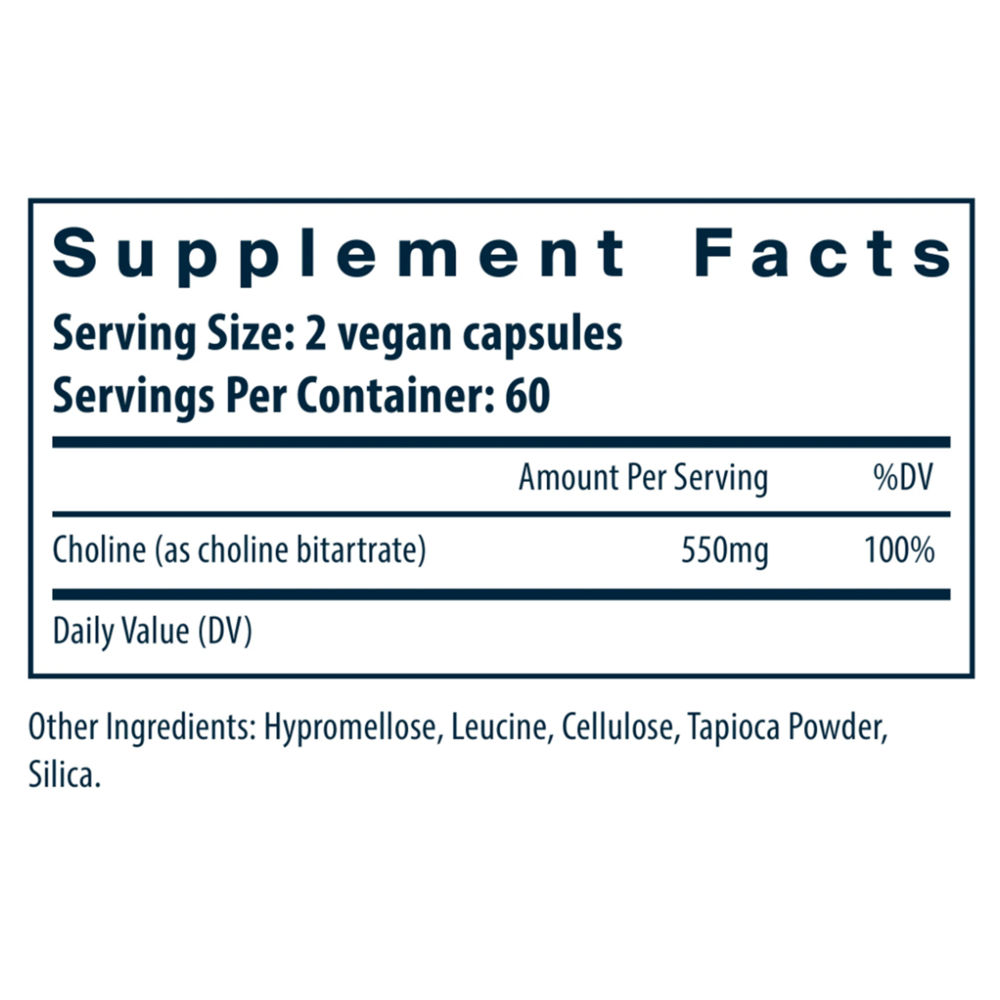
Vital Nutrients
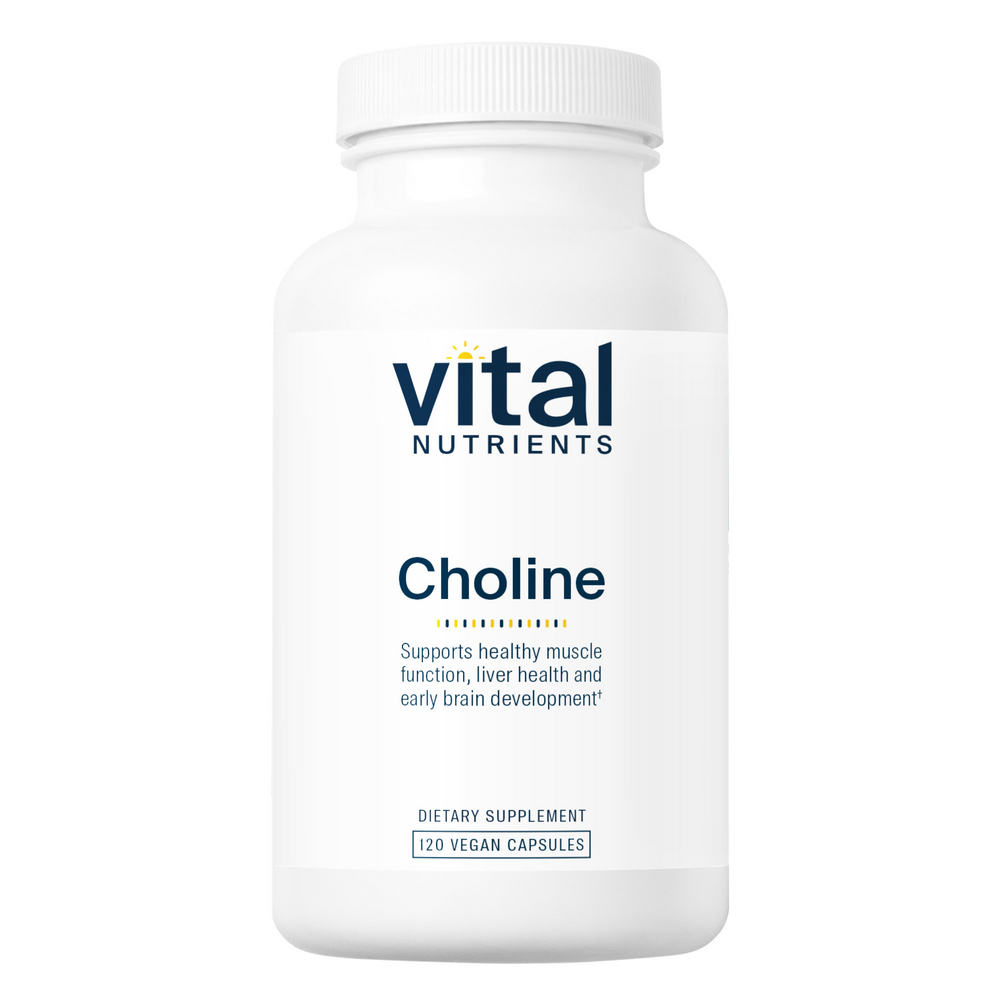
Choline 550 mg by Vital Nutrients
120 capsules · 60-day supply
Supports Brain Function and Cognitive Health with Essential Choline$33.99
Purchase options
Practitioner-grade brand3rd-party testedFree shipping $50+
Vegan·Gluten Free·Soy Free·Dairy Free·Egg Free·Tree Nut Free·
Vital Nutrients Choline overview
If you rarely eat eggs or liver, follow a vegan or very low‑animal‑product diet, or have elevated Homocysteine (a methylation by‑product that rises when methyl donors are low), a choline supplement is a practical fix. It also fits adults with signs of fatty liver or higher ALT (a liver enzyme) on labs, and those planning pregnancy who aren’t meeting intake from food. The 550 mg choline per serving from Vital Nutrients is a meaningful, maintenance‑to‑repletion dose; for targeted cognitive effects, alternatives like citicoline or alpha‑GPC often work at lower milligram amounts.
Choline is the raw material for phosphatidylcholine, the main membrane lipid your liver uses to package fat into VLDL particles (the carriers that move triglycerides out of the liver). That’s why adequate choline helps prevent fat buildup in the liver. It also donates methyl groups via the betaine pathway, which can lower Homocysteine within 4 to 12 weeks in responders. A smaller share becomes acetylcholine, the attention and memory neurotransmitter, though bitartrate is less brain‑focused than citicoline or alpha‑GPC.
The suggested use is two capsules, twice daily. Split dosing keeps blood levels steady and is gentle on the gut, and taking it with meals reduces the chance of nausea or a fishy aftertaste. If you’re specifically chasing alertness or memory, morning and midday tend to feel cleaner than late evening. For more pronounced cognitive effects at lower doses, compare to citicoline or alpha‑GPC rather than increasing bitartrate indefinitely.
If you notice a fishy body odor, you may be overproducing TMAO (a gut‑derived metabolite debated in heart‑disease research); lower the dose or space it out, and consider increasing fiber. Skip high doses if you have known trimethylaminuria (a genetic odor disorder). Choline can counter anticholinergic drugs (like diphenhydramine), and may add to cholinesterase inhibitors used in dementia, increasing cramping or loose stools. Pregnancy is a time of higher need, but avoid mega‑doses without your OB’s guidance.
Frequently asked questions
Choline bitartrate vs citicoline or alpha-GPC: which is better?
For liver and methylation goals, choline bitartrate is economical and effective. For cognitive effects, citicoline and alpha‑GPC cross into the brain more efficiently and are often felt at lower milligram doses. Many people use bitartrate for baseline intake, and reserve the others for targeted focus.
How long does choline take to work?
For Homocysteine reductions and liver markers, expect 4–12 weeks of steady use before labs reflect the change. Perceptible cognitive effects, if you get them from bitartrate, are usually noticeable within days, but they are milder than with citicoline or alpha‑GPC.
Can I take choline with food or coffee?
Yes, food helps tolerance and reduces fishy aftertaste. Coffee is fine. If you’re sensitive to GI upset, take it with a meal. If you’re using it for focus, morning and midday dosing pairs well with caffeine without needing higher amounts.
Which labs should I check with choline?
Homocysteine is the most relevant for methylation status. If liver health is the goal, track ALT and AST (liver enzymes). Plasma choline exists but isn’t commonly ordered. Recheck labs after 8–12 weeks to see if your current dose is doing enough.
Does choline cause body odor or TMAO issues?
Some people produce trimethylamine (fishy odor) from choline via gut bacteria. Lowering the dose, splitting it, and increasing fiber can help. TMAO’s link to heart disease is debated; avoid very high chronic doses if you have cardiovascular disease and discuss with your clinician.
Is choline safe in pregnancy or while breastfeeding?
Choline is important during pregnancy and lactation, but dosing should be guided by your obstetric clinician. Meeting daily needs matters; avoid very high doses unless specifically recommended. Food sources like eggs remain useful alongside supplementation.
Can choline interact with my medications?
It can counter anticholinergic drugs (like some antihistamines or bladder meds) and may add to cholinesterase inhibitors used for dementia, increasing cholinergic side effects such as cramping. If you use these, review dosing with your clinician.
How to take it & ingredients
Suggested use: Take 2 vegan capsules, twice daily, or as directed by your healthcare professional.
Active ingredients
2 capsules per serving · 60 servings
Choline
Choline Bitartrate
Choline Bitartrate
550 mg
Other ingredients: Hypromellose, Leucine, Cellulose, Tapioca Powder, Silica
Certifications
Benefits
Warnings