 Instalab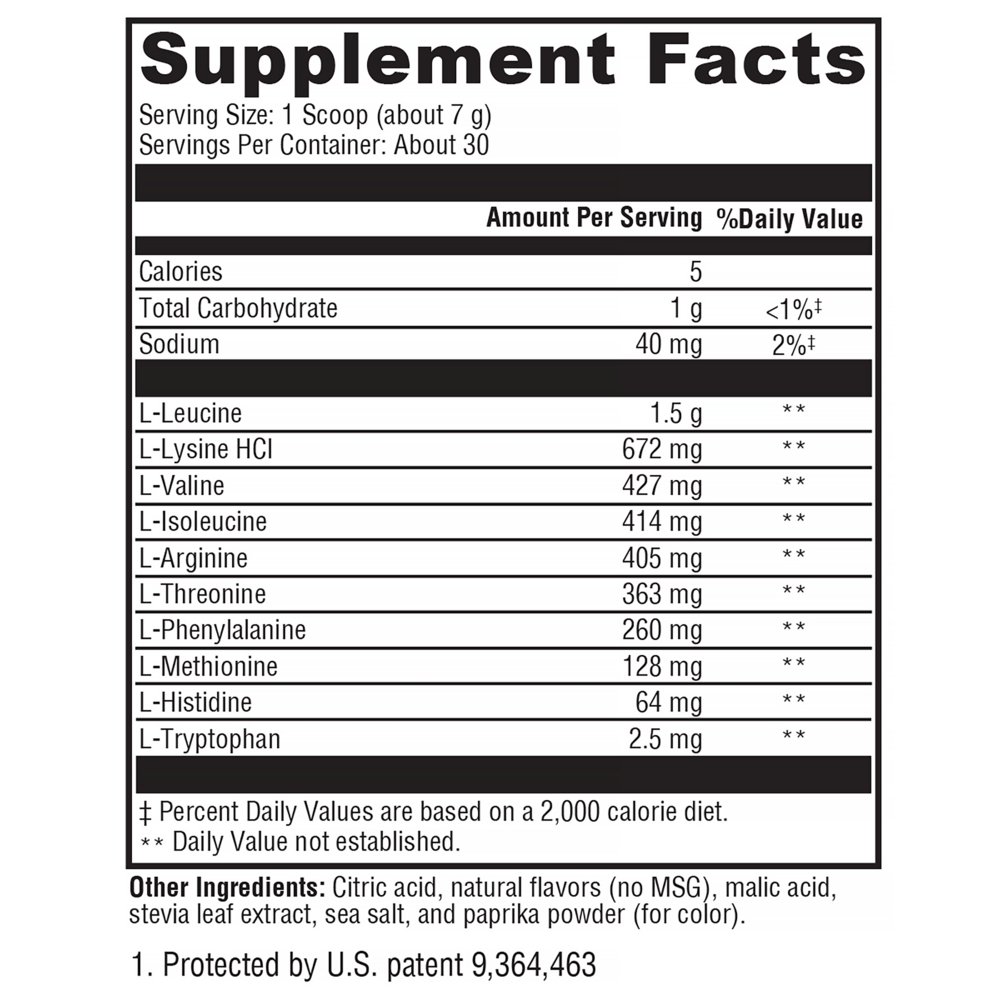

XYMOGEN INC.
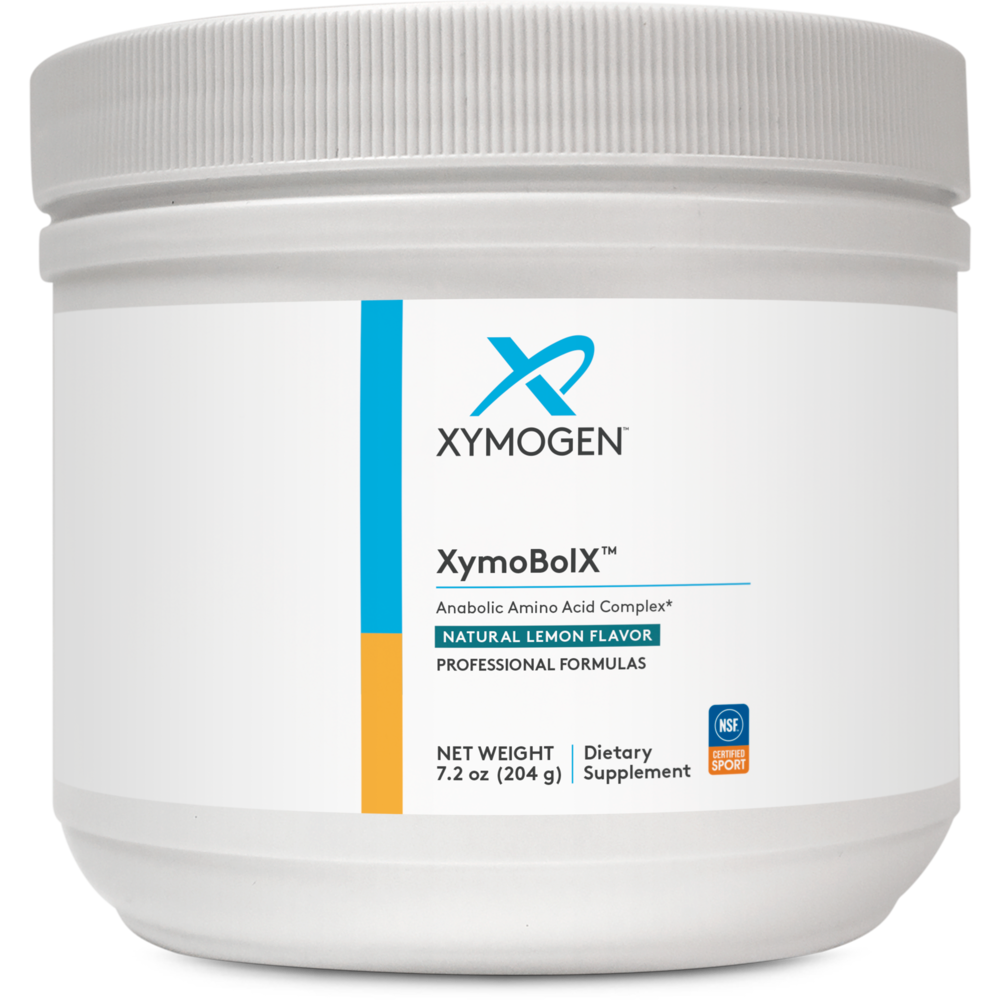
XymoBolX Natural Lemon Flavor by XYMOGEN INC.
204 grams
Natural Lemon Flavor for Enhanced Digestive Health and Nutrient Absorption$51.99
This item is currently out of stockGet notified when this item is back in stock
Practitioner-grade brand3rd-party testedFree shipping $50+
XYMOGEN INC. XymoBolX Natural Lemon Flavor overview
If you train fasted, struggle to hit daily protein, or you’re over 40 and notice slower recovery, an essential amino acids supplement fits. It’s useful for plant-based eaters with low leucine intake, endurance athletes during long sessions, and adults with low appetite after illness or surgery. Check progress with body weight and measurements; for deeper tracking, a DEXA scan or grip strength test shows changes over 4 to 12 weeks.
Essential amino acids (EAAs) supply all nine building blocks your body cannot make. A leucine‑rich mix flips on mTOR, the cell’s “build muscle” switch, which increases muscle protein synthesis (your muscle’s repair-and-build process). Unlike branched-chain amino acids (BCAAs, a subset of three EAAs), a complete EAA blend provides the raw materials and the signal, so you actually build tissue rather than just turning the switch without bricks.
Mix one scoop with water once daily, with or without food. For training, take 15–30 minutes before or sip during. On non-training days, use between meals when protein is light. EAAs are a signal, not a full protein serving; most active adults still do best with total protein around 1.2–1.6 g per kg per day from food or whey/plant protein. Combine with creatine for strength programs if desired.
If you have chronic kidney disease, monitor with your clinician and labs like Creatinine and eGFR (an estimate of kidney filtration). Significant liver disease warrants supervision. Maple syrup urine disease is a contraindication due to BCAA intolerance. Pregnancy and breastfeeding deserve food-first protein; add an essential amino acids supplement only with provider input. If you’re on levodopa for Parkinson’s, separate amino acids from your dose by a few hours.
Frequently asked questions
Do essential amino acids replace protein powder?
No. EAAs are a low-calorie signal to drive muscle building, but they don’t provide the same total protein as a 20–30 g shake. Use them around training or between meals, and still aim for adequate daily protein from food or protein powder.
EAAs vs BCAAs: which is better?
EAAs. BCAAs contain only leucine, isoleucine, and valine. Muscle building requires all nine essential amino acids, so EAAs outperform BCAAs for strength, recovery, and preserving lean mass, especially when dietary protein is modest.
When should I take essential amino acids?
Take 15–30 minutes before workouts or sip during. On rest days, use between meals when your protein intake is light. Consistent use with training shows the best results over 4–12 weeks.
How fast will I notice results?
You may feel better training energy and reduced soreness within days. Measurable changes in strength or lean mass typically require 4–12 weeks of training plus adequate daily protein and sleep.
Are essential amino acids safe for kidneys?
For healthy kidneys, standard doses are well tolerated. If you have kidney disease, discuss with your clinician and track Creatinine and eGFR. Stay hydrated, and prioritize total daily protein targets set by your care team.
Can I take EAAs while fasting?
EAAs break a strict fast because they provide amino acids and calories, but many people use them before fasted workouts to protect muscle. If your goal is autophagy-focused fasting, skip them until the eating window.
Any side effects with essential amino acids?
Most people tolerate them well. A few experience mild nausea if taken on an empty stomach or too concentrated; dilute in more water or take in smaller sips. Rarely, headaches or GI upset occur and improve by adjusting timing.
Can I combine EAAs with creatine or electrolytes?
Yes. Creatine pairs well for strength and power, and electrolytes help during long, sweaty sessions. Mix separately if flavors clash, and drink adequate fluids during training.
How to take it & ingredients
Suggested use: Adults mix one scoop (approximately 6.8 grams) with water or your favorite beverage, once daily, or as directed by your healthcare professional.
Certifications
Benefits
Warnings