
Do I Have Cyclosporiasis or Just a Stomach Bug?
Cyclosporiasis can look like an ordinary stomach bug at first, but the pattern is different: watery diarrhea that drags on for weeks, or clears and comes back, often with heavy fatigue, cramps, lost appetite, bloating, gas, and sometimes weight loss. It comes from Cyclospora cayetanensis, a parasite picked up from contaminated food or water. Right now, during the May-through-August U.S. season, it is worth asking about if symptoms started about a week after fresh produce, including recalled iceberg lettuce, or after travel to a higher-risk region. You cannot confirm it from symptoms; that takes a stool test that specifically looks for Cyclospora.


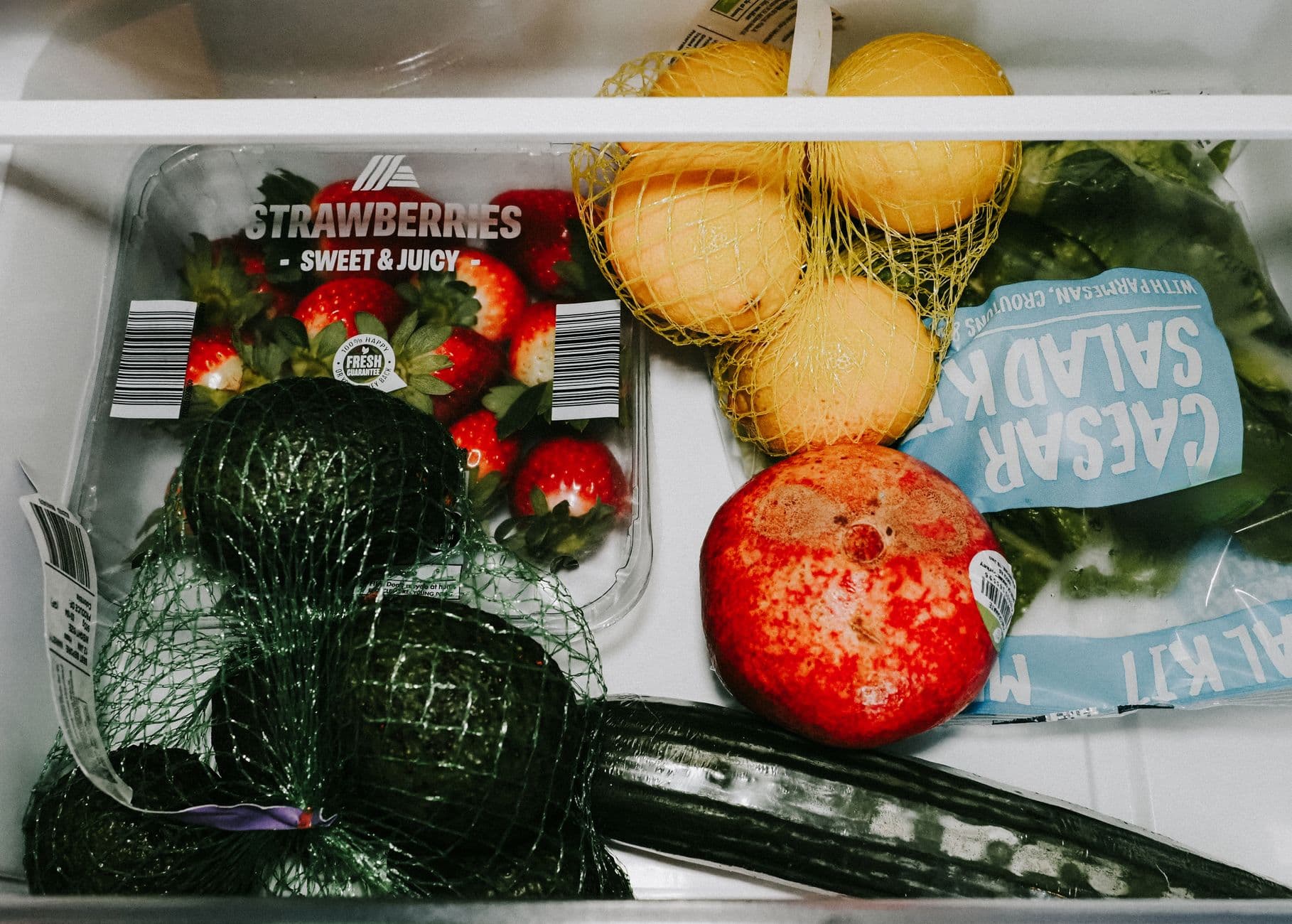
Cyclosporiasis gives itself away by lasting. A one-day bout of diarrhea is not the usual pattern; the clue is watery diarrhea that drags on, or that clears and comes back. Symptoms usually start about a week after you swallow the parasite in food or water, with a range of about 2 days to 2 weeks. Left alone in an otherwise healthy adult, it often does not burn out in a few days. It can run for weeks, sometimes a month or more, easing off and flaring again. Along with watery stools, people report fatigue, cramping, loss of appetite, bloating, gas, nausea, low-grade fever, and weight loss. No single symptom proves it. The useful question is not whether it is "just diarrhea." It is whether the diarrhea is dragging on or cycling the way a short bug usually would not.
Why it's worth asking about in 2026
Cyclospora is seasonal in the U.S. CDC uses May 1 through August 31 as the U.S. cyclosporiasis season, a surveillance convention rather than a biological cutoff, so cases do turn up outside it. 2026 has been heavy. As of July 27, CDC counted 6,707 laboratory-confirmed cases acquired inside the U.S., plus more than 11,500 additional cases not yet laboratory confirmed or still requiring investigation. Those are provisional counts that move week to week, so treat any single figure as a snapshot. In current CDC counts, domestically acquired cases far outnumber travel-associated cases; the confirmed domestic cases were in people who had not left the country in the 14 days before they got sick.
The usual vehicles are fresh produce: berries, herbs, salad mixes, leafy greens. In July 2026, CDC and FDA tied a subset of cases to recalled iceberg lettuce sourced from central Mexico, including Marketside-brand Iceberg Salad and Shredded Lettuce sold at Walmart. Recent travel to Mexico, Central America, South America, or other tropical and subtropical regions is another exposure worth mentioning. One thing it usually is not is directly contagious. Shed parasites must mature outside the body, typically for at least 1 to 2 weeks in favorable conditions, before they can infect anyone, so you are unlikely to catch it from a sick housemate.
A routine stool test can come back clean and still be wrong
This is where recognizing the pattern changes what happens next. A routine ova-and-parasite stool exam does not reliably catch Cyclospora unless the lab is looking for it, and not every GI PCR panel includes it as a target. Some panels do; others do not, so the panel matters. A negative test can mean the parasite was never searched for. Finding it takes a targeted method: modified acid-fast or safranin staining, ultraviolet microscopy, or a PCR panel that lists Cyclospora. Acid-fast staining is variable, and oocysts can stain faintly or not at all, so one negative targeted stain does not rule it out either. If the pattern and exposure fit, make sure the test that gets run is one that can actually find it.
| The question | What the evidence says | What to ask for |
|---|---|---|
| Do the symptoms fit? | Watery diarrhea that lasts more than a few days or clears and relapses, with fatigue, cramps, appetite loss, bloating, gas, or weight loss | Whether it is persisting or cycling, not just how intense it feels |
| Was there a likely exposure? | Onset about a week after fresh produce, during May through August, after recalled iceberg lettuce, or after travel to a higher-risk region | Recent produce, recalled lettuce, restaurant or grocery exposures, and travel history |
| Was the right stool test run? | Routine O&P exams and many GI PCR panels can miss Cyclospora if it is not specifically included | A stool test that names Cyclospora, by targeted staining, UV microscopy, or a PCR panel that lists it |
If you order stool testing yourself, its value depends entirely on whether it targets Cyclospora, so confirm that before you treat a clean result as reassurance. Collecting several specimens on different days raises the odds, because the parasite is shed on and off.
It's treatable, and some people can't afford to wait
Getting the diagnosis right pays off, because cyclosporiasis usually responds to trimethoprim-sulfamethoxazole (TMP-SMX). For a healthy adult, CDC lists one double-strength tablet, 160/800 mg, twice a day for 7 to 10 days, by prescription. A placebo-controlled trial in travelers in Nepal cleared the parasite in nearly everyone treated, and a randomized trial in HIV-infected adults found TMP-SMX more effective than ciprofloxacin; CDC lists TMP-SMX as the treatment of choice. If you cannot take sulfa drugs, the choice is less straightforward: CDC says no highly effective alternative has been identified. Ciprofloxacin has limited evidence and appears to fail often in otherwise healthy patients; TMP-SMX desensitization is an option for selected patients when treatment is needed.
Most healthy adults recover even without treatment, after a long, miserable stretch. The people who cannot afford to wait include those with weakened immune systems, such as people with advanced HIV or transplant recipients taking immune-suppressing drugs. The very young and elderly can also be more vulnerable. In them, cyclosporiasis can run longer and harder. In reported AIDS cases it has involved the biliary tract; in transplant case reports it caused prolonged diarrhea and dehydration. Current 2026 CDC surveillance already lists hundreds of hospitalizations, and CDC has noted two cyclosporiasis-related deaths in Michigan in people with underlying conditions. If you are immunocompromised or showing signs of dehydration, prolonged diarrhea after a produce exposure deserves prompt medical care, not watchful waiting.
So cyclosporiasis is not just any diarrhea. It is a treatable, produce- and waterborne infection whose giveaway is duration and relapse, and whose confirmation hinges on a stool test that actually looks for Cyclospora. The assumption to drop is that a clean routine stool result cleared you. What would sharpen the advice is head-to-head testing of routine microscopy, targeted microscopy, single-target PCR, and multiplex panels in the same patients, plus final 2026 outbreak attribution and counts. Until then, let the pattern and exposure history decide whether Cyclospora gets tested, and let the answer come from a test built to find it.