 Instalab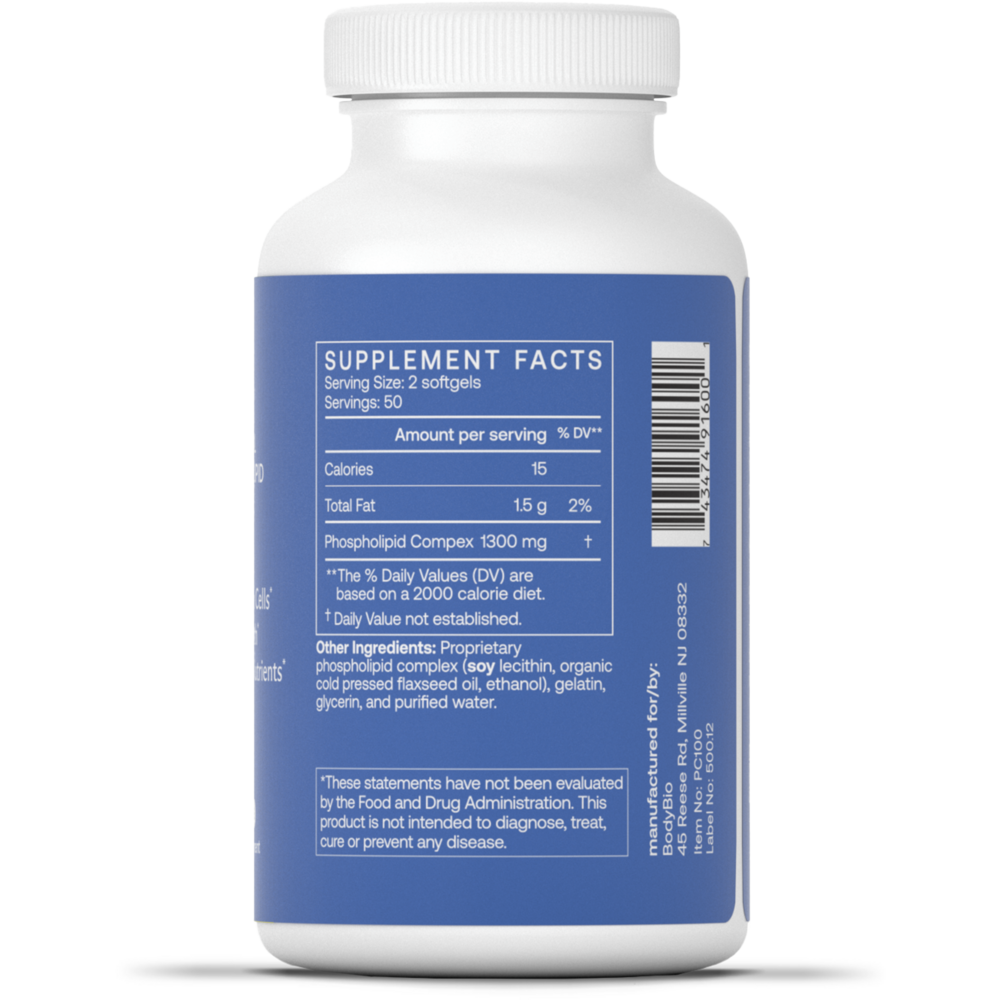
Body Bio
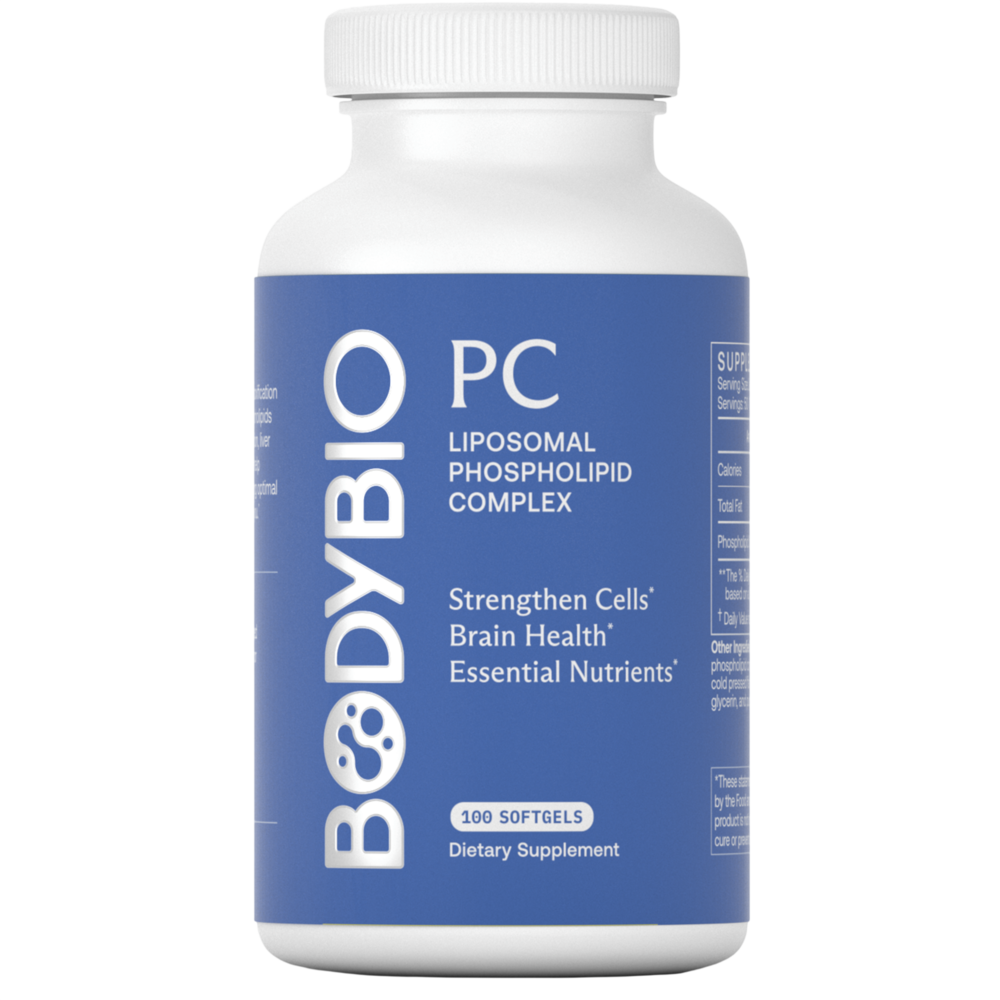
BodyBio PC 1300 mg by Body Bio
100 softgels · 50-day supply
Supports Cellular Health and Cognitive Function with Essential Phospholipids$85.99
Purchase options
Practitioner-grade brand3rd-party testedFree shipping $50+
Gluten Free
Body Bio BodyBio PC overview
If you’re looking for a phosphatidylcholine supplement for membrane and liver health, this fits adults with low dietary choline, light seafood intake, or elevated liver markers like ALT and AST on a Comprehensive Metabolic Panel. It’s useful when triglycerides are high or HDL is low on a Lipid Panel, since the liver needs phosphatidylcholine to ship fat out. Vegans, vegetarians, heavier drinkers, and people with low Homocysteine (a clue you may be short on methyl donors like choline) are the most common responders.
Phosphatidylcholine and its partner phospholipids, phosphatidylethanolamine, phosphatidylserine, and phosphatidylinositol, are the bricks of cell membranes. They help receptors and transporters sit correctly in the membrane, which affects signaling and energy production. In the liver, phosphatidylcholine is required to assemble VLDL particles (the form your liver packages fat into for export), so cells do not accumulate fat. It also supplies choline to make acetylcholine, the neurotransmitter for memory and attention. Pairing these phospholipids with omega-3s like DHA often improves membrane fluidity further.
Take two softgels or one half teaspoon with food, as the label suggests. Fat in a meal improves absorption. Many adults use it once daily for maintenance, and twice daily for 8 to 12 weeks when aiming to normalize ALT, AST, or triglycerides, then step down. Expect membrane and focus benefits within 4 to 8 weeks. If you also take fish oil, taking both with the same meal is reasonable.
Skip this if you have a confirmed soy allergy, and check the source if you are highly sensitive. Separate from bile acid binders like cholestyramine or colesevelam, or from fat-blockers like orlistat, by 3 to 4 hours so absorption is not reduced. If you have advanced kidney disease, discuss TMAO (a gut-derived metabolite of choline that sometimes rises) and monitoring. GI upset or loose stools usually resolve by lowering the dose.
Frequently asked questions
What does a phosphatidylcholine supplement do?
It rebuilds cell membranes, helps the liver export fat via VLDL particles, and provides choline to make acetylcholine for memory and attention. In practice, people aim for better ALT/AST and triglycerides, steadier energy, and clearer focus over 4 to 8 weeks.
How long does phosphatidylcholine take to work?
Membrane changes build gradually. Most notice focus or mental clarity within 4 to 8 weeks, and liver or lipid markers like ALT, AST, and triglycerides shift within 8 to 12 weeks. Continue long enough to recheck labs before judging effect.
Is phosphatidylcholine the same as lecithin?
Lecithin is a crude mix of phospholipids, often lower in actual phosphatidylcholine. This formula is a concentrated phospholipid complex providing defined phosphatidylcholine with phosphatidylethanolamine, phosphatidylserine, and phosphatidylinositol for broader membrane coverage.
Can I take phosphatidylcholine with fish oil?
Yes. Phospholipids provide the membrane structure, and omega-3s like EPA and DHA change the membrane’s flexibility. Taking them together with a meal is common and can show up as improved Omega-3 Index and smoother lipids over time.
Does phosphatidylcholine raise TMAO?
It can, because gut bacteria convert some choline into TMAO. The causal role of TMAO in heart disease is debated. If you have cardiovascular disease or kidney disease, discuss testing TMAO and focusing on overall lipid and hs-CRP control.
Who should avoid phosphatidylcholine?
Avoid if you have a soy allergy to this source. Use caution with advanced kidney disease and discuss TMAO monitoring. If you use fat-blockers like orlistat or bile binders like cholestyramine, separate dosing by several hours to avoid malabsorption.
What are common side effects of phosphatidylcholine?
Mild GI symptoms like loose stools, nausea, or a fishy odor on the breath can occur at higher intakes. These usually improve by reducing the dose, taking with food, or splitting the dose across the day.
Will phosphatidylcholine help fatty liver?
It can help the liver package and export fat, which is one lever in fatty liver. Combine it with weight loss if needed, exercise, and limiting alcohol. Track progress with ALT, AST, GGT, and triglycerides rather than relying on symptoms.
How to take it & ingredients
Suggested use: Take 2 softgels or 1/2 teaspoon with food, unless otherwise suggested by your Healthcare Professional.
Active ingredients
2 softgels per serving · 50 servings
▼
Phospholipid Complex
1300 mg
Phosphatidylcholine (PC)
-
Phosphatidylethanolamine (PE)
-
Phosphatidylinositol (PI)
-
Phosphatidylserine (PS)
-
Other ingredients: Proprietary phospholipid complex, Minor glycolipids, Essential fatty acids, Flaxseed oil, Ethanol, Gelatin, Glycerin, Water
Certifications
Benefits
Warnings