 Instalab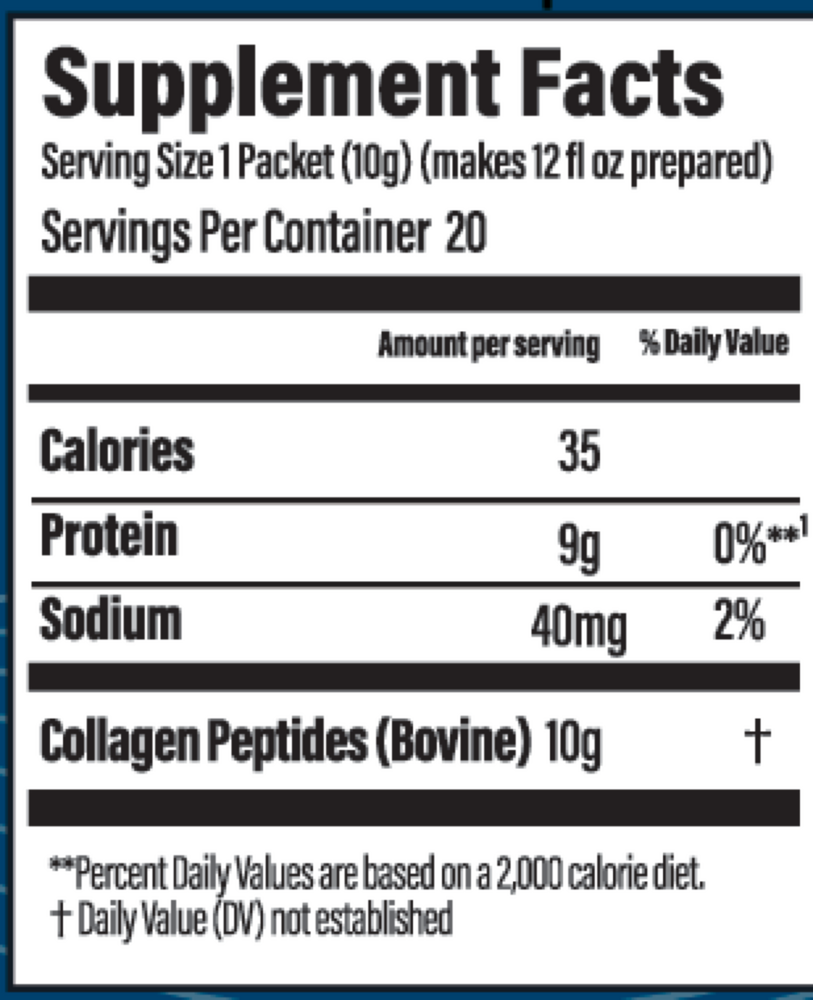

Bubs Naturals
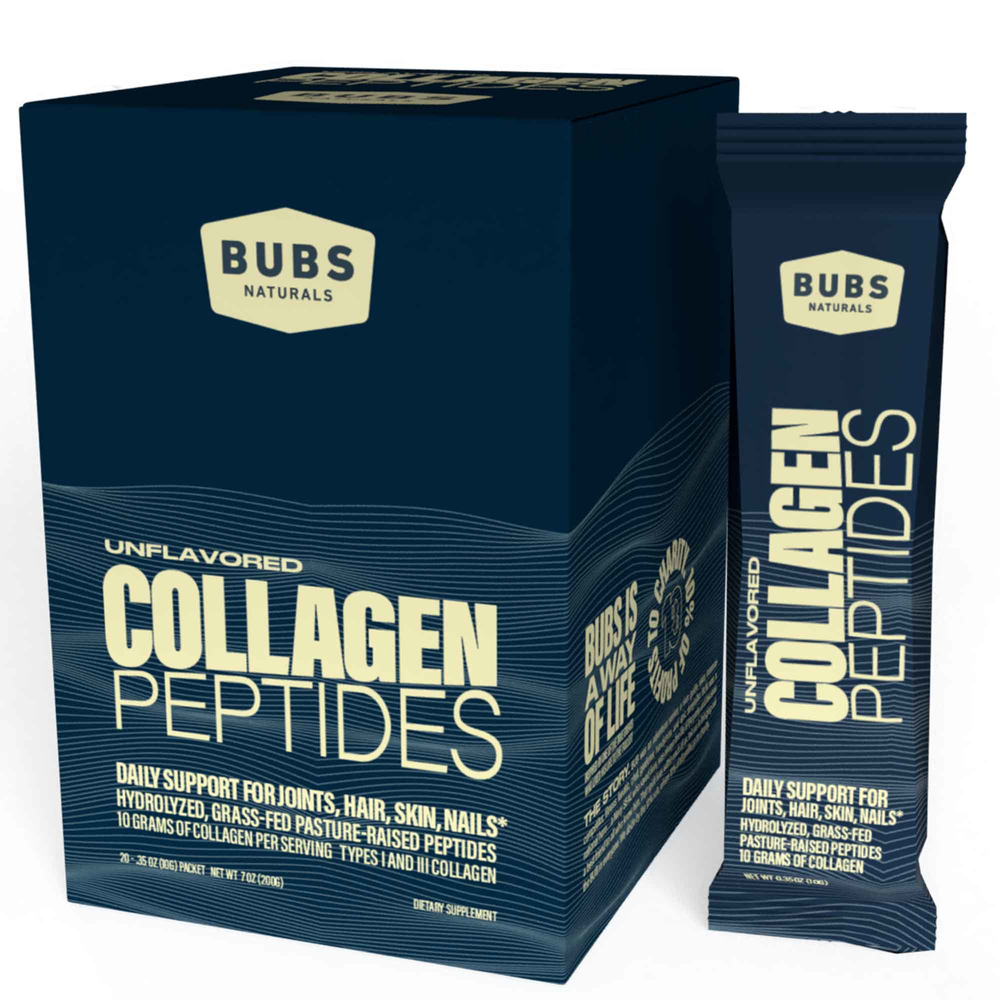
Collagen Peptides Packets by Bubs Naturals
20 packets · 20-day supply
Support Skin, Hair, Nails, and Joint Health with Bovine Collagen Peptides$37.99
Purchase options
Practitioner-grade brand3rd-party testedFree shipping $50+
Gluten Free·Dairy Free
Bubs Naturals Collagen Peptides Packets overview
If you’re looking for smoother skin or easier-moving joints without changing your whole diet, collagen peptides are a pragmatic pick. They fit adults with fine lines or dry skin, runners with creaky knees, lifters with tendon niggles, and anyone whose protein intake skews toward plant sources that are light on glycine and proline (the collagen-building amino acids). The 10 g in each Bubs Naturals packet is a maintenance-level dose; for established joint issues, daily use over months matters more than chasing a higher single dose.
These bovine collagen peptides are pre-broken into di- and tripeptides (two- and three–amino-acid fragments) your gut absorbs efficiently. Once in the bloodstream, they act two ways: they supply glycine, proline, and hydroxyproline (the raw materials for collagen), and they signal fibroblasts (the cells that make connective tissue) to produce more collagen, elastin (the stretchy fiber), and hyaluronic acid (the water-holding gel in skin). In joints, the same signals nudge chondrocytes (cartilage-making cells) to build cartilage matrix, which is why comfort tends to improve gradually rather than overnight.
Mix one packet into coffee, tea, or a smoothie; hot or cold both work. Take it daily for 8–12 weeks to see skin changes, and 3–6 months for joint comfort. Pairing it with 50–100 mg vitamin C around the same time helps the enzymes that cross-link collagen do their job. If you train, taking collagen peptides 30–60 minutes before sessions that load tendons or knees is reasonable. Collagen is low in leucine (the trigger for muscle building), so keep a separate, leucine-rich protein for muscle gains.
If you need a primary protein source for muscle growth, collagen peptides aren’t complete protein and under-deliver compared with whey, soy, or egg. Vegans and strict vegetarians should skip this—it's bovine-derived. If you have advanced kidney disease, any added protein warrants clinician guidance. People with known gelatin/collagen sensitivities or who react to high-histamine foods can experience bloating or flushing; start with a half packet to test tolerance. Pregnancy and breastfeeding are generally fine for food proteins, but discuss supplements with your clinician.
Frequently asked questions
Do collagen peptides really help skin?
Yes, in many users. Randomized trials show modest improvements in skin elasticity and hydration with daily collagen peptides, usually noticeable within 8–12 weeks. Effects plateau without continued use, and results vary with age, sun exposure, and baseline diet.
How long do collagen peptides take to work for joints?
Expect a slow build. Joint comfort typically improves over 3–6 months of daily use, reflecting gradual changes in cartilage matrix. Keep training smart, manage body weight, and don’t expect pain relief in days.
Are collagen peptides a complete protein?
No. Collagen is low in tryptophan and leucine, so it shouldn’t be your only protein if muscle gain is the goal. Use collagen for connective tissue and skin, and meet protein needs with whey, soy, dairy, eggs, or mixed plant proteins.
What’s the best time to take collagen peptides?
Any time works if you take it consistently. If you’re training tendons or knees, 30–60 minutes pre-workout with some vitamin C is reasonable based on connective tissue synthesis data. Coffee or a smoothie is a practical vehicle.
Can I take collagen peptides with coffee or hot drinks?
Yes. Hydrolyzed collagen is heat-stable at typical beverage temperatures and dissolves well in hot coffee or tea. Heat won’t “kill” it, and absorption remains the same.
Are there side effects from collagen peptides?
They’re generally well tolerated. The most common issues are mild bloating or a fuller stomach early on. Rarely, people sensitive to gelatin/collagen or high-histamine foods can flush or feel itchy. Start with a smaller dose if you’re unsure.
Is bovine or marine collagen better?
Both forms deliver similar bioactive peptides. Bovine collagen skews type I and III, and marine is primarily type I; in practice, skin and joint outcomes are comparable. Choose based on dietary preference and allergen profile, not expected efficacy.
How to take it & ingredients
Suggested use: Mix 1 packet into your beverage of choice, such as smoothies, coffee, tea, or juice.
Active ingredients
1 packet (10 g) per serving · 20 servings
Collagen Peptides
Bovine Collagen Peptides
Bovine Collagen Peptides
10000 mg
Protein
9 g
Sodium
40 mg
Certifications
Benefits
Warnings
Customers also considered
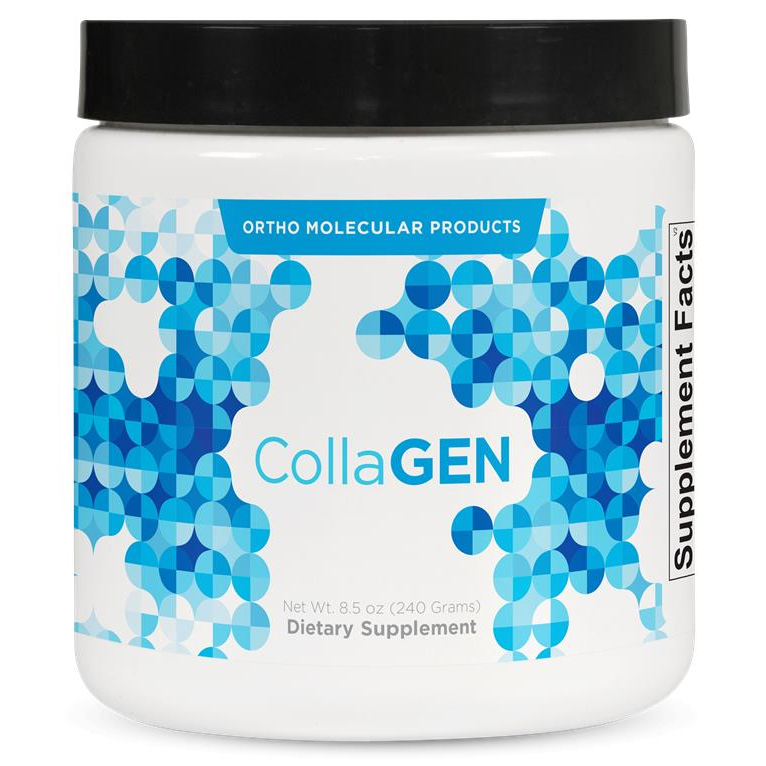
CollaGEN
Ortho Molecular Products
240 grams
$81.64$73.55 with Subscribe & Save
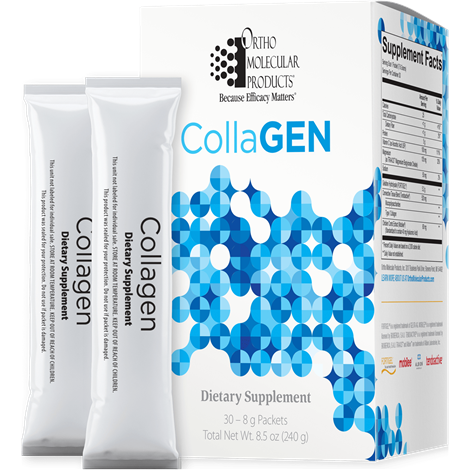
CollaGEN Stick Packs
Ortho Molecular Products
30 packets
$106.84$96.25 with Subscribe & Save
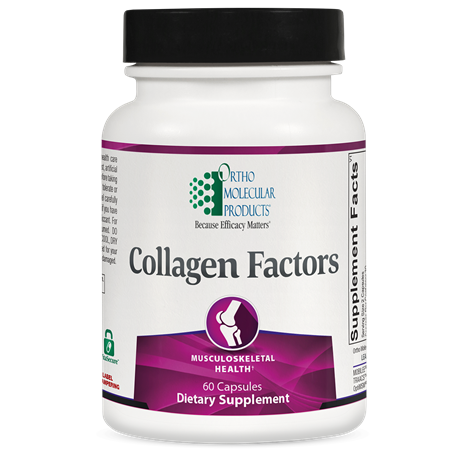
Collagen Factors
Ortho Molecular Products
60 capsules
$47.23$42.55 with Subscribe & Save
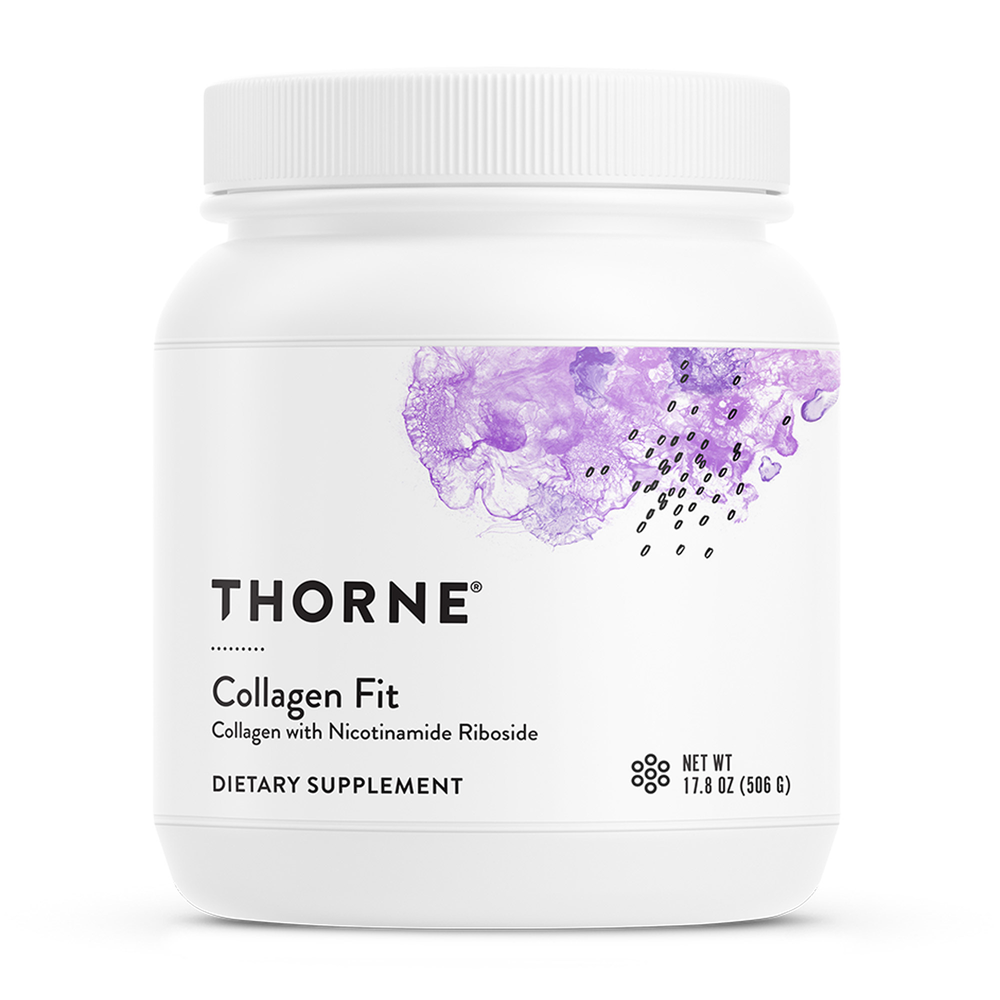
Collagen Fit
Thorne
506 grams
$56.00$50.40 with Subscribe & Save