 Instalab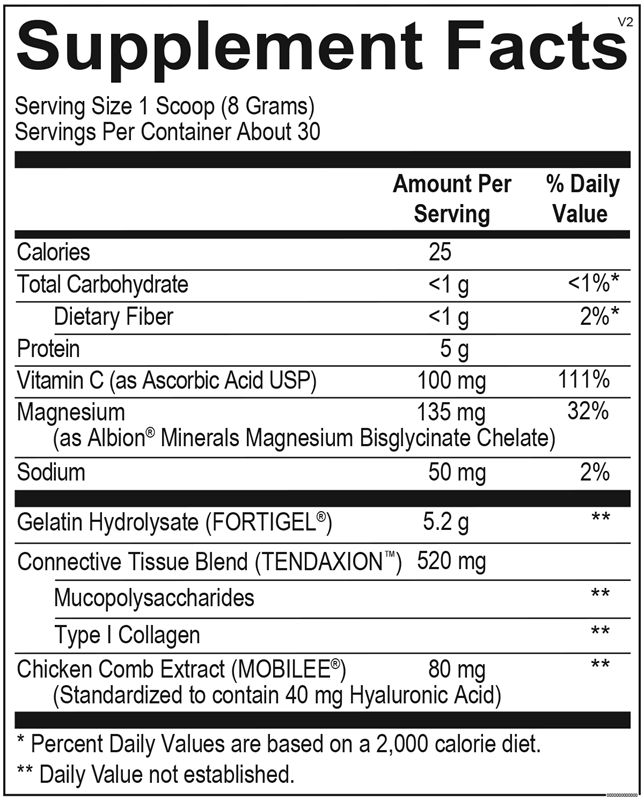

Ortho Molecular Products
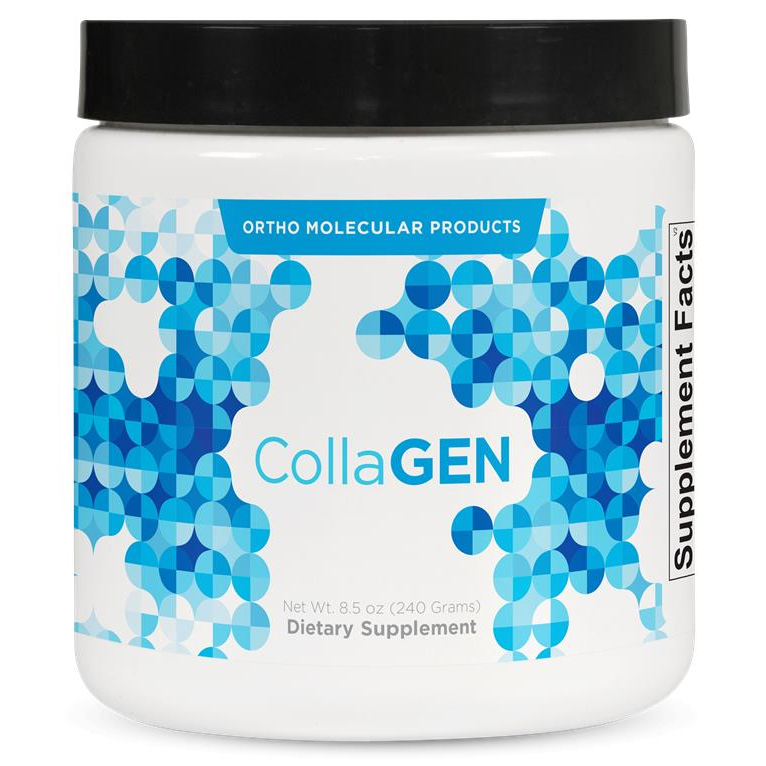
CollaGEN by Ortho Molecular Products
240 grams · 30-day supply
Support Healthy Joints, Skin, and Connective Tissue with Bioactive Collagen$81.64
Purchase options
Practitioner-grade brand3rd-party testedFree shipping $50+
Gluten Free·Corn Free·Yeast Free·Artificial Color Free·Artificial Flavor Free
Ortho Molecular Products CollaGEN overview
Weekend runners with nagging knees, adults over 40 noticing morning stiffness, and anyone recovering from joint overuse are the people who actually feel collagen peptides. If your protein intake is light, or you’re post‑menopausal and seeing skin dryness and fine lines, this dose fits. No lab is required, but track how your knees feel on stairs and your skin hydration over 4 to 12 weeks. Vegans should skip—collagen comes from animal tissue.
FORTIGEL collagen peptides are short chains of amino acids that survive digestion enough to signal chondrocytes, the cells that maintain cartilage, to make more collagen and proteoglycans (the gel-like matrix that cushions joints). The TENDAXION mucopolysaccharides supply glycosaminoglycans, the water-holding components joints and skin use. MOBILEE provides hyaluronic acid, the lubricant that increases synovial fluid viscosity (joint “slipperiness”). Vitamin C is required for collagen cross-linking, and magnesium bisglycinate is gentle on the gut while supporting normal protein synthesis. In trials, daily collagen peptides reduced activity-related knee pain within 4 to 12 weeks and modestly improved skin elasticity by 8 to 12 weeks.
Mix one scoop in water, coffee, or a smoothie once per day; hot or cold is fine. Consistency matters more than timing. The scoop delivers about 5 g of bioactive collagen peptides, which matches the dose used in joint studies. If you’re aiming for broader protein goals, treat this as an add-on, not a meal replacement. Expect joint changes by week 4 to 8 and skin changes by week 8 to 12. Keep up usual hydration to get the most from the hyaluronic acid.
Poultry allergy: avoid, as the hyaluronic acid is from chicken comb. Strict vegetarians/vegans: this isn’t a fit. If you’re on tetracycline or quinolone antibiotics, or take levothyroxine, take this at least 4 hours apart—magnesium can reduce drug absorption. On a physician-prescribed low-protein diet for kidney disease or with recurrent calcium oxalate stones, discuss with your clinician first. The sodium here is modest, but if you’re on severe sodium restriction, account for it.
Frequently asked questions
How long do collagen peptides take to work for joints?
Most people notice less activity-related knee pain within 4 to 12 weeks of daily use. Consistency is key. If you feel nothing by 12 weeks, it’s reasonable to stop and reassess other drivers of pain.
Do collagen peptides help skin elasticity and hydration?
Yes, modestly. Trials show small improvements in skin elasticity and hydration at 8 to 12 weeks. Results are gradual and depend on overall protein intake, sun exposure, and skincare habits.
Can I take collagen peptides with coffee or food?
Yes. Heat doesn’t harm collagen peptides. Mix into coffee, tea, or smoothies, or stir into yogurt or oatmeal. Take it whenever you’ll remember it; timing isn’t critical.
Are there side effects from collagen peptides?
They’re generally well tolerated. A few people report mild bloating or fullness at first; splitting the scoop or adding more water usually helps. Allergic reactions are rare but possible with poultry sensitivity.
Do collagen peptides interact with medications?
Magnesium in the blend can bind some drugs. Separate by at least 4 hours from tetracyclines, quinolones, and levothyroxine. There are no known interactions with common pain relievers.
Is this collagen marine or bovine? Is it vegan?
It’s animal-derived (bovine collagen peptides) with hyaluronic acid from chicken comb. It is not vegan or vegetarian. There’s no shellfish content.
What dose of collagen peptides is effective?
Most joint studies use about 5 g per day of bioactive collagen peptides, which matches one scoop here. Higher doses aren’t clearly better; consistency over months is more important.
Will collagen peptides affect my labs like creatinine or hs-CRP?
At this dose, changes in creatinine are unlikely in people with normal kidney function. Collagen isn’t a reliable way to lower hs-CRP (an inflammation marker); use it for structural support, not systemic inflammation.
How to take it & ingredients
Suggested use: 1 scoop (8 grams) in 8 oz of water or the beverage of your choice per day or as recommended by your health care professional. Can also be added to food and baking products.
Active ingredients
1 scoop = 8 grams per serving · 30 servings
Gelatin Hydrolysate
FORTIGEL® Bioactive Collagen Peptides
FORTIGEL® Bioactive Collagen Peptides
-
Connective Tissue Blend
TENDAXION™ Mucopolysaccharides
TENDAXION™ Mucopolysaccharides
520 mg
Chicken Comb Extract
MOBILEE® (standardized to contain 40 mg Hyaluronic Acid)
MOBILEE® (standardized to contain 40 mg Hyaluronic Acid)
80 mg
Vitamin C
Ascorbic Acid USP
Ascorbic Acid USP
100 mg
Magnesium
Magnesium Bisglycinate Chelate
Magnesium Bisglycinate Chelate
135 mg
Protein
5 g
Sodium
-
Certifications
Benefits
Warnings
Customers also considered
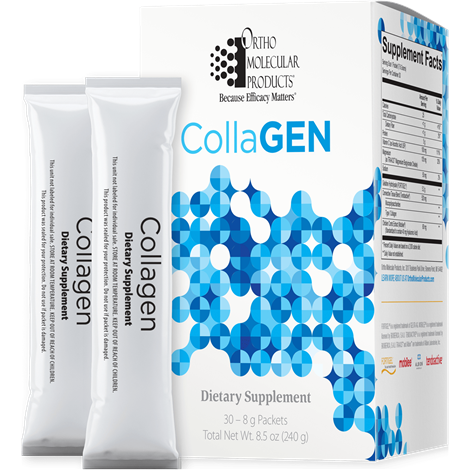
CollaGEN Stick Packs
Ortho Molecular Products
30 packets
$106.84$96.25 with Subscribe & Save
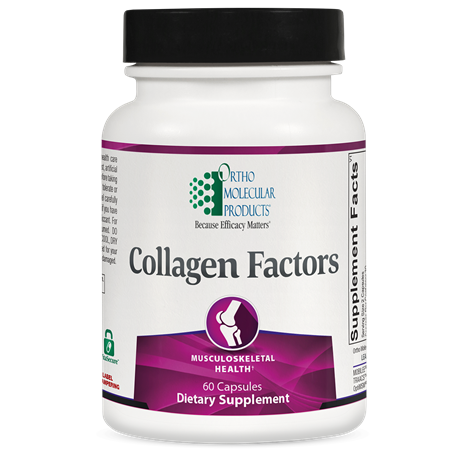
Collagen Factors
Ortho Molecular Products
60 capsules
$47.23$42.55 with Subscribe & Save
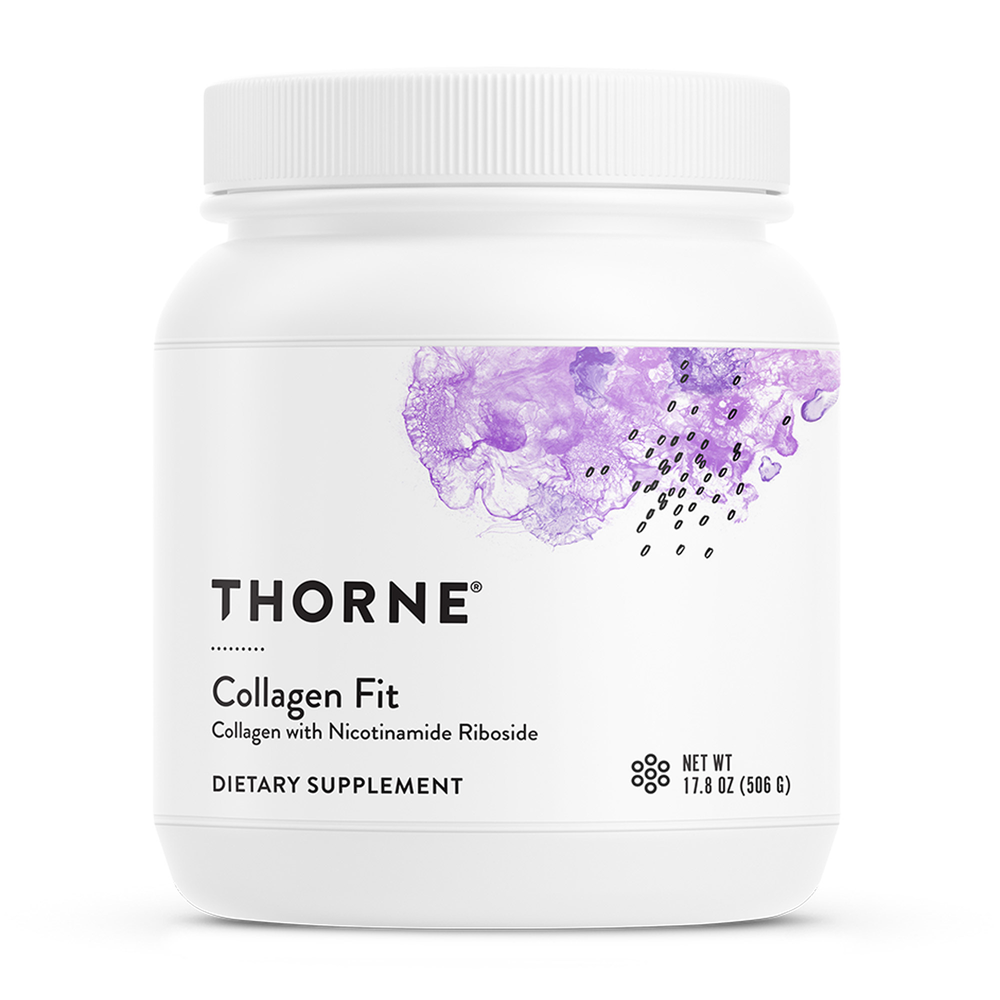
Collagen Fit
Thorne
506 grams
$56.00$50.40 with Subscribe & Save
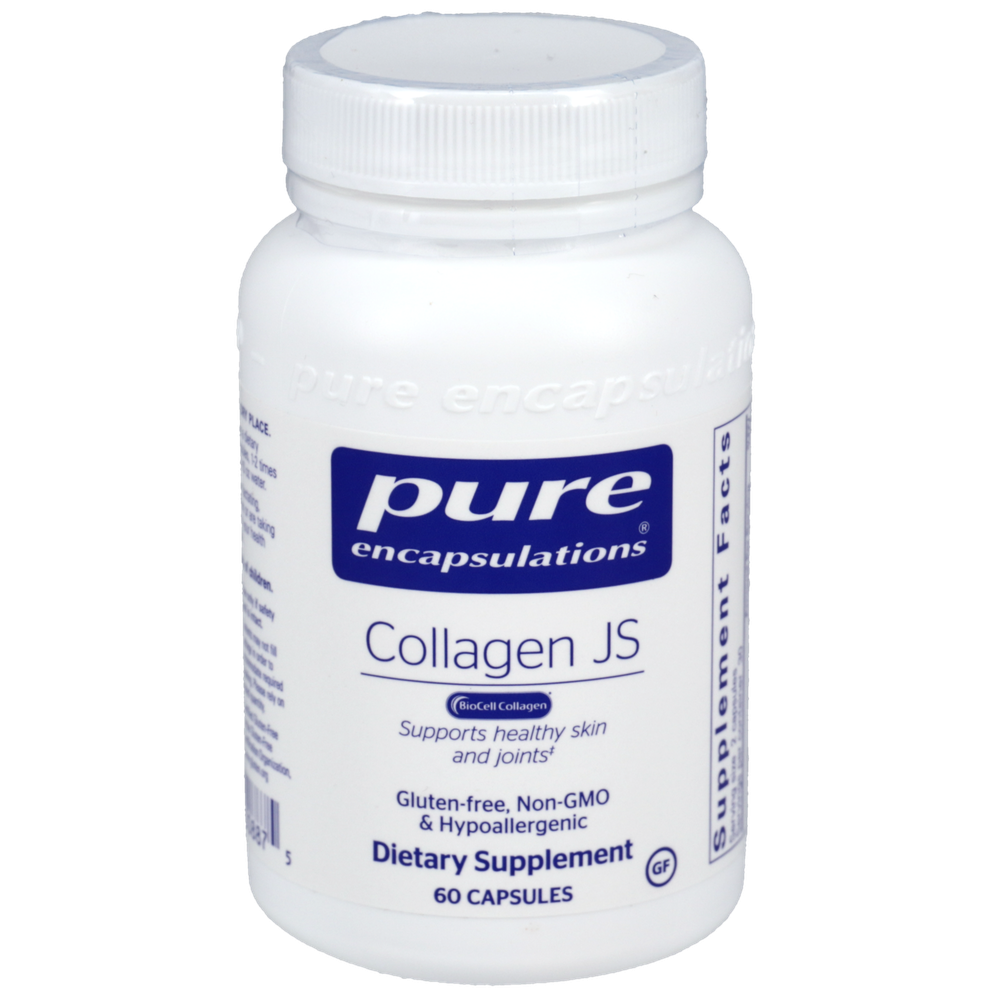
Collagen JS
Pure Encapsulations
60 capsules
$46.50$36.99 with Subscribe & Save