 Instalab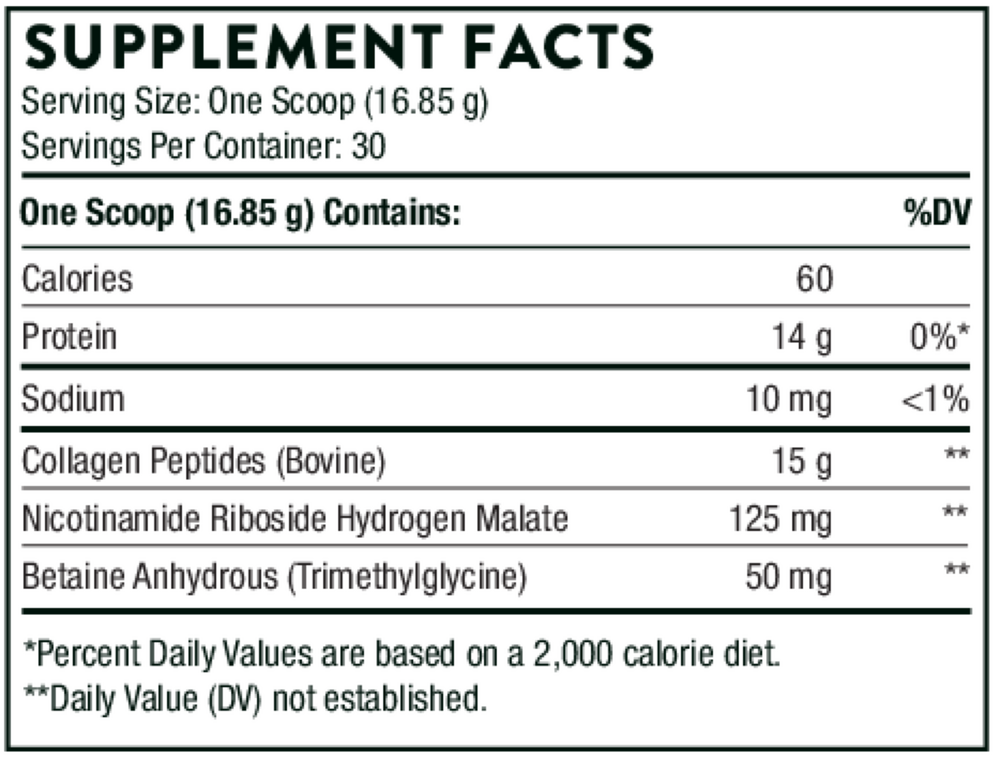


Thorne
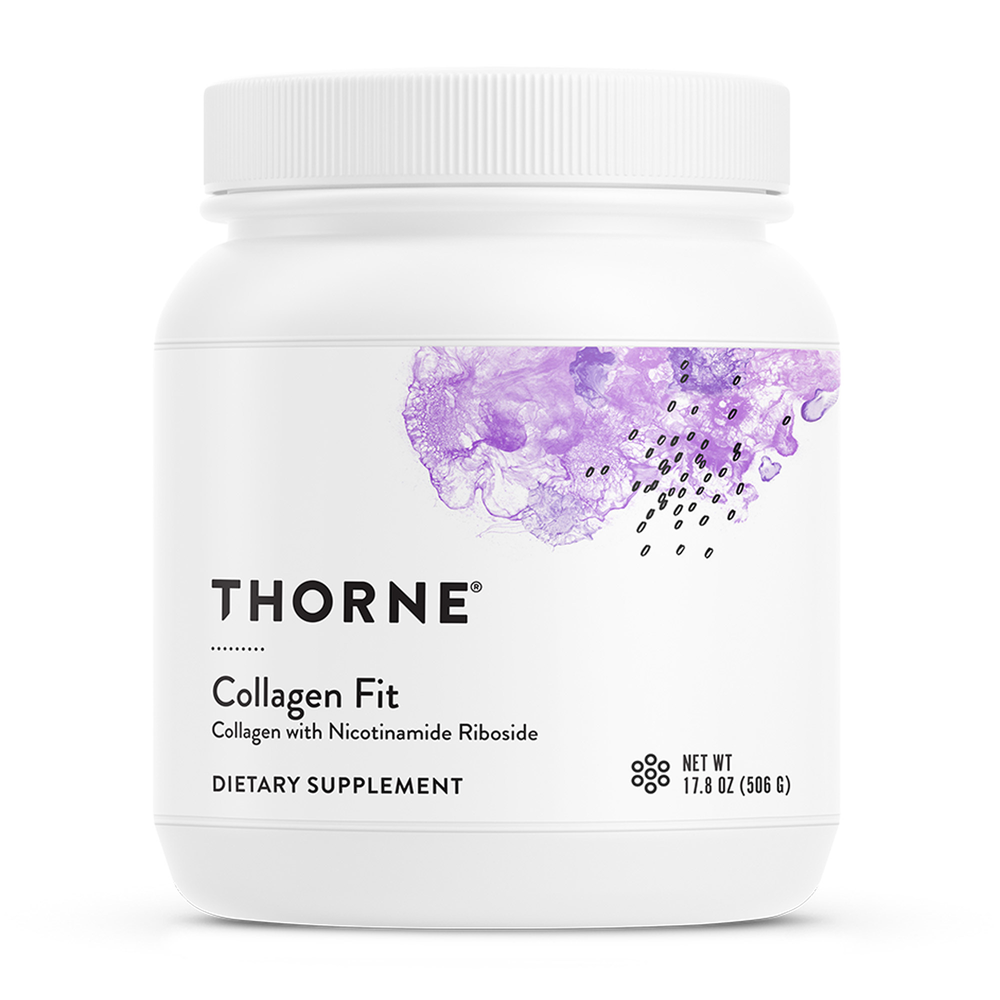
Collagen Fit by Thorne
506 grams
Support Skin Elasticity, Joint Health, and Cellular Energy$56.00
Purchase options
Practitioner-grade brand3rd-party testedFree shipping $50+
Gluten Free
Thorne Collagen Fit overview
If you train regularly and your knees, tendons, or shoulders feel beat up, collagen peptides are a practical daily add-on. The 15 g dose aligns with studies in active adults who saw better joint comfort and tendon rehab within 8–12 weeks. It also fits if you’re in your 30s or beyond and want skin firmness support, or if you rarely eat collagen-rich foods like skin and bones. The nicotinamide riboside helps cellular energy, but the collagen does the heavy lifting here.
Hydrolyzed collagen peptides deliver glycine, proline, and hydroxyproline, the exact amino acids your fibroblasts (collagen‑building cells) need to repair tendons, ligaments, and skin. They also trigger these cells to lay down new collagen. Nicotinamide riboside is a precursor to NAD+ (a helper molecule that lets mitochondria, the cell’s power plants, turn food into energy), and human trials show it raises blood NAD+ within 2–4 weeks. Betaine donates methyl groups (chemical tags used in methylation, the body’s on/off switches), which can lower homocysteine (an amino‑acid‑like compound tied to cardiovascular risk) at higher doses than used here.
Mix one scoop in water or a smoothie daily. For joints and tendons, pair it with 50–200 mg vitamin C, and take it 30–60 minutes before rehab or training so the amino acids peak when tissues are loaded. This is a clinically used collagen dose; the nicotinamide riboside here is a light, maintenance add. If you’re targeting energy with NR specifically, standalone doses of 300–500 mg are what most studies use.
Avoid if you have a beef or bovine allergy. Pregnancy and breastfeeding: collagen is widely used, but nicotinamide riboside lacks robust safety data—check with your clinician. If you’re watching Homocysteine, know that the 50 mg of betaine is too low to move that marker. For inflammatory flares, collagen isn’t an anti‑inflammatory; track hs-CRP (a blood marker of inflammation) with your clinician if that’s your goal.
Expect joint comfort and skin changes gradually, not overnight. Most responders notice differences after 8–12 weeks of steady use. Collagen isn’t a complete protein, so don’t count it as your only protein source. If you’re already taking fish oil or turmeric for soreness, you can combine them—collagen works on tissue building, not the same pathways.
Frequently asked questions
How long do collagen peptides take to work for joints?
Most active adults who respond notice joint comfort improvements within 8–12 weeks. Tendon rehab protocols often use daily collagen plus vitamin C before loading. Stay consistent; this works by building tissue, which is slower than pain relievers.
Do I need vitamin C with collagen powder?
It helps. Vitamin C is a cofactor your body uses to cross‑link new collagen. Taking 50–200 mg with your collagen, especially before rehab or training, is a simple way to support synthesis.
Is nicotinamide riboside safe to take daily?
At common doses, nicotinamide riboside is generally well tolerated. It raises NAD+ in 2–4 weeks. Mild nausea or flushing are uncommon. Data in pregnancy and breastfeeding are limited, so check with your clinician.
Will this lower my homocysteine?
Unlikely at this betaine dose. Studies that lower homocysteine use hundreds of milligrams to grams daily. The 50 mg here is too small to shift the Homocysteine lab marker meaningfully.
Can I take collagen peptides with coffee?
Yes. Heat doesn’t harm hydrolyzed collagen, so coffee or tea are fine. If you’re using collagen for tendon or ligament goals, timing it 30–60 minutes before training is more important than the beverage.
Is collagen a complete protein?
No. Collagen lacks tryptophan and is low in several essential amino acids, so don’t rely on it as your sole protein. Keep your regular protein intake and use collagen as a targeted add‑on for connective tissues and skin.
Does collagen help skin elasticity?
In several trials, daily collagen peptides improved skin elasticity and hydration over 8–12 weeks. The effect is modest but real, and it builds with continued use. It won’t replace sunscreen or retinoids—think of it as internal scaffolding.
How to take it & ingredients
Suggested use: Mix 1 scoop with at least 8-12 ounces of water or preferred beverage daily, or as recommended by your health-care practitioner.
Active ingredients
1 scoop per serving
Collagen Peptides
Bovine
Bovine
15 g
Nicotinamide Riboside
Nicotinamide Riboside Hydrogen Malate
Nicotinamide Riboside Hydrogen Malate
125 mg
Betaine
Betaine Anhydrous (Trimethylglycine)
Betaine Anhydrous (Trimethylglycine)
50 mg
Certifications
Benefits
Warnings
Customers also considered
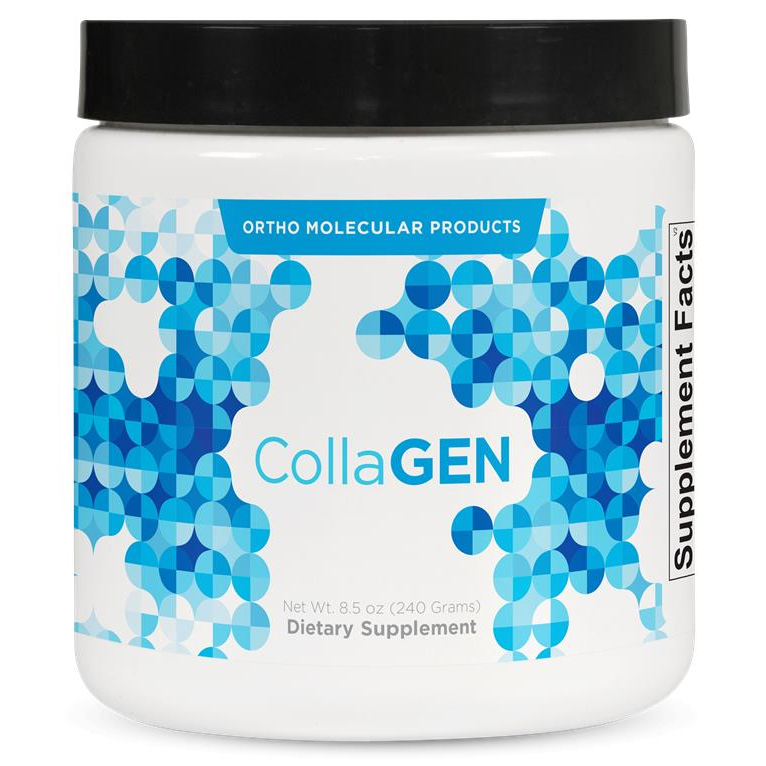
CollaGEN
Ortho Molecular Products
240 grams
$81.64$73.55 with Subscribe & Save
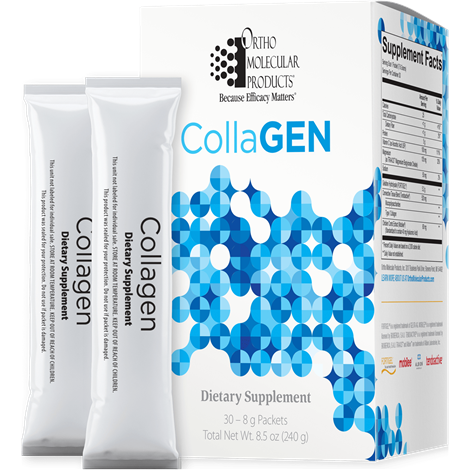
CollaGEN Stick Packs
Ortho Molecular Products
30 packets
$106.84$96.25 with Subscribe & Save
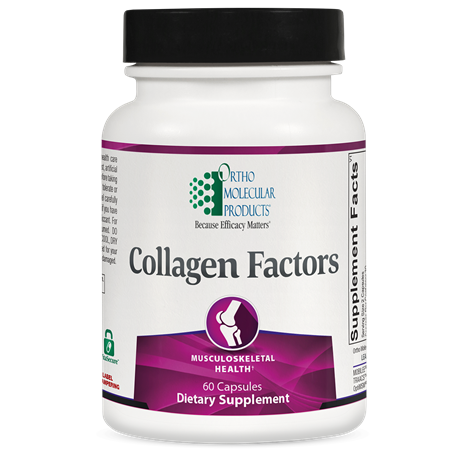
Collagen Factors
Ortho Molecular Products
60 capsules
$47.23$42.55 with Subscribe & Save
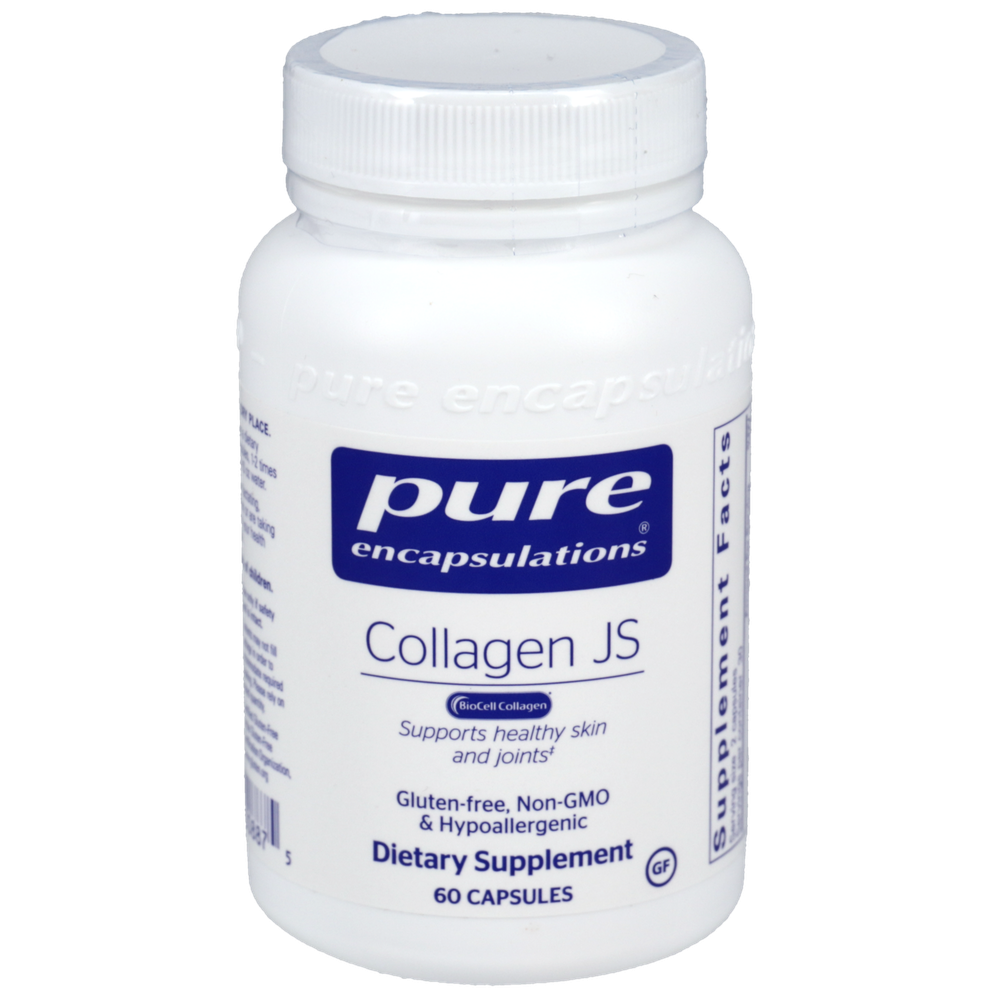
Collagen JS
Pure Encapsulations
60 capsules
$46.50$36.99 with Subscribe & Save