 Instalab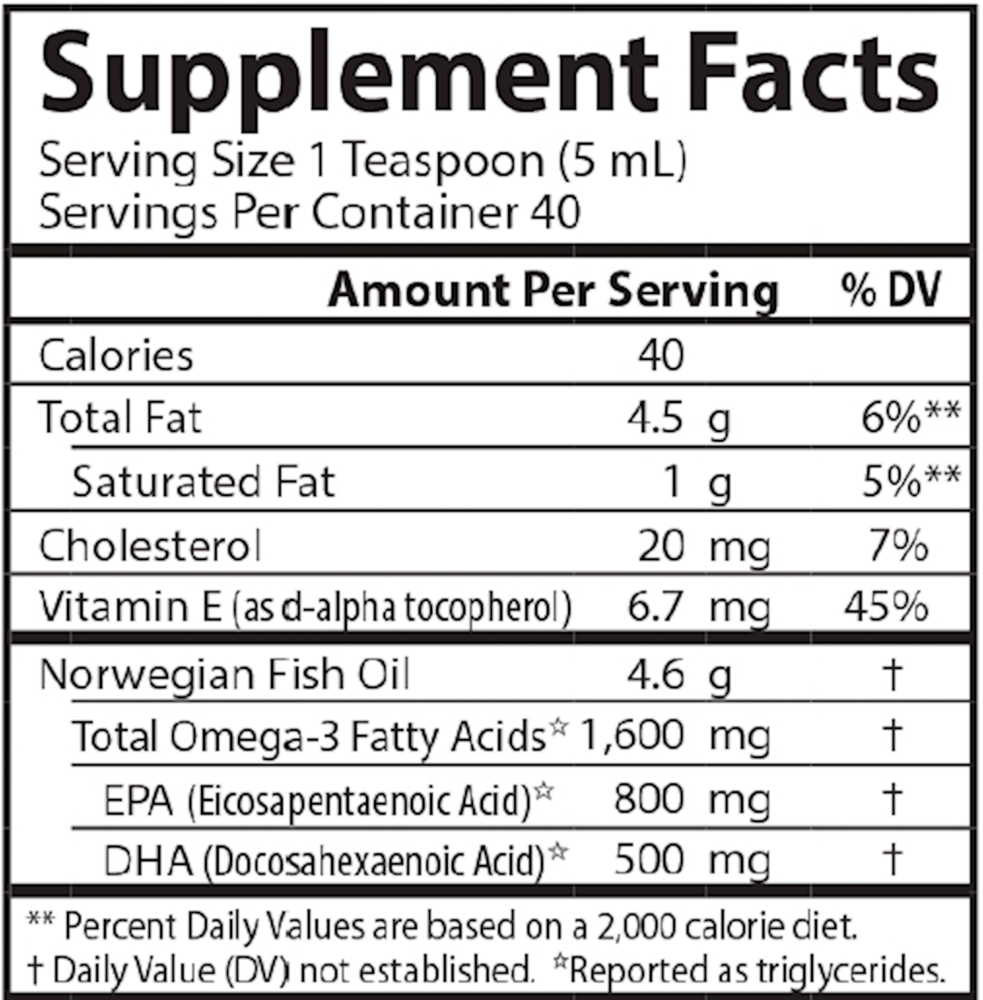

Carlson
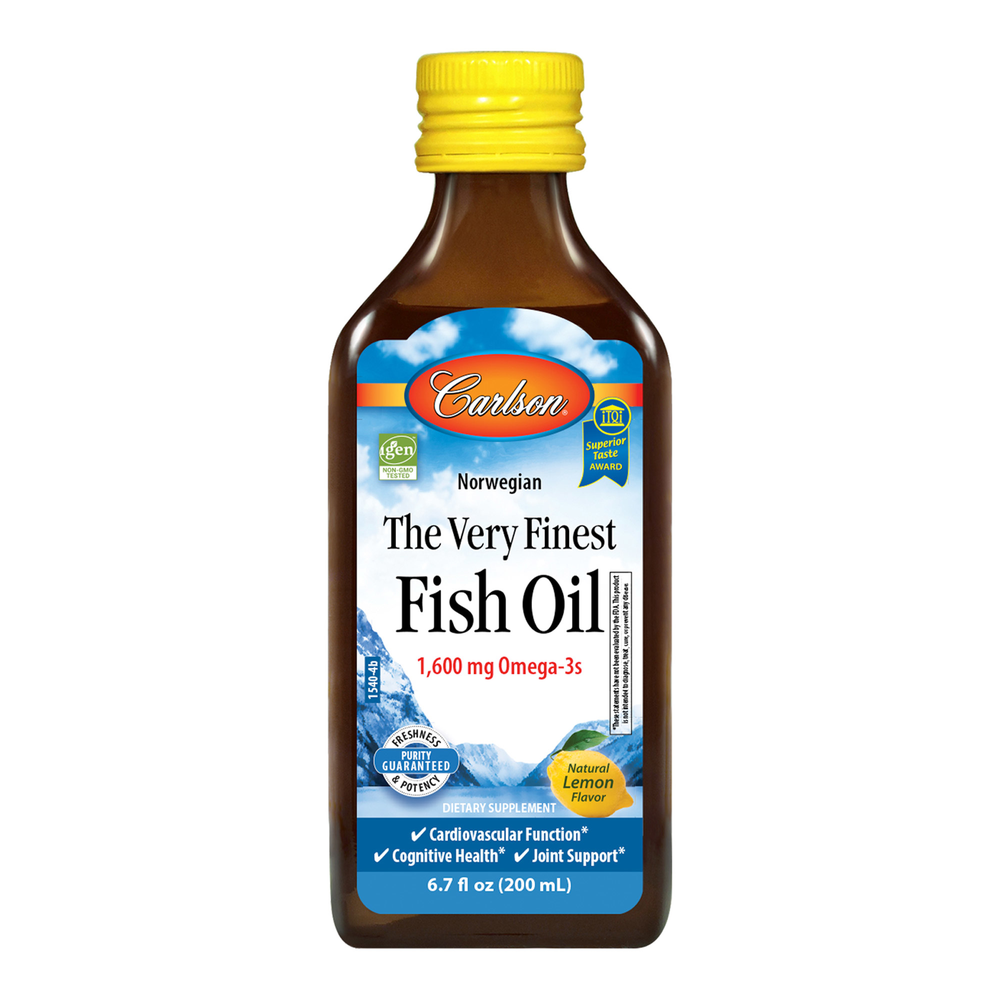
The Very Finest Fish Oil Liquid by Carlson
200 milliliters · 40-day supply
Premium Omega-3s for Heart, Brain, and Joint Health$28.99
This item is currently out of stockGet notified when this item is back in stock
Practitioner-grade brand3rd-party testedFree shipping $50+
Gluten Free·Preservative Free
Carlson The Very Finest Fish Oil Liquid overview
If you’re looking for fish oil for high triglycerides, this liquid makes sense when your lipid panel runs high and your seafood intake is low. One teaspoon provides 1,600 mg of omega‑3s (EPA and DHA), and taking one to two teaspoons daily puts most adults in the range used to lower triglycerides. It also fits those with a low Omega-3 Index who want a measurable rise within a few months. For pregnancy planning, steady DHA intake matters, but triglyceride reduction usually needs the higher end of the dose.
EPA and DHA reduce how much fat your liver exports in VLDL particles (the form your liver packages fat into for transport), and they nudge cells to burn fatty acids for energy. The result is a 20–30% triglyceride drop in most responders within 4 to 12 weeks. They also shift cell-membrane signaling toward fewer inflammatory eicosanoids (short‑lived chemical messengers), which ties to modest reductions in hs-CRP (a blood marker of inflammation) in some people.
Take one teaspoon once or twice daily with meals, ideally with fat for absorption. If you’re targeting triglycerides, most adults need two teaspoons total per day; for maintenance of a healthy Omega-3 Index, one teaspoon is often enough. If you’re sensitive to fishy burps, start with half a teaspoon and build up over a week, or split doses with meals. Consistency matters—retest triglycerides and the Omega-3 Index after 8–12 weeks.
Fish oil can slightly increase bleeding tendency, so use caution with anticoagulants (blood thinners like warfarin) or antiplatelet drugs (aspirin, clopidogrel), and pause before elective procedures if your surgeon asks. In people with very high triglycerides, LDL-C or ApoB (measures of atherogenic particles) sometimes rise—check your next lipid panel. If you have a history of atrial fibrillation (irregular heartbeat), use higher doses only with clinician guidance.
Liquid fish oil is absorbed as well as softgels, and it’s easier to reach higher intakes without swallowing many capsules. The lemon flavor helps with taste; taking it mid‑meal further cuts burps. Quality fish oils are purified for heavy metals; if you’re concerned, look for third‑party testing and confirm with an hs-CRP or Omega-3 Index recheck to see it’s doing what you want.
Frequently asked questions
How long does fish oil take to lower triglycerides?
Most responders see triglycerides fall within 4–12 weeks at a total intake of about 2–4 grams of EPA+DHA per day. Recheck a lipid panel after 8–12 weeks and adjust dose or diet based on the change.
What’s the right fish oil dose for high triglycerides?
Therapeutic dosing typically lands around 2–4 grams of EPA+DHA daily. This liquid provides 1,600 mg total omega‑3s per teaspoon, so one to two teaspoons daily gets many adults close to that range.
Does fish oil raise LDL cholesterol?
In people with high triglycerides, LDL-C or ApoB can rise slightly even as triglycerides fall. The net cardiovascular risk often still improves, but it’s worth monitoring your next lipid panel.
Does fish oil thin your blood?
It has a mild anti‑platelet effect, which can increase bruising or bleeding in some people. Be cautious with warfarin, apixaban, rivaroxaban, aspirin, or clopidogrel, and inform your clinician before procedures.
Is liquid fish oil as good as softgels?
Yes. Absorption is comparable, and liquid makes higher doses simpler. Taking it with meals reduces fishy aftertaste. If taste is an issue, chill the bottle and use right before eating.
Can I take fish oil with statins?
Yes. Fish oil and statins are often combined—statins lower LDL-C, fish oil targets triglycerides. Check lipids after 8–12 weeks to see the combined effect on triglycerides, LDL-C, and ApoB.
Is fish oil safe during pregnancy?
A purified fish oil is commonly used to provide DHA for fetal brain and eye development. Keep doses moderate unless advised otherwise, and review any supplement plan with your obstetric clinician.
What labs should I track while taking fish oil?
Track a lipid panel (triglycerides, LDL-C), ApoB if available, and consider an Omega-3 Index to confirm tissue levels. hs-CRP can show whether inflammation meaningfully changes for you.
How to take it & ingredients
Suggested use: Adults take one teaspoon once or twice daily at mealtime.
Active ingredients
1 teaspoon = 5 mL per serving · 40 servings
Vitamin E
D-alpha tocopherol
D-alpha tocopherol
6.7 mg
▼
Total Omega-3 Fatty Acids
1600 mg
EPA
Eicosapentaenoic acid
Eicosapentaenoic acid
800 mg
DHA
Docosahexaenoic acid
Docosahexaenoic acid
500 mg
Other ingredients: Natural flavors, Antioxidant blend (natural mixed tocopherols, rosemary extract)
Certifications
Benefits
Warnings
Customers also considered
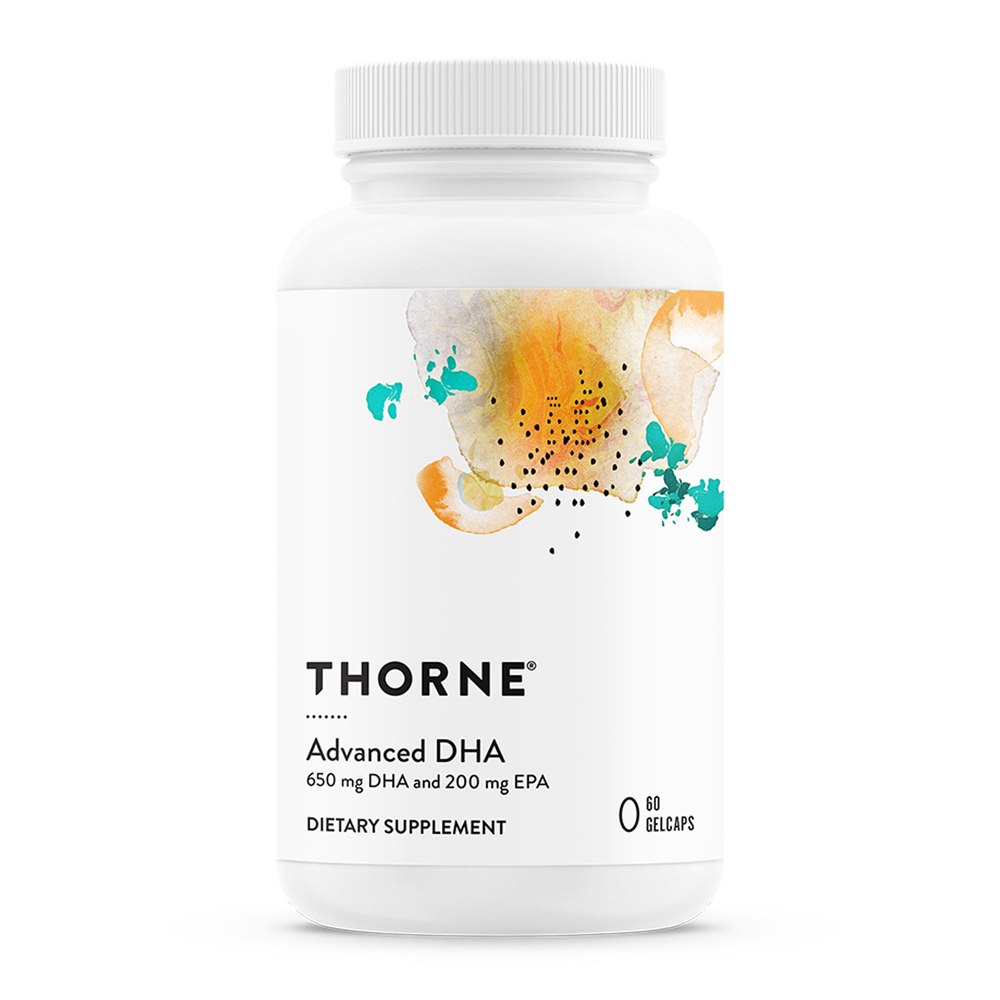
Advanced DHA
Thorne
60 gelcaps
$30.00$27.00 with Subscribe & Save
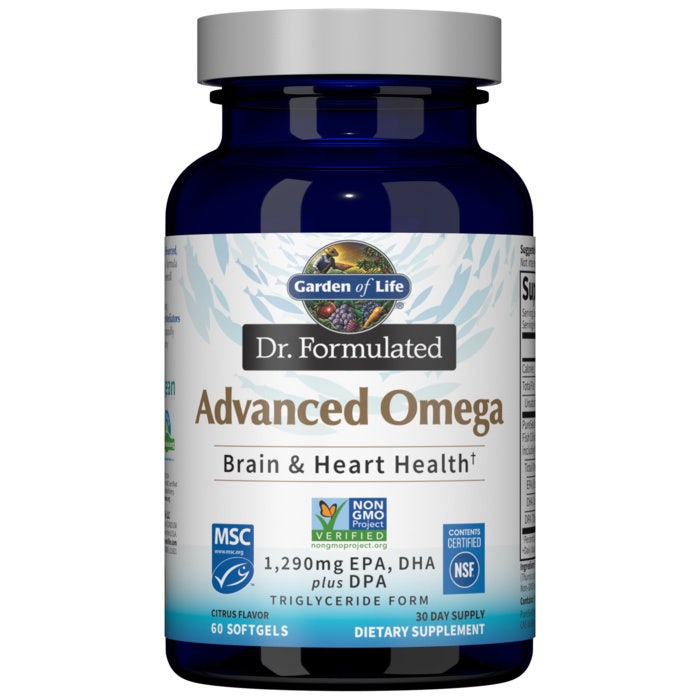
Dr. Formulated Advanced Omega
Garden of Life
60 softgels
$31.99$25.99 with Subscribe & Save
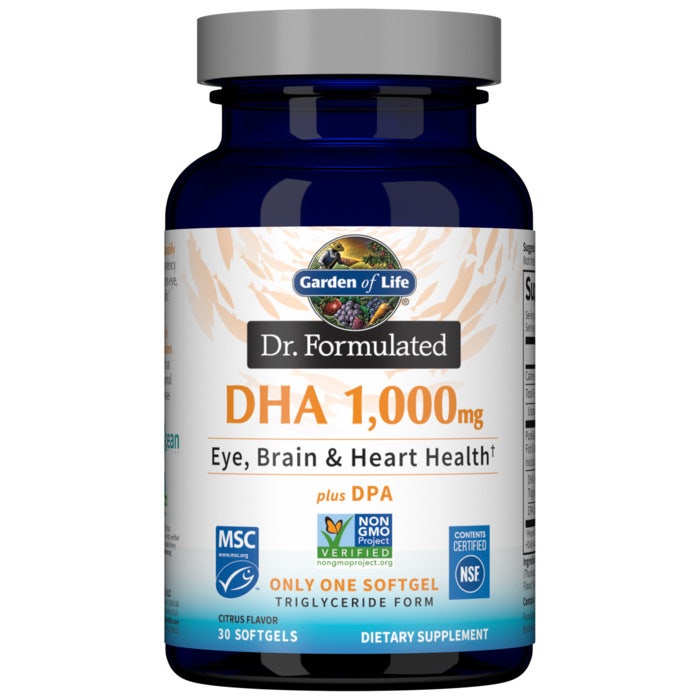
Dr. Formulated DHA 1g
Garden of Life
30 softgels
$31.99$25.99 with Subscribe & Save

Dr. Formulated Prenatal DHA
Garden of Life
30 softgels
$29.99$23.99 with Subscribe & Save