 Instalab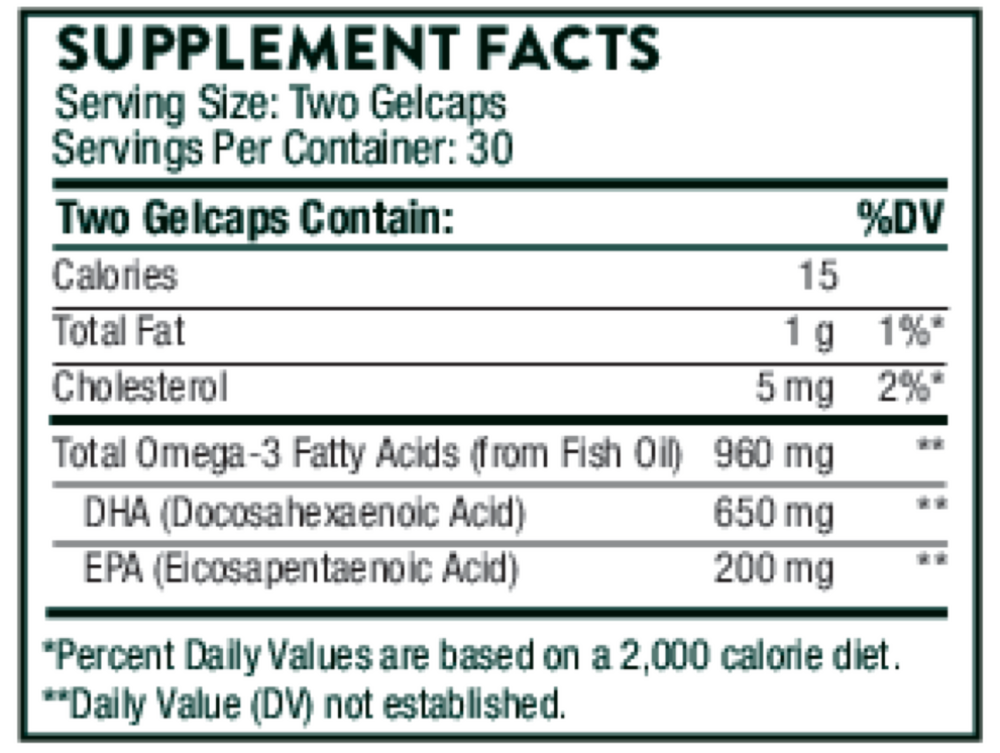

Thorne
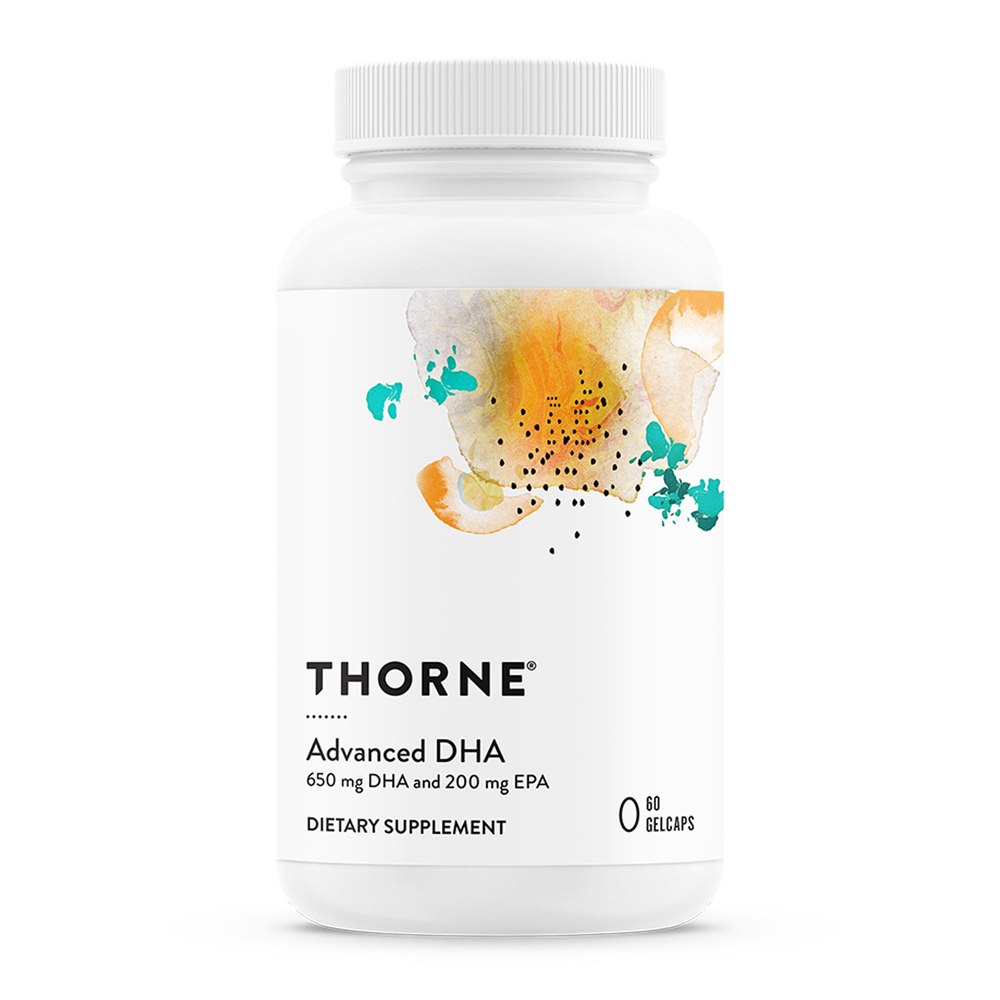
Advanced DHA 960 mg by Thorne
60 gelcaps · 30-day supply
High-Potency Omega-3s for Heart, Brain, and Joint Health$30.00
Purchase options
Practitioner-grade brand3rd-party testedFree shipping $50+
Gluten Free·Soy Free·Dairy Free·Egg Free
Thorne Advanced DHA overview
If your priority is brain, mood, or vision, a high DHA fish oil is the right tool. DHA concentrates in the brain and retina, so it’s a better match than EPA‑heavy oils for knowledge workers, students during intense focus periods, and adults who notice mental fatigue when seafood intake is low. It also fits pregnancy planning when fish intake is limited. If your Omega-3 Index (the percent of EPA+DHA in red blood cells) is in the lower range, this is a practical maintenance step.
DHA embeds in nerve and retinal cell membranes, making them more fluid and efficient at signaling. EPA and DHA also shift the body’s signaling molecules away from pro‑inflammatory ones, which is why some people see small drops in hs-CRP (a blood marker of inflammation). For blood lipids, EPA+DHA together reduce how much fat the liver exports as triglycerides, but that effect typically needs multi‑gram dosing.
Take two gelcaps daily with a meal that includes fat, which improves absorption and cuts down fishy burps. Most people take the full amount once daily; splitting with breakfast and dinner is equally effective. Expect your Omega-3 Index to rise within 4 to 12 weeks. This 960 mg total omega-3 is a maintenance dose; repletion from very low levels can require higher daily amounts under clinician guidance.
If your main goal is lowering elevated triglycerides, this dose is usually too low; look for 2–4 grams per day of combined EPA+DHA or discuss prescription EPA with your clinician. Strict vegans may prefer algal DHA. Skip or get clearance if you have a fish or shellfish allergy, a bleeding disorder, or you’re on blood thinners, since high omega-3 intakes can increase bruising in some people.
Frequently asked questions
Is high DHA fish oil better for the brain than EPA?
Yes for brain and vision needs, DHA is the workhorse. It’s the dominant omega-3 in brain and retinal membranes. EPA still matters for whole‑body signaling, but DHA‑dominant formulas are the usual pick for cognition and eye health.
How long does fish oil take to work?
For tissue levels, plan on 4–12 weeks to see a rise in your Omega-3 Index. Subjective changes like fewer eye‑strain headaches or steadier focus, if they occur, are usually noticed within 2–8 weeks of consistent daily use.
Does fish oil thin your blood?
At typical supplement doses, it modestly reduces platelet stickiness. Most healthy adults do fine, but if you bruise easily, have a bleeding disorder, or take anticoagulants or high‑dose aspirin, talk to your clinician before starting.
Can I take fish oil in pregnancy?
Generally yes, and DHA is often encouraged for fetal brain and eye development. Choose a purified product and review the dose with your obstetric clinician, especially if you also take a prenatal with DHA.
Will this lower my triglycerides?
Not reliably at this dose. Triglyceride reduction typically requires 2–4 grams per day of EPA+DHA, or prescription‑strength EPA. Use a fasting lipid panel to track changes after 8–12 weeks if that’s your goal.
How do I avoid fishy burps from fish oil?
Take it with a meal that contains fat, don’t take it right before lying down, and consider refrigerating the bottle. If you’re very sensitive, try splitting the dose or switching to enteric‑coated softgels.
Which labs should I check with omega-3?
The Omega-3 Index is the most direct way to track EPA+DHA status. If you’re targeting lipids or inflammation, also follow triglycerides on a lipid panel and hs-CRP to see if you’re a responder.
Can I open the softgel and mix the oil with food?
You can, but the taste is fishy. If swallowing softgels is hard, pierce and mix with yogurt or a smoothie and consume promptly to minimize aftertaste.
How to take it & ingredients
Suggested use: Take 2 gelcaps daily or as recommended by your health care practitioner.
Active ingredients
2 gelcaps per serving · 30 servings
▼
Total Omega 3 Fatty Acids
960 mg
Docosahexaenoic Acid
650 mg
Eicosapentaenoic Acid
200 mg
Other ingredients: Antioxidant Blend (Vitamin E mixed tocopherols and Rosemary Extract), Gelatin (Bovine), Glycerin (Vegetable Source), Mint Flavor, Purified Water Gelcap
Certifications
Benefits
Warnings
Customers also considered
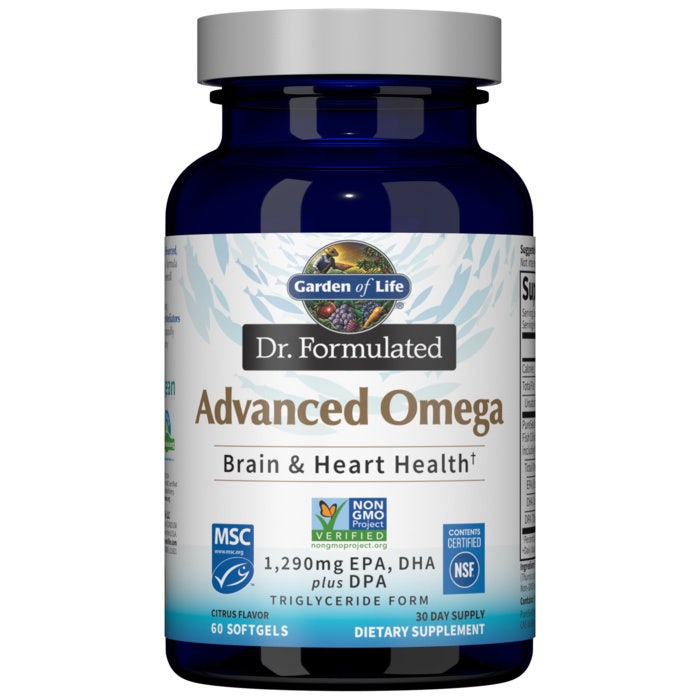
Dr. Formulated Advanced Omega
Garden of Life
60 softgels
$31.99$25.99 with Subscribe & Save
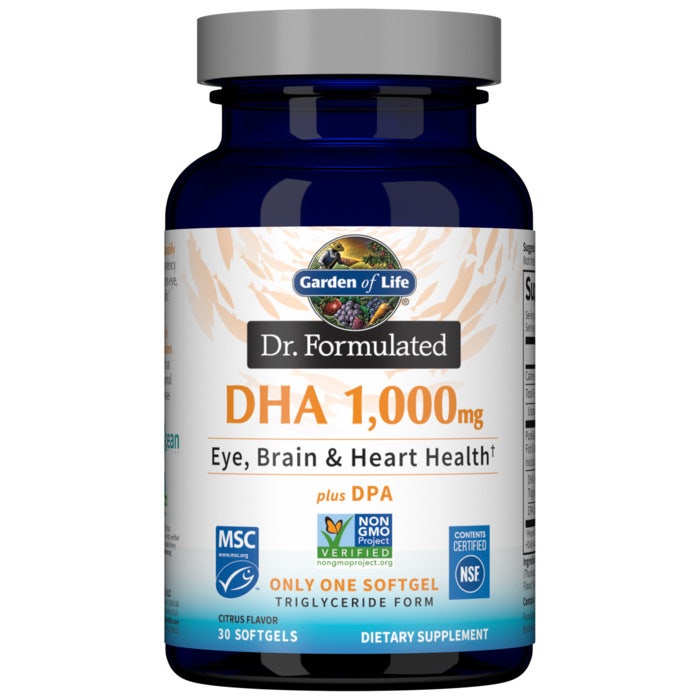
Dr. Formulated DHA 1g
Garden of Life
30 softgels
$31.99$25.99 with Subscribe & Save
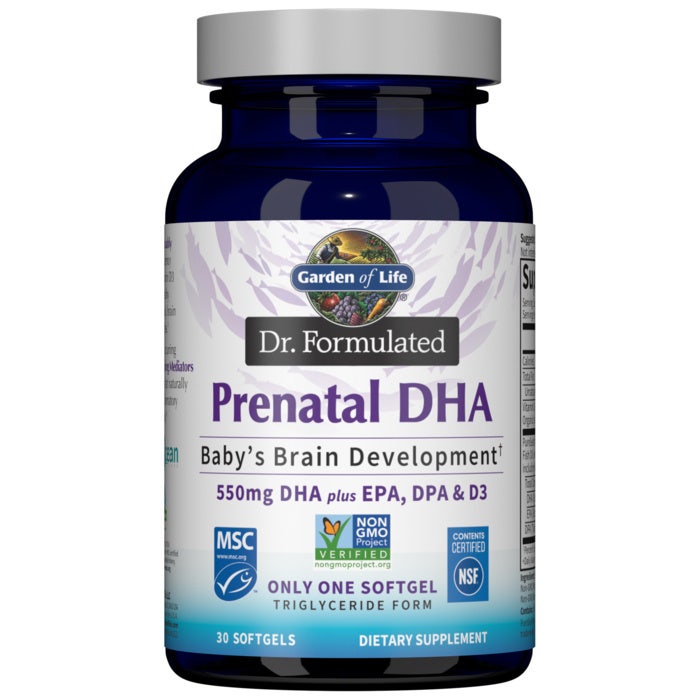
Dr. Formulated Prenatal DHA
Garden of Life
30 softgels
$29.99$23.99 with Subscribe & Save
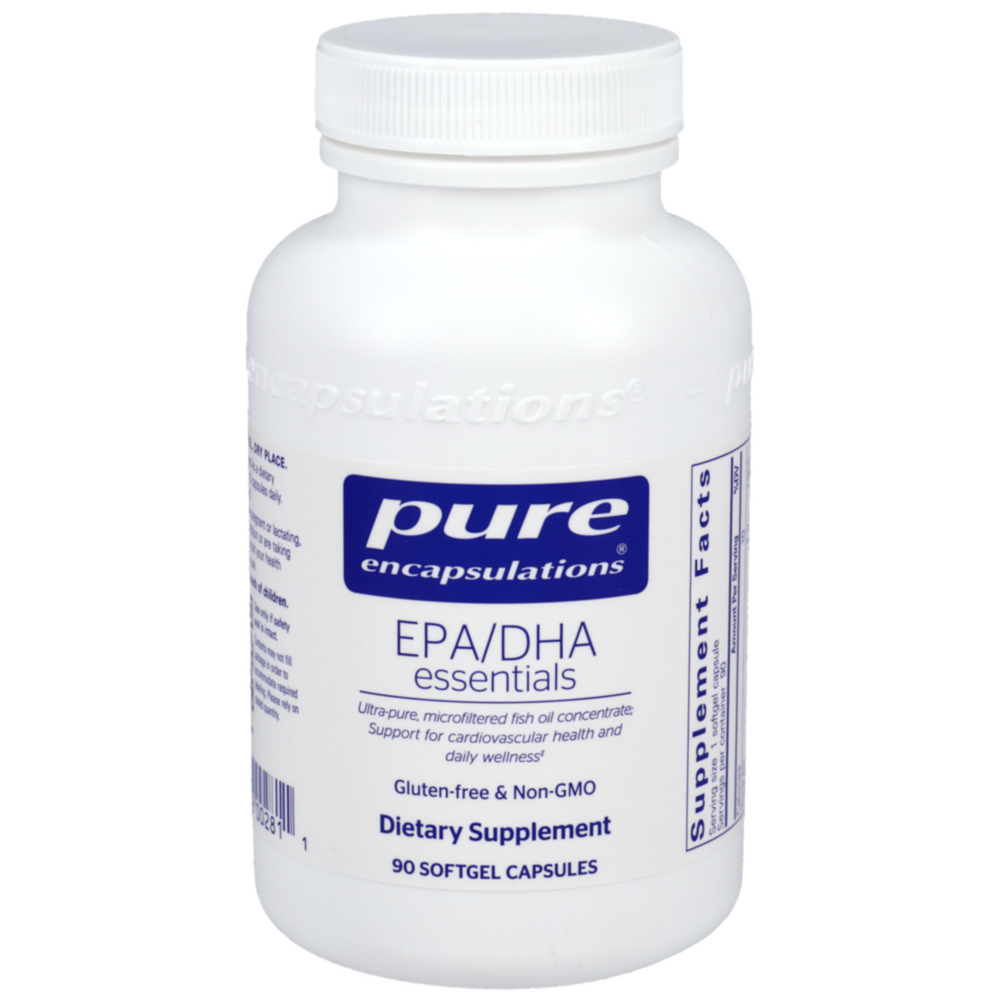
EPA/DHA Essentials
Pure Encapsulations
90 softgels
$41.50$32.99 with Subscribe & Save