 Instalab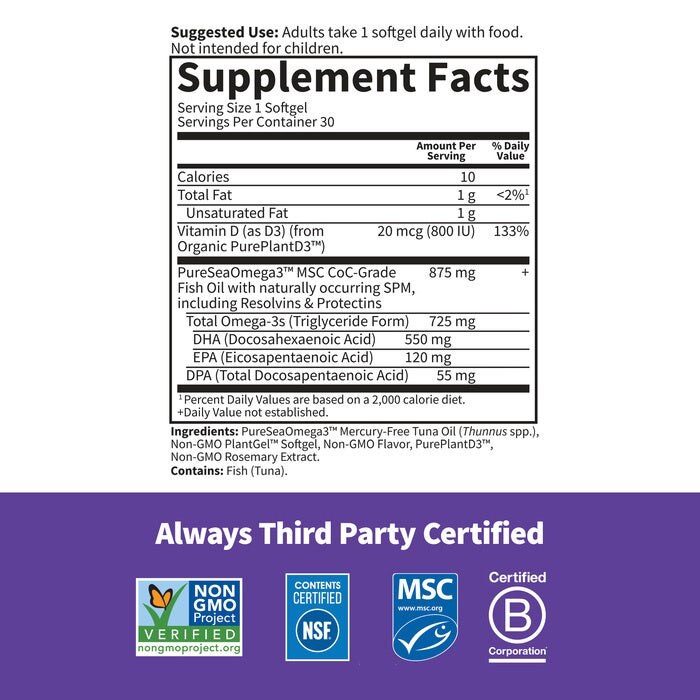

Garden of Life
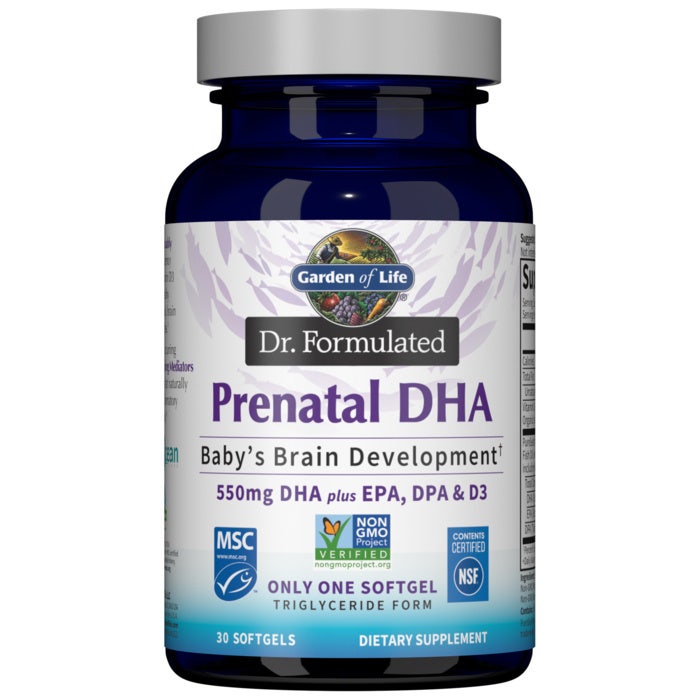
Dr. Formulated Prenatal DHA by Garden of Life
30 softgels · 30-day supply
Essential DHA & Vitamin D3 for Healthy Pregnancy Support$29.99
Purchase options
Practitioner-grade brand3rd-party testedFree shipping $50+
Gluten Free·Soy Free·Dairy Free·Crustacean Shellfish Free
Garden of Life Dr. Formulated Prenatal DHA overview
If you’re pregnant, planning to be, or breastfeeding and don’t eat low‑mercury seafood 2–3 times a week, prenatal DHA is one of the few add-ons that consistently matters. This softgel delivers 550 mg DHA with added EPA and 20 mcg vitamin D3, a practical dose for raising your Omega-3 Index and shoring up Vitamin D, 25-Hydroxy within 4 to 12 weeks. It’s a strong fit for those with low seafood intake, darker-skinned adults at northern latitudes, and anyone whose prenatal vitamin lacks meaningful DHA.
DHA (the omega-3 your baby’s brain and retina build with) is a structural fat that accumulates rapidly in the third trimester and during lactation. EPA (the other long‑chain omega-3) helps the mother by improving how fats are handled in the liver and by shaping cell signaling that regulates inflammation; that’s why trials often combine them. In practice, higher DHA intake raises maternal and cord blood omega‑3s and has been linked to lower risk of early preterm birth in several studies, especially when baseline intake is low. The triglyceride form here is well absorbed with food, and the included D3 (cholecalciferol, the form your skin makes) helps maintain Vitamin D status.
Take one softgel daily with a meal that has some fat, which improves omega‑3 absorption and reduces fishy burps. Starting preconception or by the first trimester gives time for red blood cells to incorporate DHA; expect changes in the Omega-3 Index within 8 to 12 weeks. If your triglycerides are elevated and you’re targeting a reduction, this amount is maintenance-level; triglyceride lowering typically needs higher combined EPA+DHA under clinician guidance.
This fish oil is purified and sourced from wild‑caught tuna, and reputable products are distilled to remove mercury; use brands that publish contaminant testing if you’re concerned. Fish oil has a mild blood‑thinning effect; if you’re on prescription anticoagulants or high‑dose aspirin, clear it with your clinician. Skip if you have a fish allergy. Vegans should choose an algal DHA instead, then pair with a separate vitamin D3 if their Vitamin D, 25‑Hydroxy is low.
Frequently asked questions
How much prenatal DHA do I need daily?
Most guidelines suggest at least 200–300 mg DHA in pregnancy, with higher intakes common when seafood is low. This softgel provides 550 mg DHA, which covers typical needs for pregnancy and breastfeeding without relying on fish intake.
How long does prenatal DHA take to work?
Red blood cell omega-3 levels, reflected in the Omega-3 Index, rise within 8–12 weeks of daily use. Starting before conception or early in the first trimester helps ensure higher levels by the third trimester.
Does prenatal DHA thin your blood?
Fish oil has a mild anti-platelet effect, but standard prenatal doses are rarely an issue. If you’re on anticoagulants, high-dose aspirin, or have a bleeding disorder, discuss dosing with your obstetric clinician.
Is tuna-based prenatal DHA safe from mercury?
Purified fish oils are molecularly distilled to remove mercury. Choose brands that provide third-party contaminant testing. This is different from eating tuna; the purification targets heavy metals and other pollutants.
Should I take prenatal DHA with my prenatal vitamin?
Yes. Most prenatal multivitamins contain little or no DHA. Taking DHA alongside your prenatal is common, and the added vitamin D3 here can complement a prenatal that’s light on D.
What’s the difference between DHA and EPA in pregnancy?
DHA is the main structural omega-3 in the baby’s brain and eyes, while EPA mainly benefits the mother by influencing fat metabolism and inflammatory signaling. Combining them supports maternal status while delivering ample DHA to the fetus.
Can prenatal DHA help prevent preterm birth?
Several randomized trials link higher omega-3 intake, especially DHA, with lower rates of early preterm birth, most notably in women with low baseline seafood intake. The effect varies by population and dose.
I’m vegan. What’s my best prenatal DHA option?
Choose an algal DHA supplement, which provides the same DHA molecule without fish. If your Vitamin D, 25-Hydroxy is low or you get little sun, add a separate vegan vitamin D3 as needed.
How to take it & ingredients
Suggested use: Adults take 1 softgel daily with food. Not intended for children.
Active ingredients
1 softgel per serving · 30 servings
Vitamin D3
From Organic PurePlantD3™
From Organic PurePlantD3™
20 mcg, 800 IU
▼
Total Omega-3 Fatty Acids
Triglyceride Form
Triglyceride Form
725 mg
Docosahexaenoic Acid (DHA)
Triglyceride Form
Triglyceride Form
550 mg
Eicosapentaenoic Acid (EPA)
Triglyceride Form
Triglyceride Form
120 mg
Docosapentaenoic Acid (DPA)
Triglyceride Form
Triglyceride Form
55 mg
Other ingredients: Non-GMO PlantGel™ Softgel, Non-GMO Flavor, PurePlantD3™, Non-GMO Rosemary Extract
Certifications
Benefits
Warnings
Customers also considered
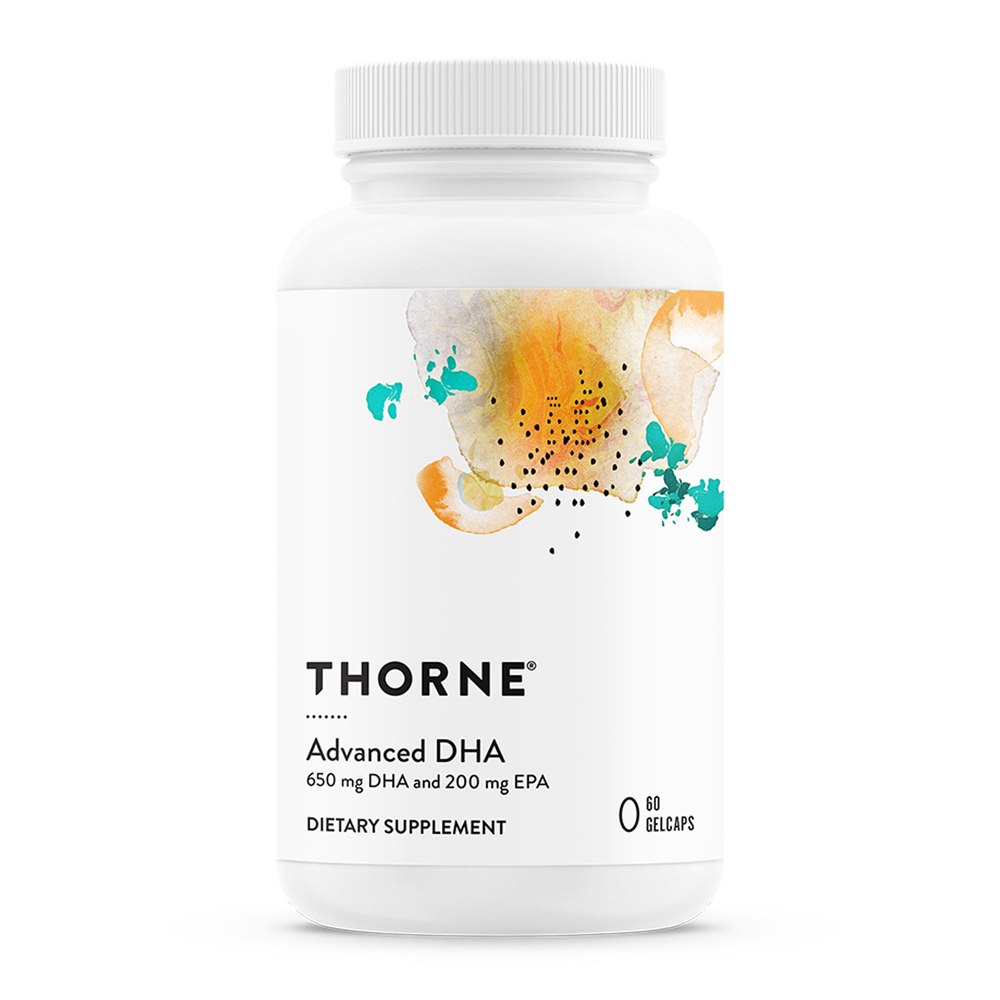
Advanced DHA
Thorne
60 gelcaps
$30.00Save 10% with Subscribe & Save
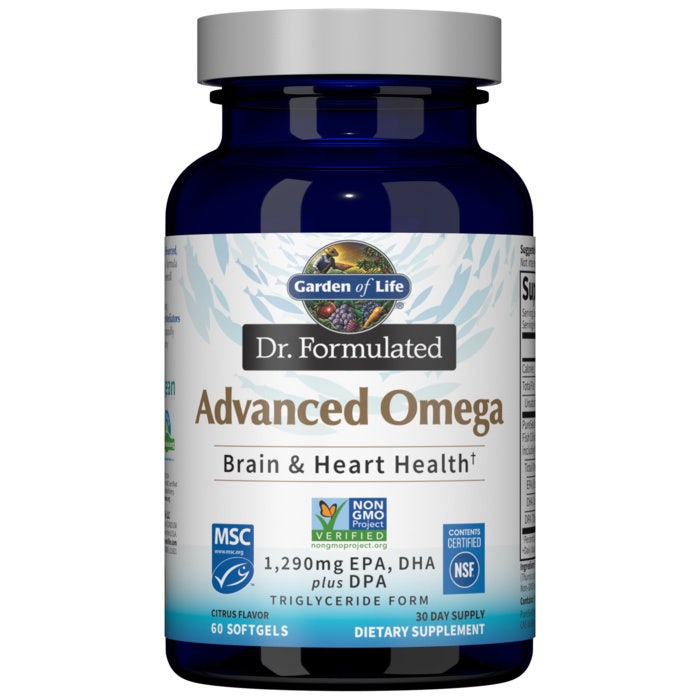
Dr. Formulated Advanced Omega
Garden of Life
60 softgels
$31.99Save 19% with Subscribe & Save
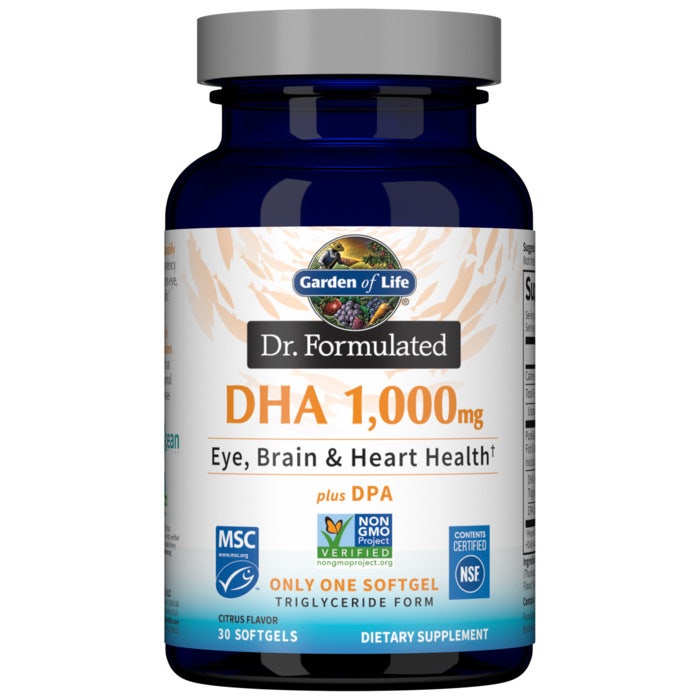
Dr. Formulated DHA 1g
Garden of Life
30 softgels
$31.99Save 19% with Subscribe & Save
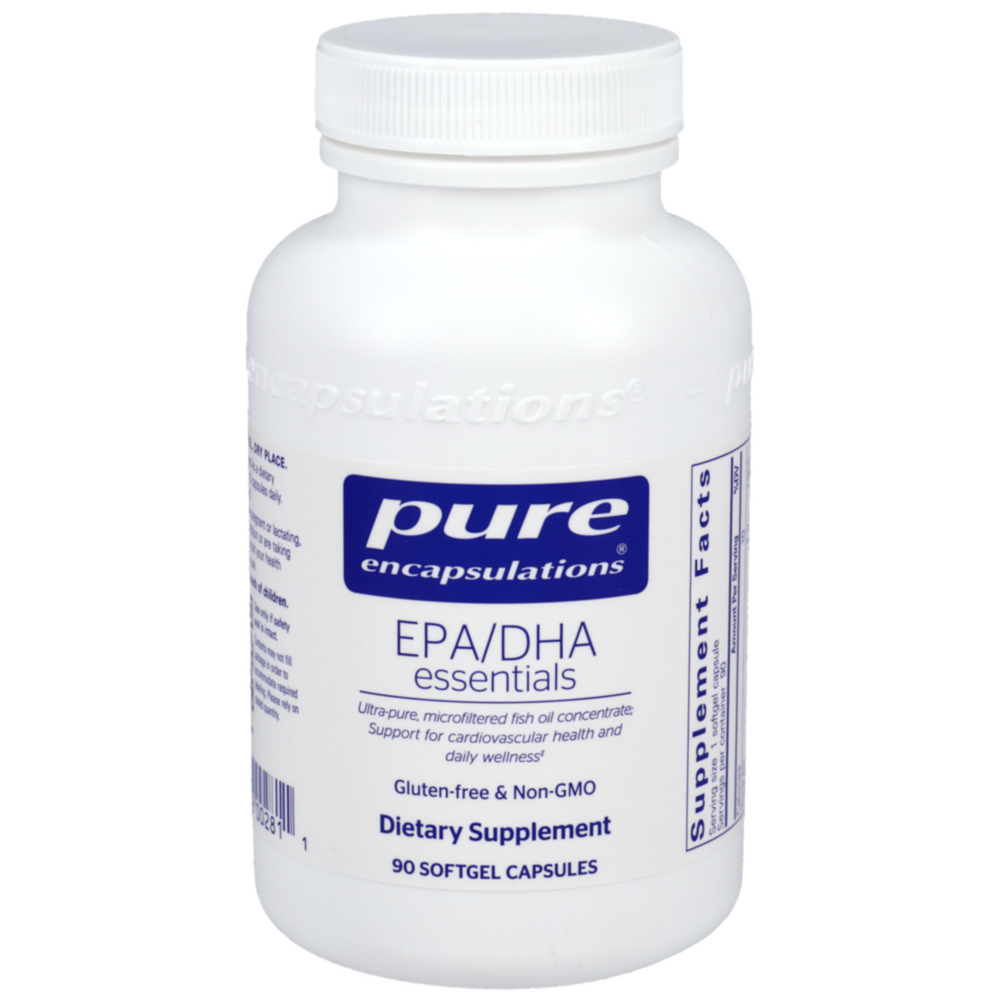
EPA/DHA Essentials
Pure Encapsulations
90 softgels
$41.50Save 21% with Subscribe & Save