 Instalab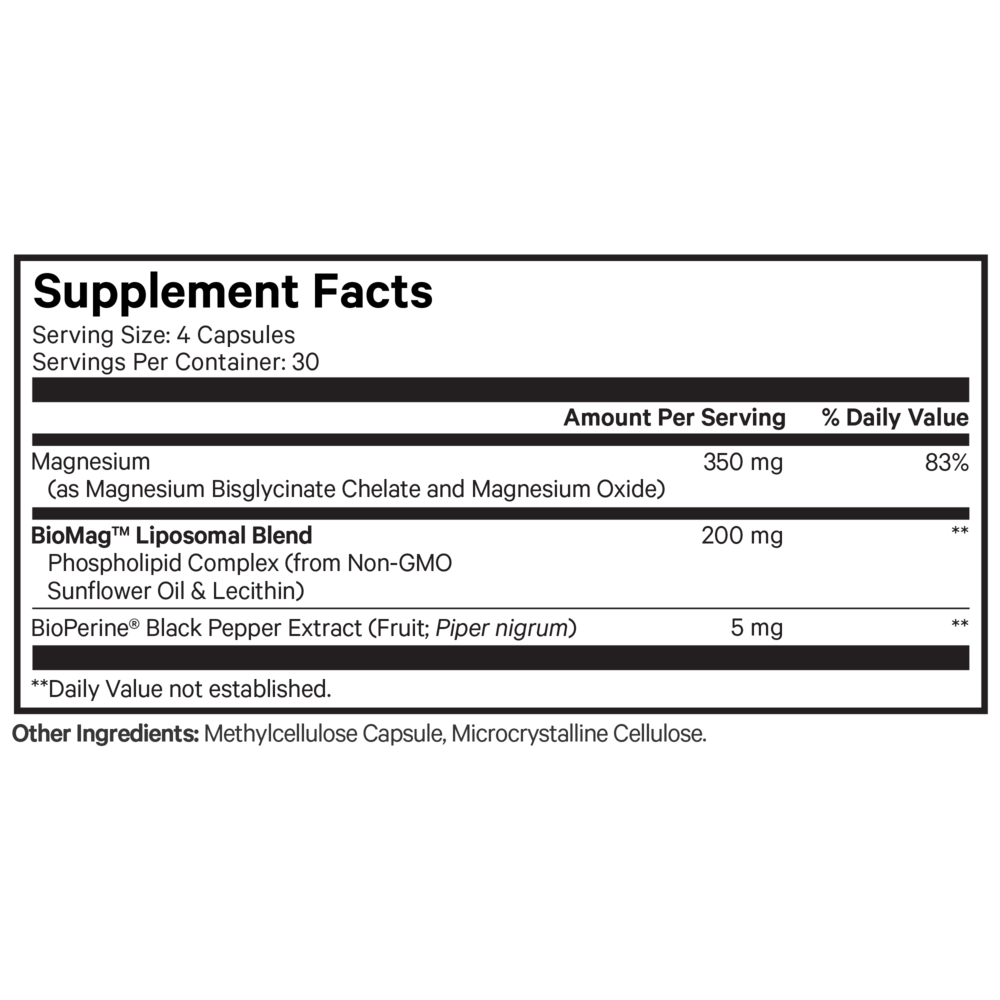

Codeage
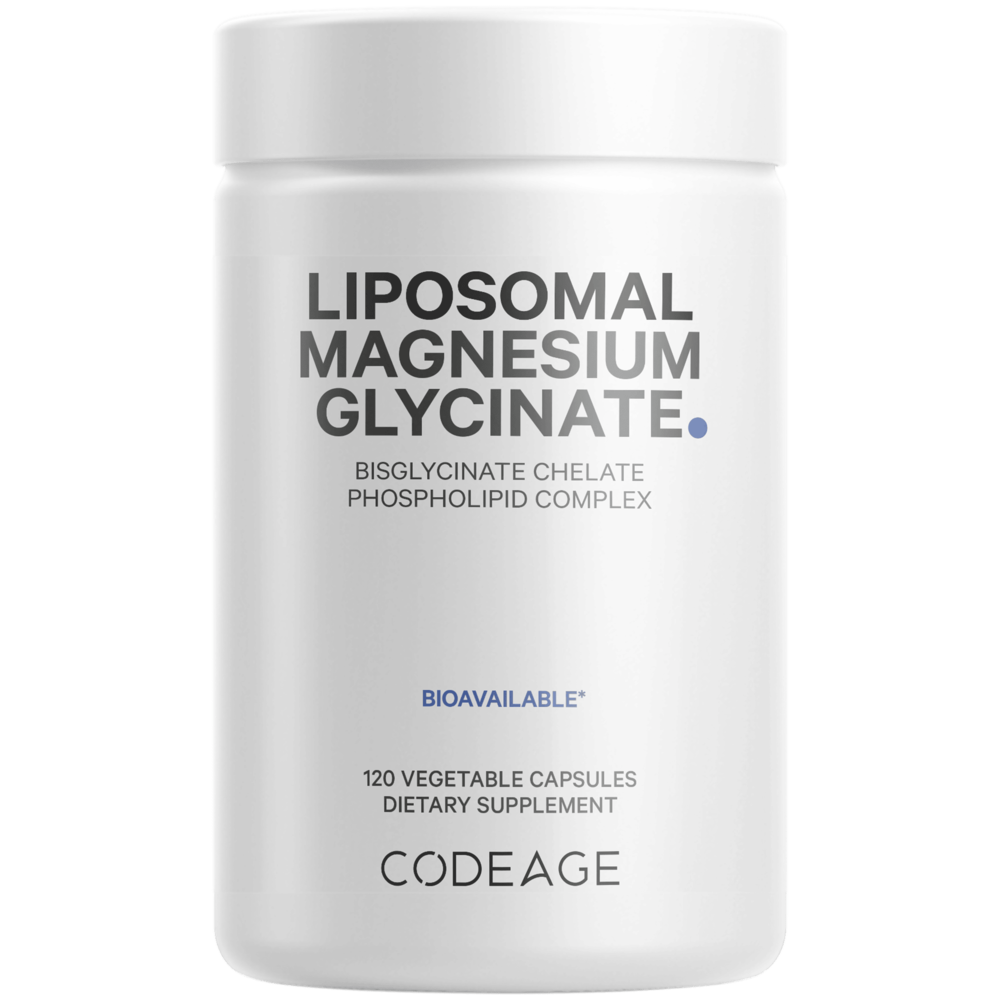
Liposomal Magnesium Glycinate by Codeage
120 capsules · 30-day supply
Enhanced Magnesium Absorption for Relaxation and Muscle Support$29.99
This item is currently out of stockGet notified when this item is back in stock
Practitioner-grade brand3rd-party testedFree shipping $50+
Vegan·Gluten Free·Soy Free·Dairy Free
Codeage Liposomal Magnesium Glycinate overview
If you’re searching for magnesium glycinate for sleep, stress, or nighttime muscle tightness, this fits that use case. It’s a steady, gut-friendly form for adults who run low on intake (few greens, nuts, or legumes), heavy exercisers who sweat a lot, and people on drugs that deplete magnesium like proton pump inhibitors or loop/thiazide diuretics. If your Serum Magnesium looks “normal” but you still have symptoms, check Magnesium, RBC (a cellular-level marker). For carb metabolism, watch fasting glucose and Hemoglobin A1c alongside Magnesium, RBC.
Glycinate is magnesium bound to glycine, an amino acid that rides its own transporters, which is why it’s gentler on the gut and better tolerated at bedtime. This formula also includes magnesium oxide, which carries a lot of magnesium by weight but is less absorbed and can loosen stools. The liposomal phospholipids (a sunflower-derived membrane-like shell) may improve uptake, though mineral data are emerging. Magnesium calms excitatory nerve signaling, relaxes muscle fibers, and helps enzymes make ATP (the cell’s energy currency), which is why sleep, cramps, and energy can improve when levels are low.
The suggested 4-capsule serving provides 350 mg elemental magnesium. Take in the evening if sleep is the goal, or split half with breakfast and half at night for steadier levels. Start with half the dose for 3 to 5 days to gauge your gut, then increase. Food is optional; a small snack can help sensitive stomachs. Recheck Magnesium, RBC in 8 to 12 weeks. If you need higher repletion or have very low levels, coordinate dosing with your clinician, then step back to maintenance.
Separate magnesium by at least 2 to 4 hours from levothyroxine, tetracycline or fluoroquinolone antibiotics, and oral bisphosphonates—it binds them and blocks absorption. Do the same with iron and zinc for best uptake. If you have significant kidney disease, avoid unsupervised magnesium due to risk of high blood levels. For frequent loose stools, shift doses earlier, lower the total, or use pure magnesium glycinate without oxide. If you’re on diuretics or long-term acid blockers, consider periodic Magnesium, RBC monitoring.
How fast will you feel it? Sleep quality and muscle cramps often improve within 1 to 2 weeks if you were low, with steadier gains by 4 to 8 weeks. Is liposomal better? Phospholipids help some nutrients, but head-to-head data for minerals are limited; the main win here is the glycinate form’s tolerability. For metabolic goals, track Magnesium, RBC with fasting glucose or Hemoglobin A1c to see real movement, not just vibes.
Frequently asked questions
Does magnesium glycinate help you sleep?
Often yes if your magnesium status is low. Glycinate is calming and well tolerated at night. Expect changes within 1–2 weeks, with clearer benefits by 4–8 weeks. If sleep doesn’t budge, reassess dose, timing, caffeine, and Magnesium, RBC.
Will magnesium glycinate cause diarrhea?
It’s one of the gentlest forms, but this product also includes magnesium oxide, which can loosen stools. Start with half the dose and increase. If stools stay loose, switch to pure magnesium glycinate or split doses further.
When should I take magnesium glycinate, morning or night?
For sleep or evening muscle tension, take it at night. For general repletion, split morning and evening. Food isn’t required, but a small snack can help sensitive stomachs.
Can I take magnesium with levothyroxine or antibiotics?
Yes, but separate by 2–4 hours. Magnesium binds levothyroxine, tetracyclines, and fluoroquinolones and lowers their absorption. Do the same with bisphosphonates, iron, and zinc for best results.
Is liposomal magnesium actually better absorbed?
Data are promising for some nutrients, but mineral-specific evidence is limited. The reliable advantage here is the glycinate chelate’s tolerability and steady absorption, not the liposome alone.
Can magnesium glycinate lower blood pressure?
It can modestly help in people with low magnesium or higher blood pressure, especially alongside diet changes. Track at-home readings and Magnesium, RBC over 8–12 weeks to see if it moves the needle for you.
Who should avoid magnesium supplements?
People with significant kidney disease should avoid unsupervised magnesium. If you have heart block, take it only with clinician guidance. In pregnancy or breastfeeding, confirm dose and form with your OB.
Can I take magnesium with coffee or alcohol?
Alcohol increases magnesium loss; supplements can help offset that, but reduce intake if possible. Coffee around the dose is fine, but spacing supplements away from large caffeine doses may aid absorption.
How to take it & ingredients
Suggested use: Take 4 capsules daily with 8 ounces of water or your favorite beverage, with or without food, or as directed by your healthcare practitioner.
Active ingredients
4 capsules per serving · 30 servings
Magnesium
As Magnesium Bisglycinate Chelate and Magnesium Oxide
As Magnesium Bisglycinate Chelate and Magnesium Oxide
350 mg
BioMag™ Liposomal Blend
Phospholipid Complex from Non-GMO Sunflower Oil & Lecithin
Phospholipid Complex from Non-GMO Sunflower Oil & Lecithin
200 mg
BioPerine® Black Pepper Extract
Fruti; Piper nigrum
Fruti; Piper nigrum
5 mg
Other ingredients: Methylcellulose Capsule, Microcrystalline Cellulose
Certifications
Benefits
Warnings
Customers also considered
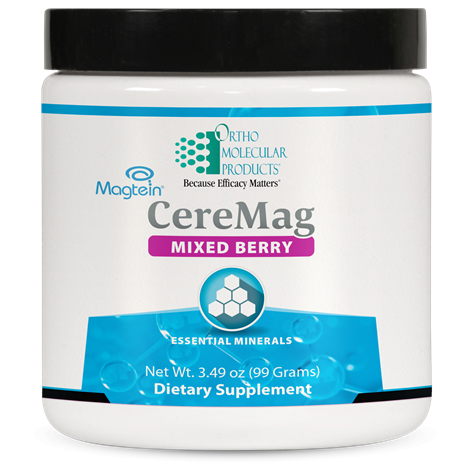
CereMag
Ortho Molecular Products
99 grams
$77.76$70.05 with Subscribe & Save

Dr. Formulated Magnesium Raspberry
Garden of Life
197.4 grams
$24.99$19.99 with Subscribe & Save

Dual-Mag Complex
Natura Health Products
90 capsules
$22.99$17.99 with Subscribe & Save
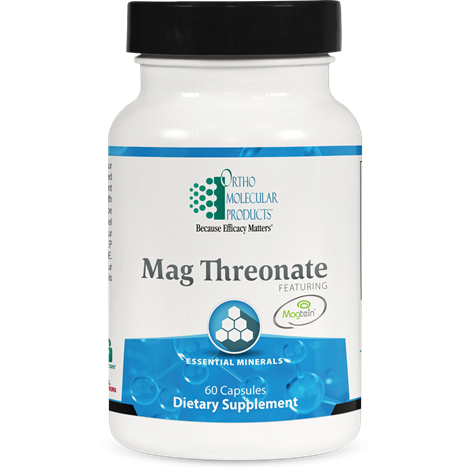
Mag Threonate
Ortho Molecular Products
60 capsules
$78.64$70.85 with Subscribe & Save