 Instalab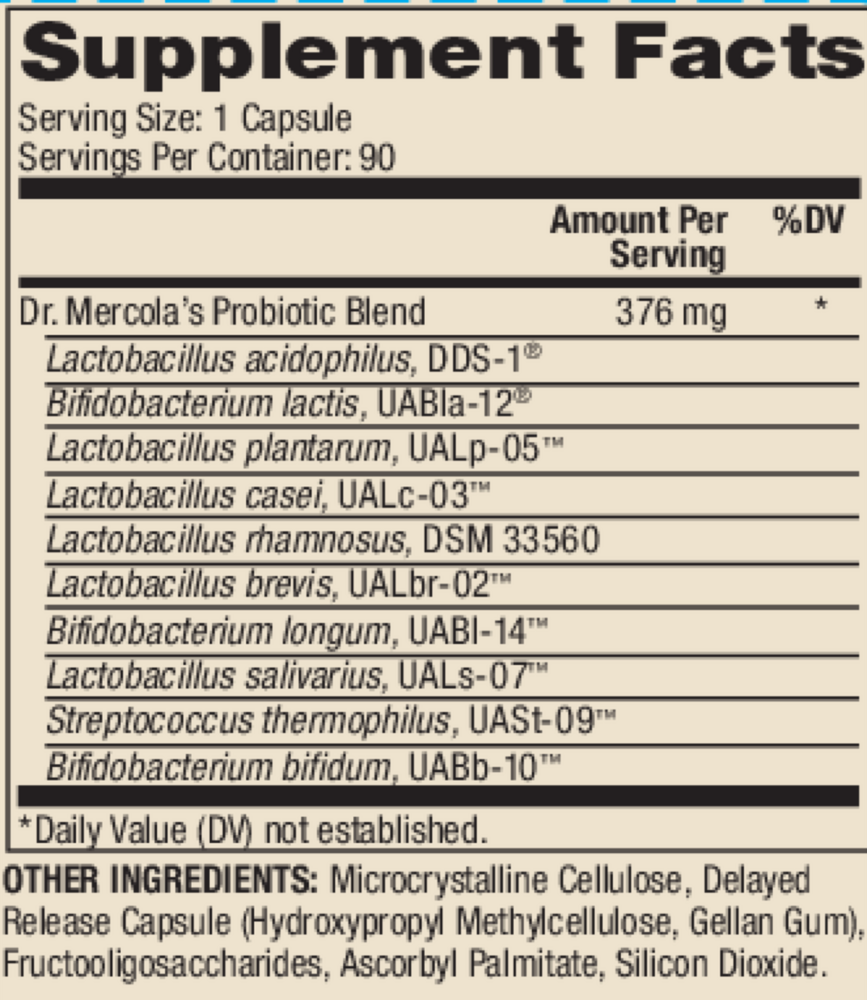

Dr. Mercola
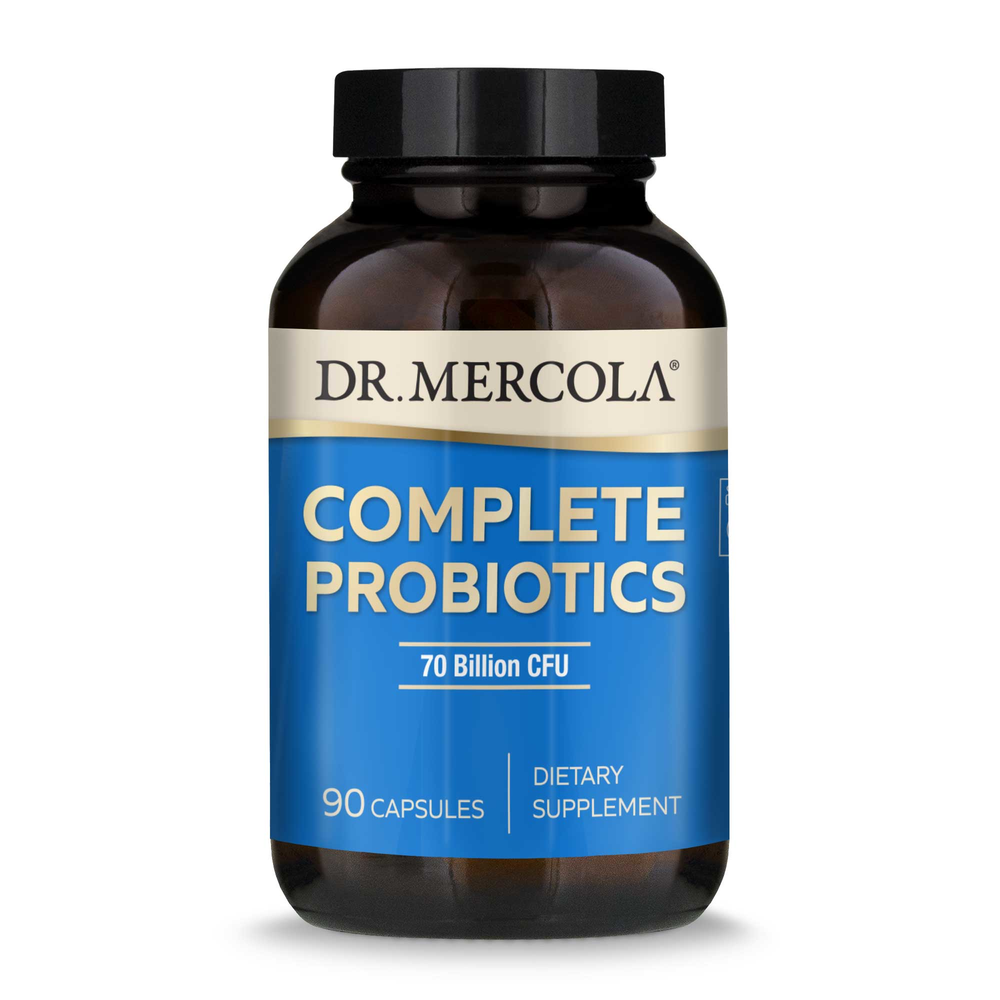
Complete Probiotics 70 Billion CFU 376 mg by Dr. Mercola
90 capsules · 90-day supply
Supports Digestive Health and Immune Function with 70 Billion CFU$93.99
Purchase options
Practitioner-grade brand3rd-party testedFree shipping $50+
Gluten Free·Soy Free
Dr. Mercola Complete Probiotics 70 Billion CFU overview
If you’re searching for the best probiotic for bloating and irregularity, a high‑potency 70 billion CFU probiotic fits adults who’ve had recent antibiotics, frequent gas after meals, loose stools when traveling, or on‑again/off‑again constipation. This dose is overkill for effortless digestion; if your gut is steady, a lower CFU maintenance probiotic is usually enough. For persistent diarrhea, blood in stool, or weight loss, see a clinician first. Modest immune benefits also show up in fewer short colds, but this is a gut‑first tool.
A multi‑strain probiotic crowds out gas‑producing microbes, makes short‑chain fatty acids (fuel for your colon cells that also calm gut inflammation), and strengthens the gut barrier so fewer irritants cross into the bloodstream. These bacteria also talk to immune cells in gut tissue, nudging them toward tolerance rather than overreaction. In responders, inflammation markers like hs‑CRP (a blood test of whole‑body inflammation) can drift down, but effects are modest and not guaranteed. High CFU mainly speeds the repopulation after a hit like antibiotics.
Take one capsule in the morning as directed. Many people tolerate probiotics best with a small breakfast rather than on an empty stomach, since stomach acid can be harsh. If you’re sensitive, start every other day for a week, then daily. On antibiotics, separate the probiotic by 2–4 hours. Bloating often improves within 1–2 weeks; bowel pattern and stool form usually settle by 2–4 weeks of consistent use.
Skip probiotics unless cleared by your clinician if you’re severely immunocompromised, have a central line, are in intensive care, or have a history of severe pancreatitis—rare bloodstream infections have been reported in these settings. If you’ve had small intestinal bacterial overgrowth (SIBO, bacteria moved up into the small bowel) and get brain fog or worsening bloating on probiotics, this high dose isn’t a good match. Fever with severe abdominal pain or ongoing bloody stools needs medical care, not probiotics.
Frequently asked questions
Is 70 billion CFU too much for a daily probiotic?
For many healthy adults, 70 billion CFU is a high‑potency dose aimed at symptom relief or recovery after antibiotics, not long‑term maintenance. If your digestion is already steady, a 5–20 billion CFU probiotic is usually sufficient once symptoms settle.
How long do probiotics take to work for bloating?
Most people who respond notice less gas and pressure within 1–2 weeks, with more regular bowel habits by 2–4 weeks. If nothing changes after a month of daily use, a different strain mix or a non‑probiotic approach may be better.
Should I take a probiotic with or without food?
Either can work, but many people tolerate probiotics better with a small meal, which buffers stomach acid. Consistency matters more than timing—take it the same way each day so survival through the stomach is predictable.
Can I take a probiotic while on antibiotics?
Yes—just separate them by 2–4 hours so the antibiotic is less likely to kill the probiotic strains. Keep taking the probiotic for at least 1–2 weeks after the antibiotic course to help restore balance.
Do probiotics need refrigeration?
Storage depends on the specific product and strain stability. Check the label: if it says shelf‑stable at room temperature, keep it cool and dry; if it recommends refrigeration, follow that to maintain the labeled CFU count until expiry.
What side effects can probiotics cause?
Early on, mild gas, a sense of fullness, or stool changes can occur and usually fade within a week. Stop and speak with a clinician if you develop fever, severe abdominal pain, rash, or symptoms that clearly worsen and don’t settle.
Are probiotics safe in pregnancy or breastfeeding?
Generally yes, probiotics have a strong safety record in healthy pregnant and breastfeeding adults. That said, review any new supplement with your obstetric clinician, especially if you have medical complications or take prescription drugs.
How to take it & ingredients
Suggested use: Adults, as a dietary supplement, take one (1) capsule per day, preferably in the morning.
Active ingredients
1 capsule per serving · 90 servings
▼
Dr. Mercola's Probiotics Blend
376 mg
Lactobacillus acidophilus (DDS-1)
-
Bifidobacterium lactis (UABIa-12™)
-
Lactobacillus plantarum (UALp-05™)
-
Lactobacillus casei (UALc-03™)
-
Lactobacillus rhamnosus (DSM 33560)
-
Lactobacillus brevis (UALbr-02™)
-
Bifidobacterium longum (UABl-14™)
-
Lactobacillus salivarius (UALs-07™)
-
Streptococcus thermophilus (UASt-09™)
-
Bifidobacterium bifidum (UABb-10)
-
Other ingredients: Microcrystalline Cellulose, Hydroxypropyl Methylcellulose, Gellan Gum, Fructooligosaccharide, Ascorbyl Palmitate, Silicon Dioxide
Certifications
Benefits
Warnings
Customers also considered

Bacillus Coagulans
Thorne
60 capsules
$33.00Save 10% with Subscribe & Save

Complete Biotic
Thorne
30 packets
$46.00Save 10% with Subscribe & Save
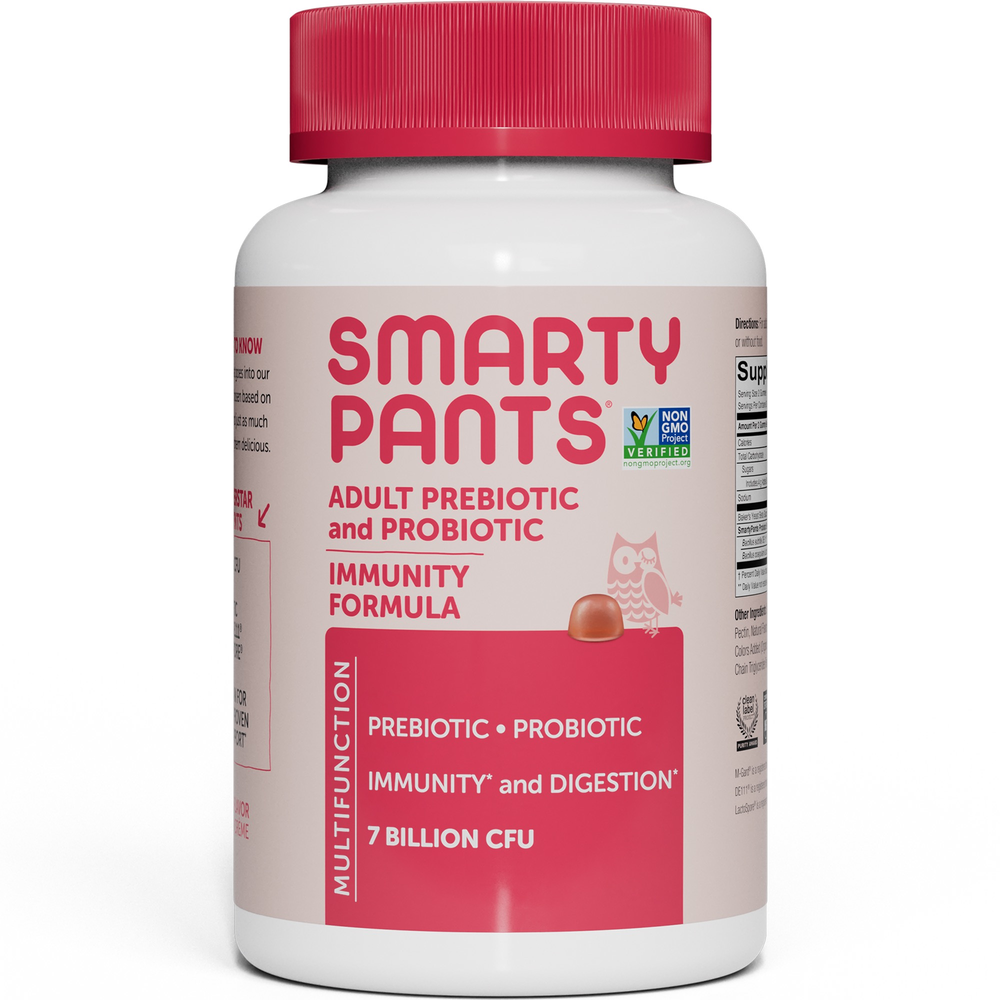
Digestive Probiotic & Prebiotic Grape
SmartyPants
60 gummies
$36.99Save 19% with Subscribe & Save

Dr. Formulated Probiotics Mens Daily Care
Garden of Life
30 capsules
$45.99Save 20% with Subscribe & Save