 Instalab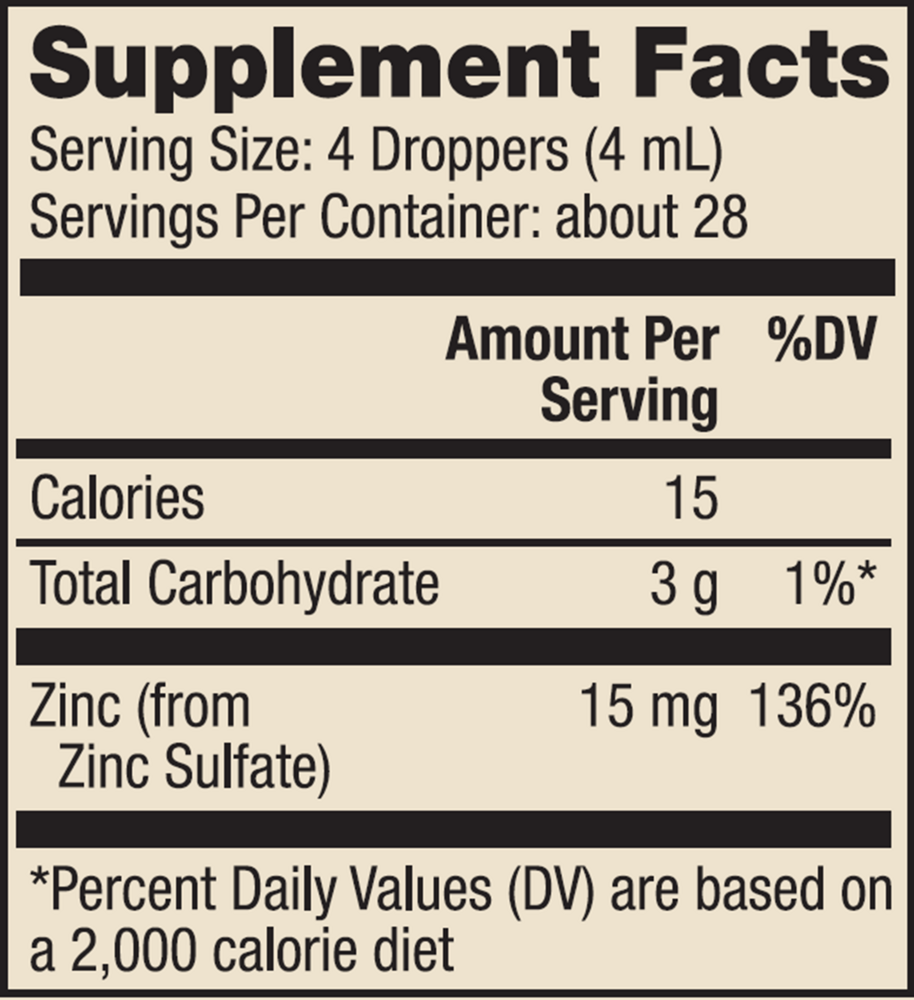

Dr. Mercola
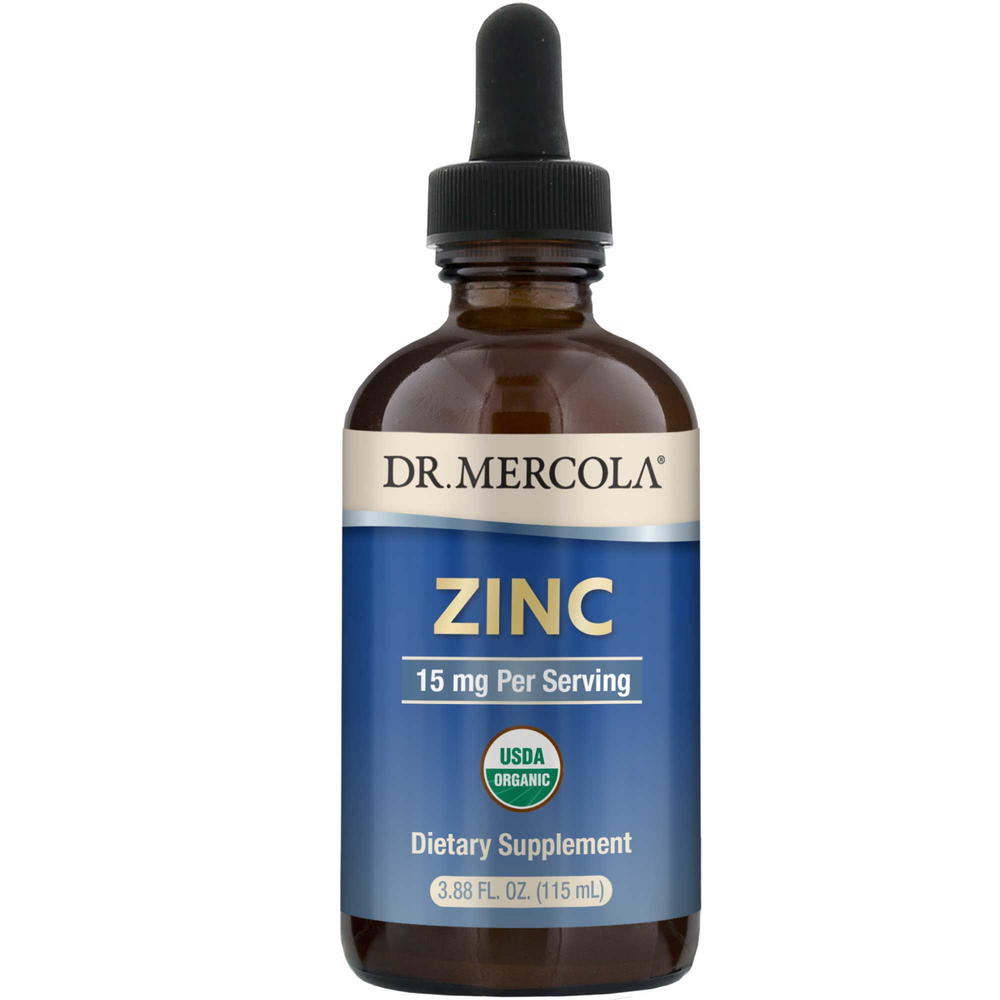
Zinc Liquid Drops 15 mg by Dr. Mercola
115 milliliters · 28-day supply
Liquid Zinc for Immune Support and Overall Wellness$18.99
Purchase options
Practitioner-grade brand3rd-party testedFree shipping $50+
Gluten Free·Soy Free
Dr. Mercola Zinc Liquid Drops overview
Zinc drops are a fit if your Plasma Zinc is low or you have signs of low zinc like frequent colds, poor wound healing, taste changes, or increased hair shedding. They’re practical for vegans on high‑phytate diets (grains and legumes bind zinc), post‑bariatric patients, people with celiac or inflammatory bowel disease, heavy alcohol use, or athletes with high sweat losses. The 15 mg in this liquid is a maintenance‑level dose; for established deficiency, clinicians often use higher short‑term doses, then step down once Plasma Zinc and Alkaline Phosphatase (a zinc‑dependent enzyme) improve.
Zinc sulfate supplies ionic zinc that your gut absorbs and your cells use in hundreds of enzymes that handle DNA repair, skin turnover, and antioxidant defense. In the immune system it helps white blood cells mature and signal, which is why low zinc tracks with more infections. Evidence that zinc shortens colds mainly comes from high‑dose lozenges started within 24 hours; liquid zinc is useful for repleting low levels but isn’t a swap for those protocols. Compared with fancy chelates, zinc sulfate is time‑tested, widely studied, and reliably absorbed when taken with food.
Take the daily serving with a meal to limit nausea, and mix in water if the taste is strong. Avoid taking zinc at the same time as iron, calcium, or magnesium supplements, and space it 2 hours from fiber‑heavy bran or phytate‑rich meals to reduce binding. If you’re correcting a low Plasma Zinc, recheck levels after 8 to 12 weeks. Already on a multivitamin with 10–15 mg zinc? Don’t stack; total daily zinc adds up quickly.
Separate zinc by at least 2–6 hours from tetracycline or quinolone antibiotics (like doxycycline or ciprofloxacin), since zinc binds them and lowers antibiotic absorption. Penicillamine (used for Wilson’s disease) also binds zinc—do not combine without specialist guidance. Long‑term high zinc can depress Copper, Serum and Ceruloplasmin (the copper‑carrying protein), leading to anemia and low white counts; monitor copper if you use zinc beyond 8–12 weeks. Nausea or a metallic taste are the most common side effects.
Skip extra zinc if your labs are normal and your multivitamin already covers 10–15 mg; more isn’t better and can lower copper over time. If you have chronic kidney disease, significant nausea with zinc, or are pregnant and already on a prenatal, check with your clinician before adding. For acne or hair loss, rule out Ferritin (iron stores) and thyroid issues first—zinc helps only when zinc is the limiting factor.
Frequently asked questions
How much zinc should I take daily?
Most adults do well with 8–15 mg per day from diet plus supplements. Higher doses are for short‑term repletion of low Plasma Zinc under clinician guidance, then you step down. Don’t exceed the total daily intake your clinician recommends, especially if you also take a multivitamin.
Do zinc drops prevent or shorten colds?
Not reliably. The best data for shortening colds involve high‑dose zinc lozenges started within 24 hours of symptoms. Liquid zinc is useful to correct low zinc status over weeks, which can reduce infection risk over time, but it’s not an on‑the‑spot cold remedy.
When is the best time to take zinc drops?
Take zinc with a meal to reduce stomach upset, but not alongside iron, calcium, or magnesium supplements. Space zinc 2 hours from these minerals and from fiber‑heavy bran or phytate‑rich meals to improve absorption.
How long does it take to raise low zinc levels?
Most people see Plasma Zinc and symptoms improve within 8–12 weeks of daily dosing. If deficiency is significant, your clinician may start higher for a short period, then retest and drop to maintenance once labs and symptoms normalize.
Is zinc sulfate as good as zinc picolinate?
Both forms raise zinc levels. Some small studies suggest picolinate may absorb slightly better, but zinc sulfate is well‑studied, widely used in clinics, and effective when taken with food. Consistency and total dose matter more than the specific salt for most people.
Can zinc cause copper deficiency?
Yes, with long‑term higher doses. Zinc competes with copper absorption and can lower Copper, Serum and Ceruloplasmin over time, causing anemia or low white blood cells. If using zinc beyond 8–12 weeks, consider monitoring copper with your clinician.
Do zinc drops interact with antibiotics?
They can. Zinc binds tetracycline and quinolone antibiotics (like doxycycline and ciprofloxacin) and reduces their absorption. Take antibiotics at least 2–6 hours apart from zinc. Penicillamine also interacts—coordinate with your prescriber.
What side effects should I expect from zinc?
The most common are nausea, stomach upset, or a metallic taste, especially on an empty stomach. Taking zinc with food typically solves this. Stop and check with your clinician if you notice persistent nausea or unusual fatigue.
How to take it & ingredients
Suggested use: Adults take four drops (4 mL) daily, or as directed by your healthcare professional.
Active ingredients
4 dropper = 4 mL per serving · 29 servings
Zinc
Zinc Sulfate
Zinc Sulfate
15 mg
Other ingredients: Organic Glycerin, Purified Water, Organic Apple Juice Concentrate
Certifications
Benefits
Warnings
Customers also considered
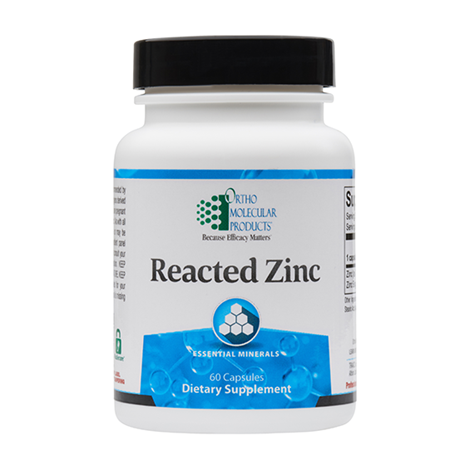
Reacted Zinc
Ortho Molecular Products
60 capsules
$32.91Save 10% with Subscribe & Save
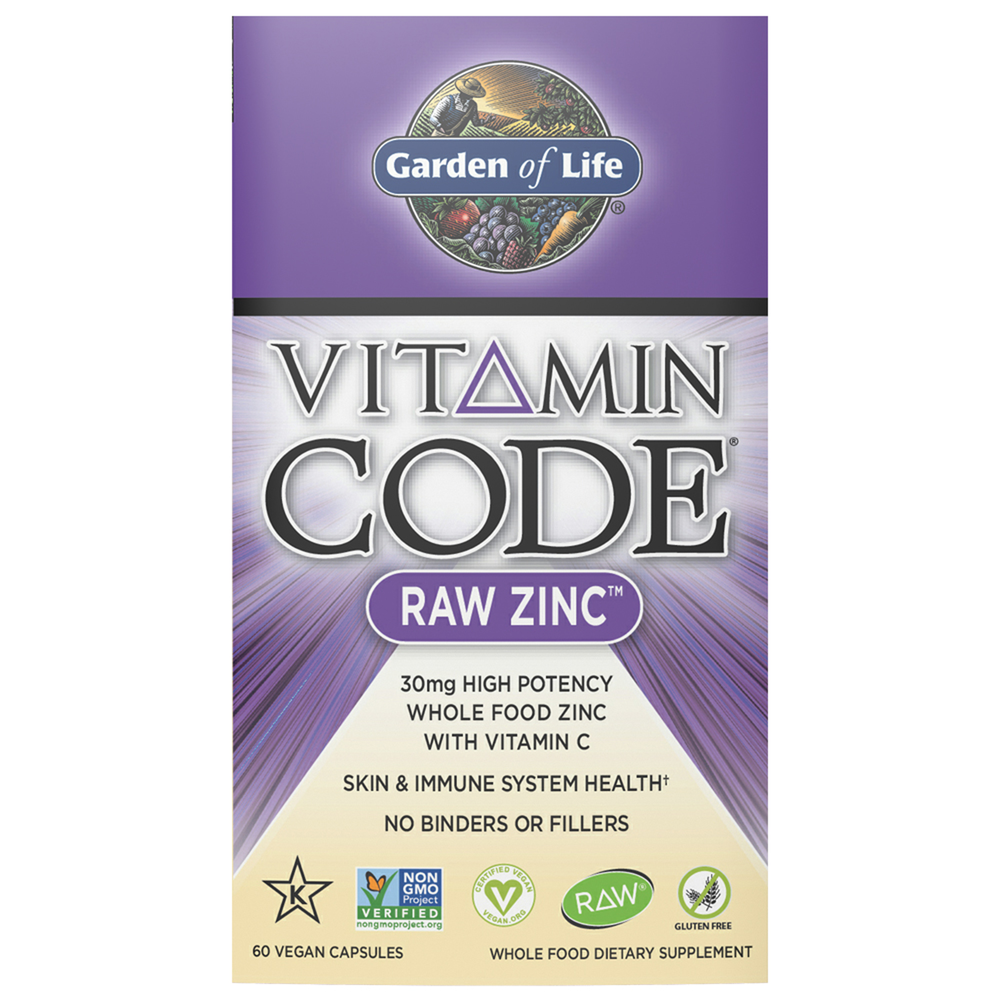
Vitamin Code Raw Zinc
Garden of Life
60 capsules
$15.99Save 19% with Subscribe & Save
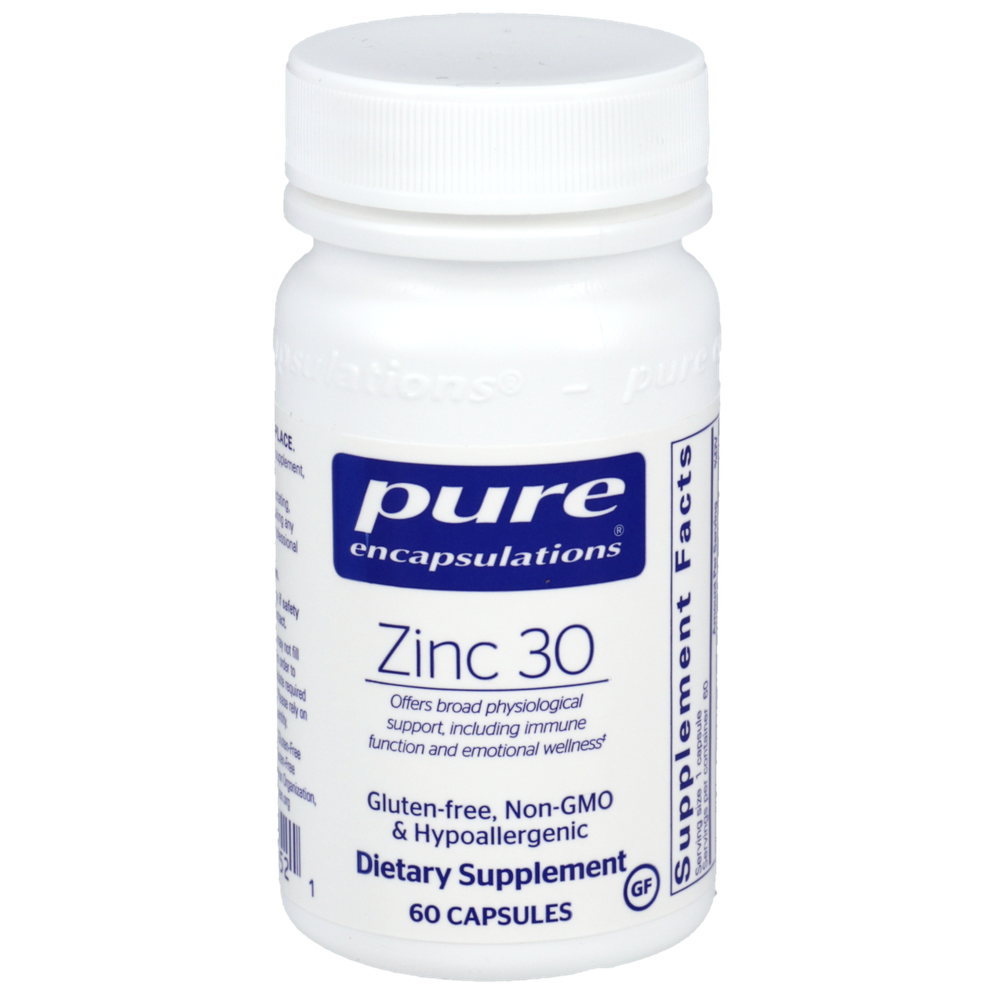
Zinc 30
Pure Encapsulations
60 capsules
$16.00Save 19% with Subscribe & Save
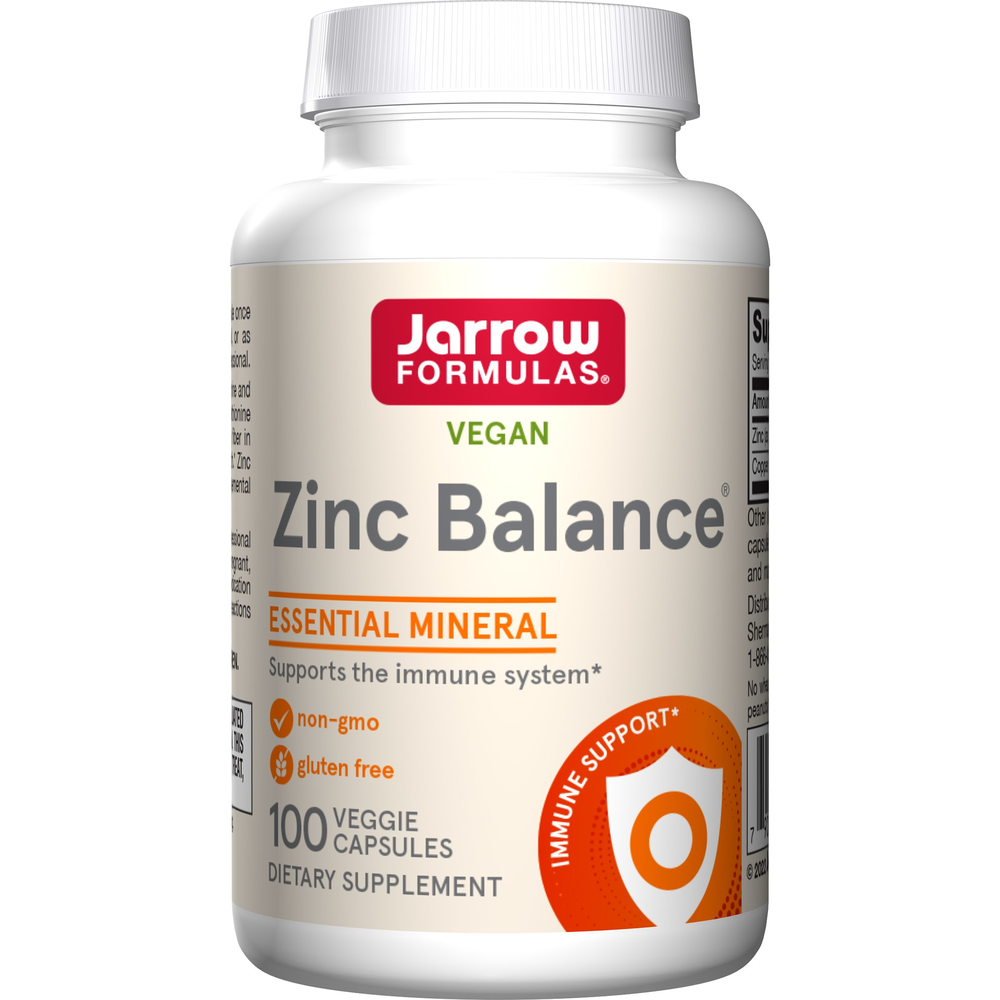
Zinc Balance
Jarrow Formulas
100 capsules
$16.99Save 18% with Subscribe & Save