 Instalab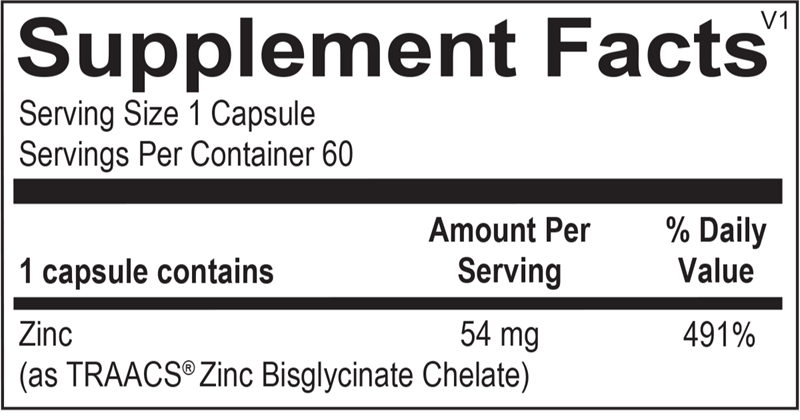
Ortho Molecular Products
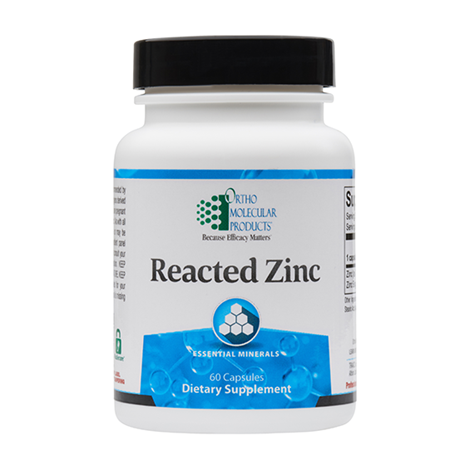
Reacted Zinc 54 mg by Ortho Molecular Products
60 capsules · 60-day supply
Highly Absorbable Zinc for Immune Support and Overall Wellness$32.91
Purchase options
Practitioner-grade brand3rd-party testedFree shipping $50+
Gluten Free·Corn Free·Yeast Free·Artificial Color Free·Artificial Flavor Free
Ortho Molecular Products Reacted Zinc overview
Frequent colds, slow wound healing, reduced taste or smell, or a low Alkaline Phosphatase (a liver enzyme that often tracks with zinc status) are classic clues to low zinc. This high-dose zinc bisglycinate fits adults with low Zinc, Serum or RBC Zinc on testing, and those at risk: vegans on high‑phytate diets, bariatric surgery patients, inflammatory bowel or celiac disease, chronic diarrhea, heavy exercisers with high sweat losses, and long-term acid reducer users. If Copper or Ceruloplasmin is low, address that first.
Zinc is a cofactor (a helper mineral) for hundreds of enzymes that drive immune cell function, skin repair, insulin signaling, and vision. Bisglycinate chelate means the zinc is bound to two glycine molecules, which improves absorption and is gentler on the stomach compared with oxide or sulfate. This form is less hindered by food phytates from grains and legumes, so more zinc reaches your bloodstream where it can normalize immune markers and support healthy skin turnover.
The single capsule delivers a repletion-level amount. Take it with a meal to prevent nausea. Separate from iron or calcium supplements by at least two hours to avoid competition for absorption. Plan on 4 to 12 weeks for repletion, then step down to a maintenance zinc of about 10–15 mg daily or food-first intake. Recheck Zinc, Serum or RBC Zinc, plus Copper and Ceruloplasmin, before continuing high doses.
Zinc binds many drugs in the gut. Separate by at least 2 hours from antibiotics like tetracyclines (doxycycline) and quinolones (ciprofloxacin), thyroid hormone (levothyroxine), and penicillamine. Large iron or calcium doses reduce zinc absorption and vice versa. Thiazide diuretics (hydrochlorothiazide) increase zinc loss in urine, which can change your needs. If you take multiple minerals, stagger them across the day.
Do not use long term without labs. High-dose zinc can deplete copper, leading to anemia and neuropathy; monitor Copper and Ceruloplasmin within 8 to 12 weeks. If you already have low copper, unexplained anemia, or neurologic symptoms, avoid until evaluated. Pregnancy and breastfeeding require clinician-guided dosing, since this amount is higher than routine prenatal needs. Stop and reassess if you develop persistent nausea or a metallic taste.
Frequently asked questions
Is 54 mg of zinc too much to take daily?
It is a high repletion dose, not a long-term maintenance amount. Many adults use it for 4–12 weeks to correct low labs, then taper to 10–15 mg. Long-term high dosing risks copper deficiency, so monitor Copper and Ceruloplasmin.
Does zinc actually help with colds?
Starting zinc within 24 hours of symptoms can shorten cold duration slightly, but the effect is modest and depends on form and timing. Use it for deficiency or low-normal labs first; routine high dosing year-round is not advised.
How long does zinc take to raise my levels?
Most people see Zinc, Serum or RBC Zinc improve within 4–12 weeks. Response is slower if absorption is impaired by gut disease or ongoing high phytate intake. Recheck labs and adjust to a lower maintenance dose once corrected.
Can I take zinc bisglycinate with food?
Yes, and it is often better tolerated with a meal. Food slightly lowers absorption, but bisglycinate is well absorbed and far less likely to cause nausea than zinc sulfate or oxide taken on an empty stomach.
What should I not take with zinc?
Separate zinc by at least 2 hours from tetracycline or quinolone antibiotics, levothyroxine, and penicillamine. Space it away from iron and calcium supplements to avoid absorption conflicts.
Will zinc lower my copper levels?
High-dose zinc can reduce copper absorption, which over time may cause anemia or neuropathy. If you use repletion doses, plan to check Copper and Ceruloplasmin after 8–12 weeks and consider adding copper only if low.
Is zinc bisglycinate better than zinc picolinate?
Both are well absorbed. Bisglycinate is gentler on the stomach and less affected by dietary phytates. Picolinate also absorbs well, but some find it more irritating. Choose based on tolerance and lab response.
Who is most at risk for zinc deficiency?
Vegans on high‑phytate diets, bariatric surgery patients, people with celiac or inflammatory bowel disease, chronic diarrhea, heavy exercisers, and long-term acid reducer users are common groups with low Zinc on testing.
How to take it & ingredients
Suggested use: Take 1 or more capsules per day or as recommended by your health care professional.
Active ingredients
1 capsule per serving · 60 servings
Zinc
TRAACS™ Zinc Bisglycinate Chelate
TRAACS™ Zinc Bisglycinate Chelate
54 mg
Certifications
Benefits
Warnings