 Instalab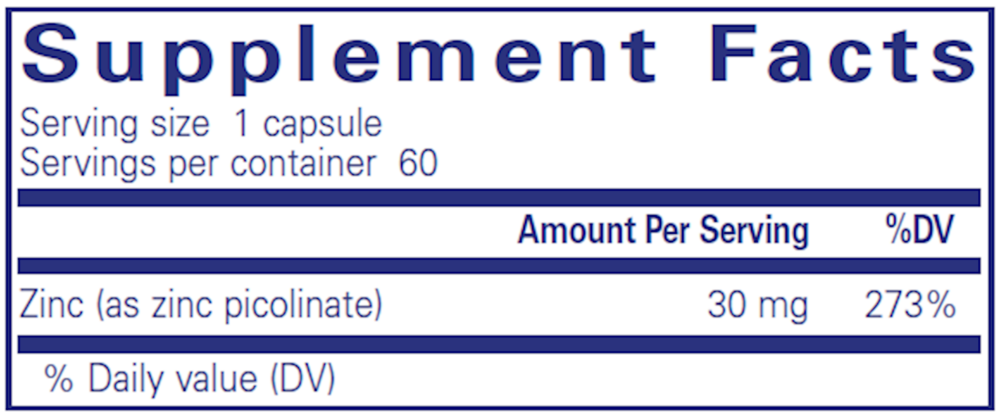

Pure Encapsulations
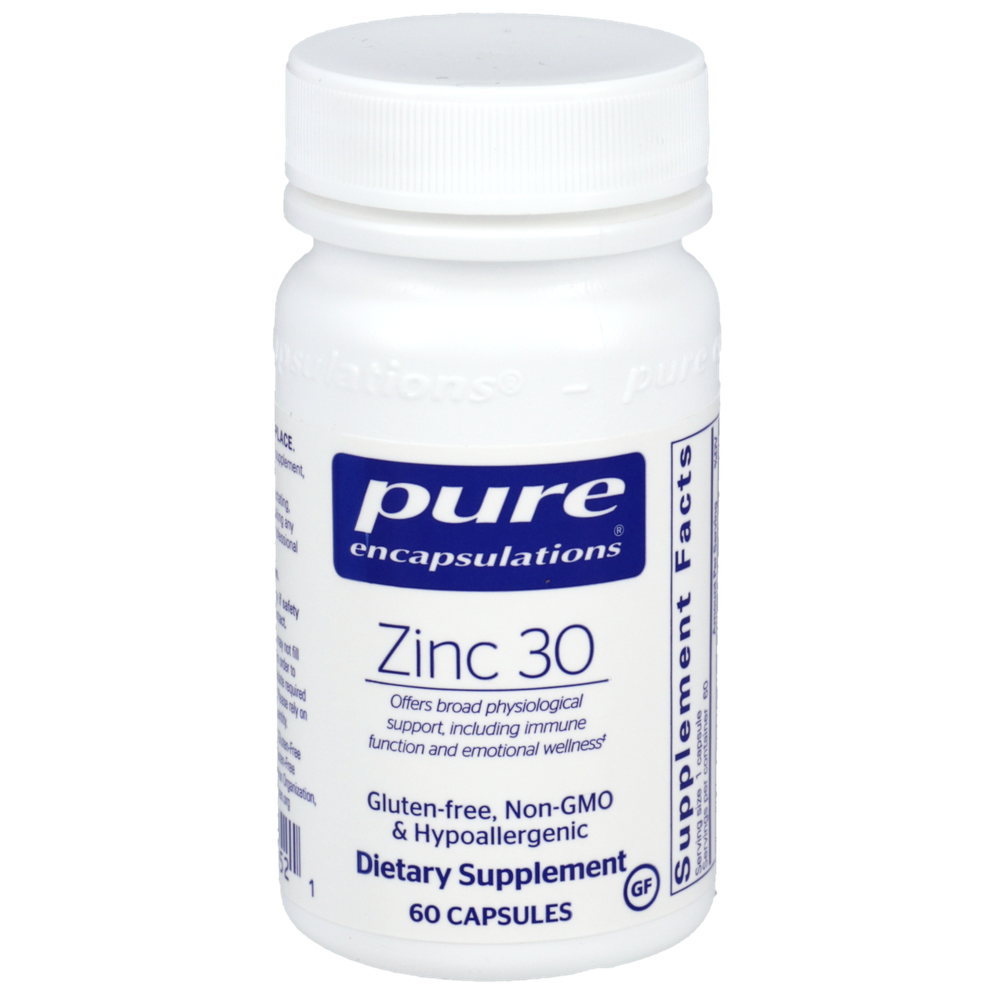
Zinc 30 by Pure Encapsulations
60 capsules · 60-day supply
Essential Zinc for Immune Support and Cellular Health$16.00
Purchase options
Practitioner-grade brand3rd-party testedFree shipping $50+
Vegan·Vegetarian·Gluten Free
Pure Encapsulations Zinc 30 overview
If you’re searching for zinc picolinate 30 mg because your Zinc, Serum has been low or you eat little meat, this fits. Vegetarians, vegans, heavy exercisers with high sweat losses, people on high‑phytate diets (lots of unsoaked grains/legumes), and those with gut issues like celiac or post‑bariatric surgery often run low. Pregnancy and breastfeeding increase needs. If your level is deeply deficient, you’ll likely need a short repletion phase under clinician guidance, then step down to maintenance.
Zinc picolinate is zinc bound to picolinic acid, which helps absorption compared with some oxide or sulfate forms. Zinc is a cofactor for hundreds of enzymes that govern immune signaling, skin repair, taste and smell, and hormone production. In practice, repleting zinc can normalize Alkaline Phosphatase (a zinc‑dependent liver enzyme on a metabolic panel) and, in responders, improve acne or frequent infections within 8–12 weeks. For colds, the evidence is for high‑dose zinc lozenges started early, not capsules taken after symptoms begin.
Pure Encapsulations Zinc 30 is a repletion‑level dose. Take 1 capsule daily with food; splitting the dose or taking with a small meal reduces nausea. Absorption is better away from very high‑calcium or high‑phytate meals. This is usually too much for long‑term maintenance once Zinc, Serum is stable, so many patients step down to 10–15 mg daily or every other day. Recheck Zinc, Serum in 4–8 weeks; consider Copper, Serum or Ceruloplasmin if using zinc long term.
Zinc binds many medicines in the gut. Separate by at least 2 hours from tetracyclines, 4 hours from quinolones, and 30–60 minutes from levothyroxine or bisphosphonates. Large iron or calcium doses compete for absorption; take them at different times. The catch is chronic high zinc can deplete copper, leading to anemia or low white cells, so ensure your multivitamin provides copper or add 1–2 mg if supplementing zinc for months. If your Copper, Serum is low, correct that first.
Frequently asked questions
Is 30 mg of zinc too much to take every day?
For short-term repletion, 30 mg zinc picolinate daily is common. For long-term use, it’s often more than you need and can deplete copper. Once Zinc, Serum normalizes, many people step down to 10–15 mg daily or every other day under clinician guidance.
How long does zinc picolinate take to work?
You can see lab changes in Zinc, Serum within 4–8 weeks. Clinical changes like fewer infections, better wound healing, or acne improvement usually take 8–12 weeks. Re-test and adjust rather than guessing.
Can I take zinc with antibiotics or thyroid medication?
Yes, but separate timing. Zinc reduces absorption of tetracycline and quinolone antibiotics, levothyroxine, and bisphosphonates. Take antibiotics or thyroid meds first, then zinc 2–4 hours later (timing depends on the drug).
Should I take copper with zinc?
If you use 30 mg zinc daily for more than a few months, consider 1–2 mg copper from a multivitamin or separate supplement to avoid deficiency. Check Copper, Serum or Ceruloplasmin if you’re unsure or have anemia or low white cells.
Does zinc picolinate help with colds?
Starting high-dose zinc lozenges within 24 hours of symptoms can shorten colds by about a day. That evidence is for acetate or gluconate lozenges, not routine zinc picolinate capsules taken after symptoms start.
What’s the best time to take zinc picolinate?
Take with a small meal to reduce nausea, but away from large calcium or iron doses and high‑phytate meals. Evening works well for many, especially if morning meds could interact.
Can zinc cause nausea or stomach upset?
Yes, zinc commonly causes queasiness on an empty stomach. Take it with food, split the dose, and avoid taking it with coffee. If symptoms persist, reduce the dose or switch timing.
How to take it & ingredients
Suggested use: Take 1–2 capsules daily, in divided doses, with meals.
Active ingredients
1 capsule per serving · 60 servings
Zinc
Zinc Picolinate
Zinc Picolinate
30 mg
Other ingredients: Hypoallergenic plant fiber (cellulose), Ascorbyl palmitate, Vegetarian capsule (cellulose, water)
Certifications
Benefits
Warnings
Customers also considered
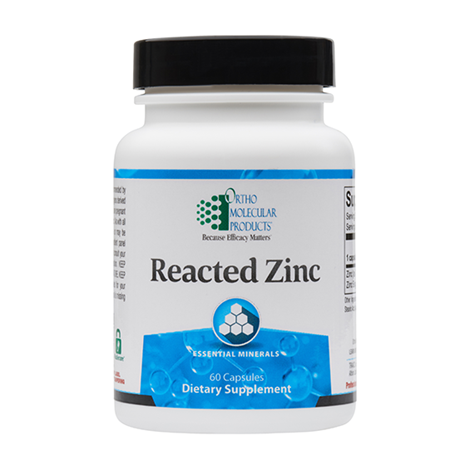
Reacted Zinc
Ortho Molecular Products
60 capsules
$32.91$29.65 with Subscribe & Save
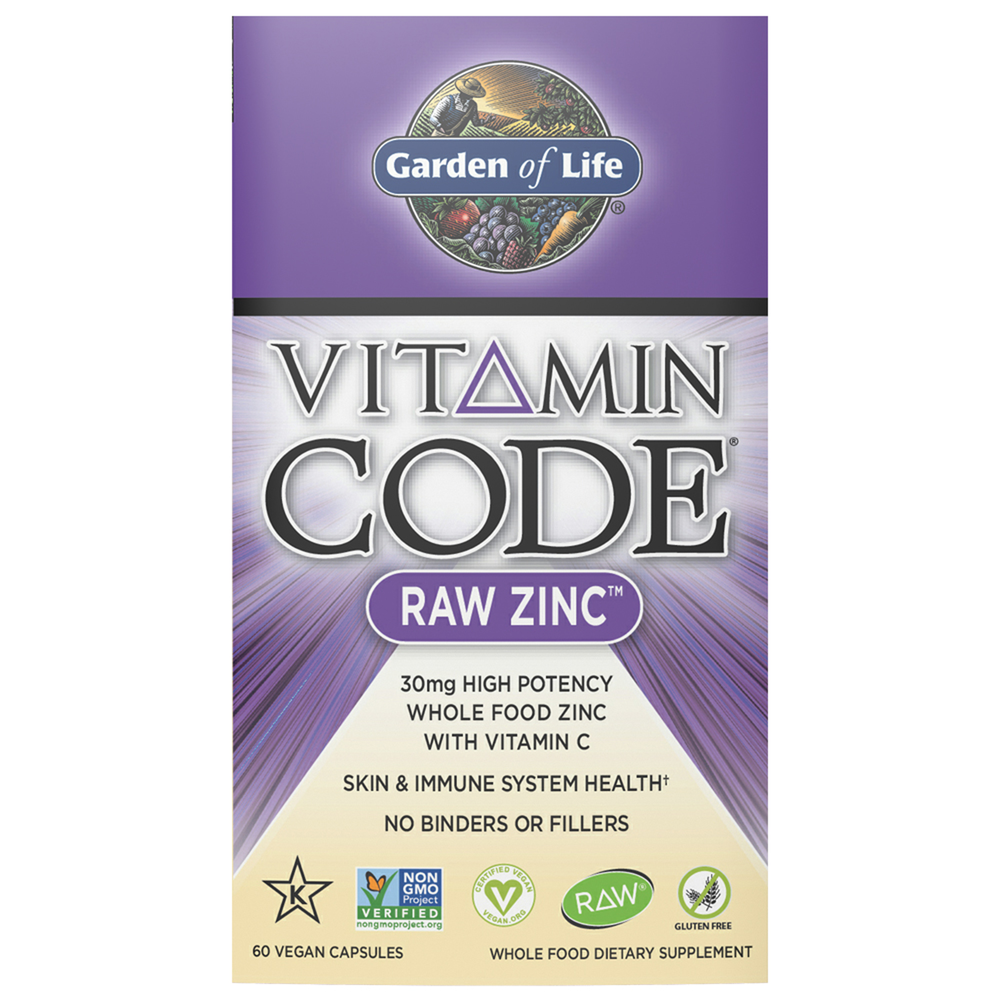
Vitamin Code Raw Zinc
Garden of Life
60 capsules
$15.99$12.99 with Subscribe & Save
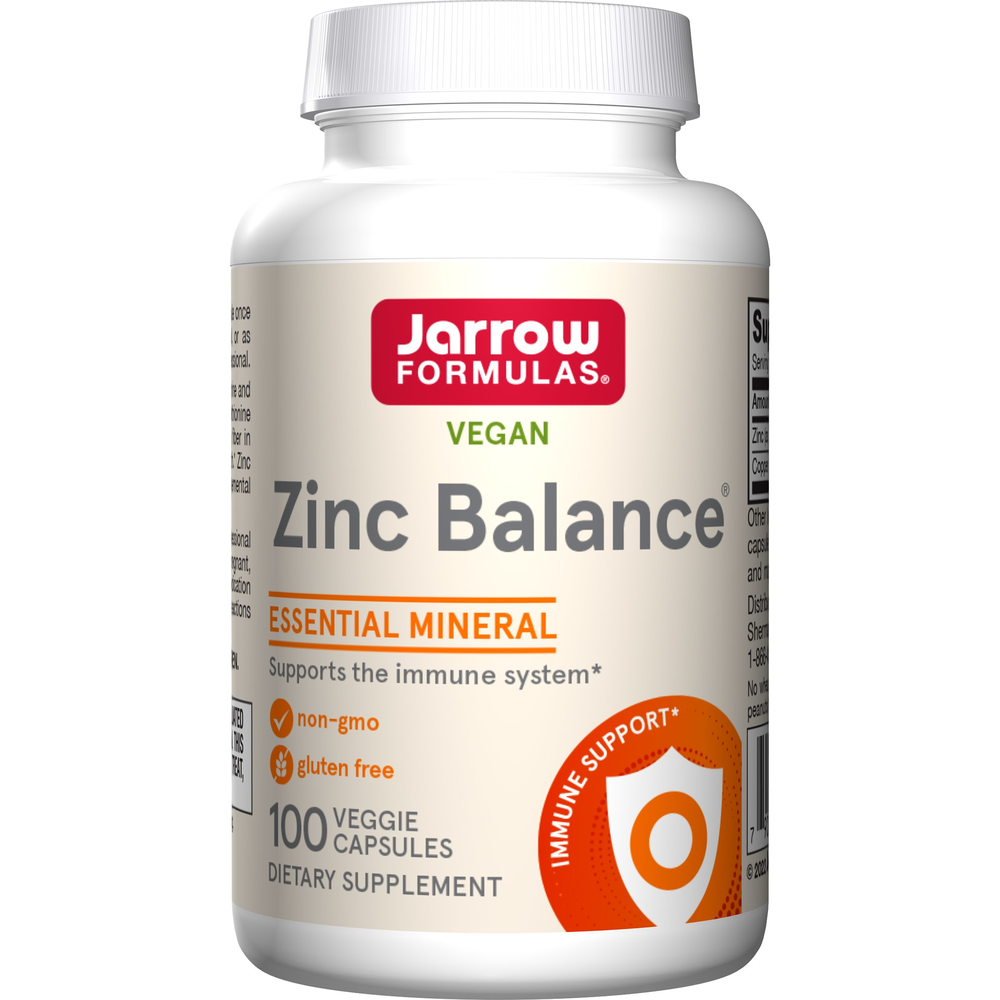
Zinc Balance
Jarrow Formulas
100 capsules
$16.99$13.99 with Subscribe & Save
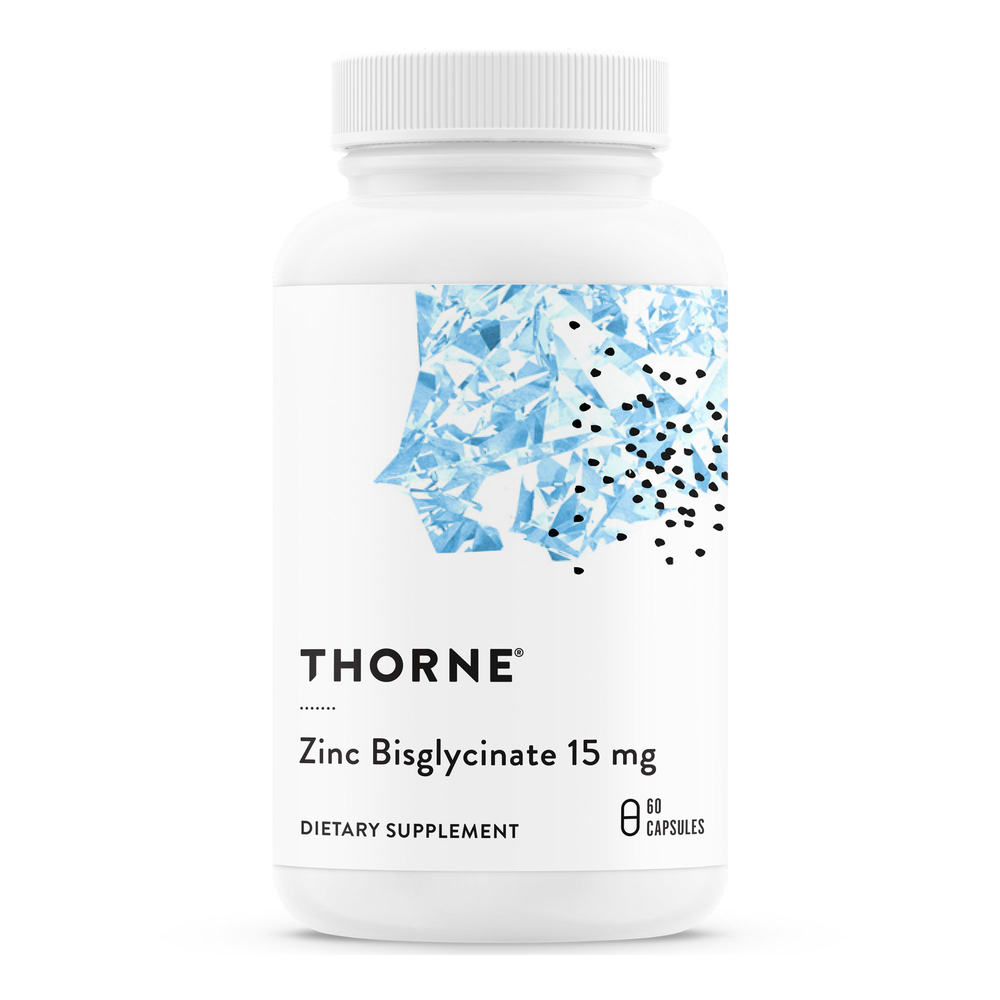
Zinc Bisglycinate 15mg
Thorne
60 capsules
$15.00$13.50 with Subscribe & Save