 Instalab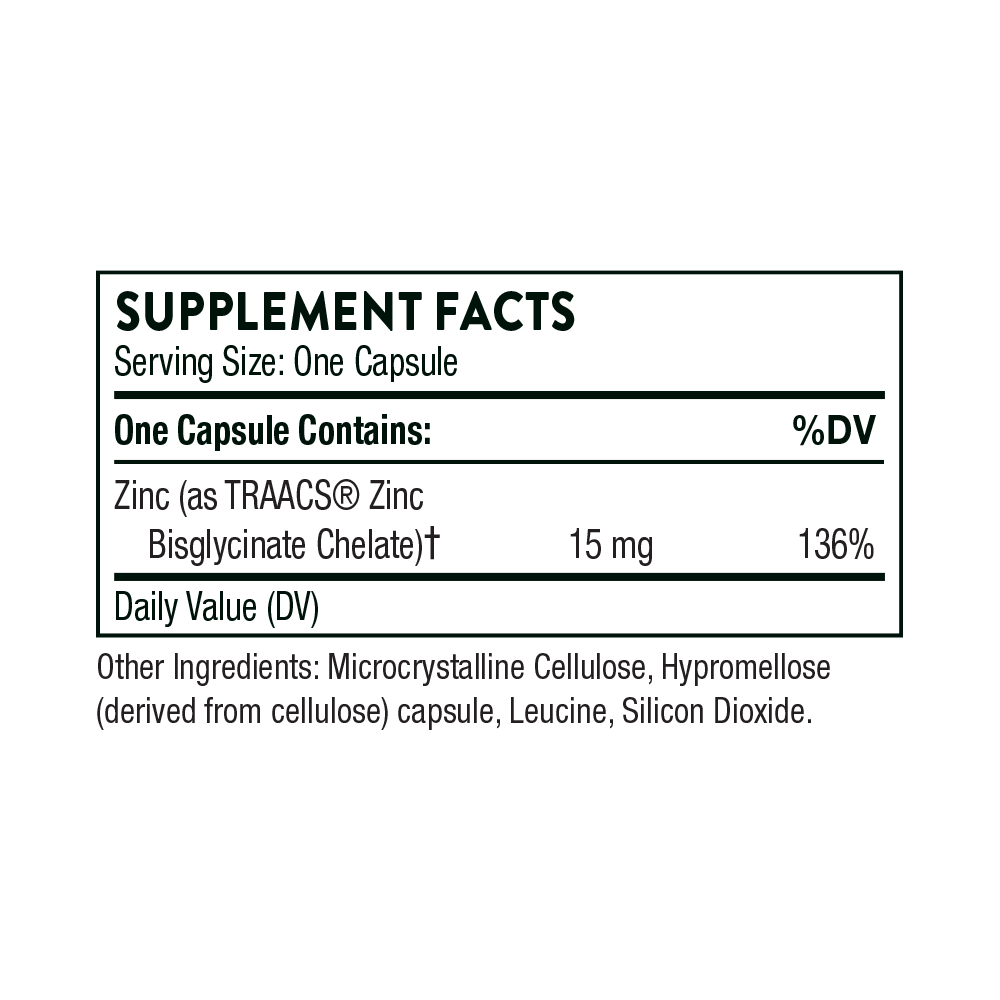
Thorne
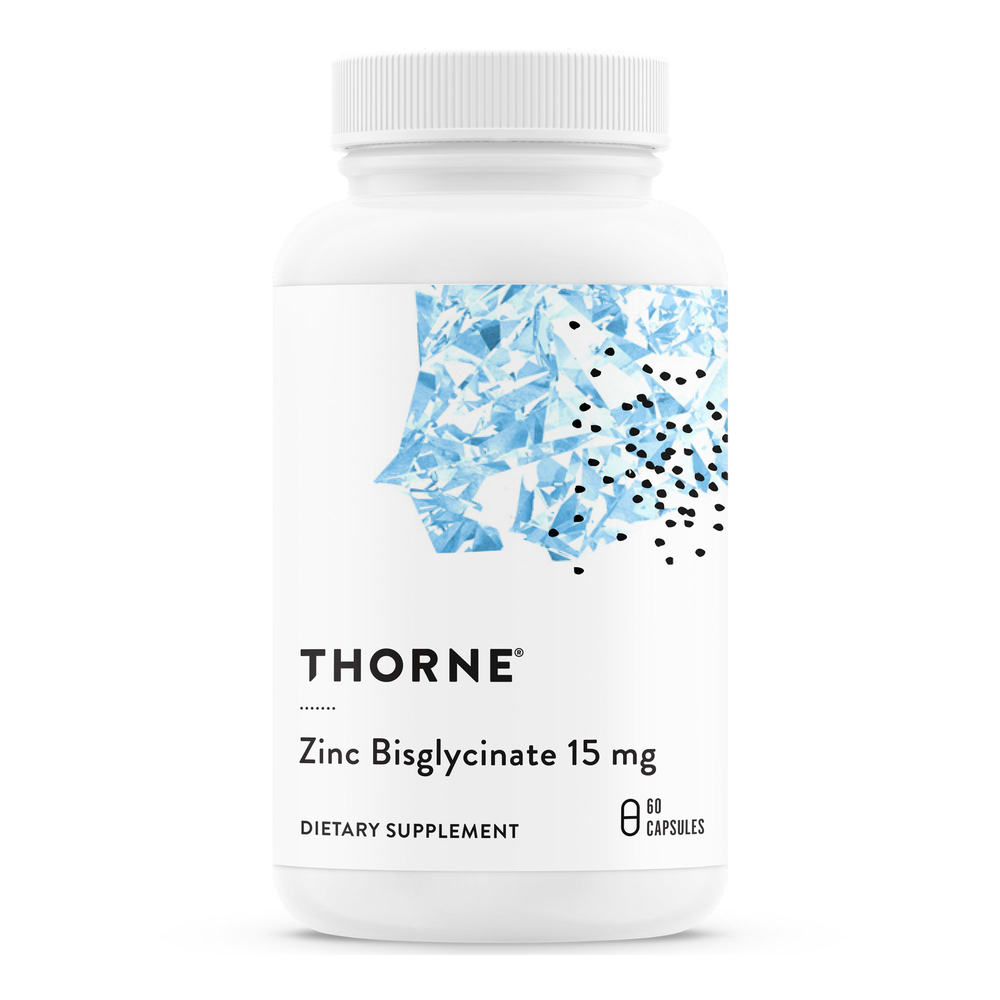
Zinc Bisglycinate 15mg by Thorne
60 capsules
Highly Absorbable Zinc for Immune and Skin Support$15.00
Purchase options
Practitioner-grade brand3rd-party testedFree shipping $50+
Thorne Zinc Bisglycinate 15mg overview
If your Zinc, Plasma is low or in the lower end of normal, zinc bisglycinate is a practical daily maintenance dose. It fits vegans and vegetarians with limited zinc-rich foods, people after bariatric surgery, those with celiac or inflammatory bowel disease, and heavy exercisers who lose minerals in sweat. It’s also reasonable if brittle nails, reduced taste or smell, or acne suggest low zinc. For established deficiency, short-term higher dosing is typical, then stepping down to 15 mg.
Zinc bisglycinate is zinc bound to two glycine molecules, which helps absorption and tends to be gentler on the stomach than basic zinc salts. Zinc itself is a cofactor for hundreds of enzymes, including those that build skin barrier proteins and support wound repair. It shapes immune cell signaling and is part of superoxide dismutase (an antioxidant enzyme that neutralizes reactive oxygen). In metabolism, zinc helps the pancreas package and release insulin, which is why low zinc can show up as higher fasting glucose over time.
Take one capsule daily with food as the label suggests. Food reduces the nausea some people get from zinc. This 15 mg zinc bisglycinate is a steady maintenance amount; if your Zinc, Plasma is meaningfully low, clinicians often use higher doses for 4 to 12 weeks, then taper to this range. Pairing zinc with a multivitamin that includes copper helps long-term balance, since zinc and copper share absorption pathways.
Separate zinc by at least 2 hours from iron or calcium supplements, which compete for uptake. Antibiotics in the quinolone class (like ciprofloxacin) and tetracyclines (like doxycycline) bind zinc; take them several hours apart per your prescriber. Penicillamine (for rheumatoid arthritis) is also affected. Long-term high-dose zinc can lower Copper or Ceruloplasmin (copper-carrying protein) levels, so monitor if supplementing beyond maintenance. If you have a known copper disorder, get clinician guidance before adding zinc.
Frequently asked questions
Is zinc bisglycinate better absorbed than other forms?
Zinc bisglycinate is well absorbed and tends to be easier on the stomach. Zinc picolinate is also well absorbed. In practice, tolerability and keeping a consistent daily dose matter more than tiny differences between quality chelates.
How long does zinc take to work for skin or taste?
If low zinc is the driver, changes in taste or smell and acne often begin improving within 4 to 8 weeks. Nail quality and skin barrier strength take longer since they depend on new growth over months.
Can I take zinc every day?
Yes, daily zinc at maintenance doses like 15 mg is common. If you’re correcting a deficiency, higher short-term dosing is usually done under clinician guidance, then you step down to a daily maintenance amount.
Does zinc cause nausea or stomach upset?
It can, especially on an empty stomach. Taking zinc bisglycinate with food minimizes queasiness, and this form is typically gentler than zinc oxide or sulfate.
Does zinc interact with antibiotics?
Yes. Zinc binds tetracyclines (e.g., doxycycline) and quinolones (e.g., ciprofloxacin) and lowers their absorption. Take them several hours apart and follow your prescriber’s instructions.
Do I need to take copper with zinc?
Not at maintenance doses for short periods, but long-term higher-dose zinc can lower copper status. If you supplement zinc beyond maintenance, consider a multivitamin with copper and check Copper or Ceruloplasmin if concerned.
Can zinc help blood sugar?
Zinc is involved in insulin storage and release, and low zinc is linked to higher fasting glucose. Correcting low zinc can help normalize this, but it’s not a standalone treatment for high blood sugar.
How to take it & ingredients
Suggested use: Adults take one capsule daily, with food, or as directed by your healthcare professional.
Certifications
Benefits
Warnings
Customers also considered
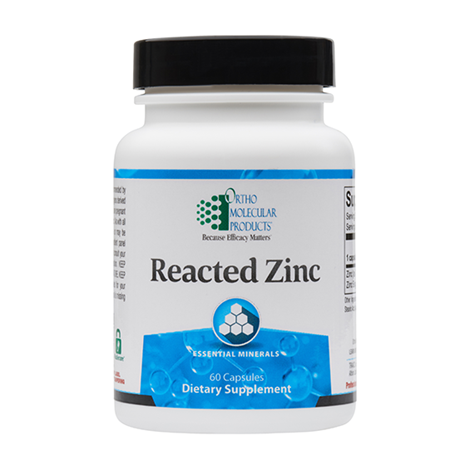
Reacted Zinc
Ortho Molecular Products
60 capsules
$32.91$29.65 with Subscribe & Save
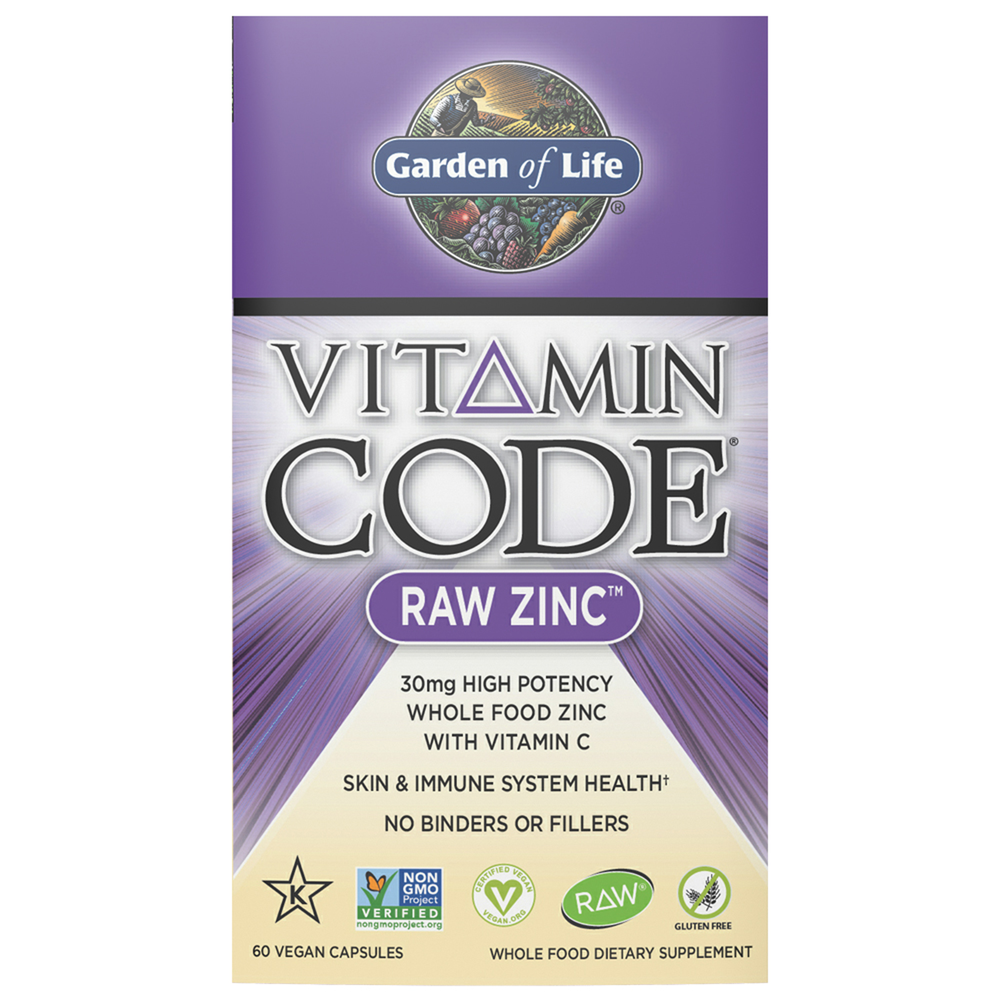
Vitamin Code Raw Zinc
Garden of Life
60 capsules
$15.99$12.99 with Subscribe & Save
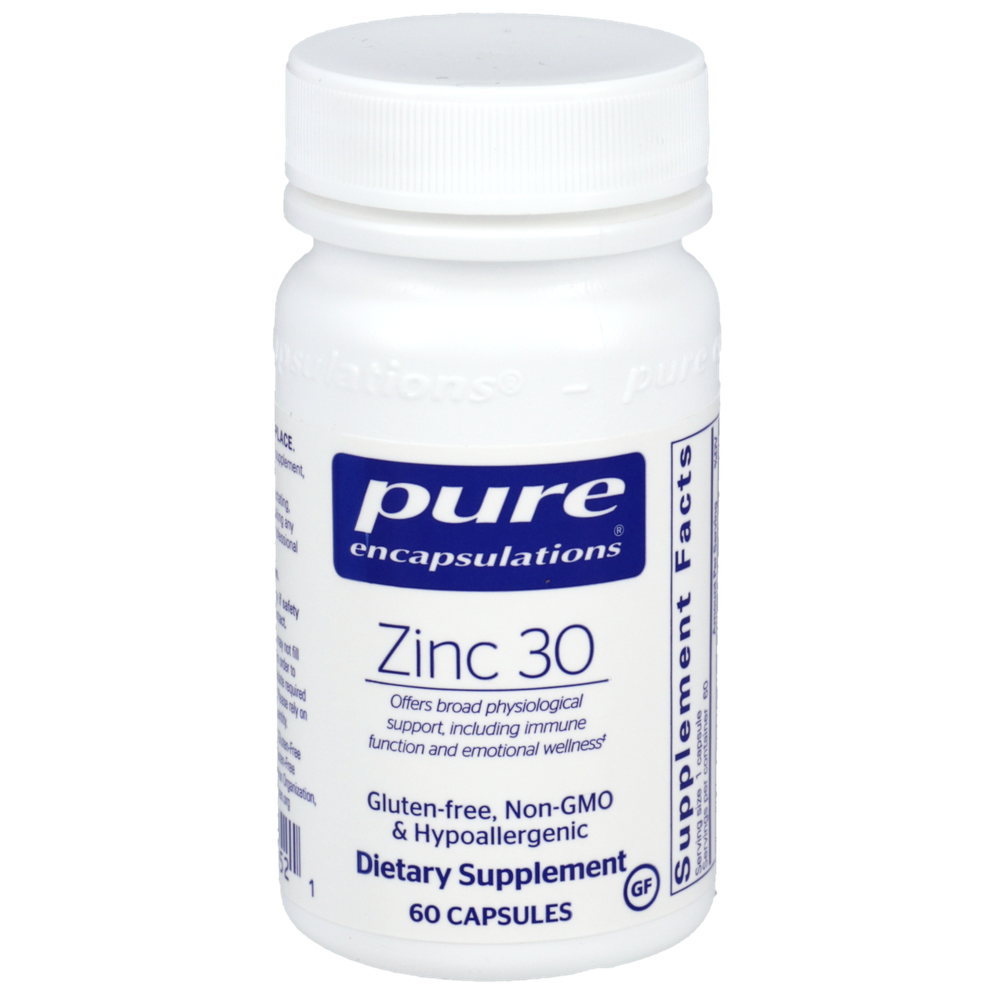
Zinc 30
Pure Encapsulations
60 capsules
$16.00$12.99 with Subscribe & Save
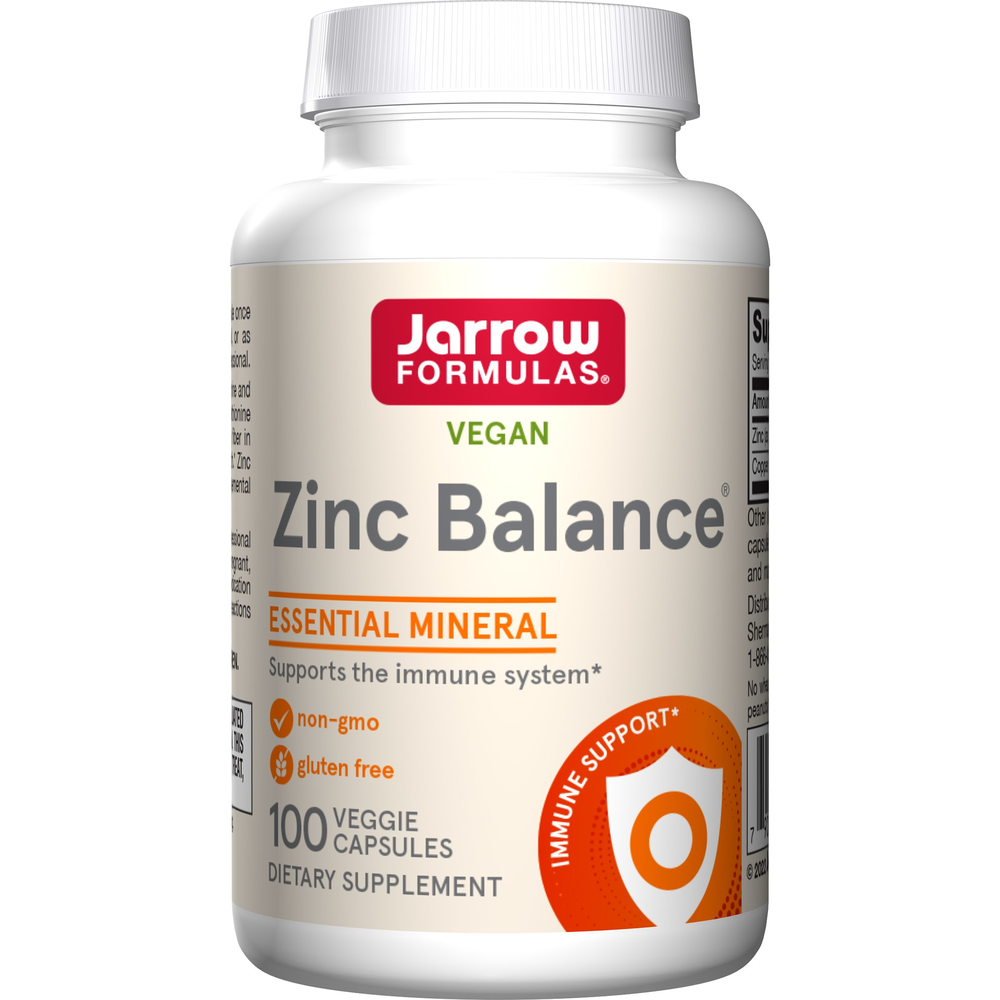
Zinc Balance
Jarrow Formulas
100 capsules
$16.99$13.99 with Subscribe & Save