 Instalab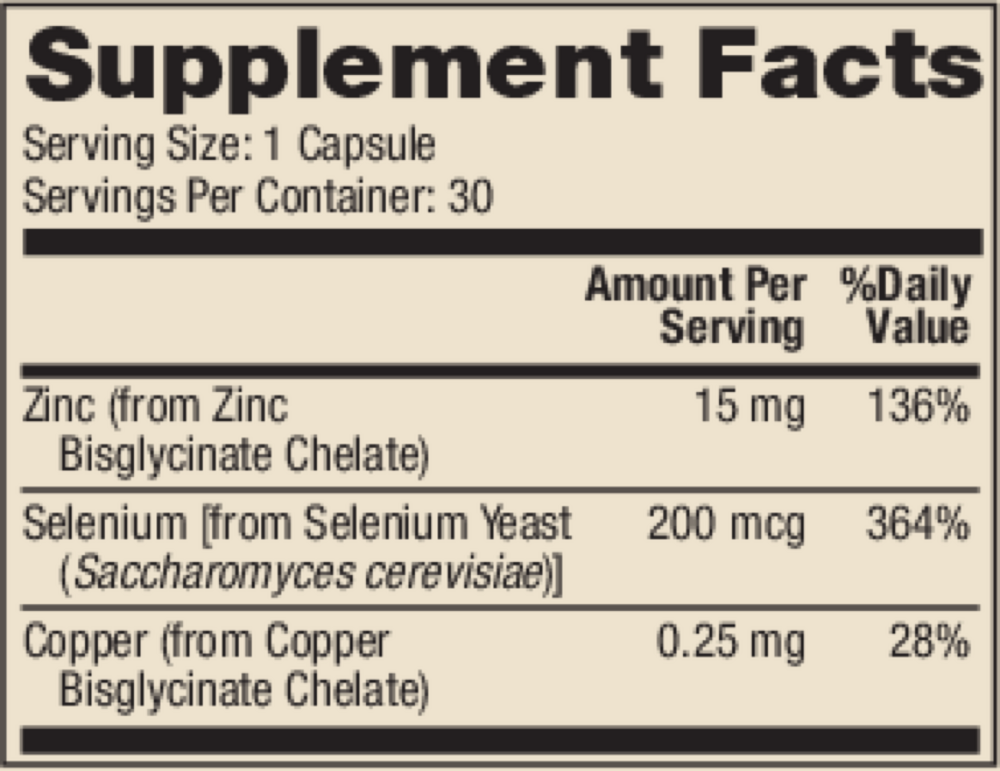

Dr. Mercola
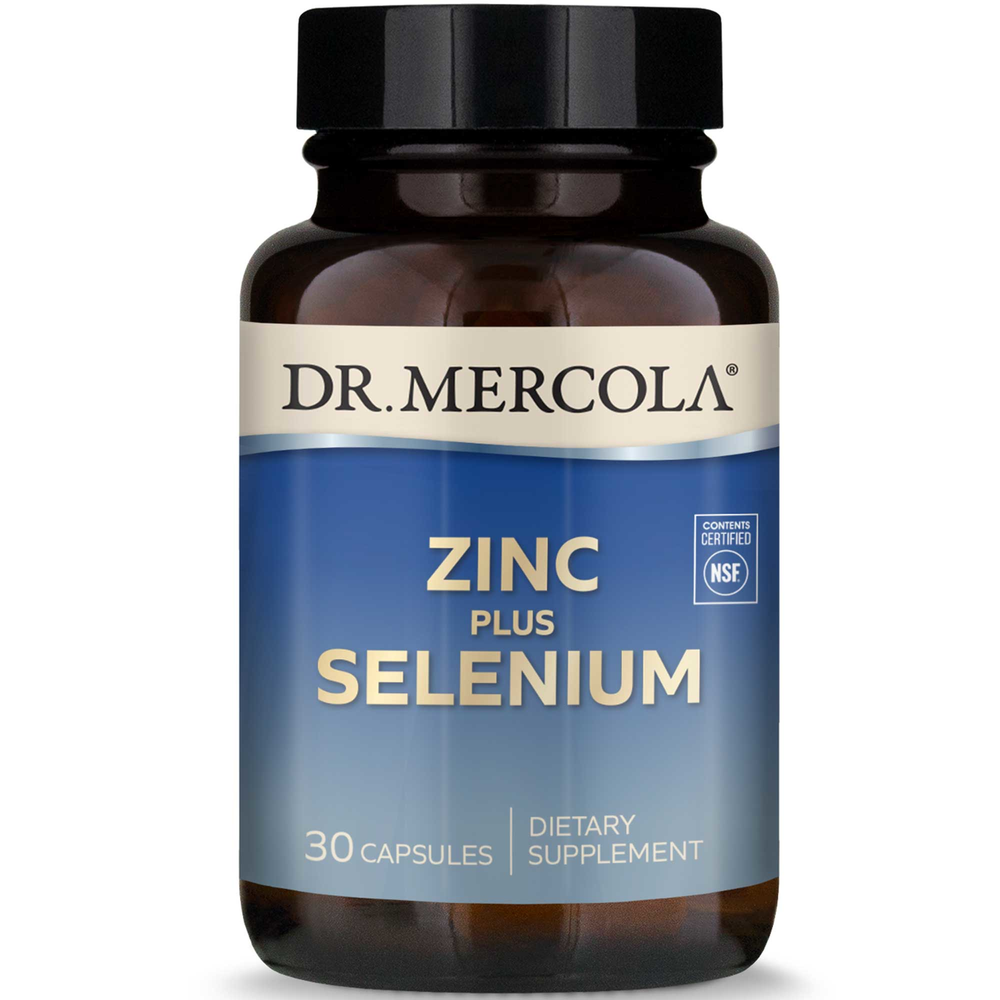
Zinc Plus Selenium by Dr. Mercola
30 capsules · 30-day supply
Essential Minerals for Immune Support and Antioxidant Protection$14.99
Purchase options
Practitioner-grade brand3rd-party testedFree shipping $50+
Gluten Free·Soy Free
Dr. Mercola Zinc Plus Selenium overview
If you’re looking for a zinc and selenium supplement to maintain healthy levels—not megadose—this fits. It’s a good match if your Zinc, Plasma or RBC Zinc is low, you eat a mostly plant-based or high‑phytate diet (grains and legumes bind zinc), or you’ve had bariatric surgery or chronic gut issues that reduce absorption. It also suits those with low Selenium, Serum or Plasma or borderline thyroid labs (TSH with low‑normal Free T3) who want steady selenium intake. This is maintenance-level zinc; if your level is clearly deficient, you’ll likely need a higher short-term plan with a clinician, then step down.
Zinc bisglycinate is a chelated form bound to the amino acid glycine, which tends to absorb well and be gentler on the stomach than oxide or sulfate. Zinc helps immune cells form and signal, and it’s required for hundreds of enzymes, including those that repair DNA. Selenium yeast provides mostly selenomethionine, the body’s preferred storage form, which feeds antioxidant enzymes like glutathione peroxidase (the system that neutralizes peroxides) and the deiodinases that convert thyroid hormone T4 to the active T3. Correcting low status can nudge hs-CRP (a systemic inflammation marker) down in some people, but this dose isn’t an acute cold treatment—zinc lozenges for colds use much higher, short-term dosing.
Take one capsule daily with a meal, as Dr. Mercola suggests. Food improves zinc tolerance and tames nausea. If you also take iron or calcium, separate them by at least 2 hours to avoid competition. Coffee or tea right with it can reduce mineral uptake, so take the capsule with water. Expect steadier lab changes within 4 to 12 weeks; recheck Zinc, Plasma or RBC Zinc and Selenium, Serum to confirm you’re in range.
Space zinc at least 2–4 hours from tetracycline or quinolone antibiotics; they bind minerals and won’t absorb well together. Separate from levothyroxine by 4 hours for the same reason. High-dose chronic zinc can lower copper, which is why a small amount of copper is included here. If your multivitamin already supplies selenium, avoid stacking multiple selenium products to prevent excess. Proton pump inhibitors and chronic diarrhea reduce zinc absorption, so verify with labs rather than guessing.
Is 15 mg of zinc enough? For maintenance, yes; for established deficiency, higher short-term dosing is typical under clinician guidance. Is 200 mcg of selenium safe daily? For most adults not taking other selenium, yes; don’t combine with additional selenium unless labs justify it. Thyroid benefits? Selenium supports the enzymes that activate thyroid hormone; confirm with TSH and Free T3/T4 rather than going by symptoms alone.
Frequently asked questions
What does a zinc and selenium supplement do?
It maintains two minerals your immune system and thyroid rely on. Zinc supports immune cell function and tissue repair; selenium feeds antioxidant enzymes and helps convert T4 to active T3. Benefits show up on labs within 4–12 weeks if you started low.
How long before zinc and selenium start working?
For most people, 4–12 weeks of daily use is enough to see changes on Zinc, Plasma or RBC Zinc and Selenium, Serum. Symptom changes, if related to deficiency, often track with lab repletion rather than days.
Can I take zinc and selenium with my multivitamin?
Yes, but check the labels. If your multivitamin already has selenium, avoid piling on more without labs, since excess selenium is not helpful. Zinc can be combined, but balance with copper over time.
Do zinc or selenium interact with antibiotics or thyroid meds?
Yes. Separate zinc from tetracycline or quinolone antibiotics by 2–4 hours, and from levothyroxine by 4 hours, to avoid absorption problems. This is spacing, not a ban.
Is this good for colds or flu?
Not as an acute treatment. Trials that shorten colds use high-dose zinc lozenges started immediately at symptom onset. This capsule is a daily maintenance dose to keep levels in range over time.
Should vegetarians or vegans take zinc and selenium?
Often, yes. High‑phytate plant foods bind zinc, and selenium intake varies by soil content. If your Omega-3 Index is fine but Zinc, Plasma or Selenium, Serum run low, this is a simple way to fill the gap.
Any side effects to watch for with zinc and selenium?
Taken with food, zinc is usually well tolerated; empty-stomach dosing can cause nausea. Too much selenium from stacking products can cause brittle hair or nails over time—avoid multiple selenium sources unless labs are low.
Can I take this during pregnancy?
Only if it fits with your prenatal. Many prenatals already include zinc and selenium; doubling up can overshoot. Work with your clinician and confirm with Zinc, Plasma and Selenium, Serum if needed.
How to take it & ingredients
Suggested use: Adults, as a dietary supplement, take one (1) capsule daily with a meal.
Active ingredients
1 capsule per serving · 30 servings
Zinc
Zinc Bisglycinate Chelate
Zinc Bisglycinate Chelate
15 mg
Selenium
Selenium Yeast (Saccharomyces cerevisiae)
Selenium Yeast (Saccharomyces cerevisiae)
200 mcg
Copper
Copper Bisglycinate Chelate
Copper Bisglycinate Chelate
0.25 mg
Other ingredients: Organic rice hull, Capsule (hydroxypropyl methylcellulose)
Certifications
Benefits
Warnings
Customers also considered
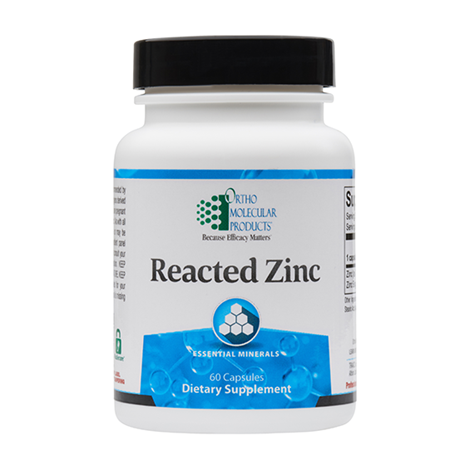
Reacted Zinc
Ortho Molecular Products
60 capsules
$32.91Save 10% with Subscribe & Save
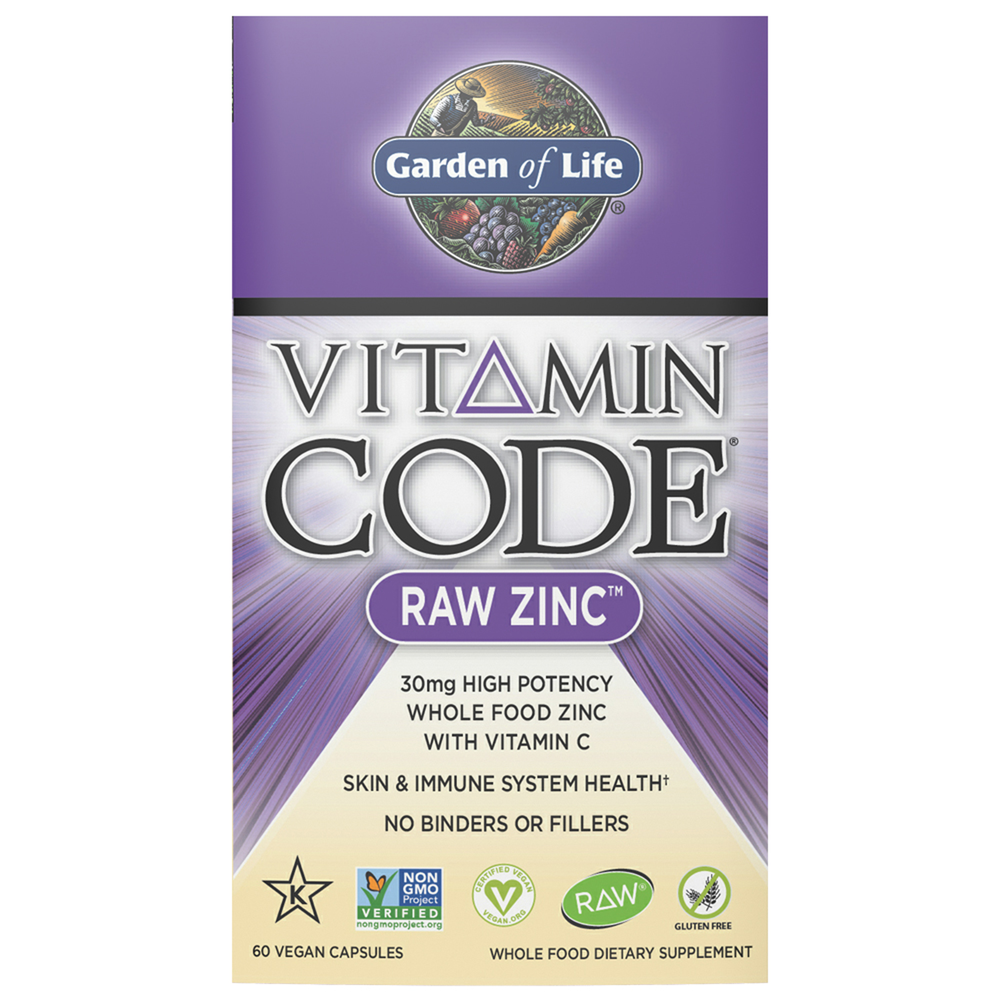
Vitamin Code Raw Zinc
Garden of Life
60 capsules
$15.99Save 19% with Subscribe & Save
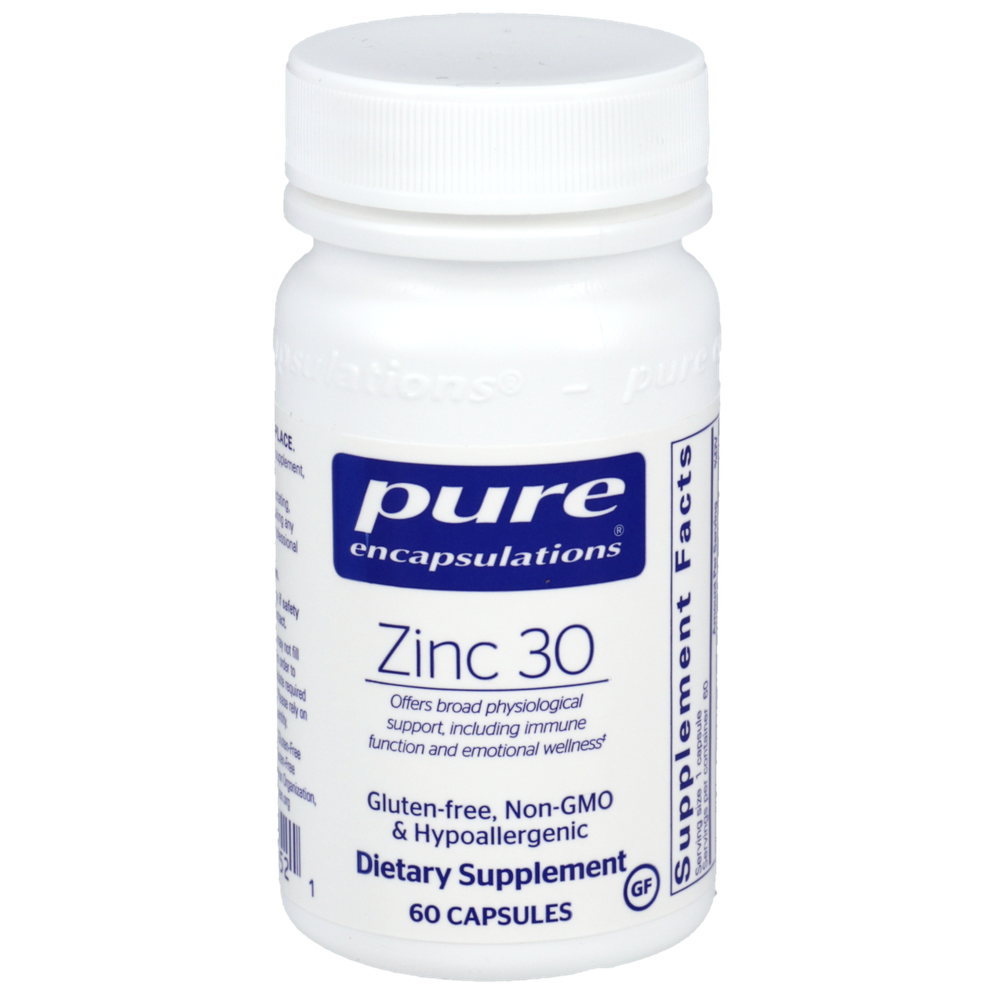
Zinc 30
Pure Encapsulations
60 capsules
$16.00Save 19% with Subscribe & Save
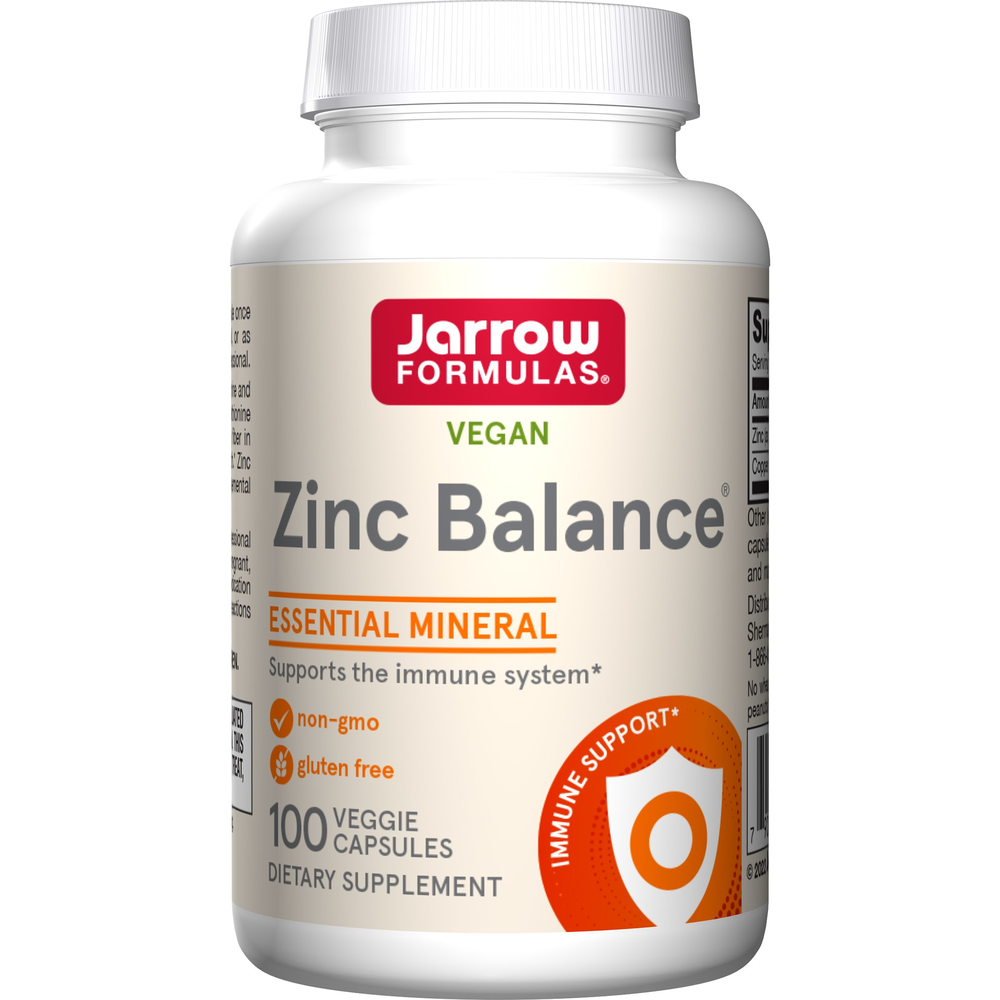
Zinc Balance
Jarrow Formulas
100 capsules
$16.99Save 18% with Subscribe & Save