 Instalab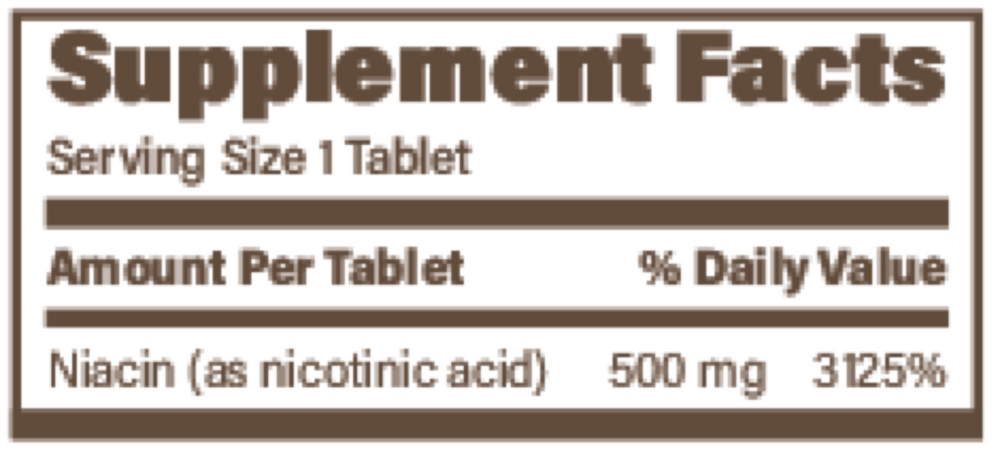

Endurance Products Company
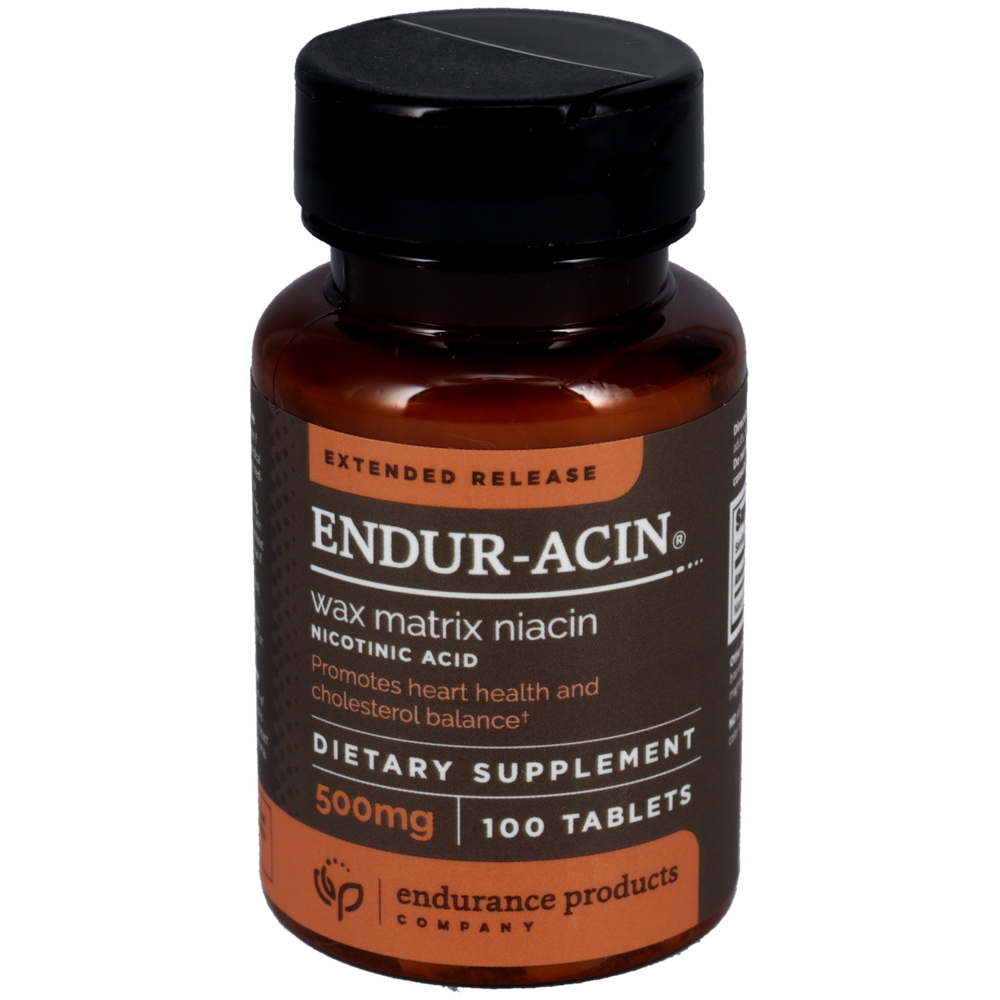
Extended Release ENDUR-ACIN 500 mg by Endurance Products Company
100 tablets · 100-day supply
Sustained Release Niacin for Energy, Metabolism, and Heart Health$22.99
Purchase options
Practitioner-grade brand3rd-party testedFree shipping $50+
Gluten Free·Soy Free·Dairy Free·Egg Free·Milk Free·Tree Nut Free·
Endurance Products Company Extended Release ENDUR-ACIN overview
If your lipid pattern shows high triglycerides and low HDL on a standard lipid panel, extended-release niacin can be a practical option. It also suits people who can’t tolerate statins, or those with elevated Lp(a) (lipoprotein(a), a genetically influenced particle) looking for a non-statin way to lower it. Expect changes within 4 to 8 weeks. If your LDL is already well controlled on a statin and your ApoB (the particle count marker) is on target, adding niacin hasn’t improved cardiovascular outcomes in large trials.
Niacin (nicotinic acid) reduces how much fat your liver ships out as VLDL particles (the form your liver packages triglycerides into for transport), which lowers triglycerides and, downstream, LDL. It also slows the breakdown of ApoA-I (the main HDL protein), so HDL usually rises. Lp(a) often falls as the liver makes fewer of these particles. Flushing comes from skin prostaglandins (short-lived signaling molecules); a steady-release tablet evens out the blood level, which tames flushing compared with immediate-release.
Take one 500 mg tablet with food, ideally in the evening. Do not crush or split extended-release niacin. To minimize flushing, avoid alcohol and hot beverages around the dose, and consider taking a cool shower or light snack beforehand. Many clinicians titrate: every other night for a week, then nightly. Recheck a lipid panel, non-HDL cholesterol, and Lp(a) if relevant after 8 weeks, and monitor ALT and AST (liver enzymes).
Active liver disease, heavy alcohol use, or previously elevated ALT/AST are reasons to avoid niacin. It can raise fasting glucose, so poorly controlled diabetes needs close monitoring with HbA1c and fasting glucose. It can raise uric acid and trigger gout. Combined use with statins increases the chance of muscle symptoms and liver enzyme elevations. If you’re pregnant, breastfeeding, or have a history of peptic ulcer, choose a different strategy.
Most responders see triglycerides drop 20–30%, HDL rise 10–25%, LDL shift modestly, and Lp(a) fall about 20% within 4 to 8 weeks. That said, outcome trials added to statins didn’t show fewer heart attacks, so use niacin to improve a specific lab pattern, not as a universal add-on. Endurance Products Company uses a wax-matrix extended release to reduce flushing while keeping once-daily dosing practical.
Frequently asked questions
How long does niacin take to lower cholesterol?
You’ll usually see changes on a lipid panel within 4 to 8 weeks. Recheck triglycerides, HDL, non-HDL cholesterol, and, if relevant, Lp(a) after 8 weeks to judge response and safety alongside liver enzymes.
Does niacin really raise HDL?
Yes. HDL often increases 10–25% because niacin slows breakdown of ApoA-I (the main HDL protein). While HDL rises, large trials did not show better cardiovascular outcomes when adding niacin to well-dosed statins.
Is extended-release niacin safer than immediate-release?
Extended-release niacin causes less flushing, which improves tolerance. All forms can affect the liver, so monitor ALT and AST. Very slow-release “sustained” products have been linked to more liver issues than well-formulated extended-release.
Can I take niacin with a statin?
You can, but do it under clinician supervision. The combo increases the chance of muscle symptoms and liver enzyme elevations, and outcome trials didn’t show added benefit for most patients already controlled on a statin.
How do I reduce niacin flushing?
Take it with food, avoid alcohol and hot drinks around dosing, and start with every other night for a week before going nightly. A cool environment helps. Flushing is harmless and usually fades after the first few doses.
Does niacin affect blood sugar?
Niacin can raise fasting glucose and insulin resistance slightly. If you have diabetes or prediabetes, monitor fasting glucose and HbA1c after starting or changing the dose, and coordinate with your clinician.
Who should avoid taking niacin?
Avoid it if you have active liver disease, heavy alcohol use, gout or high uric acid, poorly controlled diabetes, or a history of peptic ulcer. Pregnancy and breastfeeding are also times to skip non-essential niacin supplementation.
How to take it & ingredients
Suggested use: Take 1 tablet daily with food. Do not exceed one tablet daily without consulting a physician.
Active ingredients
1 tablet per serving · 100 servings
Niacin
Nicotinic acid (extended release)
Nicotinic acid (extended release)
500 mg
Other ingredients: Vegetable wax (rice bran and/or carnauba), Stearic acid (vegetable), Magnesium stearate (vegetable), Silica
Certifications
Benefits
Warnings
Customers also considered
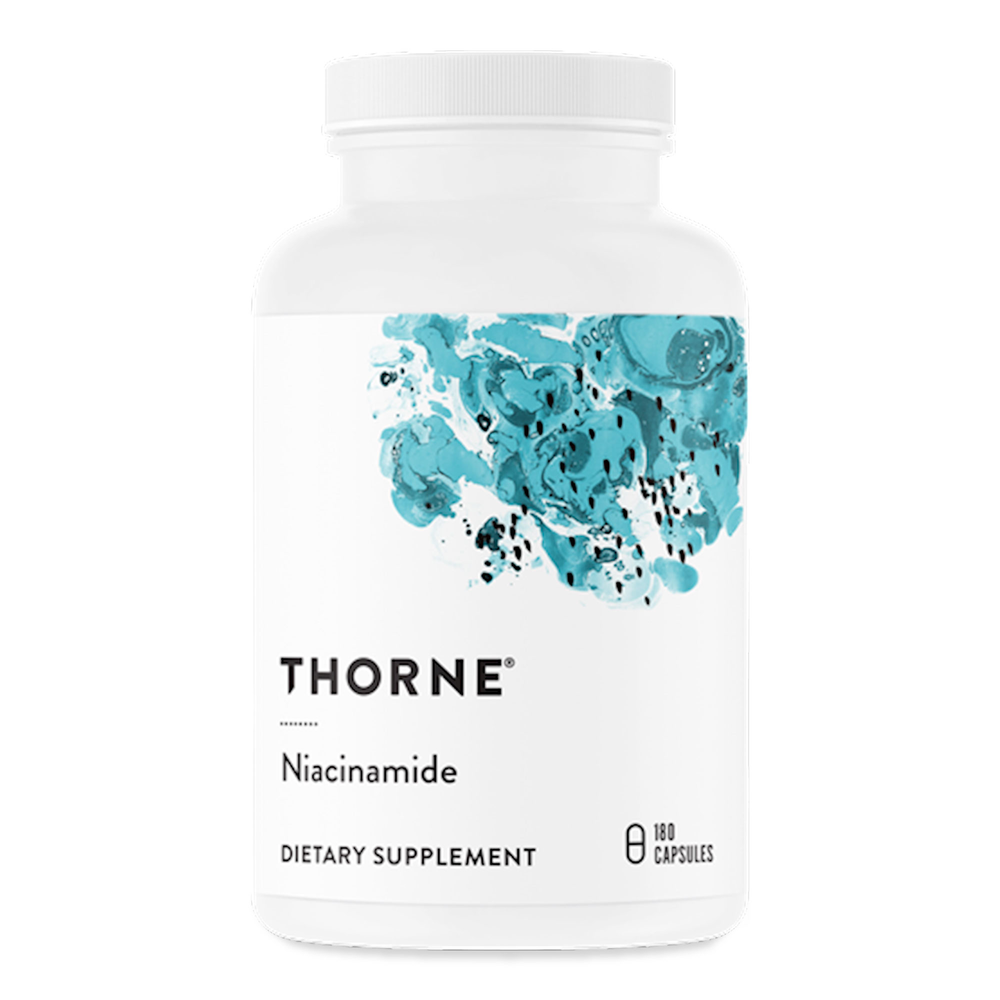
Niacinamide
Thorne
180 capsules
$26.00$23.40 with Subscribe & Save
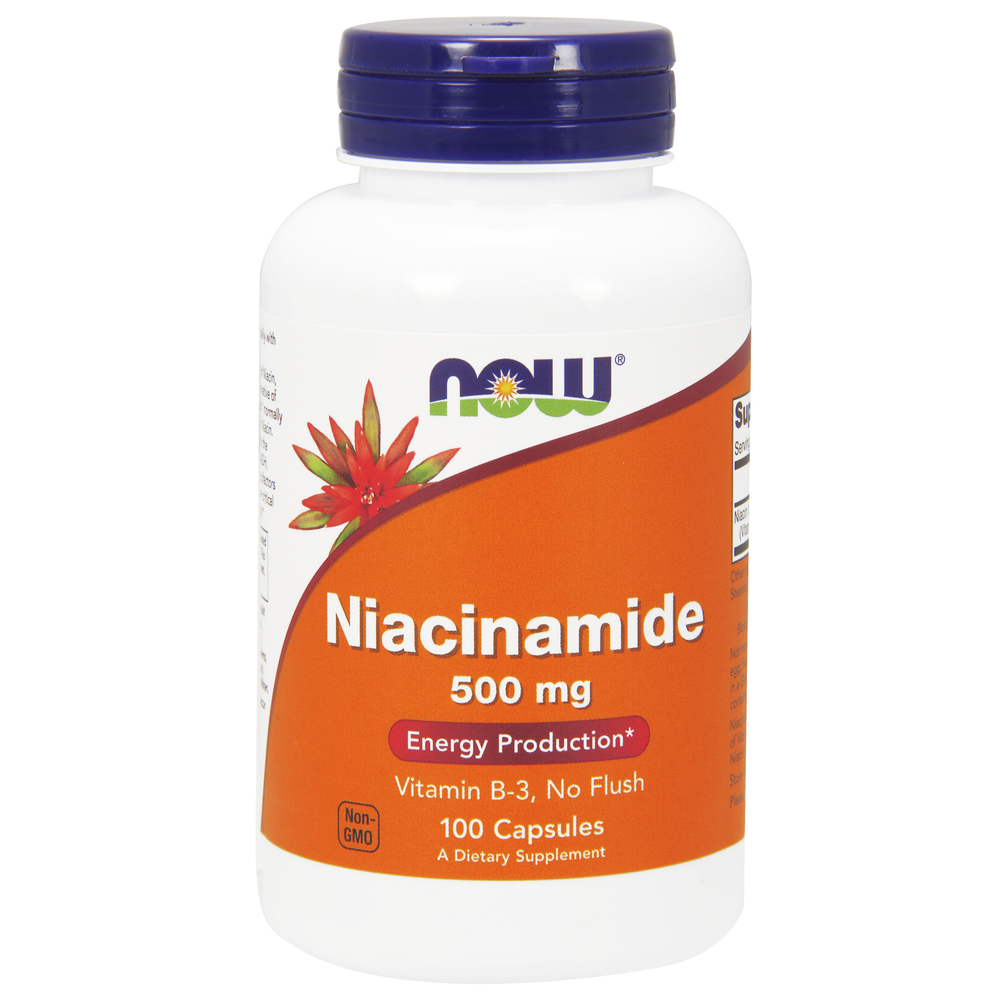
Niacinamide 500 mg
Now Foods
100 capsules
$12.99$9.99 with Subscribe & Save
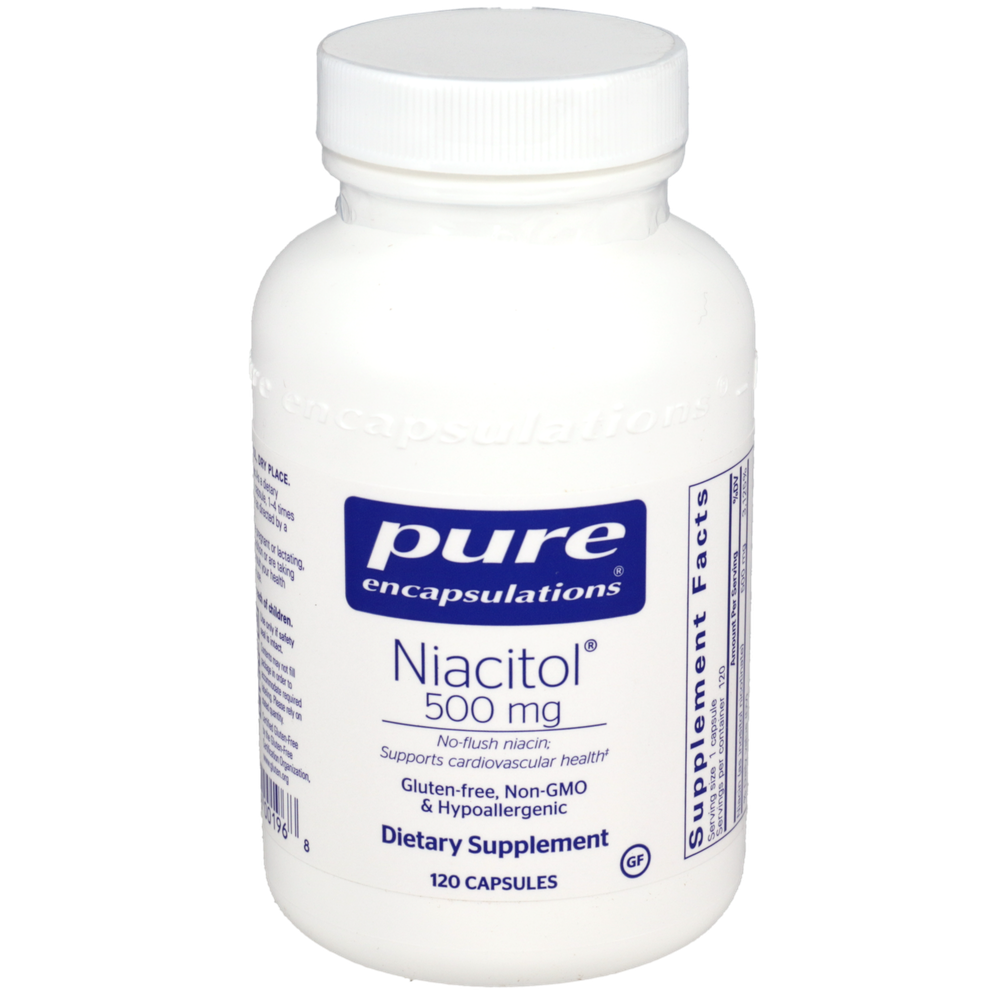
Niacitol 500mg
Pure Encapsulations
120 capsules
$58.00$45.99 with Subscribe & Save
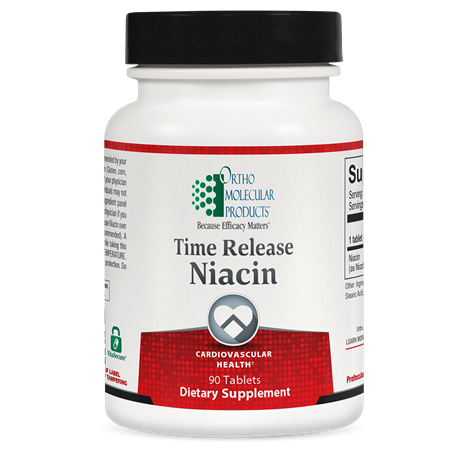
Time Release Niacin
Ortho Molecular Products
90 capsules
$45.01$40.55 with Subscribe & Save