 Instalab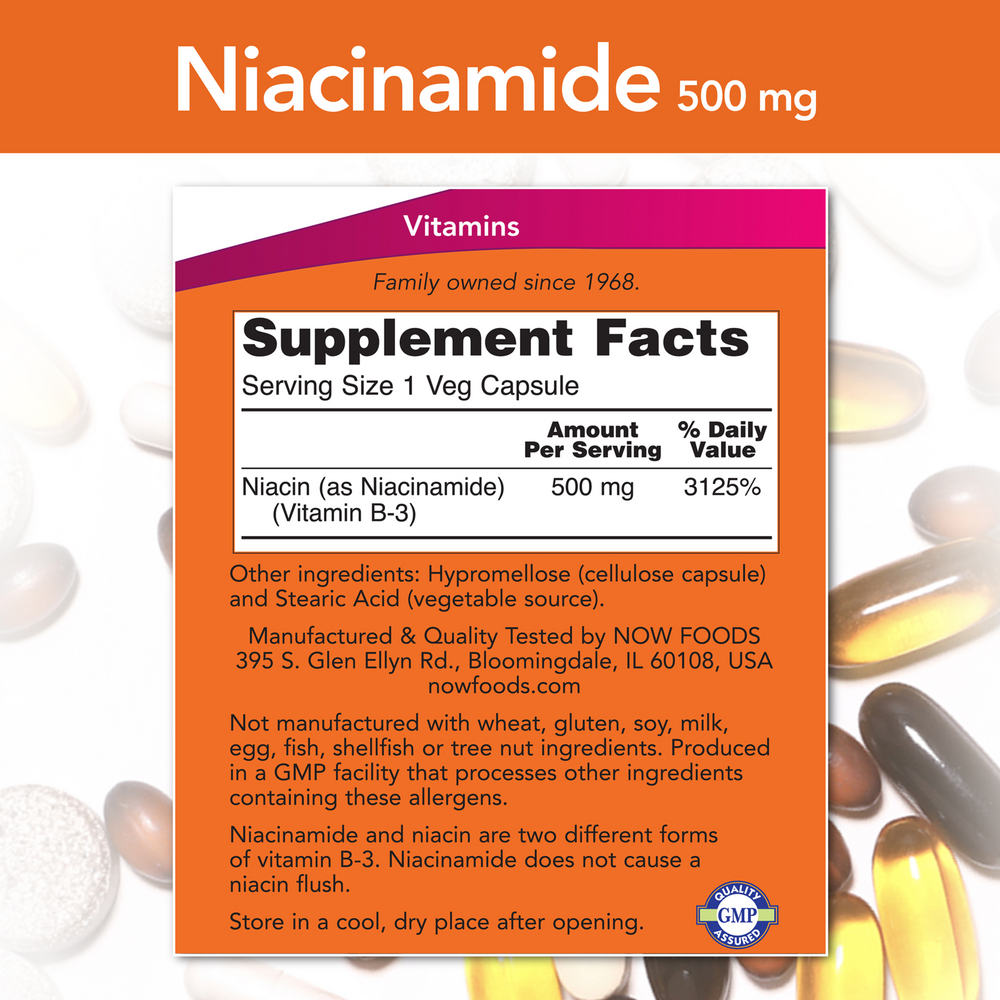

Now Foods
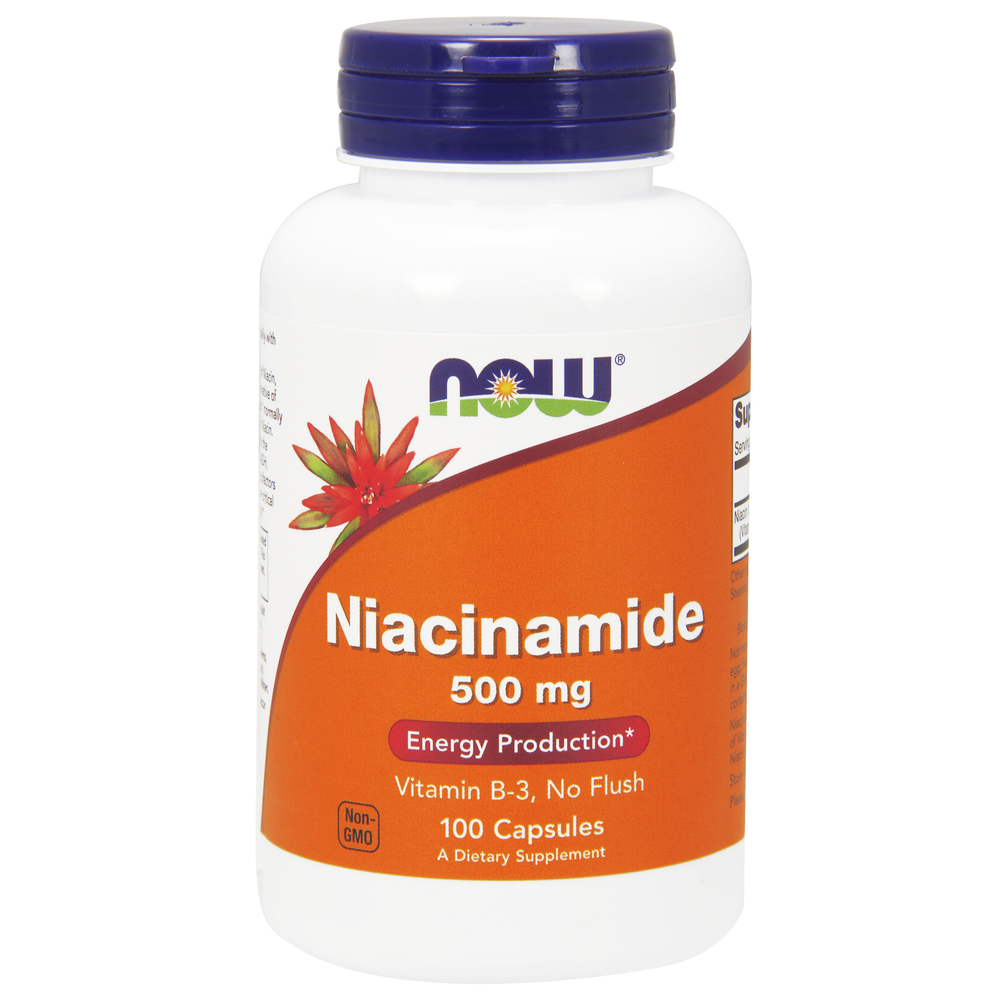
Niacinamide 500 mg by Now Foods
100 capsules · 100-day supply
Supports Healthy Skin, Energy Production, and Cellular Function$12.99
Purchase options
Practitioner-grade brand3rd-party testedFree shipping $50+
Gluten Free·Soy Free·Dairy Free·Egg Free·Salt Free·Wheat Free·
Now Foods Niacinamide 500 mg overview
Choose niacinamide 500 mg if you want vitamin B3 without the flushing that comes with niacin. It’s a good fit for people chasing steady cellular energy, especially if you train hard, drink alcohol regularly, eat a low-calorie or low-meat diet, or are targeting healthy aging via NAD status. If you were hoping for cholesterol changes, this isn’t the form—niacinamide doesn’t lower LDL or triglycerides on a lipid panel, and it’s used for maintenance, not lipid therapy.
Niacinamide (nicotinamide) is converted into NAD+ and NADP+ (cellular coenzymes that move electrons to make ATP, your cell’s usable energy, and to run antioxidant systems). Keeping these pools replete supports energy production in mitochondria and DNA repair enzymes. Unlike niacin (nicotinic acid), it doesn’t trigger the skin blood-vessel dilation that causes flushing, and it doesn’t act on lipids. Dermatology trials also used nicotinamide to help maintain normal skin cell turnover and immune surveillance in sun-exposed skin.
Take one capsule daily with a meal, as NOW suggests. If you’re sensitive to B vitamins on an empty stomach, food matters. For dermatology uses, studies often used 500 mg twice daily; discuss that higher total with your clinician. Most people notice steadier energy within 1–2 weeks. This is a maintenance-level dose; avoid stacking multiple B-complexes that already include high-dose vitamin B3.
If you have active liver disease or heavy alcohol use, avoid high-dose vitamin B3 and get liver enzymes like ALT checked before considering it. People with gout should be cautious at high doses because B3 can raise uric acid. If you have diabetes or insulin resistance, monitor fasting glucose and A1C when changing doses. Pregnancy and breastfeeding: stick to prenatal-level B3 unless your clinician advises otherwise.
Is this the same as niacin? No—niacinamide won’t cause flushing and won’t lower lipids. Can it help skin? Oral nicotinamide has evidence for non-melanoma skin cancer prevention at 500 mg twice daily in high-risk adults; for acne, topical forms have stronger data than oral. Does it raise NAD? Yes, it feeds NAD+ pathways, which is why it’s used in healthy aging programs.
Frequently asked questions
Does niacinamide cause flushing like niacin?
No. Niacinamide (nicotinamide) doesn’t activate the skin pathway that causes flushing, so you won’t get the warm, red flush typical of niacin (nicotinic acid).
Can niacinamide lower cholesterol or triglycerides?
No. Unlike niacin, niacinamide does not lower LDL cholesterol or triglycerides. If your lipid panel is elevated, look to prescription therapy or high-dose niacin under medical care.
Is 500 mg of niacinamide safe to take daily long term?
For most adults, 500 mg daily is well tolerated. Very high intakes (gram-level) can raise liver enzymes; if you plan to take more than 500–1,000 mg/day, periodic ALT/AST checks are prudent.
When should I take niacinamide—morning or night, with food or without?
Take it with a meal at any consistent time. Food reduces any mild stomach upset some people get with B vitamins; timing doesn’t change its effect on NAD pathways.
Will niacinamide affect my blood sugar?
At typical doses, effects are small, but high-dose vitamin B3 can nudge glucose higher in some people. If you have diabetes or prediabetes, watch fasting glucose and A1C after starting.
Does oral niacinamide help with skin cancer prevention?
In a dermatology trial of high‑risk adults, 500 mg twice daily reduced new non‑melanoma skin cancers. Discuss dose and duration with your dermatologist before replicating that regimen.
Can I take niacinamide with other NAD boosters like NR or NMN?
You can, but stacking precursors isn’t always additive and may cause nausea. Start with one approach, reassess energy and labs (like liver enzymes), then consider combinations.
Are there any medications that interact with niacinamide?
No major drug interactions are typical at 500 mg/day. If you use hepatotoxic drugs (like some antifungals or TB meds), coordinate with your clinician and monitor liver enzymes.
How to take it & ingredients
Suggested use: Take 1 capsule daily with a meal.
Active ingredients
1 capsule per serving · 100 servings
Niacin
Niacinamide (vitamin B3)
Niacinamide (vitamin B3)
500 mg
Other ingredients: Gelatin (capsule), Magnesium stearate (vegetable source)
Certifications
Benefits
Warnings
Customers also considered
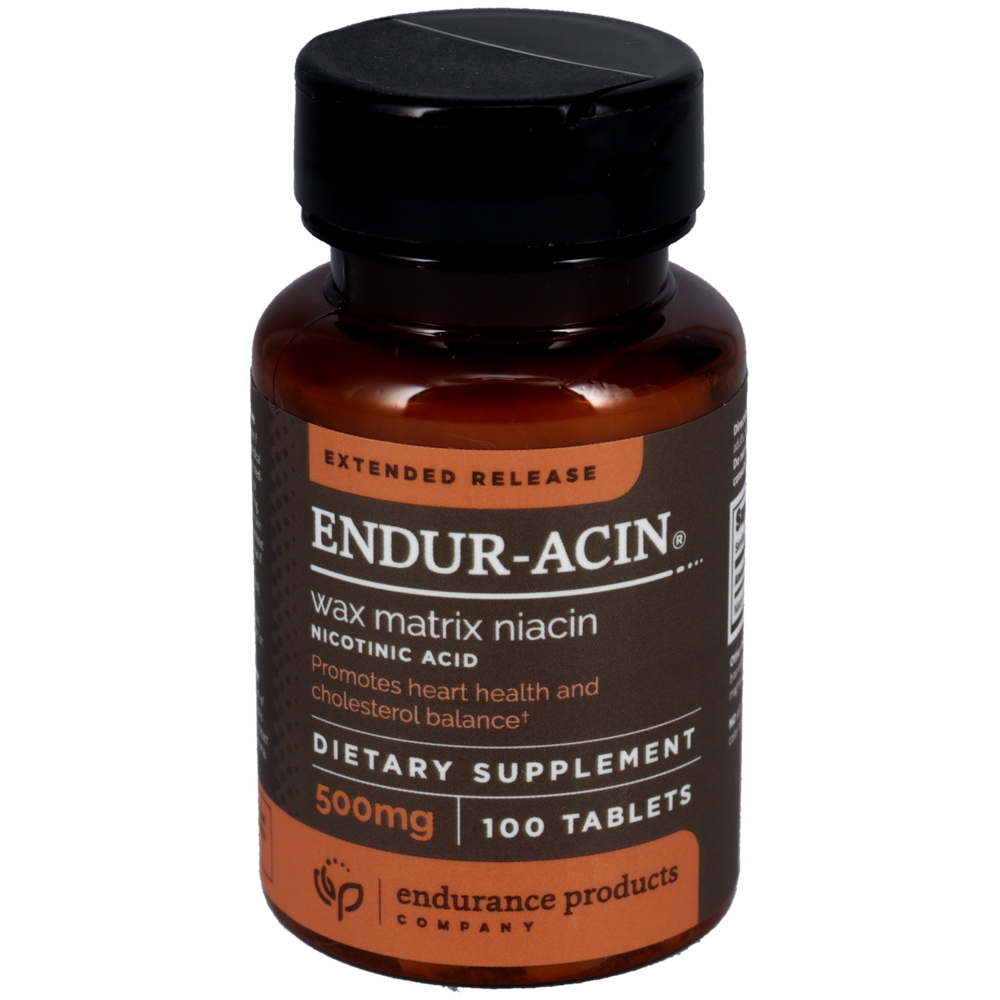
Extended Release ENDUR-ACIN
Endurance Products Company
100 tablets
$22.99$17.99 with Subscribe & Save
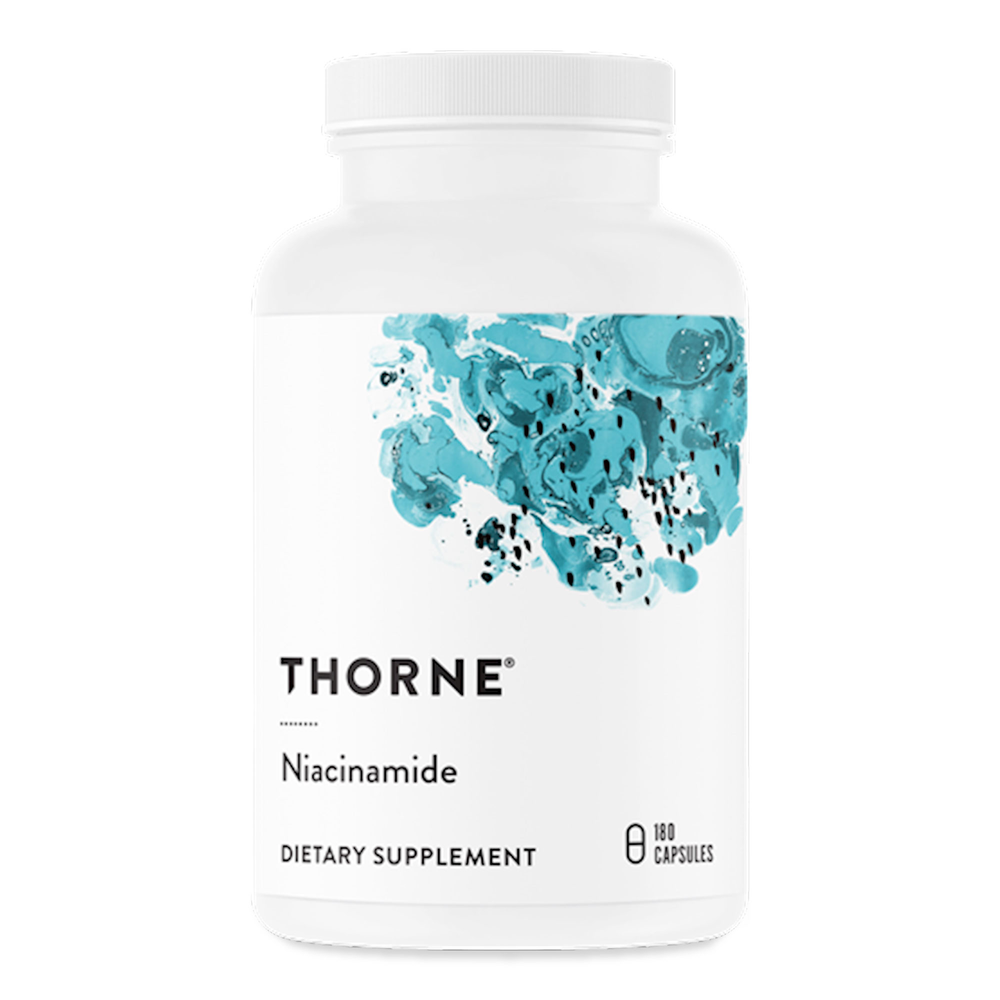
Niacinamide
Thorne
180 capsules
$26.00$23.40 with Subscribe & Save
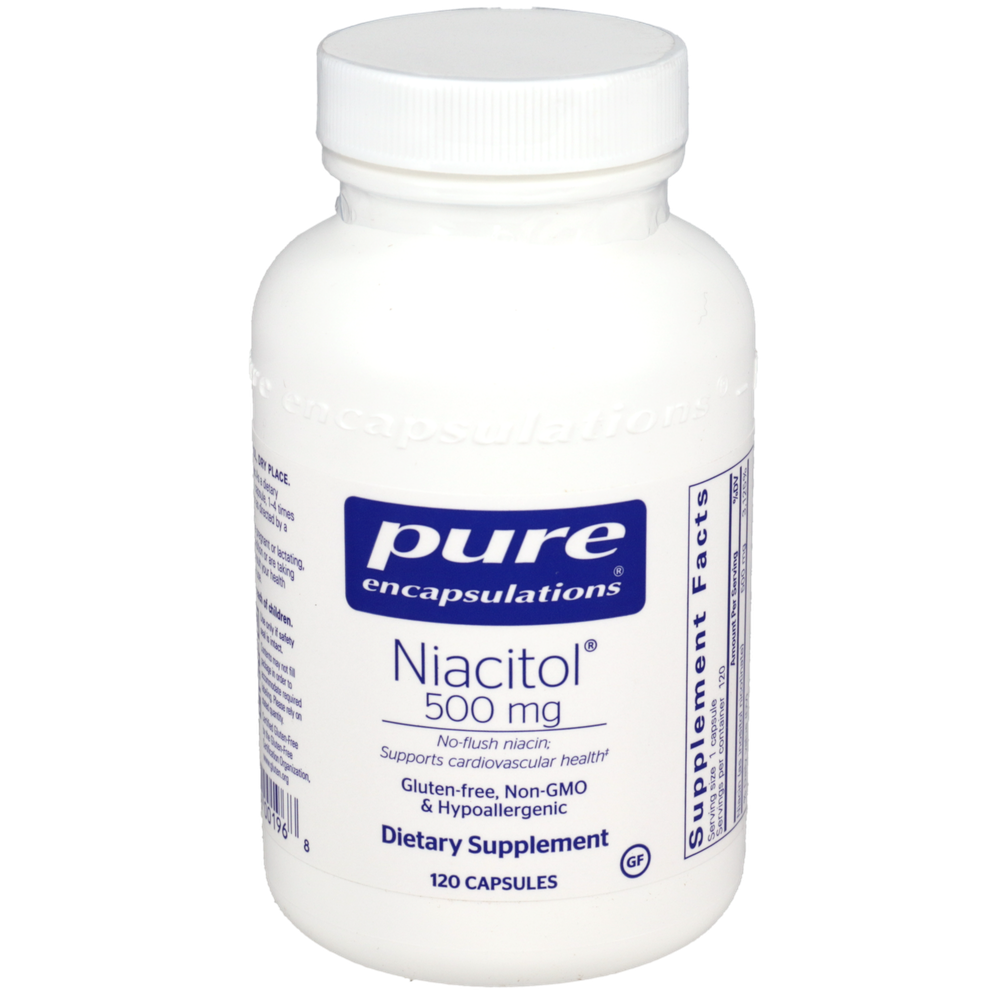
Niacitol 500mg
Pure Encapsulations
120 capsules
$58.00$45.99 with Subscribe & Save
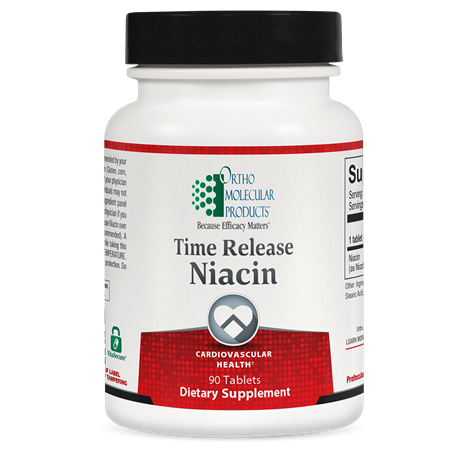
Time Release Niacin
Ortho Molecular Products
90 capsules
$45.01$40.55 with Subscribe & Save