 Instalab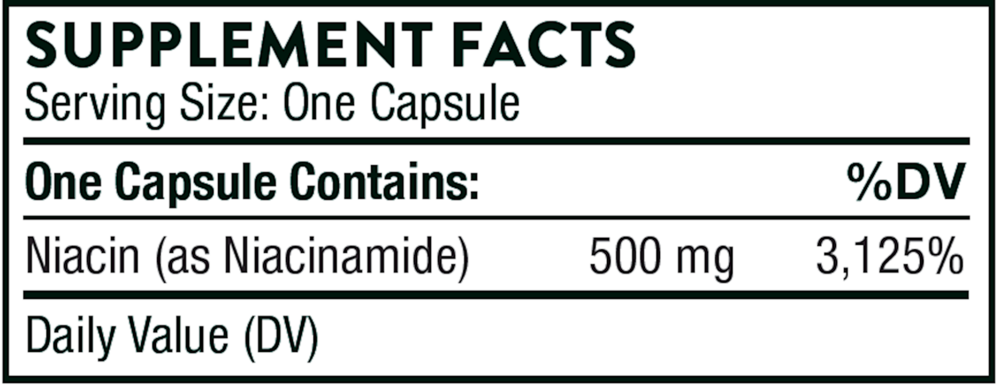

Thorne
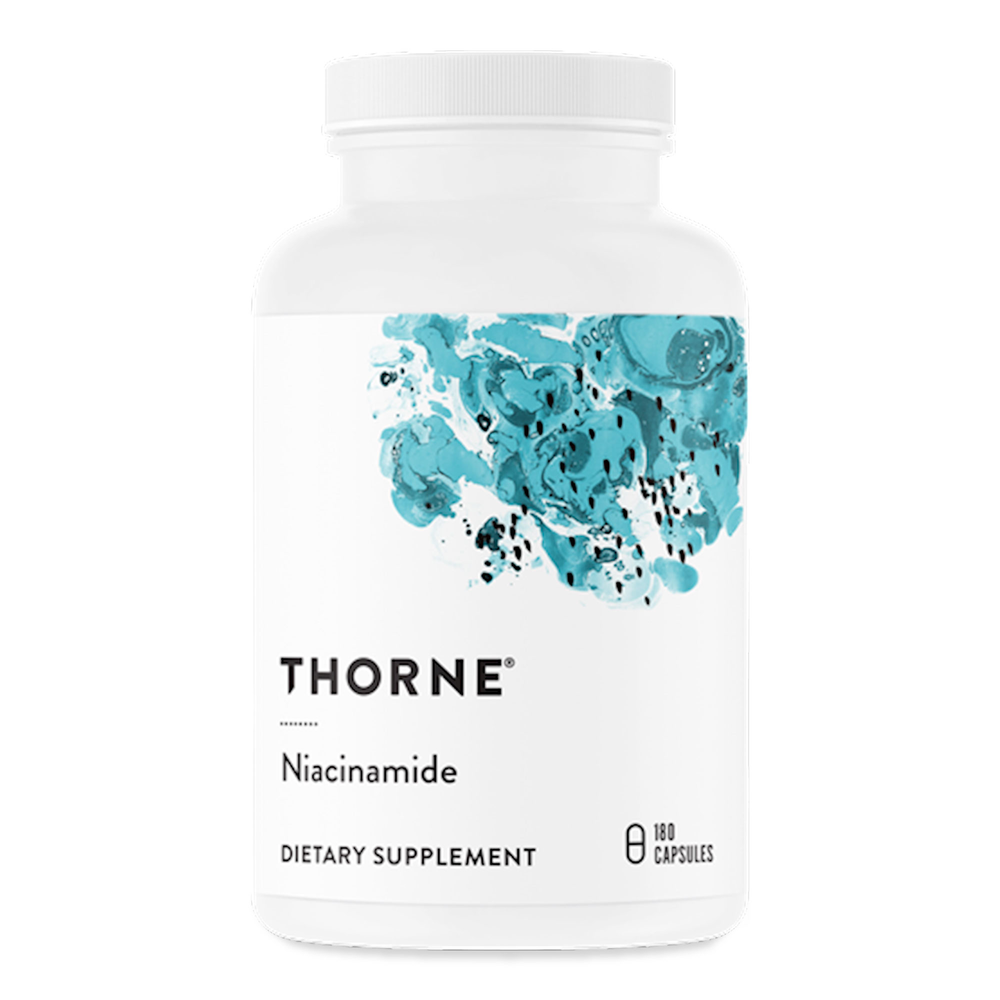
Niacinamide 500 mg by Thorne
180 capsules · 180-day supply
Supports Skin Health and Cellular Function with Vitamin B3$26.00
Purchase options
Practitioner-grade brand3rd-party testedFree shipping $50+
Gluten Free·Soy Free·Dairy Free·Milk Free
Thorne Niacinamide overview
If you want vitamin B3 without the skin flushing of niacin, a niacinamide supplement fits. It’s useful if you’re aiming to raise NAD+ (the cell’s energy currency) for cellular aging goals, or if your diet is limited and B-vitamin intake is inconsistent. People focused on skin appearance from the inside often choose niacinamide over niacin because it’s non-flushing and doesn’t affect lipids. If you actually need cholesterol or triglyceride changes, this is the wrong form.
Niacinamide converts into NAD+ and NADP+, the coenzymes that run hundreds of energy and repair reactions. Unlike niacin (nicotinic acid), it doesn’t activate the receptor that triggers flushing and it doesn’t lower VLDL particles (the form your liver packages fat into for transport), so you shouldn’t expect lipid changes. It’s the budget-friendly NAD+ precursor compared with nicotinamide riboside or NMN, though very high doses can push back on certain enzymes that depend on NAD+ recycling.
Take 1 capsule with food, once to three times daily, as on the label. Food reduces nausea that some feel at higher B3 doses. If your goal is steady NAD+ support, once or twice daily is typically enough; splitting doses improves tolerability. Niacinamide doesn’t need fat to absorb. If you’re comparing forms, niacin is for lipids and causes flushing, while niacinamide is non-flushing and cellular-focused.
At 500–1,500 mg per day most healthy adults tolerate niacinamide, but monitor liver enzymes like ALT and AST if you go higher or use it long term. It can nudge fasting glucose upward in some, so those with diabetes should track glucose or A1C. Skip or get clinician guidance if you have active liver disease, a history of gout (uric acid issues), are pregnant, or drink heavily.
Does it work quickly? Cellular NAD+ shifts happen within weeks, but you won’t feel a “buzz.” Can it replace fish oil or statins? No—unlike niacin, niacinamide doesn’t lower LDL or triglycerides. Is topical the same as oral? Topical niacinamide targets skin locally; capsules act systemically and are chosen for whole-body NAD+ goals.
Frequently asked questions
What’s the difference between niacinamide and niacin?
Niacinamide is the non-flushing form of vitamin B3 that raises NAD+ for cellular processes but doesn’t change blood lipids. Niacin (nicotinic acid) often causes flushing and is the form used at high doses to lower triglycerides and improve HDL under medical care.
Does niacinamide cause flushing?
No. Niacinamide does not activate the receptor that triggers flushing, so it’s considered a non-flushing B3. If you’re flushing, you likely took niacin (nicotinic acid) or a mislabeled product. Taking niacinamide with food can further improve comfort.
Can niacinamide lower cholesterol or triglycerides?
It doesn’t. Only niacin (nicotinic acid), not niacinamide, has meaningful lipid effects. If your goal is lowering triglycerides or raising HDL, discuss fish oil (EPA/DHA), lifestyle, or prescription therapies with your clinician instead of niacinamide.
How long does niacinamide take to work?
For cellular goals, expect quiet changes within 2–4 weeks. There’s no stimulant effect to feel. If you’re tracking anything, use labs tied to safety or context—liver enzymes (ALT, AST) and, if relevant, fasting glucose or A1C—rather than expecting a subjective boost.
Is niacinamide safe for the liver?
At common intakes (500–1,500 mg/day), most people tolerate it well, but high or prolonged dosing can raise liver enzymes. If you drink heavily, have liver disease, or plan multi-gram dosing, involve a clinician and monitor ALT and AST periodically.
Can I take niacinamide with metformin or diabetes medications?
Use caution. Niacinamide can slightly raise fasting glucose in some people. If you have diabetes or prediabetes, monitor glucose or A1C after starting or changing dose, and coordinate with your prescriber about any medication adjustments.
Can I combine niacinamide with NR or NMN?
You can, but it’s usually unnecessary. All three feed into NAD+ metabolism. If you already use nicotinamide riboside (NR) or NMN, adding niacinamide rarely adds noticeable benefit and increases pill burden and cost. Pick one approach and assess response.
What time of day should I take niacinamide?
Any time works. Take it with food to reduce queasiness. If you use more than one capsule daily, split doses (morning and evening) for smoother tolerability. It isn’t stimulating, so nighttime use is fine for most people.
How to take it & ingredients
Suggested use: Take 1 capsule one to three times daily or as recommended by your health professional.
Active ingredients
1 capsule per serving · 180 servings
Vitamin B3
Niacinamide
Niacinamide
500 mg
Other ingredients: Hypromellose Capsule
Certifications
Benefits
Warnings
Customers also considered
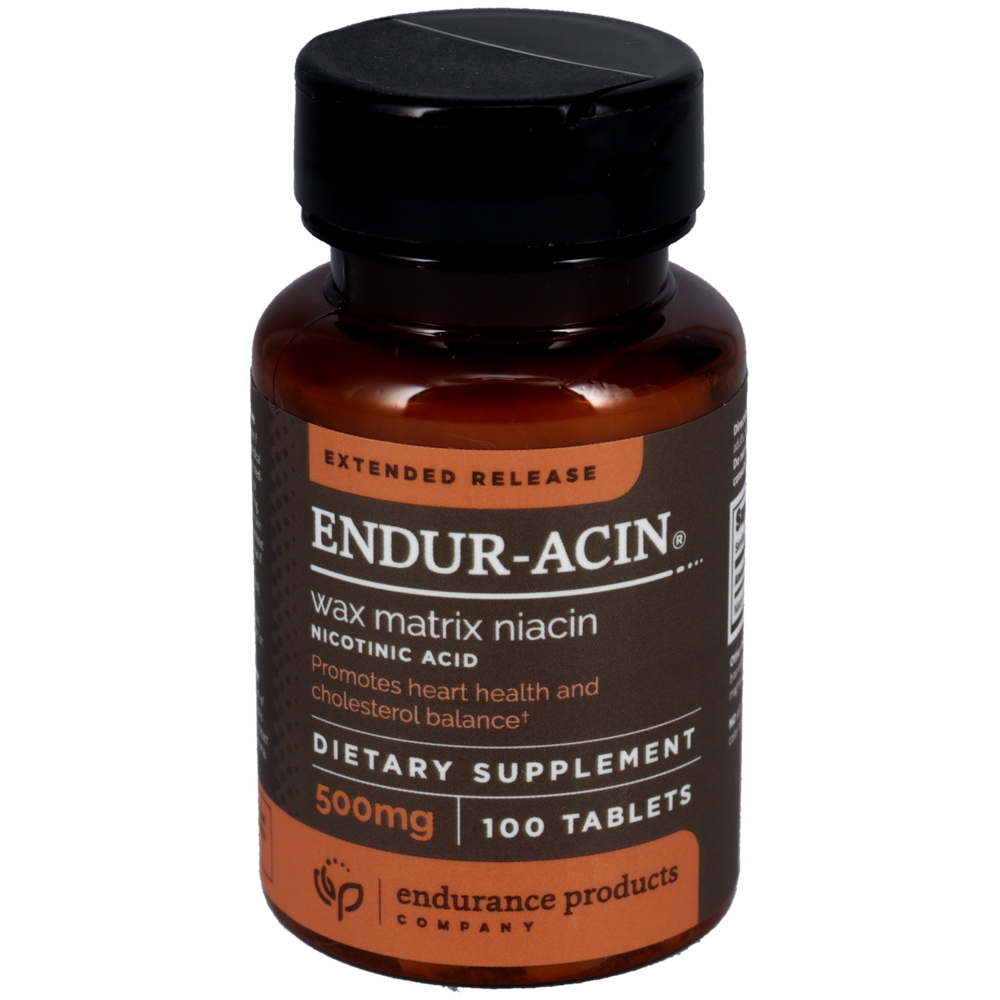
Extended Release ENDUR-ACIN
Endurance Products Company
100 tablets
$22.99$17.99 with Subscribe & Save
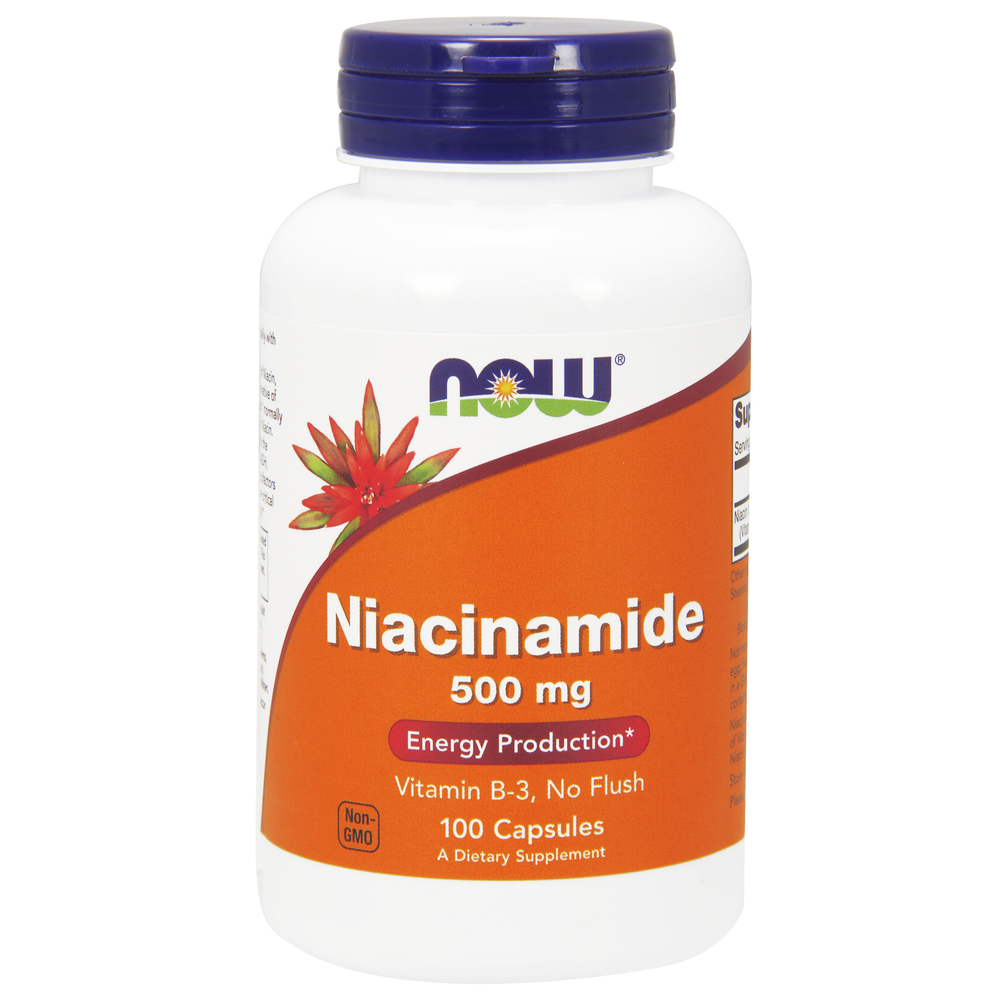
Niacinamide 500 mg
Now Foods
100 capsules
$12.99$9.99 with Subscribe & Save
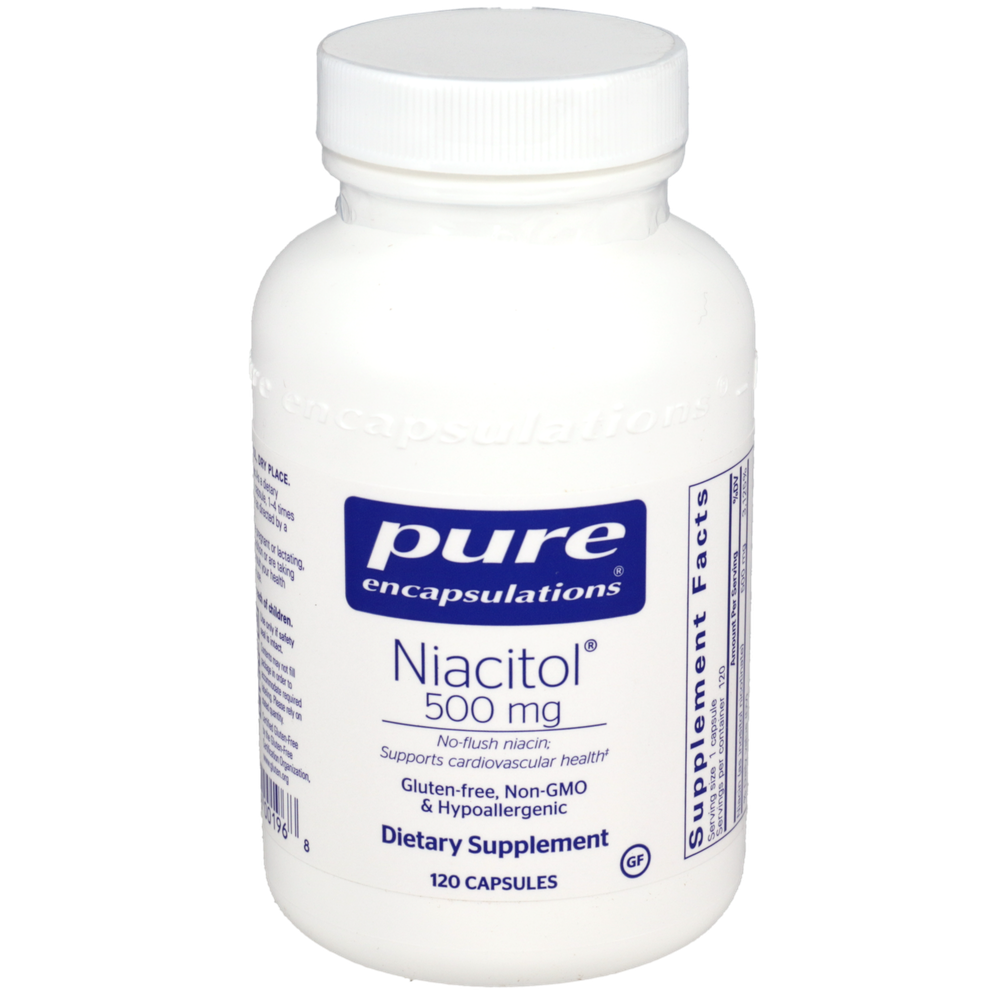
Niacitol 500mg
Pure Encapsulations
120 capsules
$58.00$45.99 with Subscribe & Save
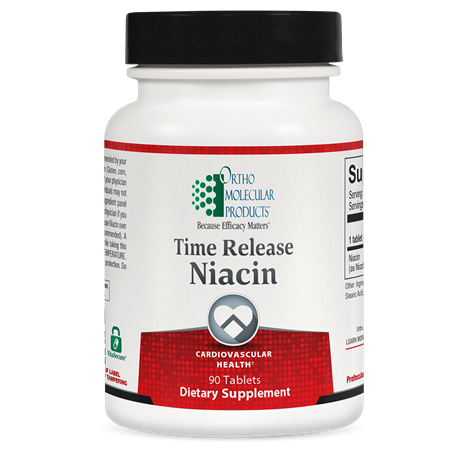
Time Release Niacin
Ortho Molecular Products
90 capsules
$45.01$40.55 with Subscribe & Save