
 Instalab

Fairhaven Health
Women's Multivitamin Essentials by Fairhaven Health
30 capsules · 30-day supply
One-Capsule Women's Multivitamin with Methylated B Vitamins$21.99
Purchase options
Practitioner-grade brand3rd-party testedFree shipping $50+
Vegan
Fairhaven Health Women's Multivitamin Essentials overview
This is a one-capsule daily multivitamin for women who want broad coverage of vitamins and trace minerals without iron. It suits women whose Ferritin is already adequate, women past menopause, and anyone who prefers to dose iron, calcium and magnesium separately based on labs, since the formula lists none of the three. If your periods are heavy or your Ferritin runs low, you will need iron alongside it. It is not a prenatal: if you are pregnant or trying to conceive, choose a prenatal formula.
The formula leans on active forms. Folate comes as L-methyltetrahydrofolic acid and vitamin B12 as methylcobalamin, the forms the body uses directly, with vitamin B6 as pyridoxal 5'-phosphate. Vitamin A is supplied entirely as beta carotene, which the body converts as needed. Vitamin D as cholecalciferol is paired with vitamin K2 as menaquinone-7, and the minerals are iodine, zinc, selenium, manganese, chromium and molybdenum. Coenzyme Q10, green tea extract, lutein, zeaxanthin and lycopene are added in small amounts.
Each capsule provides 50 mcg of vitamin D, 90 mcg of vitamin K2, 667 mcg DFE of folate, 500 mcg of vitamin B12, 150 mcg of iodine and 25 mg of zinc, among others. The label directs 1 capsule daily, and the bottle is a one-month supply. The label does not mention food; taking it with a meal that contains some fat helps you absorb vitamins A, D, E and K and lowers the chance of the nausea zinc can cause on an empty stomach.
Vitamin K2 can interfere with warfarin and other vitamin K-blocking anticoagulants, so do not start this without your prescriber's agreement if you take one. The iodine matters if you have a thyroid condition or take thyroid medicine: check with your clinician first. Zinc binds tetracycline and quinolone antibiotics, so take them at least 2 hours apart. Count the vitamin D and zinc toward your daily totals if you also take either separately; zinc taken for months without copper can lower copper levels.
A multivitamin fills gaps; you will not feel it within days. If Vitamin B12 or Vitamin D (25-hydroxy) was low, expect levels to move over 8 to 12 weeks, and retest to confirm. Next to women's formulas that include iron, this one is easier on the stomach but leaves iron to you and your labs. When a level is clearly low, a single-nutrient supplement at a repletion dose corrects it faster than any multivitamin.
Frequently asked questions
Does this women's multivitamin contain iron?
No. The Supplement Facts panel lists no iron, and no calcium or magnesium either. That suits women with adequate Ferritin or those past menopause. If your Ferritin is low or your periods are heavy, ask your clinician about adding iron separately.
Can I take this multivitamin while pregnant?
It is not formulated as a prenatal. It has no iron, and pregnancy has its own needs for nutrients such as iron, choline and iodine. If you are pregnant, nursing or trying to conceive, use a prenatal formula and follow your obstetric clinician's advice.
When is the best time to take a multivitamin?
The label says 1 capsule daily and does not name a time. Taking it with a meal, ideally one that contains some fat, improves absorption of vitamins A, D, E and K and reduces the nausea zinc can cause on an empty stomach. Pick the meal you will remember.
What does methylated mean in a multivitamin?
It means folate and vitamin B12 are supplied in their active forms. Here folate is L-methyltetrahydrofolic acid (667 mcg DFE) and B12 is methylcobalamin (500 mcg), which the body can use without first converting them.
Can I take this multivitamin with blood thinners?
Not without your prescriber's agreement. Each capsule contains 90 mcg of vitamin K2, which can reduce the effect of warfarin and similar anticoagulants. If your clinician approves, take it consistently every day so your dosing can be adjusted around it.
Is this multivitamin safe with a thyroid condition?
Check with your clinician first. Each capsule provides 150 mcg of iodine and 70 mcg of selenium, both of which affect thyroid hormone production. People with thyroid disease or on thyroid medicine can be sensitive to added iodine.
How much vitamin D is in this multivitamin?
Each capsule provides 50 mcg of vitamin D as cholecalciferol. If you take a separate vitamin D supplement, add the two together, and use a Vitamin D (25-hydroxy) test after 8 to 12 weeks to see whether your total intake is right.
Do I need calcium or magnesium with this multivitamin?
Possibly. The formula lists neither, which keeps it to one capsule. Whether you need more depends on your diet and labs: dairy, leafy greens, nuts and legumes supply both, and RBC Magnesium can show whether a magnesium supplement makes sense.
How to take it & ingredients
Suggested use: Take 1 capsule daily, or as directed by your healthcare practitioner.
Active ingredients
1 capsule per serving · 30 servings
Vitamin A
Beta Carotene
Beta Carotene
1125 mcg RAE
Vitamin C
Ascorbic Acid
Ascorbic Acid
180 mg
Vitamin D
Cholecalciferol
Cholecalciferol
50 mcg
Vitamin E
D-Alpha Tocopheryl Succinate
D-Alpha Tocopheryl Succinate
20 mg
Thiamin
Thiamine HCl
Thiamine HCl
3 mg
Riboflavin
Riboflavin 5'-Phosphate
Riboflavin 5'-Phosphate
3 mg
Niacin
Niacinamide
Niacinamide
20 mg
Vitamin B6
Pyridoxal 5'-Phosphate
Pyridoxal 5'-Phosphate
4 mg
Folate
L-Methyltetrahydrofolic Acid
L-Methyltetrahydrofolic Acid
667 mcg DFE, 392 mcg
Vitamin B12
Methylcobalamin
Methylcobalamin
500 mcg
Biotin
300 mcg
Pantothenic Acid
Calcium Pantothenate
Calcium Pantothenate
10 mg
Iodine
Potassium Iodide
Potassium Iodide
150 mcg
Zinc
Zinc Citrate
Zinc Citrate
25 mg
Selenium
Selenomethionine
Selenomethionine
70 mcg
Manganese
Manganese Citrate
Manganese Citrate
2.3 mg
Chromium
Chromium Polynicotinate
Chromium Polynicotinate
200 mcg
Molybdenum
Molybdenum Citrate
Molybdenum Citrate
75 mcg
Vitamin K
Vitamin K2 as Menaquinone-7
Vitamin K2 as Menaquinone-7
90 mcg
Coenzyme Q10
50 mg
Green Tea Leaf Extract
Camellia sinensis, leaf, standardized 50% catechins and epigallocatechin gallate [EGCG]
Camellia sinensis, leaf, standardized 50% catechins and epigallocatechin gallate [EGCG]
50 mg
Zeaxanthin
From Marigold Flower Extract, Tagetus erecta
From Marigold Flower Extract, Tagetus erecta
0.5 mg
Lutein
From Marigold Flower Extract, Tagetus erecta
From Marigold Flower Extract, Tagetus erecta
3 mg
Lycopene
0.5 mg
Other ingredients: Cellulose, Vegetable Capsule (Cellulose), Rice Bran Lipid, Silica
Certifications
Benefits
Warnings
Customers also considered
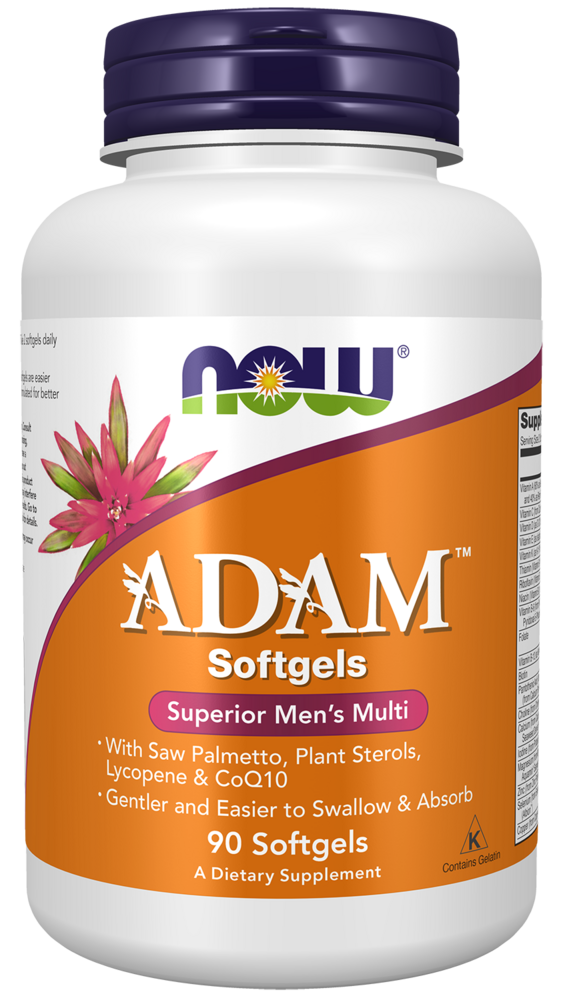
ADAM Superior Men's Multi
Now Foods
90 softgels
$39.99$31.99 with Subscribe & Save
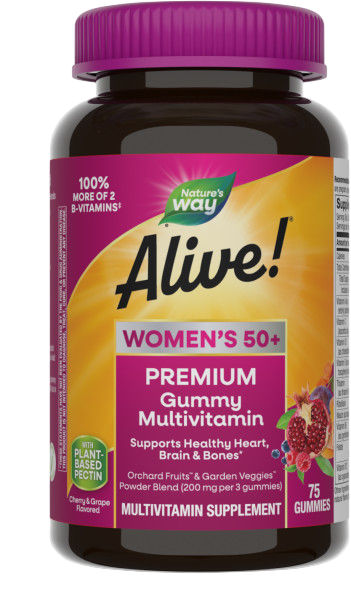
Alive Womens 50+ Premium Gummy Multi-Vitamin
Nature's Way
75 gummies
$22.99$17.99 with Subscribe & Save
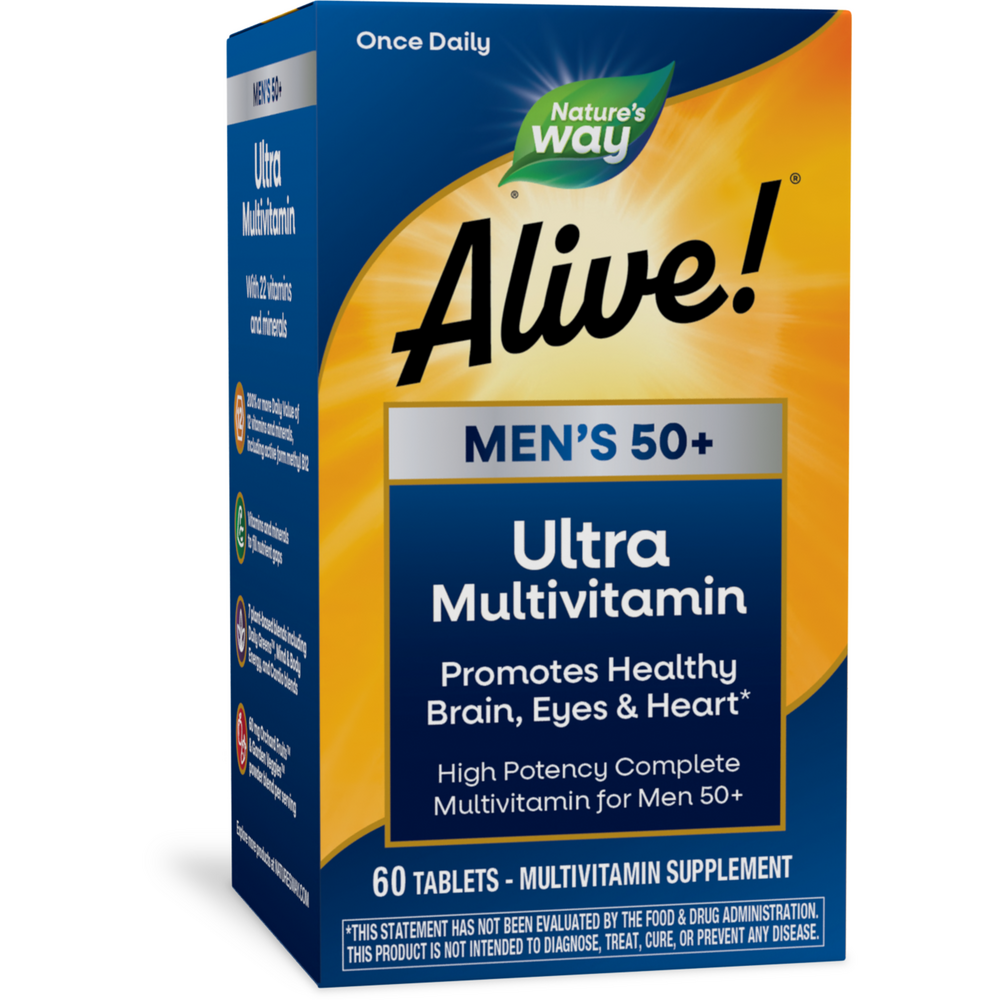
Alive! Men’s 50+ Ultra Potency
Nature’s Way
60 tablets
$29.99$23.99 with Subscribe & Save
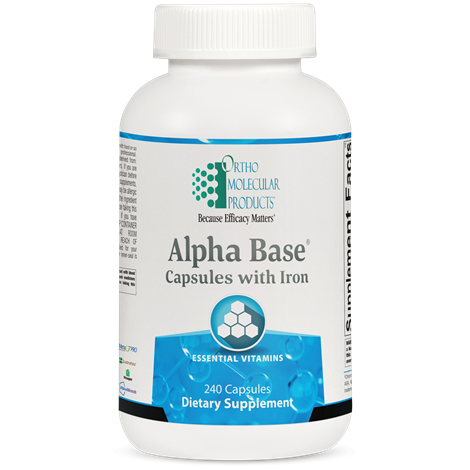
Alpha Base® Capsules with Iron
Ortho Molecular Products
240 capsules
$74.31$66.95 with Subscribe & Save