
 Instalab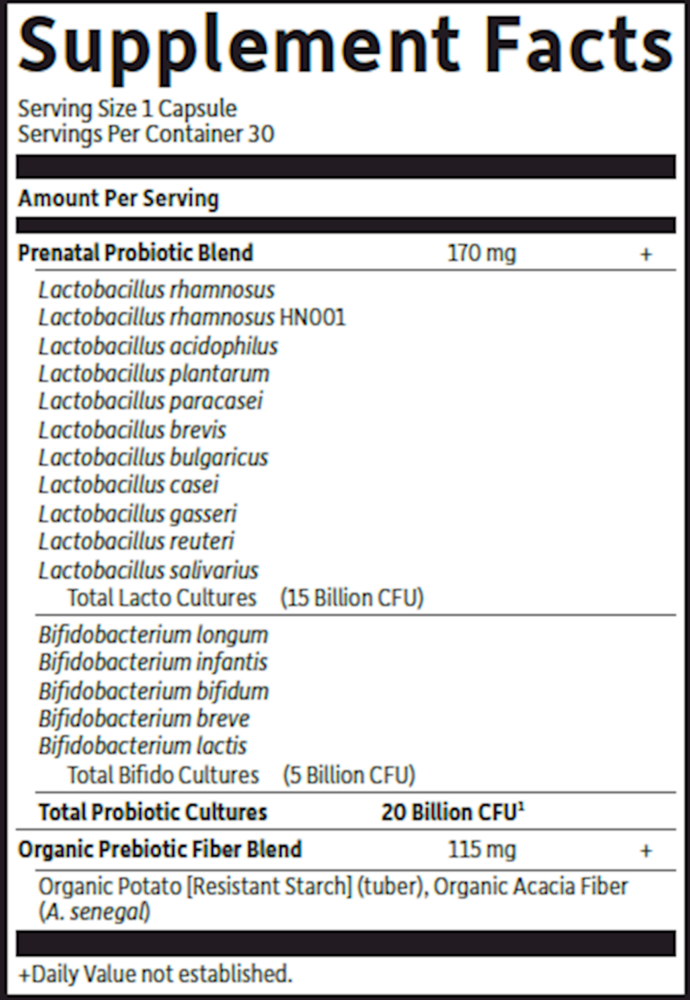

Garden of Life
Dr. Formulated Probiotics Prenatal and Postnatal Daily Care by Garden of Life
30 capsules · 30-day supply
Support for Prenatal and Postnatal Digestive Health and Wellness$28.99
Purchase options
Practitioner-grade brand3rd-party testedFree shipping $50+
Vegetarian·Gluten Free·Soy Free·Dairy Free·Artificial Preservative Free·Artificial Sweetener Free·
Garden of Life Dr. Formulated Probiotics Prenatal and Postnatal Daily Care overview
If you’re pregnant, newly postpartum, or nursing and dealing with constipation, irregularity, or antibiotic exposure around delivery, a prenatal probiotic is a practical add-on to your prenatal vitamin. This once-daily blend suits people who want steady digestive support and a nudge toward a healthier vaginal microbiome (the bacteria that naturally live in the vagina). The 20 billion CFU here is a maintenance-level dose; if you’re troubleshooting recurrent infections or severe diarrhea, higher-CFU probiotics are typically used short-term under clinician guidance.
Probiotics add live Lactobacillus and Bifidobacterium strains that crowd out gas‑producing microbes and make short‑chain fatty acids, which help keep stools soft and regular. These strains also acidify the vaginal environment, favoring lactobacilli that are linked to fewer disruptions. Evidence in pregnancy is strongest for digestive comfort within 1–2 weeks; small trials show mixed results for vaginal Group B Strep colonization and infant eczema risk, so use probiotics for gut regularity first, not as a replacement for standard screening or care.
Take 1 capsule daily, with or without food. If you’re new to probiotics or prone to bloating, start every other day for a week, then increase. If you’re prescribed antibiotics, separate the probiotic by at least 2–3 hours. Most people notice bowel pattern changes within 1–2 weeks; vaginal microbiome shifts generally take 2–4 weeks. The 115 mg prebiotic fiber included is gentle; if you’re very fiber‑sensitive, drink extra water and titrate slowly.
Skip probiotics if you’re severely immunocompromised (active chemotherapy, neutropenia), have a central venous catheter, recent bowel surgery, or a history of probiotic‑related infections. If you have significant small intestinal bacterial overgrowth (persistent bloating, upper‑abdominal gas), some people feel worse on multi‑strain probiotics and do better with dietary changes first. Pregnancy is generally a safe window for probiotics, but discuss any supplement with your obstetric clinician—especially if you’ll receive antibiotics during labor.
Is this shelf‑stable? Yes, refrigeration isn’t required, which helps with consistency during travel or hospital stays. Can I open the capsule? You can, and mix the contents with water or juice. Is Garden of Life Dr. Formulated Probiotics Prenatal and Postnatal Daily Care vegan? The strains are microbial; always check the label for current capsule materials and allergens.
Frequently asked questions
Are probiotics safe during pregnancy?
Yes, probiotics are generally considered safe in pregnancy and breastfeeding. Large reviews show no increase in adverse pregnancy outcomes. Avoid them if you’re severely immunocompromised or have a central line, and always clear new supplements with your obstetric clinician.
How long do prenatal probiotics take to work?
For bowel regularity and gas, most people notice changes within 1–2 weeks. Vaginal microbiome shifts tend to take 2–4 weeks of daily use. If nothing changes by 4 weeks, consider a different strain profile or a higher CFU product with your clinician.
Do prenatal probiotics help with Group B Strep?
Small studies suggest some Lactobacillus strains may reduce Group B Strep colonization, but results are mixed. Do not use probiotics as a substitute for routine screening or antibiotics during labor when indicated. Think of them as adjunctive, not primary, care.
Should I take probiotics with antibiotics during pregnancy?
Yes, they’re often used to reduce antibiotic‑associated diarrhea. Separate doses by 2–3 hours to limit killing the probiotic strains, and continue for 1–2 weeks after finishing antibiotics. If you develop fever or severe symptoms, stop and contact your clinician.
Can probiotics cause gas or bloating?
Sometimes, especially in the first few days. This usually settles within a week as your microbiome adjusts. Starting every other day and increasing slowly helps. If upper‑abdominal bloating worsens, you may do better with single‑strain or spore‑based probiotics.
Is 20 billion CFU enough for pregnancy?
For everyday maintenance, 20 billion CFU is reasonable. For targeted problems like persistent diarrhea or recurrent vaginal issues, clinicians often use higher CFU or specific strains short‑term. If you need more, a higher‑dose probiotic is more practical than multiple capsules.
Do prenatal probiotics help the baby?
Some trials link maternal probiotics to modest reductions in infant eczema, but findings are inconsistent. The clearest benefit is improving the mother’s digestive comfort. Choose probiotics for your gut regularity first, and consider infant‑specific probiotics after birth if needed.
How to take it & ingredients
Suggested use: Take 1 capsule daily. May be taken with or without food. Capsules can be opened and contents taken directly with water or juice. Pregnant women should consult their physician before use.
Active ingredients
1 capsule per serving · 30 servings
▼
Total Lacto Probiotic Cultures
15 billion CFU
Lactobacillus rhamnosus
-
Lactobacillus rhamnosus HN001
-
Lactobacillus acidophilus
-
Lactobacillus plantarum
-
Lactobacillus paracasei
-
Lactobacillus brevis
-
Lactobacillus bulgaricus
-
Lactobacillus casei
-
Lactobacillus gasseri
-
Lactobacillus reuteri
-
Lactobacillus salivarius
-
▼
Total Bifido Probiotic Cultures
5 billion CFU
Bifidobacterium lactis
-
Bifidobacterium bifidum
-
Bifidobacterium breve
-
Bifidobacterium infantis
-
Bifidobacterium longum
-
▼
Organic Prebiotic Fiber Blend
115 mg
Organic Potato [Resistant Starch] (tuber)
-
Organic Acacia Fiber (A. senegal)
-
Other ingredients: Non-GMO Vegetable Pullulan (capsule)
Certifications
Benefits
Warnings
Customers also considered

Bacillus Coagulans
Thorne
60 capsules
$33.00Save 10% with Subscribe & Save

Complete Biotic
Thorne
30 packets
$46.00Save 10% with Subscribe & Save
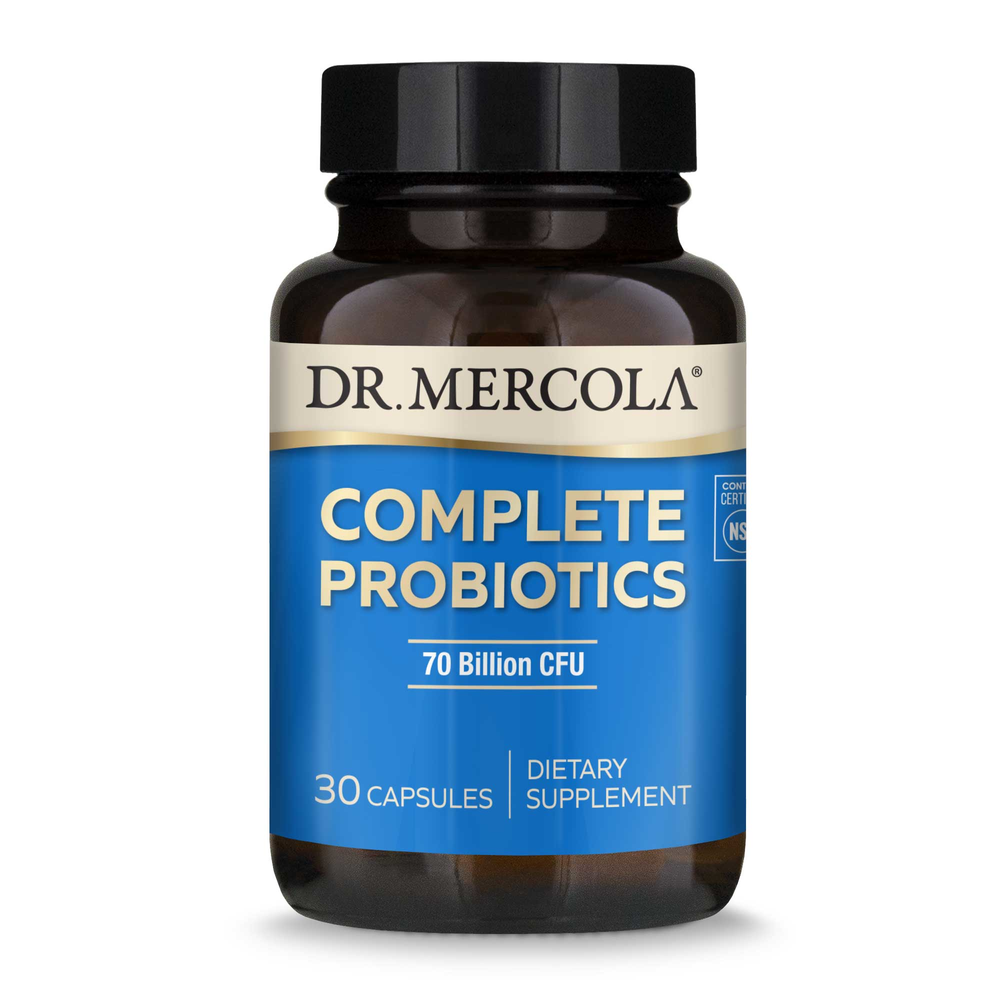
Complete Probiotics 70 Billion CFU
Dr. Mercola
30 capsules
$46.99Save 19% with Subscribe & Save

Digestive Probiotic & Prebiotic Grape
SmartyPants
60 gummies
$36.99Save 19% with Subscribe & Save