 Instalab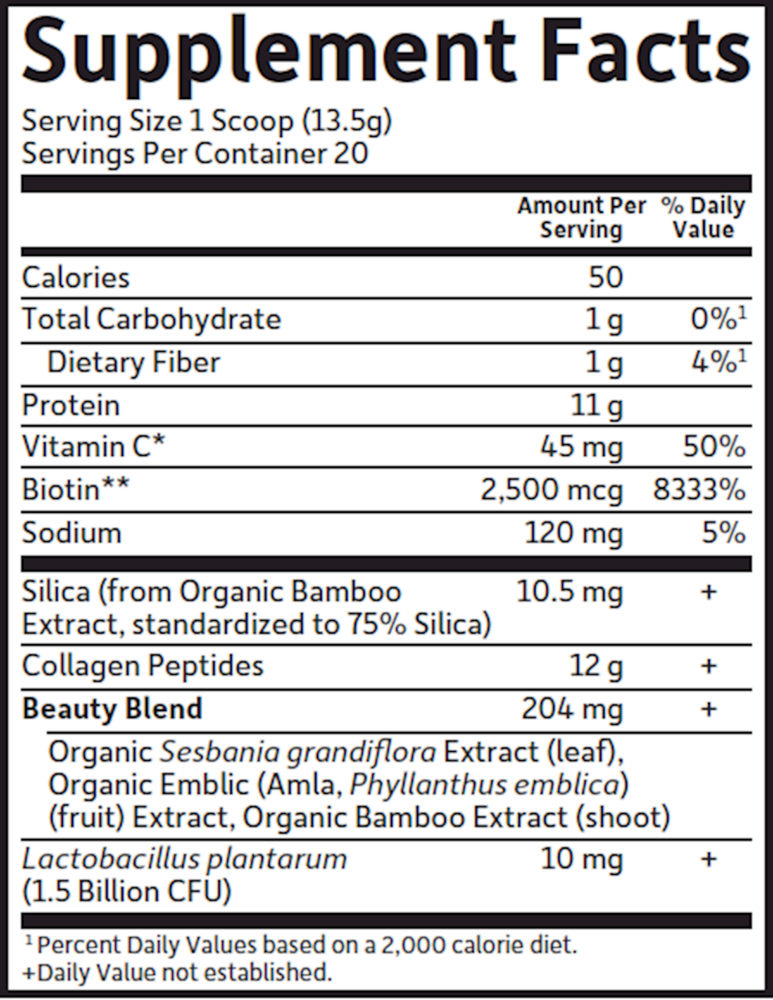

Garden of Life
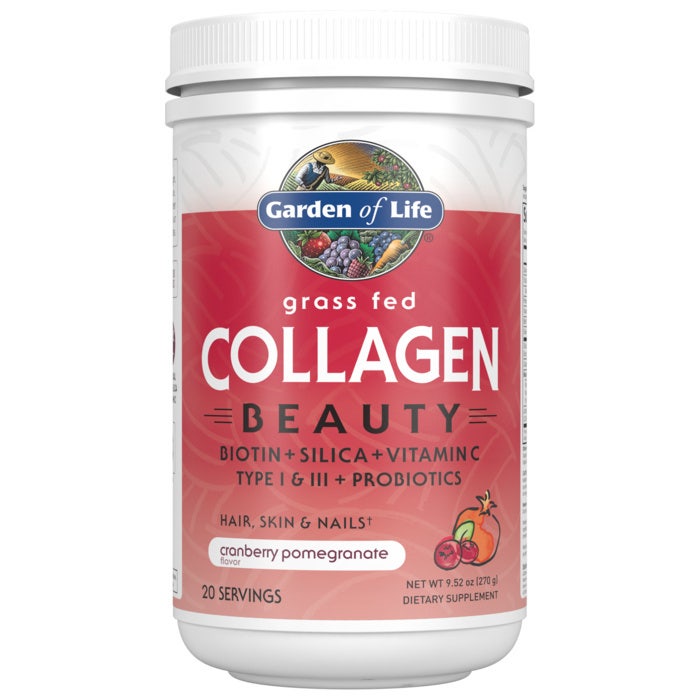
Grass Fed Collagen Beauty Cranberry Pomegranate by Garden of Life
270 grams · 20-day supply
Nourish Your Beauty from Within with Grass-Fed Collagen$38.99
Purchase options
Practitioner-grade brand3rd-party testedFree shipping $50+
Soy Free·Dairy Free·Sugar Free·Artificial Color Free·Artificial Flavor Free
Garden of Life Grass Fed Collagen Beauty Cranberry Pomegranate overview
If you’re looking for firmer skin and stronger nails without changing your entire routine, collagen peptides are a pragmatic pick. They suit adults whose skin elasticity has dipped in their 30s–40s, frequent sun-exposed athletes, and anyone with brittle nails or post-partum shedding. If hair loss labs like Ferritin (your iron store) are low, fix that first—collagen won’t override iron deficiency. Vegans and those avoiding animal products should skip bovine collagen entirely.
Collagen peptides supply short chains rich in hydroxyproline that signal skin fibroblasts (the cells that make collagen and elastin) to build more of their own. At 12 g per scoop, this is a clinically relevant dose that, in responders, improves skin elasticity and hydration within 8–12 weeks. Vitamin C acts as the collagen “cofactor,” supporting cross‑linking, while silica from bamboo and biotin back keratin production for hair and nails. Lactobacillus plantarum, a well-studied probiotic strain, may help the gut–skin axis modestly, though its effect is smaller than the peptide dose itself.
Mix one scoop in 6 oz of cold or hot liquid; collagen peptides tolerate heat and coffee. Take once daily, with or without food, and stay consistent for at least 8–12 weeks before judging results. This is a repletion-level dose; if you reach your goal, many step down to a half scoop for maintenance. Garden of Life flavors it with cranberry pomegranate, so plain water or smoothies both work.
The 2,500 mcg biotin can distort several lab tests that use biotin-based assays, especially thyroid panels and troponin (the heart-attack marker). If you have labs scheduled, stop biotin for a few days beforehand, or tell the lab so they can adjust. The probiotic is generally safe, but those with central lines or who are severely immunocompromised should avoid live cultures. There’s 120 mg sodium per scoop—relevant if you’re on a strict low-sodium plan.
Avoid collagen peptides if you have a beef allergy or follow a vegan diet. If you have advanced kidney disease and are limiting protein, 11 g protein per scoop may not fit—clear it with your nephrologist. History of severe reactions to probiotics is a reason to skip the Lactobacillus plantarum included here. For active hair shedding with low Ferritin or thyroid issues, address those first; collagen won’t fix a hormonal or iron problem.
Frequently asked questions
How long do collagen peptides take to work for skin?
Most see changes in skin hydration and elasticity within 8–12 weeks at daily doses of 10–15 g. Nails often improve a bit sooner. Keep taking it daily; results fade if you stop.
Do collagen peptides help hair growth?
They can support hair shaft quality, but they don’t correct root causes like low Ferritin, thyroid disease, or androgen sensitivity. Collagen is an adjunct, not a stand-alone hair loss treatment.
Does biotin mess up lab tests?
Yes. High-dose biotin can distort immunoassays, especially thyroid tests and troponin. Stop biotin for a few days before labs or tell your clinician so the lab can use a biotin-insensitive method.
Can I take collagen peptides with coffee or hot drinks?
Yes. Collagen peptides are heat-stable; hot coffee or tea won’t inactivate them. Some people prefer mixing with water or smoothies to manage flavor and sweetness.
Are bovine collagen peptides better than marine collagen?
For skin, both work similarly when dosed equivalently. Bovine sources are rich in type I and III collagen; marine is mostly type I and suits pescatarians. Pick based on diet and tolerance.
Will collagen peptides help my joints too?
They can. Similar doses used for skin have modest benefits for joint comfort over 8–12 weeks, but joint-specific trials often use targeted peptide types and longer courses.
Is this collagen safe in pregnancy or breastfeeding?
Collagen itself is dietary protein, but the added high-dose biotin and probiotic warrant a quick check with your obstetric clinician to match your individualized plan.
Can collagen peptides cause side effects?
They’re usually well tolerated. Possible issues include mild bloating, a histamine-like flush in sensitive people, or a taste you don’t love. Rarely, probiotics can cause infection in high-risk patients.
How to take it & ingredients
Suggested use: Mix 1 scoop in 6 oz of liquid. Not intended for children.
Active ingredients
1 scoop (13.5 g) per serving · 20 servings
Vitamin C
45 mg
Sodium
120 mg
Biotin
2500 mcg
Collagen Peptides
Grass-Fed Collagen Peptides
Grass-Fed Collagen Peptides
12 g
Protein
11 g
Silica
Organic Bamboo Extract, standardized to 75% Silica
Organic Bamboo Extract, standardized to 75% Silica
10.5 mg
Beauty Blend
Organic Sesbania grandiflora Leaf Extract, Organic Emblic Fruit Extract, Organic Bamboo Extract
Organic Sesbania grandiflora Leaf Extract, Organic Emblic Fruit Extract, Organic Bamboo Extract
204 mg
Lactobacillus plantarum
1.5 billion CFU
Certifications
Benefits
Warnings
Customers also considered
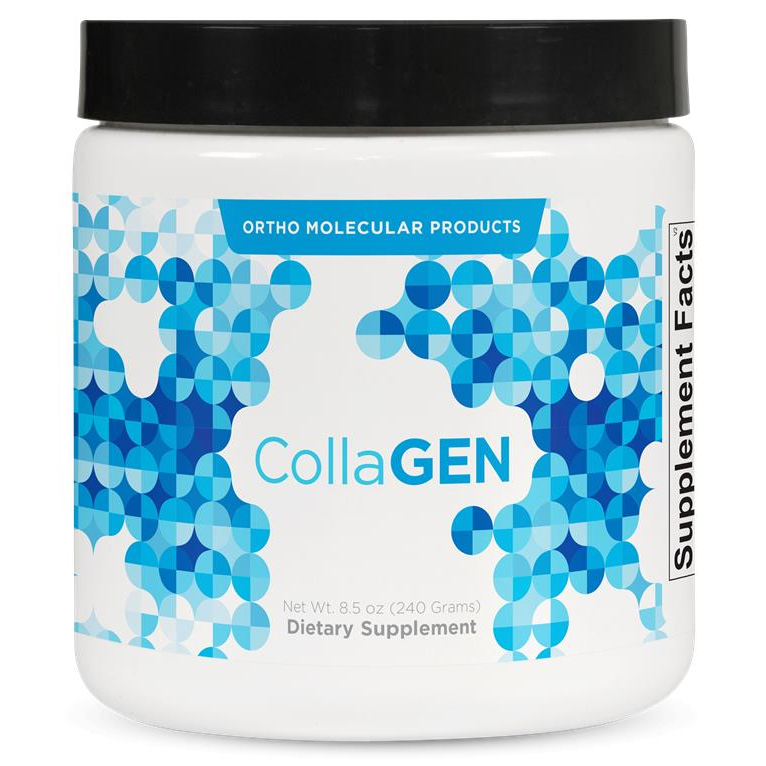
CollaGEN
Ortho Molecular Products
240 grams
$81.64$73.55 with Subscribe & Save
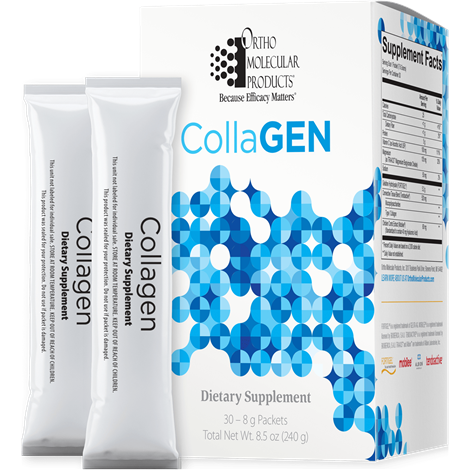
CollaGEN Stick Packs
Ortho Molecular Products
30 packets
$106.84$96.25 with Subscribe & Save
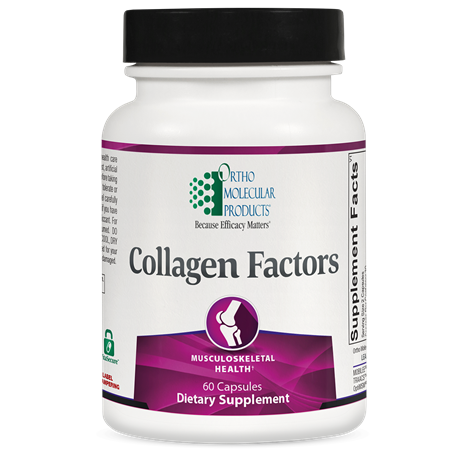
Collagen Factors
Ortho Molecular Products
60 capsules
$47.23$42.55 with Subscribe & Save
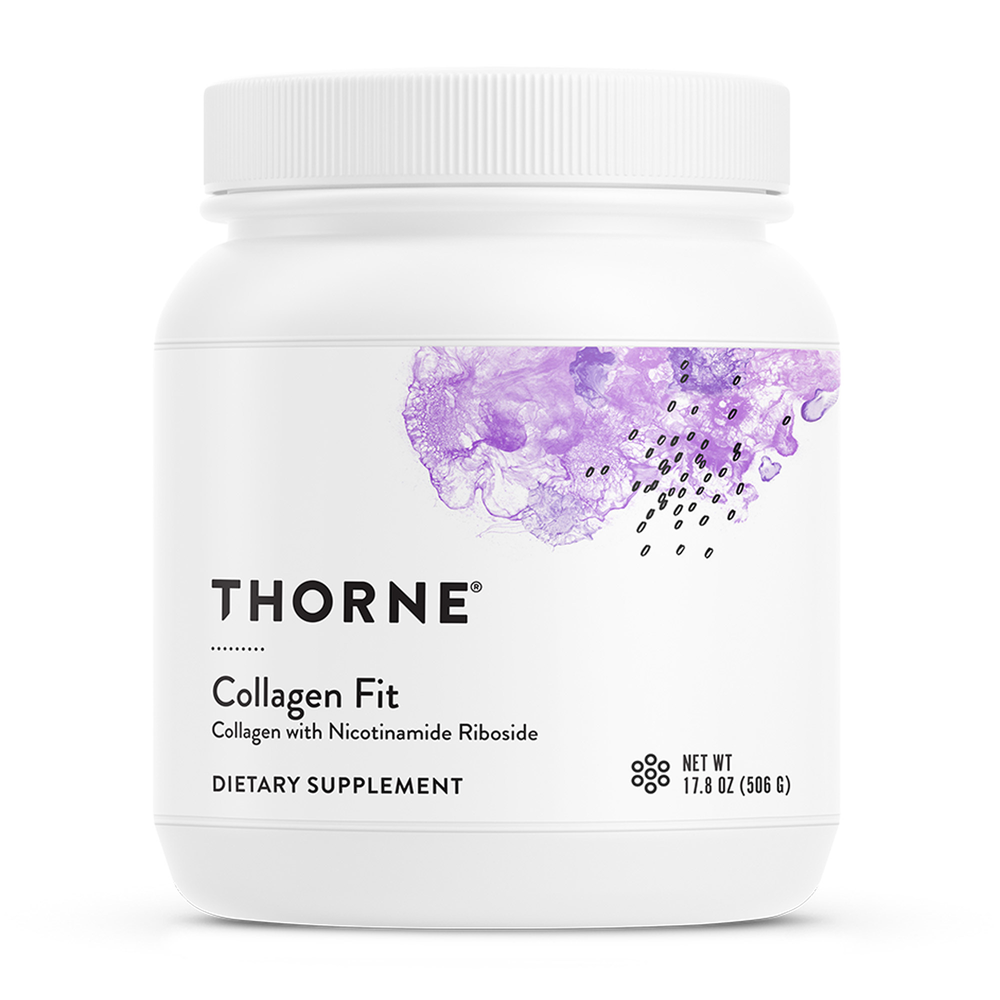
Collagen Fit
Thorne
506 grams
$56.00$50.40 with Subscribe & Save