 Instalab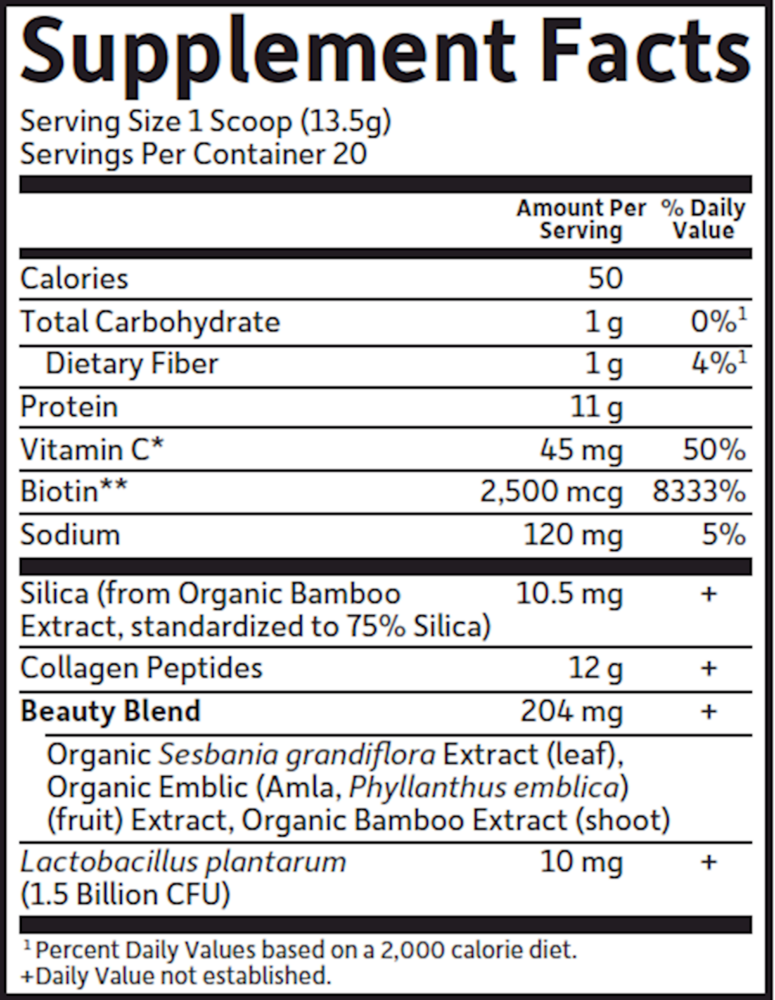

Garden of Life
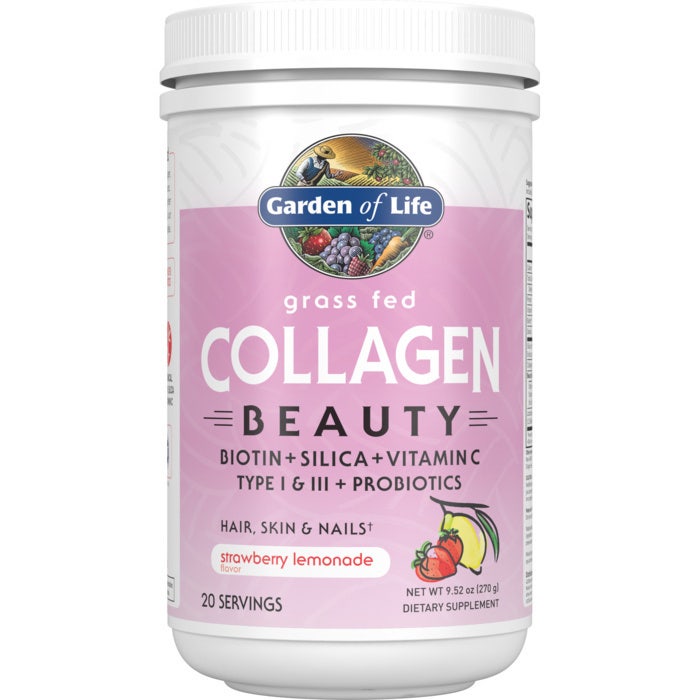
Grass Fed Collagen Beauty Strawberry Lemonade by Garden of Life
270 grams · 20-day supply
Nourish Your Beauty from Within with Grass-Fed Collagen$36.99
Purchase options
Practitioner-grade brand3rd-party testedFree shipping $50+
Soy Free·Dairy Free·Egg Free·Sugar Free·Preservative Free·Artificial Color Free·
Garden of Life Grass Fed Collagen Beauty Strawberry Lemonade overview
If you’re searching for collagen peptides for skin, hair, and nails and want a clinically useful dose, this fits. It’s a good match if fine lines and skin dryness are creeping up, nails peel or split easily, or your protein intake is light. People with high sun exposure or after weight changes often notice skin texture benefits within 8 to 12 weeks. For ongoing shedding or brittle hair, also check Ferritin (the iron-storage marker), because low iron can blunt hair gains from biotin or collagen.
These type I and III collagen peptides are hydrolyzed, so you absorb them as small di‑ and tri‑peptides that signal skin fibroblasts (the cells that build your dermis) to make new collagen, elastin, and hyaluronic acid. The included vitamin C supports the enzymes that cross-link collagen, which is essential for firmness. Biotin helps if you’re low, but doesn’t regrow hair in people with normal levels. Silica from bamboo provides silicon, a structural mineral for connective tissue, though clinical data are modest. Lactobacillus plantarum may nudge skin barrier and inflammation, but effects are subtle.
Mix one scoop (12 g collagen peptides) into 6 oz of water or a smoothie, with or without food. Once daily is typical; some split the dose morning and evening for ease. Most trials use 10–20 g per day, so this serving is in range for visible skin changes by 8–12 weeks. Collagen isn’t a complete protein, so don’t use it as your sole protein source. The vitamin C here covers cofactor needs; extra C is optional.
The 2,500 mcg biotin can interfere with lab tests, especially thyroid panels and troponin (a heart damage marker). Stop biotin-containing supplements 48–72 hours before bloodwork unless your clinician advises otherwise. This is bovine-derived, so it’s not vegan or appropriate if you avoid beef products. If you have chronic kidney disease, significant sodium restriction (120 mg per scoop), a history of histamine sensitivity, or you’re pregnant or breastfeeding, discuss collagen peptides with your clinician first.
Do collagen peptides really change skin? In randomized trials, daily collagen improved hydration and fine lines over 8–12 weeks; results persist with continued use. Bovine vs marine? Both deliver similar peptides; pick based on dietary preference and tolerance. Concerned about hair? Collagen can strengthen shafts and nails, but if Ferritin is low or thyroid is off, fix those first for real regrowth.
Frequently asked questions
Do collagen peptides actually work for wrinkles?
Yes, in multiple controlled trials, daily collagen peptides improved skin hydration and reduced fine lines within 8–12 weeks. Effects are modest, build gradually, and require continued use to maintain.
How long until I see results from collagen powder?
Plan on 8–12 weeks for visible skin or nail changes, with nail strength often noticed first. Hair growth cycles are slower, so allow 3–6 months. Consistent daily dosing matters more than timing.
Is bovine collagen better than marine collagen?
They’re comparable for skin outcomes when dosed similarly. Marine sources can be smaller peptides and are pescatarian-friendly, while bovine is widely used and often more cost-effective.
Can I take this collagen with coffee or hot drinks?
Yes. Collagen peptides are heat-stable, and vitamin C levels here are adequate even with warm liquids. Mix into water, smoothies, or coffee based on taste.
Does the biotin in this affect blood tests?
It can. Biotin at 2,500 mcg can skew some assays, including thyroid tests and troponin. Stop biotin supplements 48–72 hours before labs unless your clinician says otherwise.
Are there side effects from collagen peptides?
Most tolerate them well. Possible issues include mild bloating, fullness, or histamine-type reactions in sensitive people. Taking with food or splitting the dose can help.
Is collagen safe in pregnancy or breastfeeding?
Collagen is food-derived and generally considered low risk, but blends add actives like biotin and probiotics. Review the full label with your obstetric clinician before using.
Will collagen fix hair loss?
It can strengthen hair shafts and nails, but it won’t correct root causes like low Ferritin, thyroid issues, or androgen effects. Check Ferritin and thyroid labs if shedding persists.
How to take it & ingredients
Suggested use: Mix one scoop in 6 oz of liquid. Not intended for children.
Active ingredients
1 scoop (13.5 g) per serving · 20 servings
Vitamin C
45 mg
Biotin
2500 mcg
Sodium
120 mg
Silica
From Organic Bamboo Extract (Standardized to 75% Silica)
From Organic Bamboo Extract (Standardized to 75% Silica)
10.5 mg
Collagen Peptides
Grass-Fed Bovine Type I & III Collagen Peptides
Grass-Fed Bovine Type I & III Collagen Peptides
12000 mg
Beauty Blend
Organic Sesbania grandiflora Leaf Extract, Organic Emblic (Amla, Phyllanthus emblica) Fruit Extract, Organic Bamboo Extract (Shoot)
Organic Sesbania grandiflora Leaf Extract, Organic Emblic (Amla, Phyllanthus emblica) Fruit Extract, Organic Bamboo Extract (Shoot)
204 mg
Lactobacillus plantarum
1.5 billion CFU
Other ingredients: Organic Flavors (Lemon and Strawberry), Non-GMO Citric Acid, Organic Beet Juice Concentrate (for color), Organic Stevia Extract (Leaf)
Certifications
Benefits
Warnings
Customers also considered
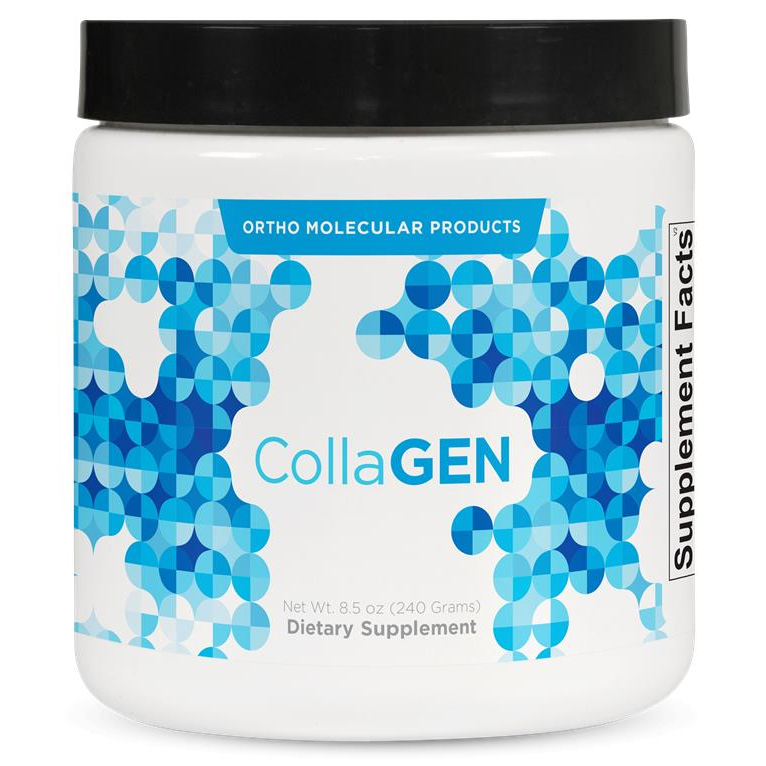
CollaGEN
Ortho Molecular Products
240 grams
$81.64$73.55 with Subscribe & Save
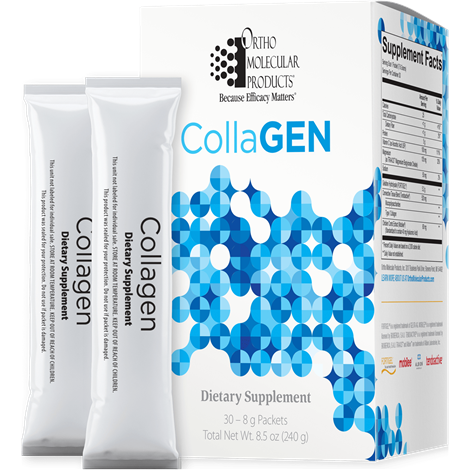
CollaGEN Stick Packs
Ortho Molecular Products
30 packets
$106.84$96.25 with Subscribe & Save
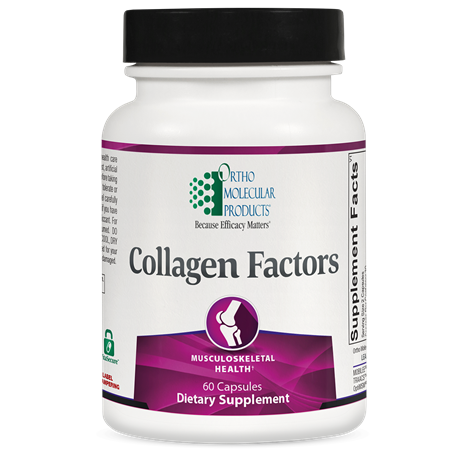
Collagen Factors
Ortho Molecular Products
60 capsules
$47.23$42.55 with Subscribe & Save
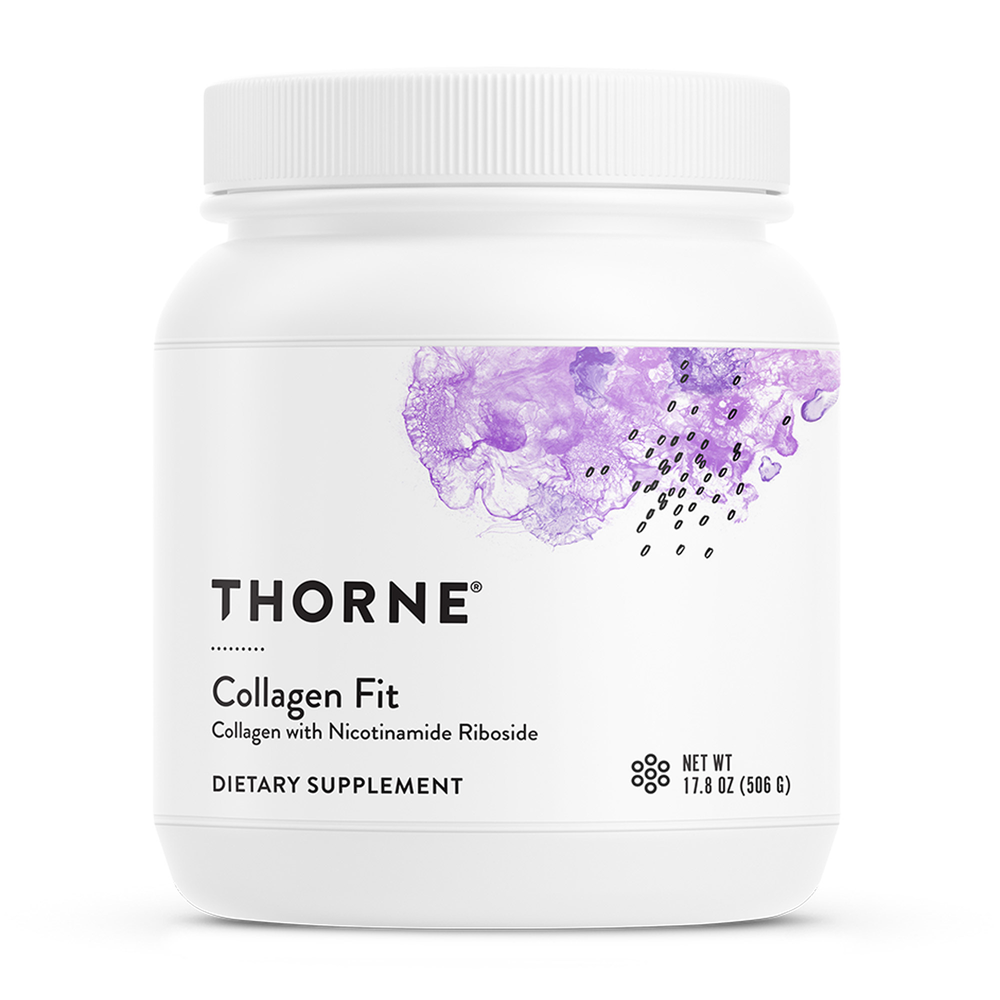
Collagen Fit
Thorne
506 grams
$56.00$50.40 with Subscribe & Save