 Instalab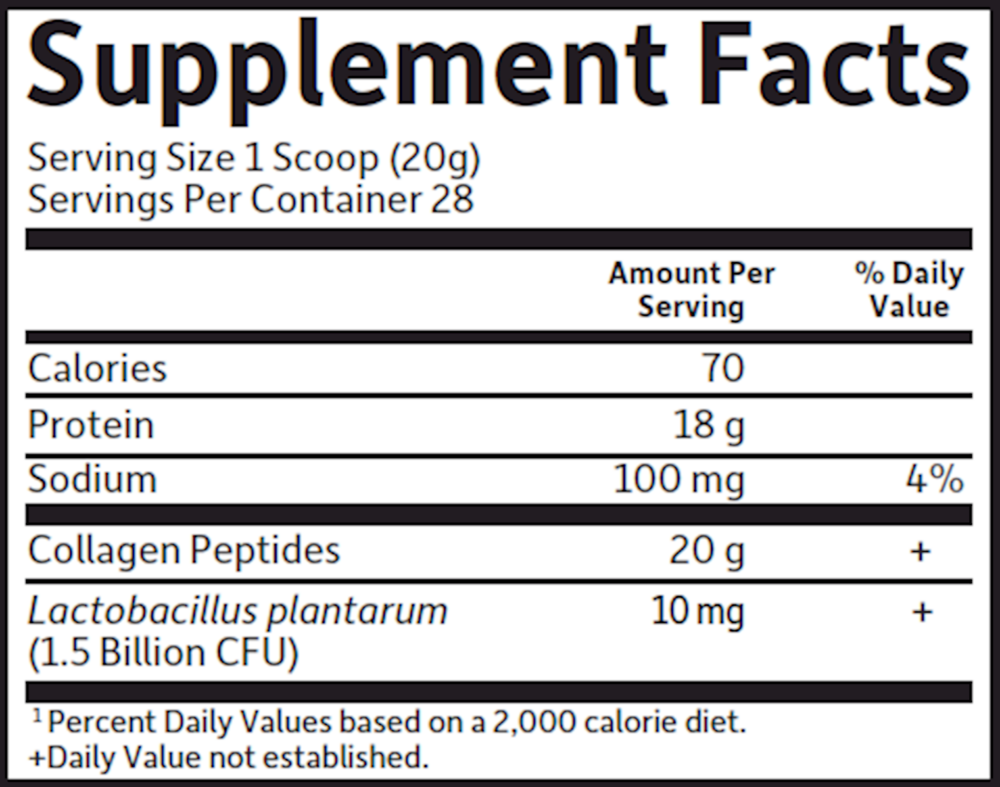


Garden of Life
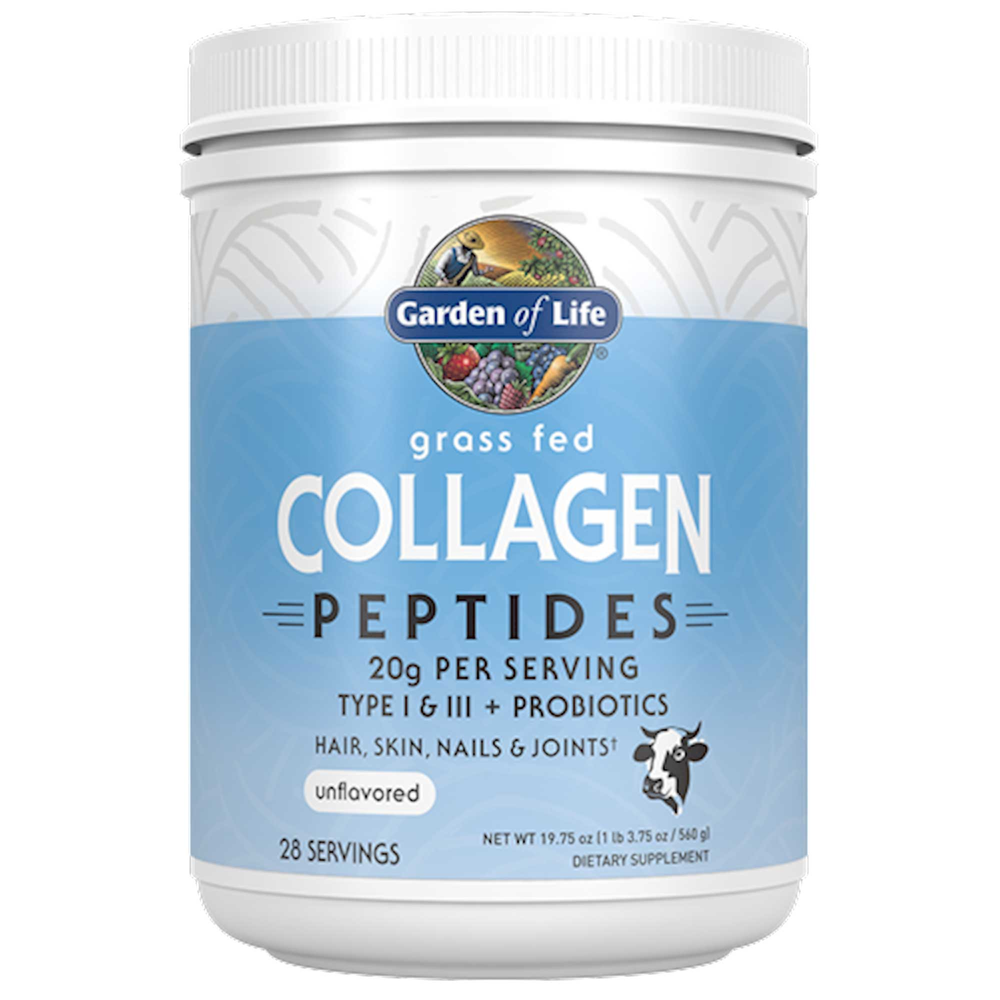
Grass Fed Collagen Peptides by Garden of Life
560 grams
Support Healthy Skin, Hair, Nails, and Joint Function with Grass Fed Collagen$46.99
Purchase options
Practitioner-grade brand3rd-party testedFree shipping $50+
Gluten Free·Soy Free·Dairy Free
Garden of Life Grass Fed Collagen Peptides overview
If you’re looking for collagen peptides for skin elasticity, nail strength, or everyday joint comfort, this is the right lane. The 20 g per scoop dose fits adults who want a clinically used amount without mixing multiple products. It’s useful if you notice slower recovery in tendons or ligaments, if your nails split easily, or if you want a beauty-focused protein that isn’t dairy-based. Vegans should skip it, and pescatarians who avoid beef usually choose marine collagen instead.
Hydrolyzed bovine collagen (mostly type I and III) breaks into small peptides, including Pro-Hyp, that are absorbed and signal skin cells to make more collagen and hyaluronic acid (the water-holding gel in skin). That signal, plus a steady supply of glycine and proline (the main collagen amino acids), drives the visible changes. In joints and tendons, these peptides support the extracellular matrix (the tissue scaffolding), which is why athletes often report less activity-related soreness over time.
Mix 1 scoop in 8 oz of any liquid; 1–2 scoops daily is within studied ranges. Take with a source of vitamin C, like citrus or a C supplement, since vitamin C is required to form new collagen. For tendon or ligament work, many clinicians time collagen 30–60 minutes before rehab sessions. Expect skin and nail changes within 8–12 weeks, and joint comfort shifts over 3–6 months of steady use.
Avoid if you don’t consume beef for religious or ethical reasons, or if you’ve had reactions to bovine-derived supplements. If you’re on a protein-restricted kidney plan or a strict low-sodium diet, discuss the extra protein (18 g) and sodium (about 100 mg) per scoop with your clinician. Not intended for children. Pregnancy and breastfeeding: food-derived and generally well tolerated, but data are limited—clear it with your obstetric clinician.
Collagen is excellent for skin, nails, and connective tissue, but it’s not leucine-rich, so it’s less effective than whey for muscle building. If muscle is the priority, keep whey or another complete protein in the mix, and use collagen for tendons, ligaments, and beauty goals. This formula also includes Lactobacillus plantarum (1.5 billion CFU), a probiotic strain with early evidence for skin-barrier support, though effects are modest compared with the collagen itself.
Frequently asked questions
How long do collagen peptides take to work?
Most people notice skin hydration or nail strength within 8–12 weeks. Joint comfort often takes longer—plan on 3–6 months of daily use. Consistency and pairing with vitamin C matter for results.
What’s the best time to take collagen peptides?
Any time works. If you’re rehabbing a tendon or doing heavy training, take it 30–60 minutes before the session with vitamin C. Otherwise, mix into coffee, smoothies, or water whenever it fits.
Do collagen peptides help joints and knee pain?
They can reduce everyday joint discomfort in many users, with benefits building over months. Effects are modest compared with anti-inflammatories, but useful as a nutrition base for cartilage and tendons.
Are collagen peptides good for hair and nails?
Yes. Trials show fewer nail breaks and improved nail growth, plus small gains in hair thickness in some users. Expect visible changes after 2–3 months, not overnight.
Can I take collagen peptides with whey protein?
Yes. They complement each other: whey is best for muscle protein synthesis, while collagen targets connective tissues. Many people take whey post-workout and collagen at another time of day.
Are collagen peptides safe in pregnancy?
Collagen is food-derived and generally well tolerated, but pregnancy studies are limited. If you’re pregnant or breastfeeding, review total protein needs and product choice with your obstetric clinician.
Do collagen peptides cause digestive issues?
They’re usually easy on the stomach, but a minority notice bloating or fullness at higher doses. Splitting the dose or mixing into more liquid typically solves it.
Is there lactose or dairy in bovine collagen?
No. Bovine hide collagen doesn’t contain lactose and isn’t a milk protein. It’s suitable for people avoiding dairy, though it’s not appropriate for vegans or those avoiding beef.
How to take it & ingredients
Suggested use: Mix 1–2 scoops in 8 oz of liquid. Not intended for children.
Active ingredients
1 scoop per serving
Collagen Peptides
Bovine Hide Collagen Peptides
Bovine Hide Collagen Peptides
20000 mg
Lactobacillus plantarum
1.5 billion CFU
Protein
18 g
Sodium
100 mg
Certifications
Benefits
Warnings
Customers also considered
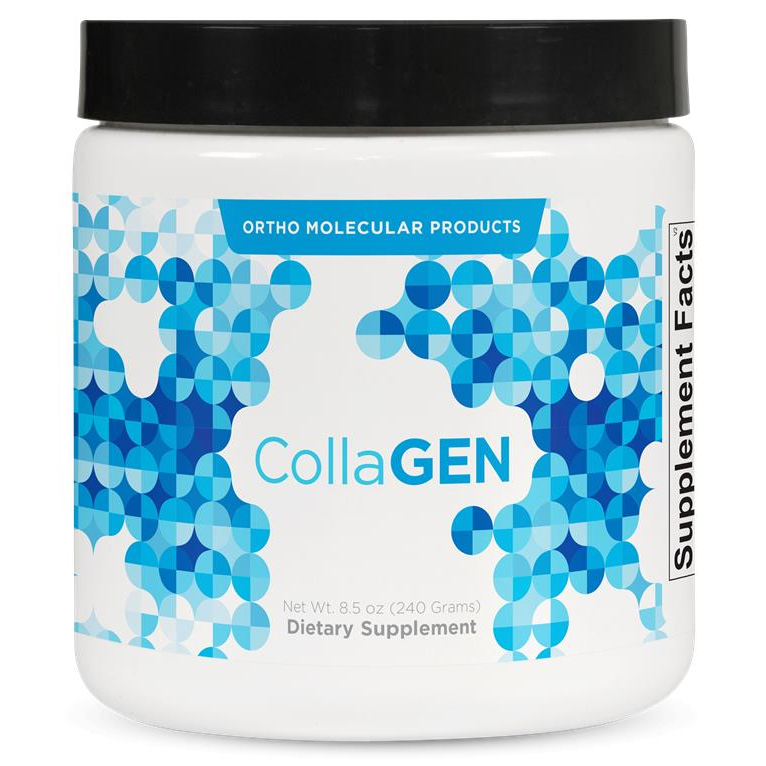
CollaGEN
Ortho Molecular Products
240 grams
$81.64$73.55 with Subscribe & Save
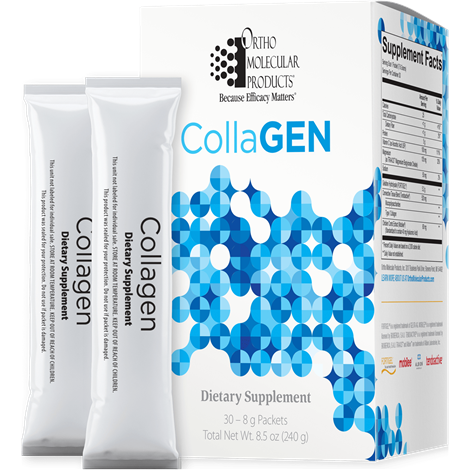
CollaGEN Stick Packs
Ortho Molecular Products
30 packets
$106.84$96.25 with Subscribe & Save
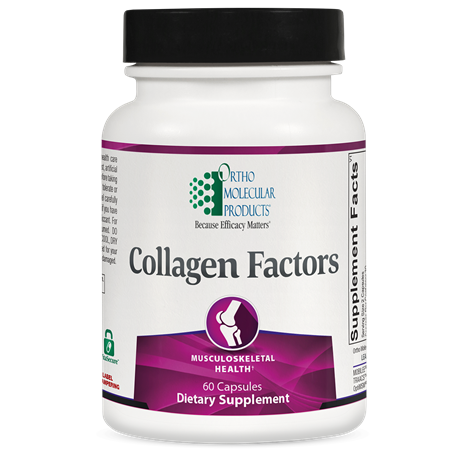
Collagen Factors
Ortho Molecular Products
60 capsules
$47.23$42.55 with Subscribe & Save
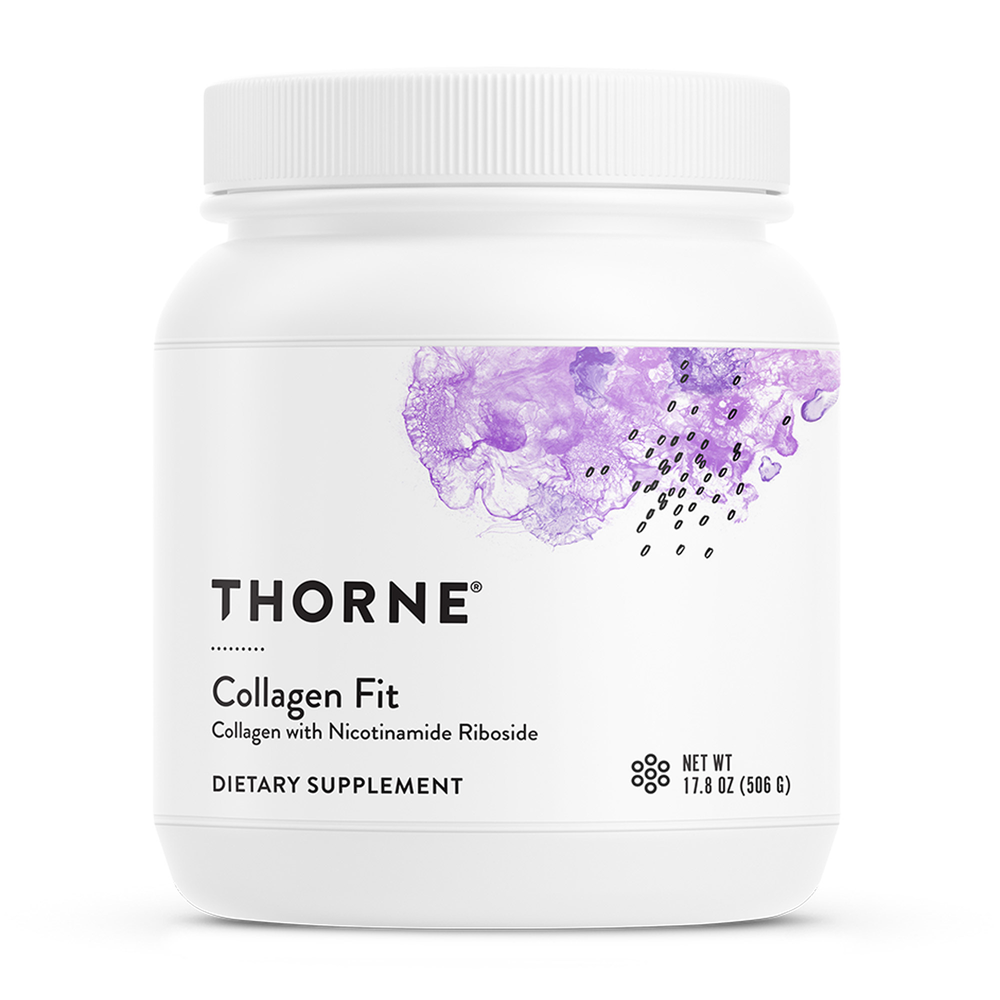
Collagen Fit
Thorne
506 grams
$56.00$50.40 with Subscribe & Save