 Instalab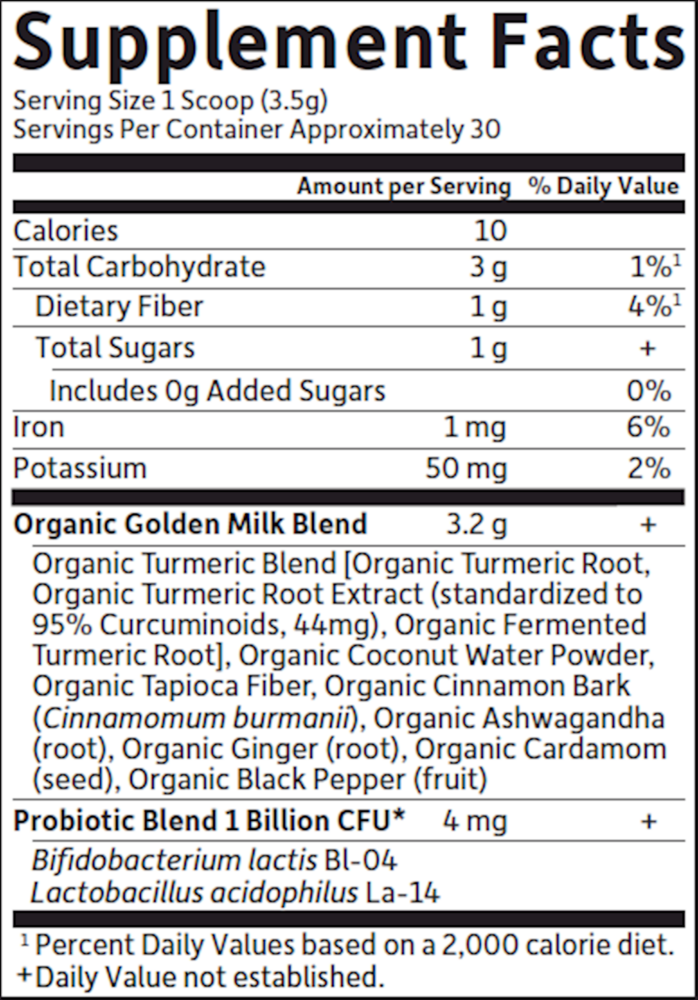

Garden of Life
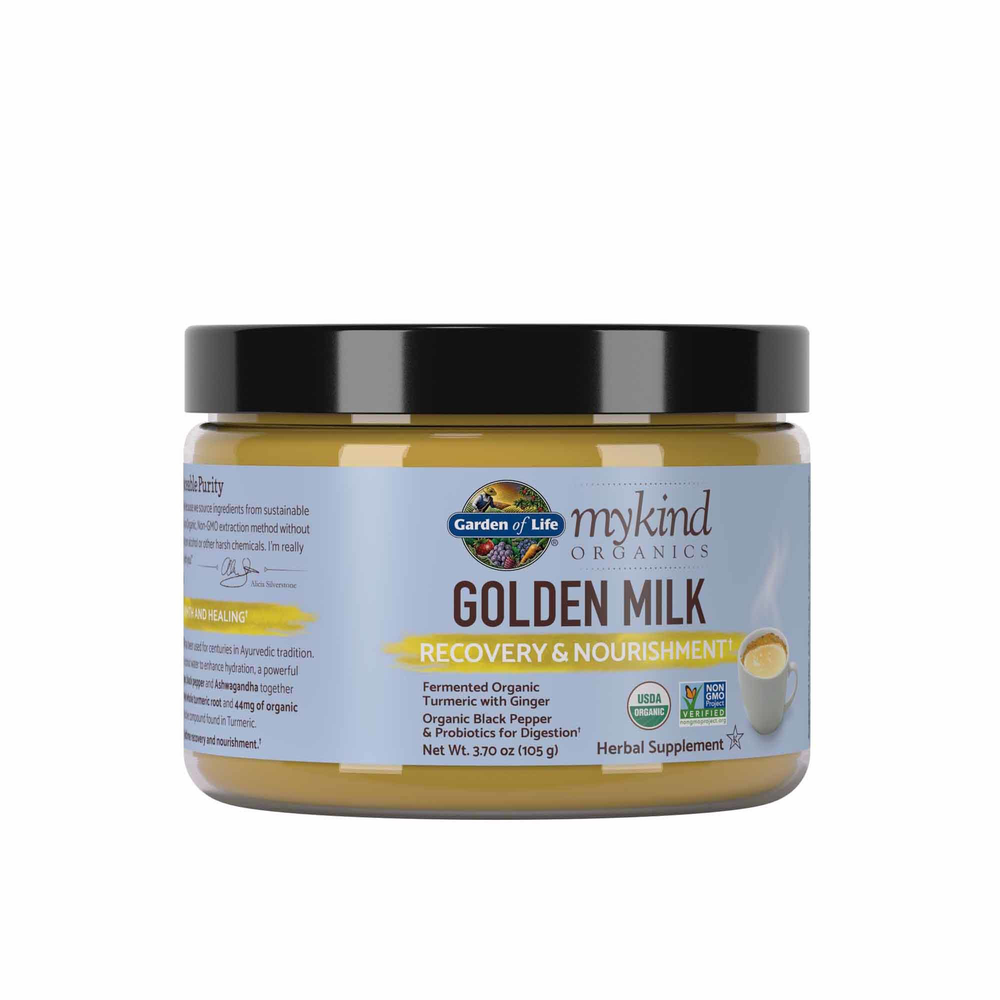
myKind Organics Golden Milk by Garden of Life
105 grams
A Delicious Blend of Turmeric and Probiotics for Wellness Support$21.99
Purchase options
Practitioner-grade brand3rd-party testedFree shipping $50+
Garden of Life myKind Organics Golden Milk overview
If you like the idea of an evening turmeric ritual but don’t tolerate strong curcumin capsules, a turmeric golden milk blend is a gentler fit. It suits people tracking inflammation on labs like hs-CRP (a protein that rises with systemic inflammation), those with mild morning stiffness, and anyone working on regularity and bloat. The added probiotics are a nudge for digestion, while spices like cinnamon can modestly help fasting glucose in those watching metabolic health.
Turmeric delivers curcumin, which downshifts inflammatory signaling and, in responders, can move hs-CRP over weeks. It’s fat‑soluble, so mixing with milk or a creamy plant milk improves absorption, and black pepper extract (piperine, a natural absorption enhancer) is often included to raise blood levels. Ginger and cinnamon add gastrointestinal calming and insulin sensitivity effects, and probiotics help reshape gut bacteria, which can translate to less bloating and more regular stools.
Stir one scoop into warm (not boiling) milk or water once daily; evening works well because the spices pair with wind‑down routines. Avoid boiling liquids to protect any probiotics. Expect digestive changes within 1–2 weeks and joint comfort or hs-CRP shifts within 4–12 weeks. This is a food-like, maintenance approach; if you need aggressive joint support, standardized curcumin capsules are more practical, then keep turmeric golden milk for upkeep.
Skip or clear with your clinician if you have gallstones or bile duct issues, as turmeric can stimulate bile flow. Spices can aggravate reflux; if heartburn is active, reconsider. Turmeric can enhance bleeding risk, so avoid with warfarin or dual antiplatelet therapy and pause before surgery. People who are pregnant, immunocompromised, or have a central line should only use probiotic-containing drinks if a clinician signs off.
Is it better at night? Many prefer it in the evening for habit and comfort; timing doesn’t change absorption. Can it help blood sugar? Cinnamon-containing blends offer small improvements in fasting glucose and Hemoglobin A1c (your 3‑month glucose average), but diet and activity drive most of the change. Does heat kill the probiotics? Warm is fine; don’t pour boiling water directly on them.
Frequently asked questions
What is golden milk, and why add probiotics?
Golden milk is a turmeric-based spice blend mixed into warm milk or water. Probiotics add a gentle gut effect—helping with regularity and bloat—while turmeric and ginger address inflammatory and digestive comfort from another angle.
How long does turmeric golden milk take to work?
Digestion often feels different within 1–2 weeks. For joint comfort and inflammation markers like hs-CRP, give it 4–12 weeks. If you need faster or larger effects, consider standardized curcumin capsules alongside lifestyle changes.
Can I drink turmeric golden milk with medications?
Use caution. Turmeric can increase bleeding risk with warfarin and antiplatelet drugs, and black pepper (piperine) can change how some medicines are metabolized. Separate by several hours and check with your clinician for drug-specific advice.
Will hot water kill the probiotics in golden milk?
Very hot or boiling water can reduce viability. Mix the powder into warm (sippable) liquid, not boiling. Many blends use hardy strains, but staying below boiling protects counts.
Is turmeric golden milk safe in pregnancy or breastfeeding?
Culinary turmeric is generally considered safe, but concentrated turmeric supplements are usually avoided in pregnancy. Because this includes added actives and probiotics, discuss with your obstetric clinician before using.
Can turmeric golden milk lower blood sugar?
Cinnamon and turmeric show small improvements in fasting glucose and Hemoglobin A1c in some studies. The effect is modest; diet quality, fiber, sleep, and activity remain the primary levers for metabolic health.
What side effects should I watch for?
Common issues are mild stomach upset or heartburn from spices. Rarely, turmeric can trigger gallbladder discomfort. Stop if you notice worsening reflux, right‑upper‑abdominal pain, rash, or easy bruising, and speak with your clinician.
How to take it & ingredients
Suggested use: Mix one scoop (7 grams) into 8 ounces of warm water or milk, once daily, or as directed by your healthcare professional.
Certifications
Benefits
Warnings
Customers also considered
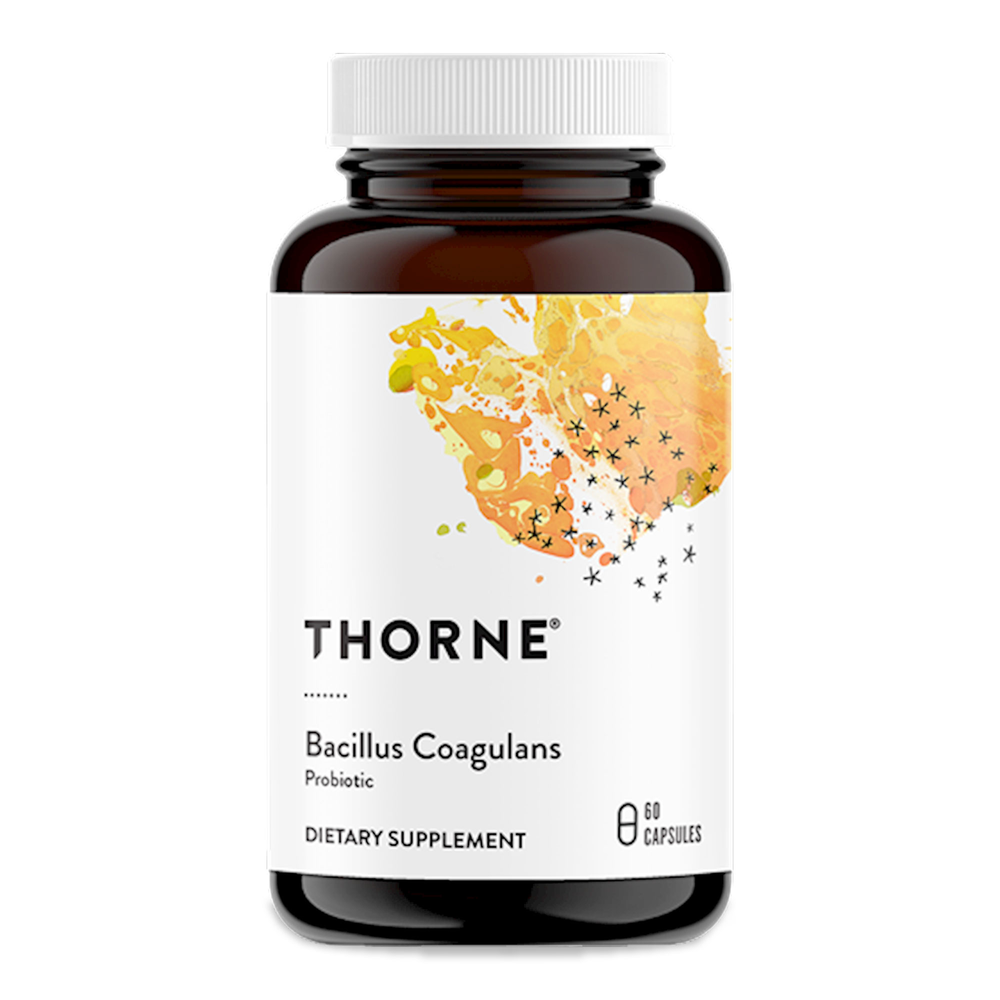
Bacillus Coagulans
Thorne
60 capsules
$33.00$29.70 with Subscribe & Save

Complete Biotic
Thorne
30 packets
$46.00$41.40 with Subscribe & Save

Complete Probiotics 70 Billion CFU
Dr. Mercola
30 capsules
$46.99$37.99 with Subscribe & Save

Digestive Probiotic & Prebiotic Grape
SmartyPants
60 gummies
$36.99$29.99 with Subscribe & Save