 Instalab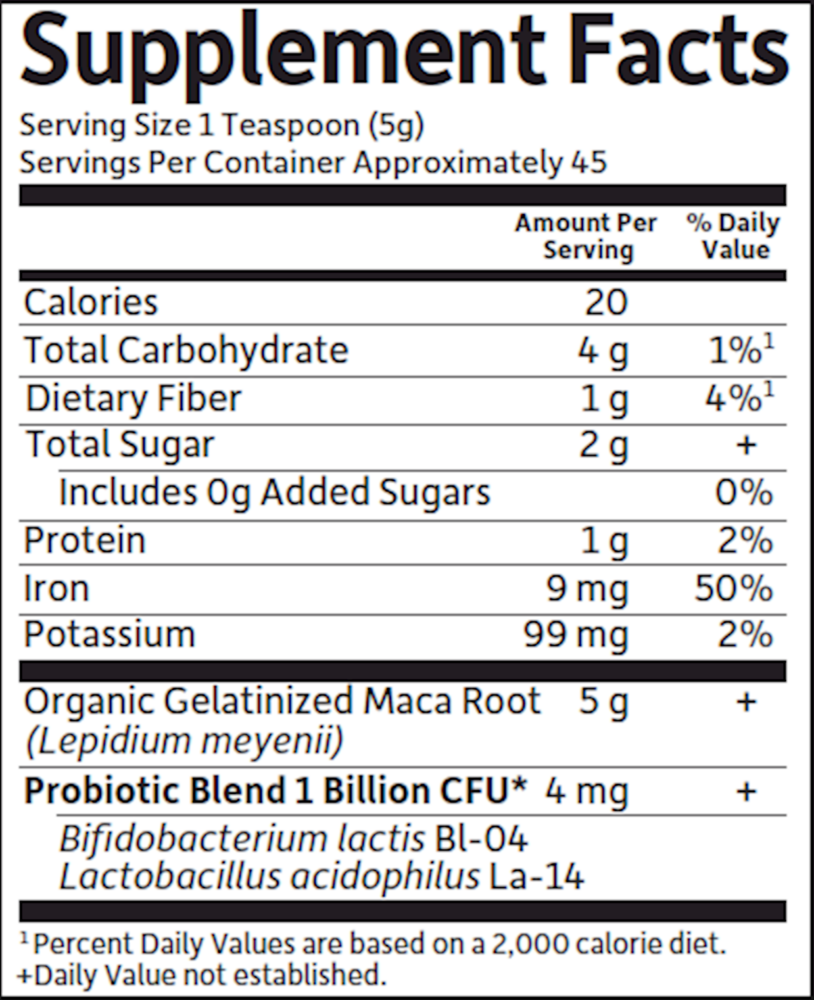

Garden of Life
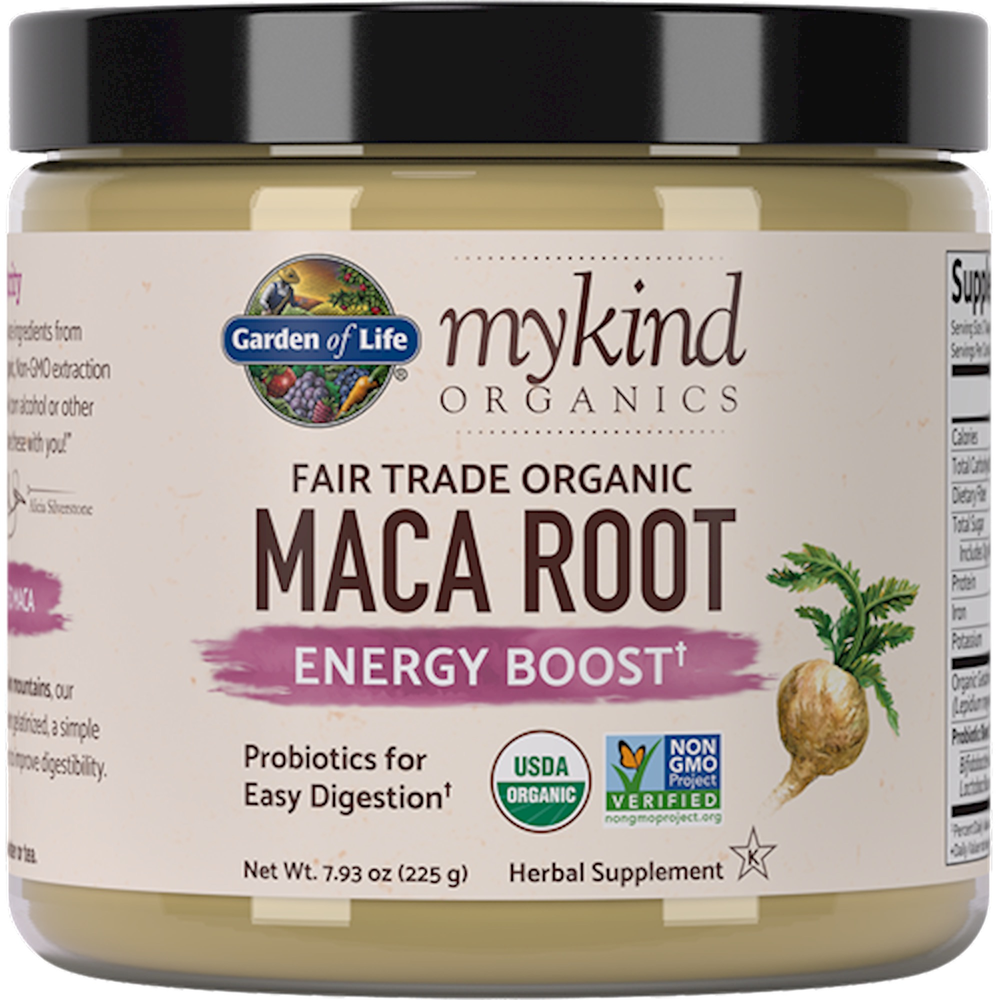
myKind Organics Maca Root by Garden of Life
225 grams · 45-day supply
Organic Maca Root for Energy, Stamina & Digestive Health$19.99
This item is currently out of stockGet notified when this item is back in stock
Practitioner-grade brand3rd-party testedFree shipping $50+
Vegan·Gluten Free·Soy Free·Dairy Free·Tree Nut Free·Artificial Preservative Free·
Garden of Life myKind Organics Maca Root overview
You’ll like maca root powder if you want steadier, caffeine‑free energy and better workout endurance without jitters. It’s useful during perimenopause for mood and hot-flash swings, and for low sexual desire in men and women. The probiotic blend makes it easier on the stomach. In practice, responders notice more consistent daytime energy within 2–6 weeks; this isn’t a quick stimulant, and it’s not a fertility or testosterone treatment.
Maca contains macamides, plant compounds that appear to act in the brain areas that regulate stress and fatigue, which is why it feels more like resilience than a buzz. Trials generally don’t show big shifts in testosterone or estradiol (the main sex hormone in women), yet some people report fewer hot flashes and better sexual function, likely via central effects. Gelatinized maca is pre-cooked to remove much of the starch, improving digestibility. The added Bifidobacterium lactis Bl‑04 and Lactobacillus acidophilus La‑14 (two well-studied probiotic strains) help reduce gas for sensitive guts.
Mix one teaspoon into a smoothie, oatmeal, or coffee alternative in the morning. Start with half a teaspoon for a week if you’re prone to bloating, then move up. Athletes often take it 30–60 minutes before training for perceived energy. Take daily for at least 2–6 weeks to judge benefit. If you have a sensitive stomach, pair it with food. Avoid right before bedtime.
Pregnancy or breastfeeding: avoid due to limited safety data. Thyroid disease: maca is a cruciferous root; the gelatinized form is easier on the thyroid, but stay at one serving and discuss checking TSH (the pituitary signal that sets thyroid output) if you notice symptom changes. If you have a history of hormone‑sensitive cancers or you’re on estrogen or testosterone therapy, talk to your clinician first. Severe immunosuppression: skip added probiotics unless cleared by your team. Separate from oral antibiotics by 2 hours.
Frequently asked questions
What does maca root powder actually do?
Maca isn’t a stimulant. Most users report steadier daytime energy, improved exercise stamina, and in some cases better sexual desire or fewer hot flashes. Lab hormones usually don’t change much; effects seem to be central, in how the brain regulates stress and fatigue.
How long does maca take to work?
Give it 2–6 weeks of daily use. Energy and workout stamina are usually the first changes. Menopausal symptom changes, if they occur, can take 6–12 weeks. If nothing is noticeable by 8 weeks, it’s reasonable to stop.
Does maca increase testosterone or estrogen?
Not reliably. Most controlled studies show little to no change in testosterone or estradiol on labs. Benefits for libido and mood likely come from brain-level effects on stress and fatigue perception, not from raising hormone levels.
What’s the best time of day to take maca?
Morning is best for most people. It’s caffeine-free but can feel energizing, so avoid taking it close to bedtime. Athletes often take it 30–60 minutes before training for perceived endurance.
Is maca safe if I have a thyroid issue?
Use caution. Gelatinized maca is easier to digest and lower in goitrogenic starches, but if you have thyroid disease, stick to the suggested serving and discuss checking TSH if symptoms shift. If you’re unstable on medication, wait until things are steady.
Are there side effects with maca powder?
Most tolerate it well. Possible effects are bloating, gas, or mild GI upset, especially at higher amounts; starting with half a teaspoon helps. Rarely, people report restlessness if taken late in the day. Stop if you notice headaches or rashes.
Is the 1 billion CFU probiotic in this meaningful?
It’s a light, digestive-comfort dose, not a therapeutic probiotic. The Bl‑04 and La‑14 strains can help reduce gas and improve tolerance, but they aren’t intended to treat conditions like irritable bowel or antibiotic-associated diarrhea.
Can I take maca with coffee or pre-workout?
Yes. It’s caffeine-free and can be mixed into coffee or taken alongside a pre-workout. If you feel overly amped, shift maca to earlier in the morning or reduce your stimulant dose.
How to take it & ingredients
Suggested use: Adults mix 1 teaspoon into 8oz of any beverage. Not intended for children.
Active ingredients
1 teaspoon = 5mg per serving · 45 servings
Organic Gelatinized Maca Root
Lepidium peruvianum
Lepidium peruvianum
5000 mg
Probiotic Blend
Bifidobacterium lactis Bl-04; Lactobacillus acidophilus La-14
Bifidobacterium lactis Bl-04; Lactobacillus acidophilus La-14
1 billion CFU, 4 mg
Certifications
Benefits
Warnings
Customers also considered
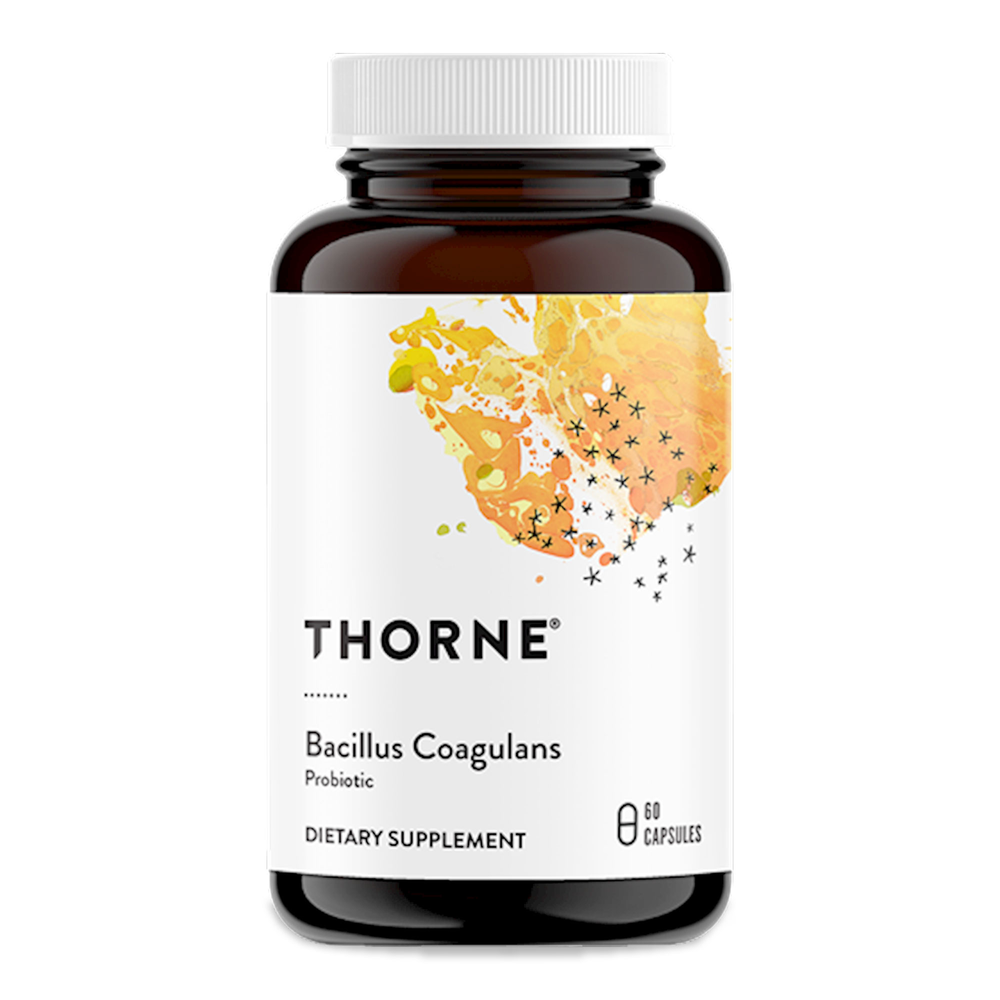
Bacillus Coagulans
Thorne
60 capsules
$33.00$29.70 with Subscribe & Save

Complete Biotic
Thorne
30 packets
$46.00$41.40 with Subscribe & Save
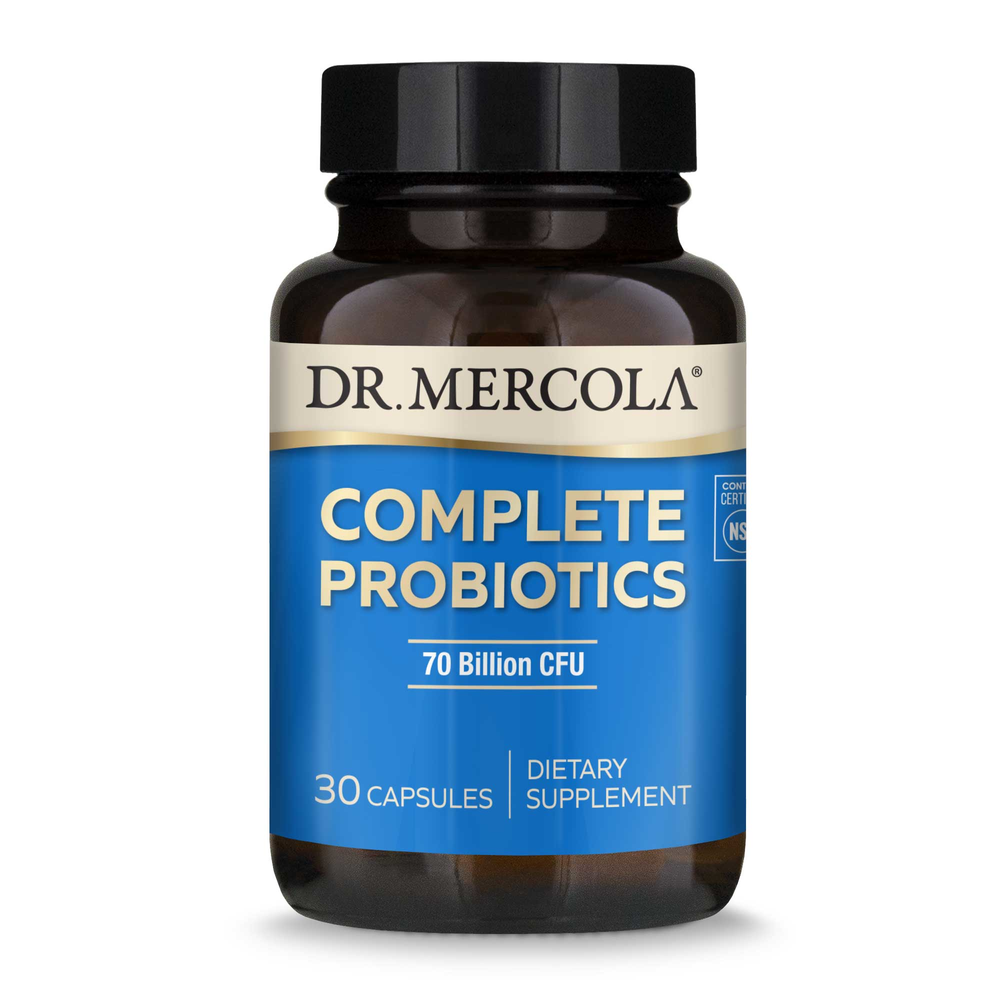
Complete Probiotics 70 Billion CFU
Dr. Mercola
30 capsules
$46.99$37.99 with Subscribe & Save
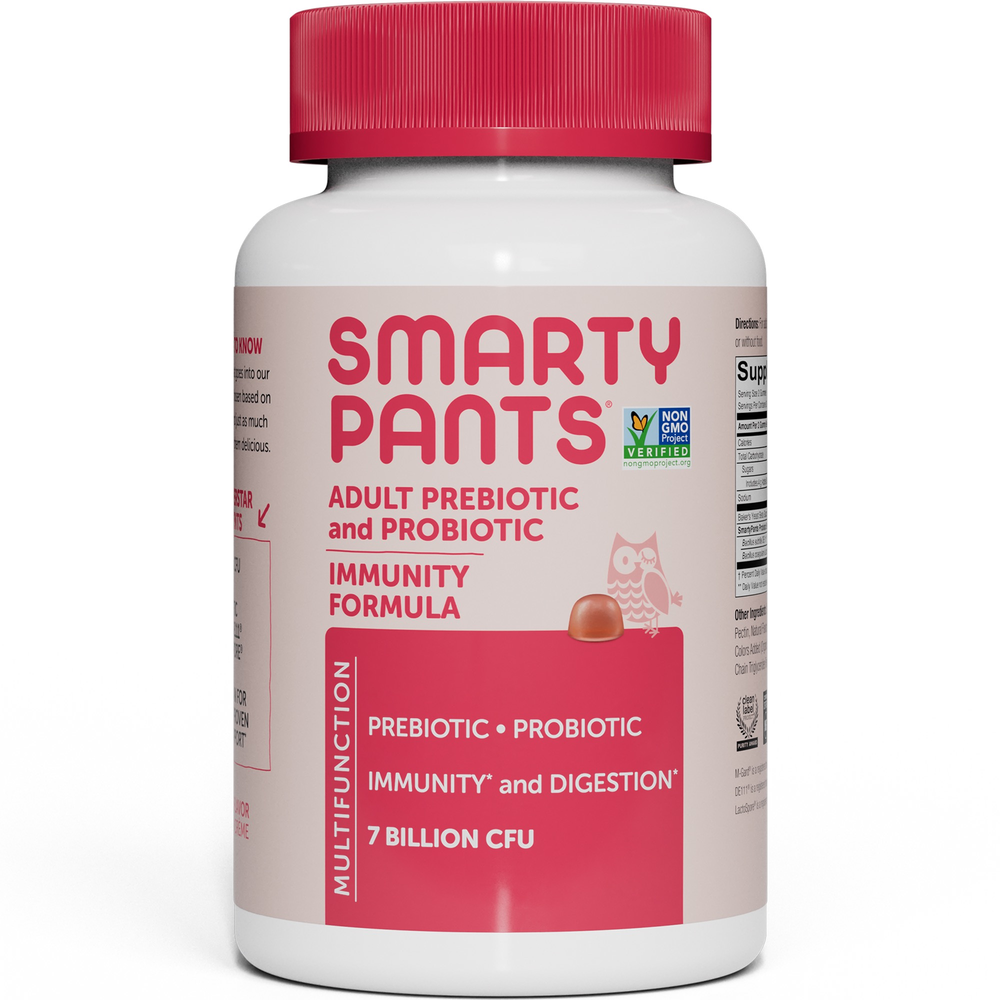
Digestive Probiotic & Prebiotic Grape
SmartyPants
60 gummies
$36.99$29.99 with Subscribe & Save