 Instalab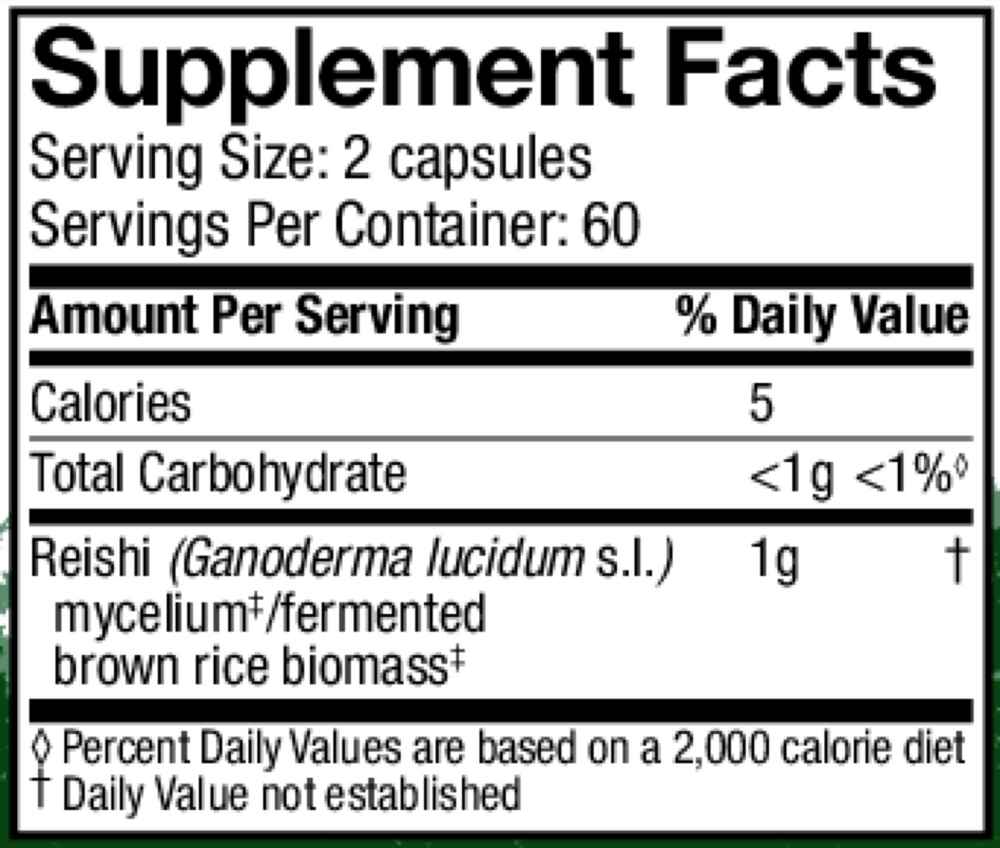
Host Defense
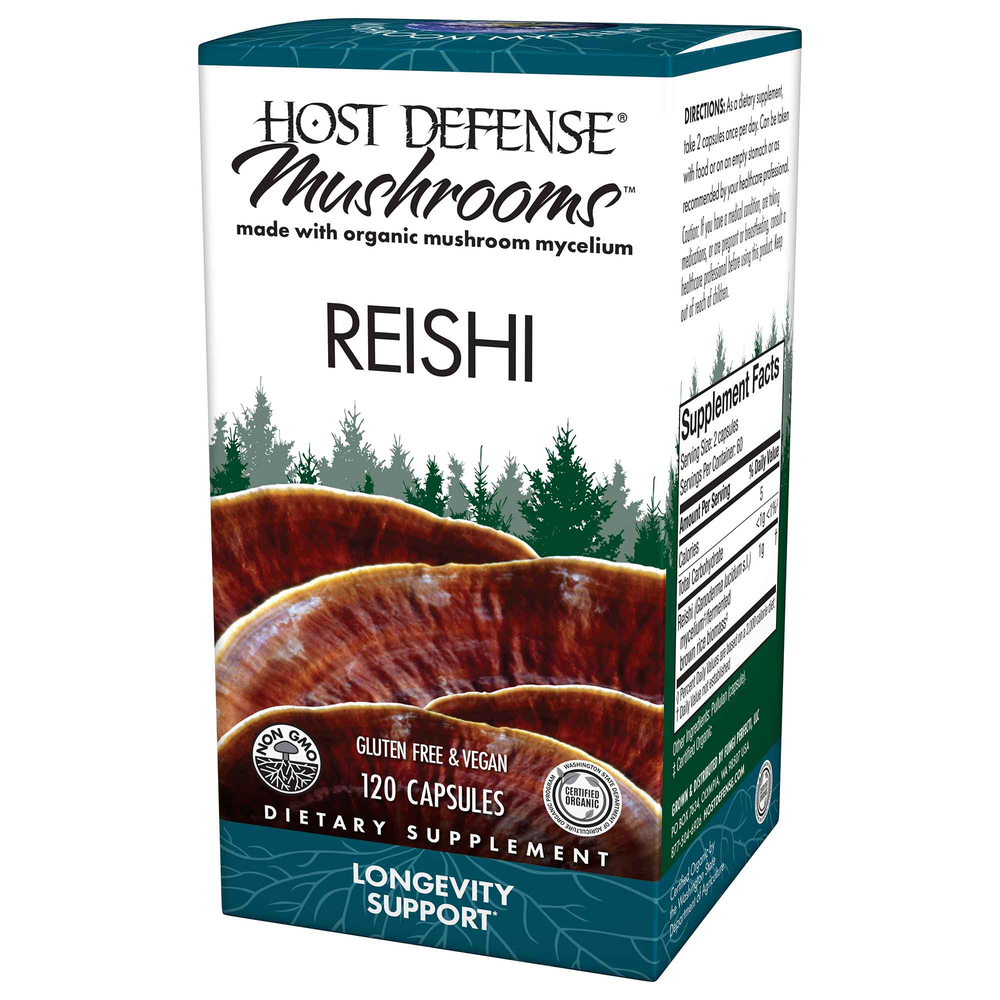
Reishi 1 g by Host Defense
120 capsules · 60-day supply
Support Your Immune System with Nature's Powerful Mushroom$XX.XX$62.99retail
This item is currently out of stockGet notified when this item is back in stock
21% below MSRP3rd-party tested for purity & potencyFree shipping $50+
Vegan·Vegetarian·Gluten Free
Host Defense Reishi overview
If you’re looking for a reishi mushroom supplement to steady stress and nudge immune balance, this fits. It’s a daily pick for high-pressure periods, travel, or if your hs-CRP (high-sensitivity C‑reactive protein, an inflammation marker) runs high-normal and you want gentler inputs first. It’s also reasonable for lighter, more settled sleep over weeks, not as a knockout. If you want heavy beta‑glucan dosing for acute goals, a quantified fruiting‑body extract may be a better tool.
Reishi (Ganoderma lucidum) contains beta‑glucans, complex sugars that train innate immune cells to react more appropriately, and triterpenes, oil‑like compounds linked to calming and liver signaling. Host Defense uses reishi mycelium grown on fermented brown rice, which delivers immune‑active polysaccharides plus mycelial metabolites you don’t find in hot‑water extracts. In practice, people notice steadier mood and fewer stress spikes before they see lab shifts like a small drop in hs‑CRP over several weeks.
Take two capsules once daily, with or without food. For calmer evenings, take them with dinner; for daytime steadiness, take in the morning. Stay consistent for 4 to 8 weeks before judging. This is a maintenance‑level dose; if you’re chasing specific targets like a low Omega‑3 Index or elevated triglycerides, pair reishi with the supplement that directly moves that marker and use labs (hs‑CRP, A1c, ALT) to track changes.
Reishi can mildly lower blood sugar and blood pressure, so monitor if you use diabetes or hypertension meds. Skip if you’re on immunosuppressants (post‑transplant or biologics) since immune‑modulating herbs can counteract therapy. Use caution with anticoagulants or antiplatelets because mushrooms can have a small blood‑thinning effect. Rarely, reishi products have been linked to liver enzyme rises; if your ALT or AST are already elevated, add it only with clinician oversight.
Avoid if you’re allergic to mushrooms, pregnant, or breastfeeding—human safety data are limited. If you have an autoimmune condition that flares easily, introduce reishi only if you’re stable and monitoring symptoms. If your goal is heavy immune stimulation for a short window, look for a fruiting‑body extract with stated beta‑glucan content rather than mycelium‑based capsules.
Frequently asked questions
How long does reishi mushroom take to work?
Most people need 2 to 4 weeks of daily use to notice steadier stress or sleep, and 6 to 8 weeks to see small lab shifts like a lower hs-CRP. It’s not an acute sleep aid; effects build with consistency.
Does reishi help with sleep?
It can make sleep feel calmer by taking the edge off stress, but it’s gentle. Take it with dinner for this effect. If you need a direct sedative, reishi is usually too mild on its own.
Does reishi thin your blood?
Reishi has a mild blood‑thinning potential. If you’re on warfarin, apixaban, clopidogrel, or daily aspirin, avoid or clear it with your clinician and watch for easy bruising or nosebleeds.
Is reishi safe to take every day?
For most healthy adults, daily use is well tolerated. Occasional nausea, dry mouth, or rash can occur. If you have liver disease or rising ALT/AST, monitor labs and stop if enzymes increase.
Can I take reishi with antidepressants or anxiety meds?
Generally yes, because reishi is not a sedative or serotonergic. Still, introduce one change at a time and watch for additive drowsiness if you take evening medications.
Will reishi lower blood sugar?
It can modestly lower glucose in some users. If you use insulin or sulfonylureas, monitor fasting glucose or Continuous Glucose Monitor trends and adjust therapy only with your clinician.
My reishi is mycelium, not fruiting body. Is that okay?
Mycelium provides immune‑active polysaccharides plus unique mycelial metabolites. If you want the highest beta‑glucan per gram, a quantified fruiting‑body extract is more efficient.
How to take it & ingredients
Suggested use: Take 2 capsules once per day, with or without food, or as recommended by your healthcare professional.
Active ingredients
2 capsules per serving · 60 servings
Reishi mycelium/fermented brown rice biomass
Ganoderma lucidum s.l.
Ganoderma lucidum s.l.
1 g
Other ingredients: Pullulan (capsule)
Certifications
Benefits
Warnings