 Instalab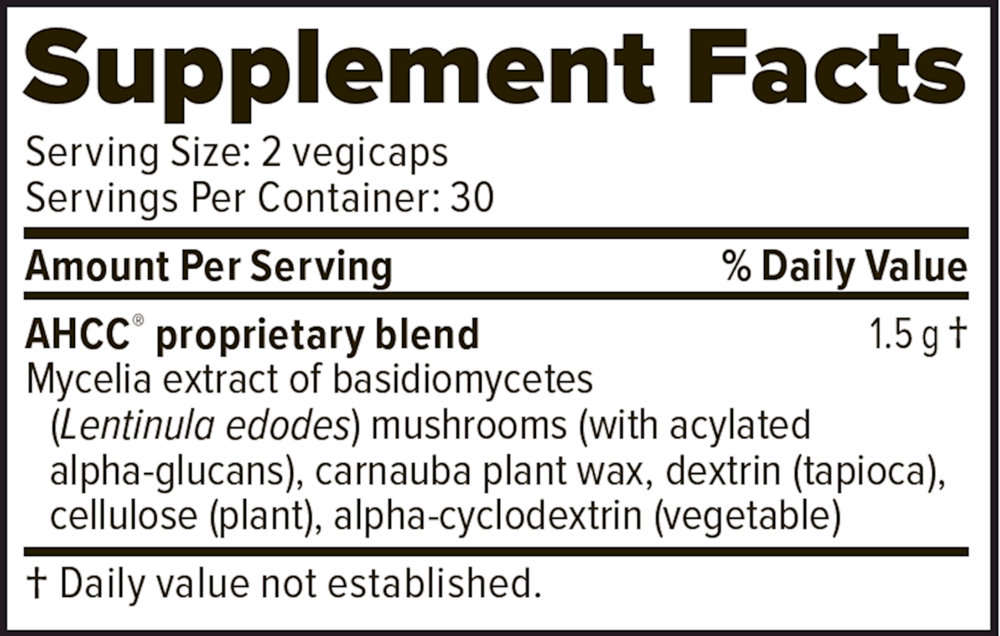
QOL Labs
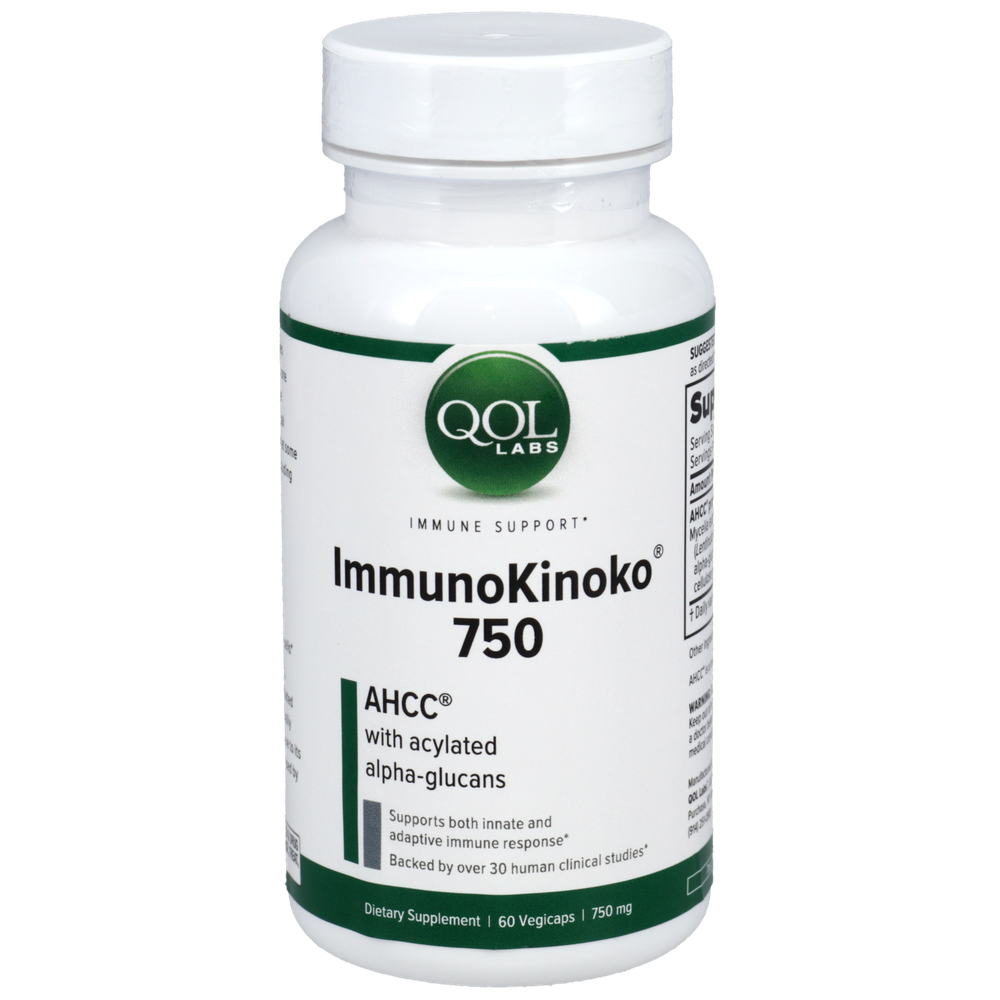
ImmunoKinoko 750 1.5 g by QOL Labs
60 capsules · 30-day supply
Support Your Immune System with Powerful Mushroom Extracts$95.99
Purchase options
Practitioner-grade brand3rd-party testedFree shipping $50+
Vegetarian·Gluten Free
QOL Labs ImmunoKinoko 750 overview
If you’re looking for practical immune upkeep, an AHCC supplement fits adults who catch frequent colds, travel often, train hard, or work high-stress or shift schedules. It’s useful if your WBC (white blood cell) count runs low-normal after an illness, or if your hs-CRP (a general inflammation marker) trends high and you’re cleaning up lifestyle factors. The 1.5 g/day studied dose works as a steady maintenance plan; short-term higher dosing is sometimes used during heavy exposure periods under clinician guidance.
AHCC is a cultured mushroom mycelia extract rich in small alpha-glucans that your gut absorbs more readily than typical beta-glucans. It primes natural killer cells (the white blood cells that patrol for virus-infected or abnormal cells) and tunes dendritic cells (the sentinels that present threats to your immune system), which in turn guides T-cell responses. These signals travel through cytokines (the proteins immune cells use to talk), explaining the uptick in surveillance seen in clinical studies within weeks.
Follow the label: 2–4 capsules daily before meals, ideally on an empty stomach for consistent absorption. Most clinical protocols center on about 1.5 g/day for maintenance over 8–12 weeks; some people use a higher split dose short term during travel season, then step back. Pairing with basics like vitamin D if your Vitamin D, 25-Hydroxy is low and zinc if your Zinc level is low makes sense; don’t stack every “immune” supplement at once.
Skip AHCC if you’re on immune-suppressing drugs, including tacrolimus or cyclosporine after transplant, high-dose steroids, or biologics like adalimumab or infliximab, unless your specialist agrees. Autoimmune conditions can be variable with immune-activating nutrients, so proceed only with clinician oversight. Pregnancy and breastfeeding lack solid data. If you have a mushroom allergy, avoid it. Oncology patients should coordinate timing and dosing with their care team.
People usually notice steadier resilience within 2–4 weeks of daily AHCC, with immune markers like NK cell activity rising on that timeline in studies. GI upset is uncommon and mild when it happens; taking it before meals helps. QOL Labs ImmunoKinoko 750 provides the clinically used AHCC form; the key is consistency rather than pulsing it on and off.
Frequently asked questions
What is AHCC and how is it different from regular mushroom supplements?
AHCC is an extract of cultured mushroom mycelia standardized for small alpha‑glucans that are easier to absorb. Typical mushroom products focus on beta‑glucans from fruiting bodies. AHCC’s profile is better studied for natural killer cell and dendritic cell activity.
How long does AHCC take to work?
Most people need 2–4 weeks of daily use to see immune effects, with many protocols running 8–12 weeks. This mirrors clinical timelines for increases in natural killer cell activity and other immune readouts. Consistency matters more than time of day.
What’s the right AHCC dosage?
About 1.5 g per day is the most common studied dose for ongoing maintenance. Some clinicians use higher short-term dosing during heavy exposure periods, then step down. Follow the label unless your healthcare professional advises a different plan.
Can I take AHCC with vitamin C, zinc, or vitamin D?
Yes, AHCC pairs well with basics like vitamin C, zinc, and vitamin D, especially if labs show you’re low (Zinc or Vitamin D, 25-Hydroxy). Avoid stacking many immune boosters at high doses; choose two or three with a clear plan and timeline.
Are there side effects from AHCC?
AHCC is generally well tolerated. Occasional mild GI symptoms like bloating or soft stools can occur, which often settle when taken before meals. Stop and seek guidance if you develop rash, wheeze, or other signs of allergy.
Is AHCC safe with autoimmune disease?
Use caution and involve your clinician. AHCC can stimulate immune activity, which is not automatically good or bad in autoimmune conditions. If you and your specialist choose to try it, monitor symptoms and relevant labs closely.
Can I use AHCC if I’m on immunosuppressant drugs?
Generally no, unless your specialist explicitly approves. AHCC can counteract drugs like tacrolimus, cyclosporine, high‑dose steroids, or biologics that intentionally dampen immunity, which could affect your treatment plan.
Should I take AHCC with food or on an empty stomach?
Empty stomach or before meals is preferred and used in studies, which seems to improve consistency of absorption. If you get mild stomach upset, you can try a small snack, but keep the timing the same each day.
How to take it & ingredients
Suggested use: Take 2-4 capsules daily before meals or as directed by your healthcare professional.
Active ingredients
2 capsules per serving · 30 servings
▼
AHCC™ Proprietary Blend
1.5 g
Mycelia extract of hybridized basidiomycetes (Lentinula edodes) mushrooms (with acetylated alpha-glucans)
-
Candelilla wax
-
Dextrin (tapioca)
-
Cellulose (plant)
-
Alpha-cyclodextrin (vegetable)
-
Other ingredients: Vegetable cellulose, Leucine
Certifications
Benefits
Warnings