 Instalab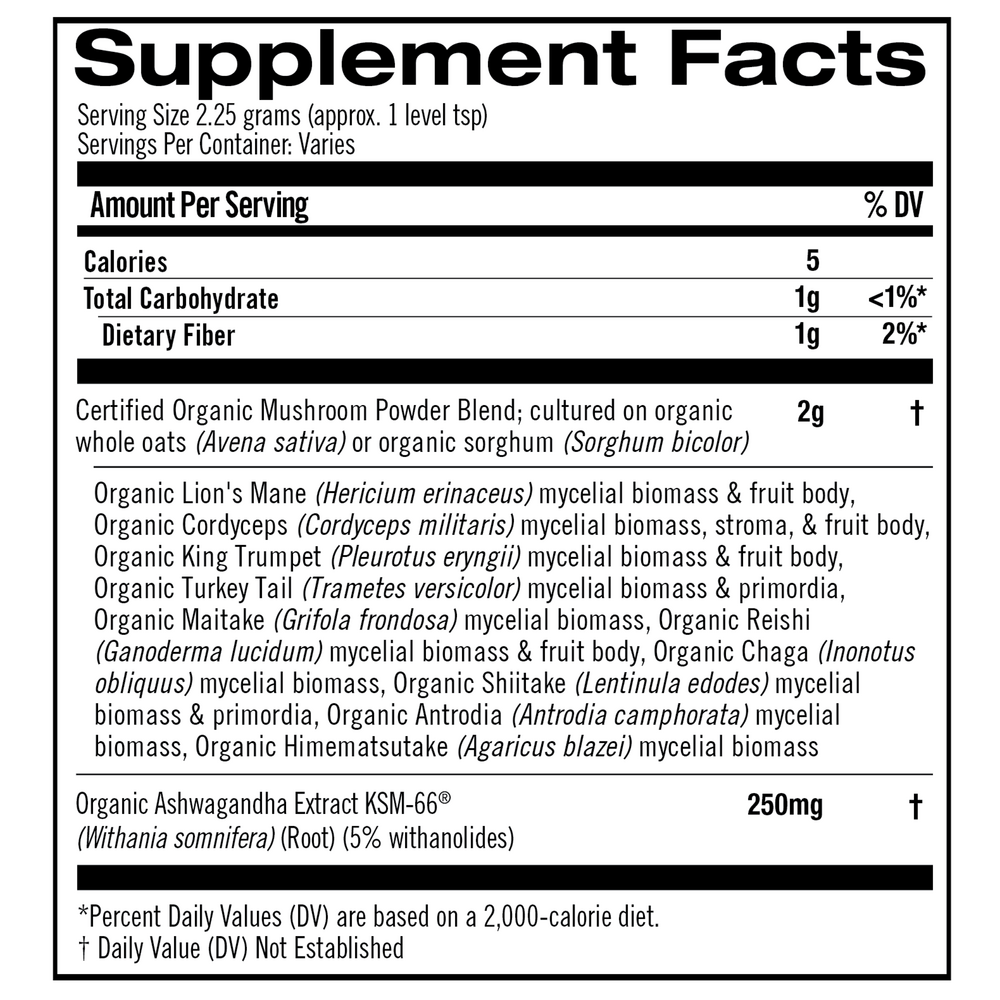
Om Organic Mushroom Nutrition
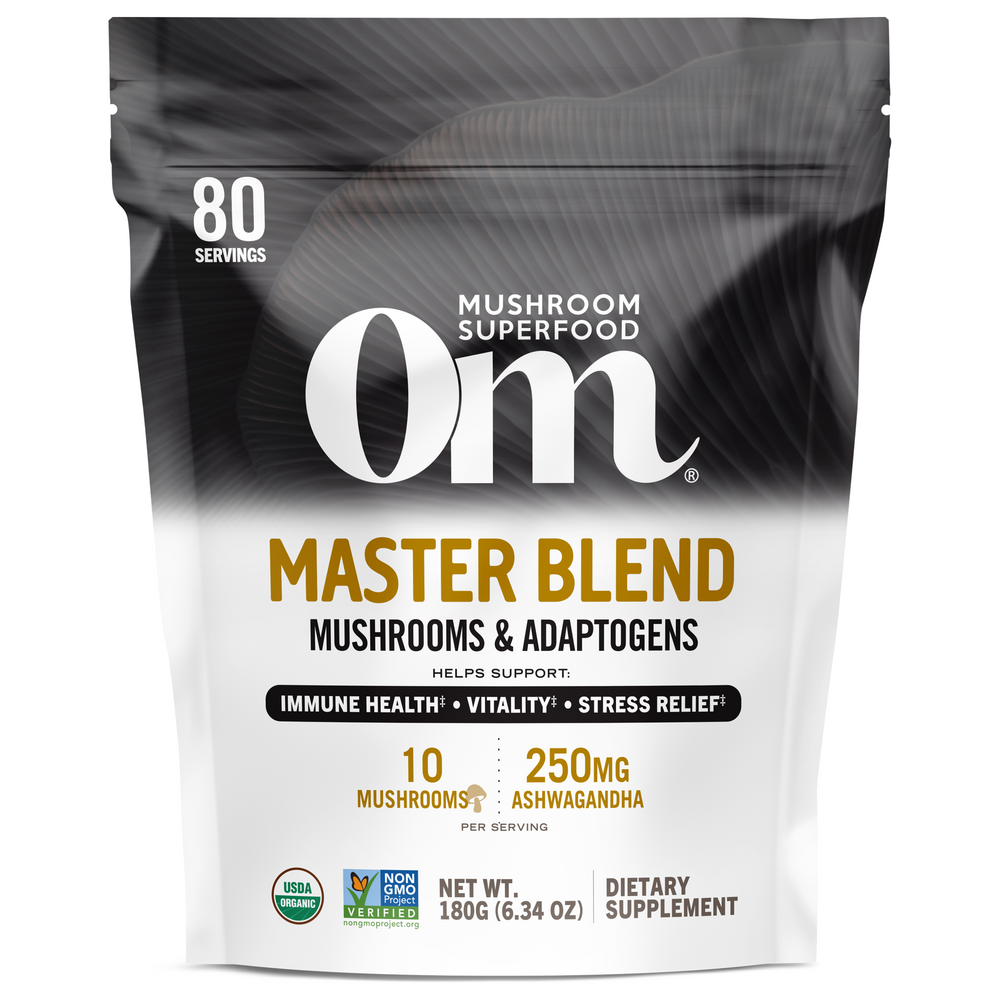
Mushroom Master Blend by Om Organic Mushroom Nutrition
180 grams · 80-day supply
Enhance Wellness with a Powerful Blend of Adaptogenic Mushrooms$42.99
This item is currently out of stockGet notified when this item is back in stock
Practitioner-grade brand3rd-party testedFree shipping $50+
Vegan·Vegetarian·Gluten Free·Dairy Free·Egg Free·Fish Free·
Om Organic Mushroom Nutrition Mushroom Master Blend overview
If you’re looking for a daily, food‑like way to nudge immunity, stress resilience, and focus without stimulants, a mushroom powder blend is a practical fit. It’s suited to adults with frequent colds, high work stress, or light sleep who want gentle help while they track hs-CRP (an inflammation marker) or morning cortisol (your stress hormone) over time. If you’re struggling with clear nutrient gaps like low Ferritin (iron stores) or Vitamin D, 25-Hydroxy, correct those first; powders won’t cover for deficiencies.
Ten organic mushrooms deliver beta‑glucans (polysaccharides that train innate immune cells to respond more effectively), while reishi adds triterpenes that many find calming. Lion’s mane is here for nerve growth factor signaling, which some link to clearer focus, and cordyceps has a mild effect on cellular ATP production, perceived as steadier energy. The added ashwagandha KSM‑66 reduces perceived stress and can modestly lower cortisol, which aligns with reports of better sleep and less reactivity within 2 to 4 weeks.
Stir one level teaspoon (about 2.25 g) of this mushroom powder into coffee, tea, or a smoothie once daily. It’s earthy, so pairing with cocoa or chai works well. If you’re sensitive, start with 1/2 teaspoon for a week, then move up. Consistency matters: stress and sleep changes usually show within 2 to 4 weeks; immune and hs-CRP shifts, if they occur, tend to show by 4 to 8 weeks.
Avoid if you’re on immunosuppressant drugs, have a mushroom allergy, or are pregnant or breastfeeding (ashwagandha isn’t recommended). Reishi and ashwagandha can increase sedation, so use caution with sleep meds or alcohol. Ashwagandha may nudge thyroid hormones upward; if you’re on levothyroxine or have hyperthyroidism, check levels 4 to 8 weeks after starting. Bleeding‑risk drugs (warfarin, DOACs) warrant clinician input.
Expect subtle, cumulative effects, not a jolt; that’s the nature of mushroom powder and ashwagandha. Om Organic Mushroom Nutrition uses whole‑food organic mushrooms plus KSM‑66, so you get beta‑glucans alongside a clinically studied ashwagandha extract. If you need rapid energy or mood changes, this isn’t a replacement for addressing sleep, iron status, or thyroid health.
Frequently asked questions
How long does mushroom powder take to work?
Most people notice calmer stress and better sleep within 2–4 weeks, while immune or inflammation changes (like hs-CRP) take 4–8 weeks of daily use. Track how you feel and, if you’re measuring labs, recheck on that timeline.
Can I take mushroom powder with coffee or on an empty stomach?
Yes. It mixes well with coffee, tea, or smoothies and can be taken with or without food. If you have a sensitive stomach, start with half a serving and take it with a snack to reduce mild GI upset.
Does ashwagandha in this blend make you sleepy?
It’s not a sedative, but ashwagandha can feel calming. Some people prefer it in the evening for sleep quality, others take it in the morning for stress. If you feel drowsy, move your dose earlier or reduce the serving.
Is mushroom powder safe with antidepressants or anxiety meds?
Generally, yes, but ashwagandha can enhance calming effects. If you’re on SSRIs, SNRIs, benzodiazepines, or sleep medications, start low and discuss with your clinician, especially if you experience extra drowsiness.
Can I use this with blood thinners like warfarin?
Use caution. Reishi has mild anticoagulant effects, which can add to bleeding risk with warfarin or direct oral anticoagulants. If you choose to use it, involve your clinician and monitor for bruising or bleeding.
Is mushroom powder good for athletes or endurance?
Cordyceps is linked to modest improvements in perceived energy and training tolerance, but effects are subtle. Don’t expect VO2 max changes; it’s better viewed as day‑to‑day support alongside sleep, carbs, and iron status.
Does ashwagandha affect thyroid levels?
It can slightly raise thyroid hormone output in some users. If you take levothyroxine or have a thyroid condition, check thyroid labs about 4–8 weeks after starting and adjust with your clinician if needed.
Is this mushroom powder vegan and organic?
Yes. The mushroom blend is certified organic and plant‑based, and the ashwagandha extract (KSM‑66) is derived from the Withania somnifera root. There are no animal‑derived ingredients.
How to take it & ingredients
Suggested use: Add 2.25 grams (approximately 1 level teaspoon) daily to beverages or recipes.
Active ingredients
~1 teaspoon = 2.25 grams per serving · 80 servings
▼
Certified Organic Mushroom Powder Blend
2 g
Organic Lion's Mane (Hericium erinaceus) mycelial biomass & fruit body
-
Organic Cordyceps (Cordyceps militaris) mycelial biomass, stroma, & fruit body
-
Organic King Trumpet (Pleurotus eryngii) mycelial biomass & fruit body
-
Organic Turkey Tail (Trametes versicolor) mycelial biomass & primordia
-
Organic Maitake (Grifola frondosa) mycelial biomass
-
Organic Reishi (Ganoderma lucidum) mycelial biomass & fruit body
-
Organic Chaga (Inonotus obliquus) mycelial biomass
-
Organic Shiitake (Lentinula edodes) mycelial biomass & primordia
-
Organic Antrodia (Antrodia camphorata) mycelial biomass
-
Organic Himematsutake (Agaricus blazei) mycelial biomass
-
▼
Organic Ashwagandha Extract KSM-66®
250 mg
Withania Somnifera
Root
Root
237.5 mg
Withanolides
12.5 mg
Certifications
Benefits
Warnings