 Instalab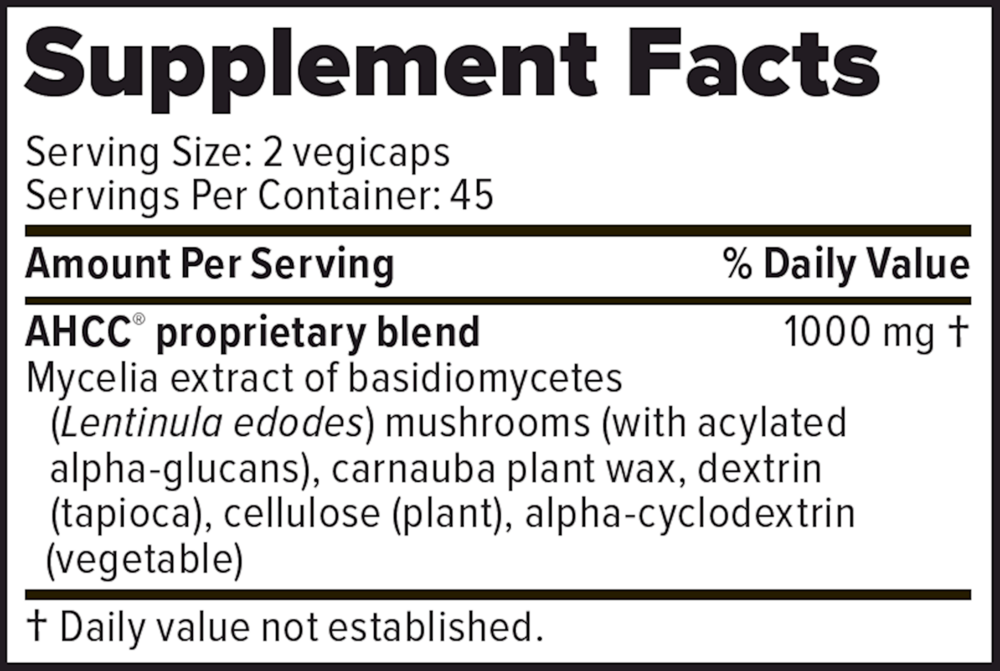
QOL Labs
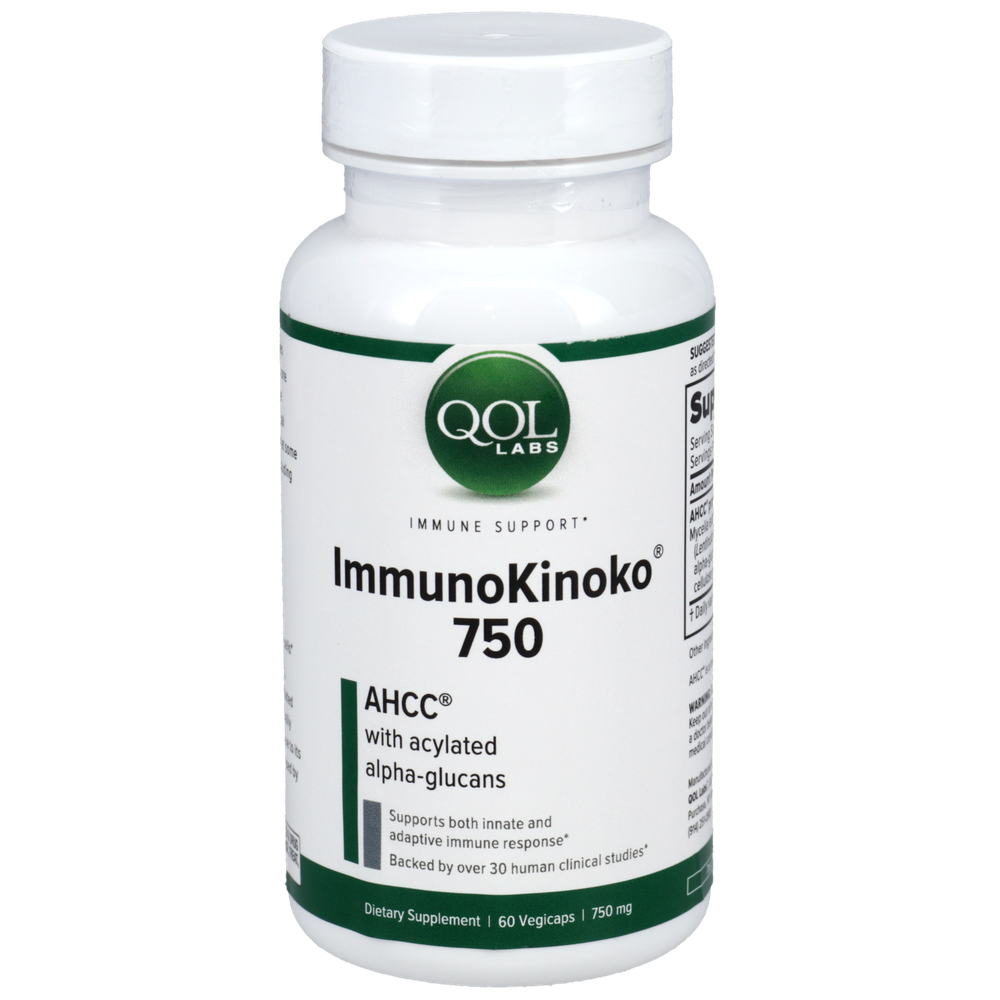
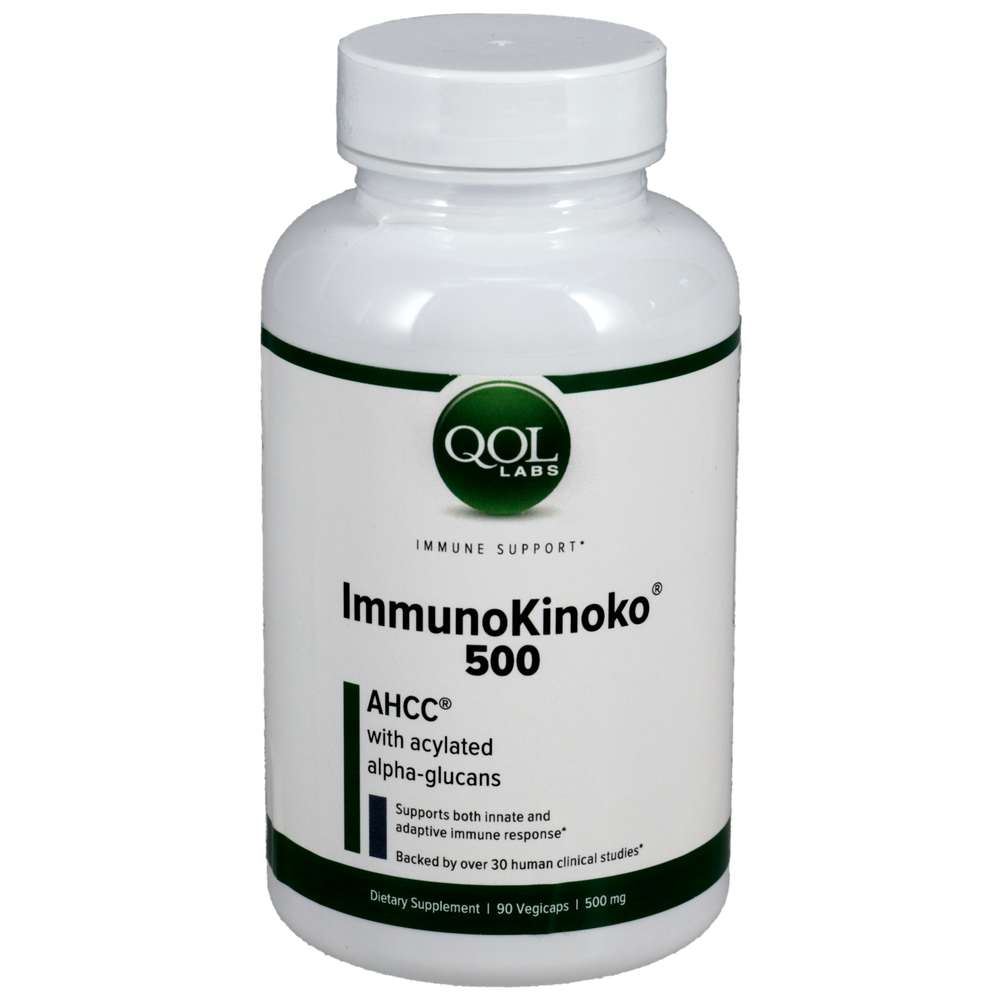
ImmunoKinoko 500 1000 mg by QOL Labs
90 capsules · 45-day supply
Advanced Mushroom Blend for Immune Support and Vitality$95.99
Purchase options
Practitioner-grade brand3rd-party testedFree shipping $50+
Vegetarian·Gluten Free
QOL Labs ImmunoKinoko 500 overview
If you get every cold that goes around, travel frequently, work shifts, or train hard, an AHCC supplement is a practical way to bolster front-line immune defenses. It’s also reasonable if your White Blood Cell Count (WBC, your total circulating immune cells) runs low-normal, or if your Vitamin D, 25-Hydroxy is low and you’re shoring up basics. People recovering from heavy training blocks often use it seasonally for 4 to 12 weeks. If you rarely get sick and your lifestyle stress is low, daily AHCC is less likely to move the needle.
AHCC (a cultured mushroom mycelia extract rich in alpha-glucans) acts like a training signal for innate immunity. It primes natural killer cells (the rapid-response cells that destroy virus-infected or abnormal cells) and dendritic cells (the scouts that present threats to the immune system), which then improves T-cell and macrophage responses. In clinical studies, this translated to higher NK cell activity within 2 to 4 weeks. Effects on inflammation markers like hs-CRP (a general inflammation signal) are modest and inconsistent, so track symptoms and exposures more than that lab.
Take 2–6 capsules daily before meals, as the label suggests. In research, AHCC intakes commonly range from about 1 to 3 grams per day, typically split morning and evening on an empty stomach for absorption. Use the lower end for maintenance during higher-exposure periods, then step up for the first 2 to 4 weeks if you want a faster onset. If you’re combining with vitamin D3, zinc, or vitamin C, take them at the same time for simplicity.
Skip AHCC if you use immune-suppressing drugs like tacrolimus, cyclosporine, biologics for autoimmune disease, or high-dose steroids, unless your clinician agrees—its immune-activating effect can counter their goals. Oncology patients should only add AHCC with their team’s approval. Stop 1 week before surgery. Avoid in pregnancy and breastfeeding for lack of safety data. If you’ve had allergic reactions to mushrooms, do not use.
Most people who respond notice fewer or shorter colds within 4 to 8 weeks, which aligns with NK cell changes seen in studies. You can track basics like WBC or Vitamin D, 25-Hydroxy, but there’s no single lab that proves AHCC is “working.” For year-round use, many take breaks, using it during high-risk seasons or travel instead of continuously.
Frequently asked questions
What is AHCC and what is it made from?
AHCC is a standardized extract from cultured mushroom mycelia, rich in alpha-glucans. It’s not a whole mushroom powder; it’s a concentrated fraction studied for immune effects, especially on natural killer cells and dendritic cells.
How long does AHCC take to work?
Immune activity changes have been measured within 2 to 4 weeks, with practical benefits (fewer or shorter colds) often noticed by 4 to 8 weeks. Keep the dose consistent during that window before judging effect.
What’s the best AHCC dosage?
Most clinical protocols use roughly 1–3 grams per day, often split morning and evening on an empty stomach. Follow the label’s 2–6 capsules/day guidance, and work with a clinician if you plan higher or longer courses.
Should I take AHCC on an empty stomach?
Yes. Most studies and manufacturers recommend taking AHCC before meals. If you have a sensitive stomach, start with a lower dose and a small snack, then shift to empty-stomach dosing as tolerated.
Does AHCC help clear HPV?
Small studies suggest AHCC may increase clearance of persistent HPV, but evidence is preliminary. Do not use it as a stand-alone treatment. Discuss it with your clinician, especially if you’re under gynecologic or oncology care.
Are there side effects with AHCC?
It’s generally well tolerated. The most common issues are mild GI upset, bloating, or loose stools, usually dose-related. Allergic reactions are rare but possible, especially if you’re sensitive to mushrooms.
Can I take AHCC with immunosuppressants or steroids?
Avoid combining without medical supervision. AHCC can stimulate immune activity and potentially counteract drugs like tacrolimus, cyclosporine, biologics for autoimmune disease, or high-dose corticosteroids.
Can I track AHCC’s effects with labs?
There isn’t a single definitive lab. Basics like White Blood Cell Count and hs-CRP can provide context, but changes in infection frequency and recovery time are more meaningful day to day.
How to take it & ingredients
Suggested use: Take 2-6 capsules daily before meals or as directed by your healthcare professional.
Active ingredients
2 capsules per serving · 45 servings
▼
AHCC® Proprietary Blend
1000 mg
Mushroom mycelia extract (Lentinula edodes hybridized strains)
-
Candelilla wax (candelilla plant)
-
Cyclodextrin (vegetable)
-
Microcrystalline cellulose (plant source)
-
Other ingredients: Vegetable cellulose (capsule), Vegetable magnesium stearate (from plant oil)
Certifications
Benefits
Warnings