 Instalab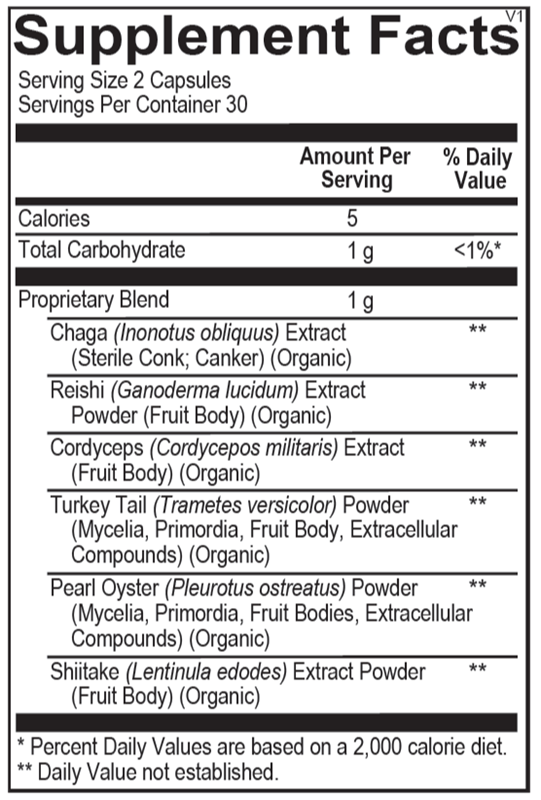
Ortho Molecular Products
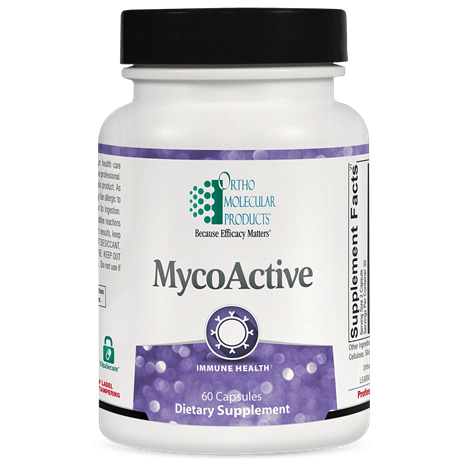
MycoActive 1 g by Ortho Molecular Products
60 capsules · 30-day supply
Support Your Health with a Powerful Mushroom Blend$48.23
Purchase options
Practitioner-grade brand3rd-party testedFree shipping $50+
Gluten Free·Yeast Free·Artificial Color Free·Artificial Flavor Free
Ortho Molecular Products MycoActive overview
If you catch every cold going around or train hard and notice you get run down afterward, a mushroom supplement is a practical experiment. The blend of medicinal mushrooms here suits frequent travelers, teachers, and parents with daycare exposure, and those whose hs-CRP (a blood marker of low-grade inflammation) runs on the higher side. It’s everyday maintenance, not a drug; pair it with good sleep and check your Vitamin D, 25-Hydroxy if infections are a theme.
Mushroom extracts are rich in beta-glucans, complex fibers that “train” innate immune cells by docking to pattern-recognition receptors (the antennae white blood cells use to spot microbes). That priming can raise natural killer cell activity (cells that clear virus-infected cells) and improve secretory IgA in the gut (the antibodies that patrol your intestinal lining). These fibers also feed beneficial bacteria, which produce short-chain fatty acids that help bring down hs-CRP in some responders.
Take 2 capsules daily, ideally with food if you’re prone to stomach upset. Consistency matters: give it 4 to 8 weeks to judge changes in how often you get sick or how quickly you recover. Morning is fine, but if you’re sensitive, split the dose AM/PM. A mushroom supplement pairs well with adequate protein and maintaining a healthy Vitamin D, 25-Hydroxy level.
Use caution if you take immune-suppressing drugs such as prednisone, tacrolimus, cyclosporine, or biologics for autoimmune disease, since medicinal mushrooms can nudge immune activity. Discuss with your clinician if you’re on blood thinners like warfarin, apixaban, or clopidogrel due to rare bleeding reports with some mushrooms. Stop 1 to 2 weeks before surgery and skip if you have a known mushroom allergy.
Pregnancy or breastfeeding: there isn’t reliable safety data for concentrated medicinal mushrooms. Post–organ transplant patients should avoid immune-active botanicals unless cleared by their transplant team. If you have a history of severe mold or mushroom reactions, do not use. If your main goal is cognition or cholesterol, choose a targeted product rather than a general mushroom blend.
Frequently asked questions
How long do medicinal mushrooms take to work?
Most people need 4 to 8 weeks of daily use to notice fewer or shorter colds. Lab shifts like a modest drop in hs-CRP, when they occur, are usually seen after steady use over several weeks.
Can I take a mushroom supplement every day long term?
Yes, daily use is how beta-glucans train innate immunity. Take breaks if you develop persistent GI upset, rash, or nosebleeds, and check in with your clinician if you use immune-suppressing medications.
Do medicinal mushrooms interact with blood thinners?
They can. Some mushrooms have mild antiplatelet effects, so combine cautiously with warfarin, apixaban, rivaroxaban, or clopidogrel. Monitor for easy bruising or bleeding and speak with your prescriber.
Will a mushroom supplement prevent colds?
It won’t make you bulletproof. Trials suggest fewer sick days and quicker recovery in some users, especially when combined with sleep, hand hygiene, and keeping Vitamin D, 25-Hydroxy in a healthy range.
Should I take mushrooms with or without food?
Either is acceptable, but many people tolerate extracts better with food. If you feel queasy on an empty stomach, take your capsules with a meal or split the dose morning and evening.
Are these mushrooms psychoactive?
No. Medicinal mushroom supplements use non-psychoactive species and extracts focused on beta-glucans and related compounds. They do not contain psilocybin or produce hallucinogenic effects.
Is this safe if I have an autoimmune condition?
It depends on your medications and disease activity. Because mushrooms can nudge immune responses, discuss with your rheumatologist if you’re on steroids or biologics, and start low while monitoring symptoms.
What if I’m allergic to mushrooms?
Skip it. Anyone with a known mushroom allergy should avoid medicinal mushroom extracts. Seek alternatives for immune health, like optimizing sleep, nutrition, and Vitamin D, 25-Hydroxy.
How to take it & ingredients
Suggested use: 2 capsules per day or as recommended by your health care professional.
Active ingredients
2 capsules per serving · 30 servings
▼
Proprietary Blend
1 g
Chaga (Inonotus obliquus) Extract
Sterile Conk; Canker (Organic)
Sterile Conk; Canker (Organic)
-
Reishi (Ganoderma lucidum) Extract Powder
Fruit Body (Organic)
Fruit Body (Organic)
-
Cordyceps (Cordyceps militaris) Extract
Fruit Body (Organic)
Fruit Body (Organic)
-
Turkey Tail (Trametes versicolor) Powder
Mycelia, Primordia, Fruit Body, Extracellular Compounds (Organic)
Mycelia, Primordia, Fruit Body, Extracellular Compounds (Organic)
-
Pearl Oyster (Pleurotus ostreatus) Powder
Mycelia, Primordia, Fruit Bodies, Extracellular Compounds (Organic)
Mycelia, Primordia, Fruit Bodies, Extracellular Compounds (Organic)
-
Shiitake (Lentinula edodes) Extract Powder
Fruit Body (Organic)
Fruit Body (Organic)
-
Other ingredients: Hypromellose (Natural Vegetable Capsules), Microcrystalline Cellulose, Silicon Dioxide, Magnesium Stearate
Certifications
Benefits
Warnings