 Instalab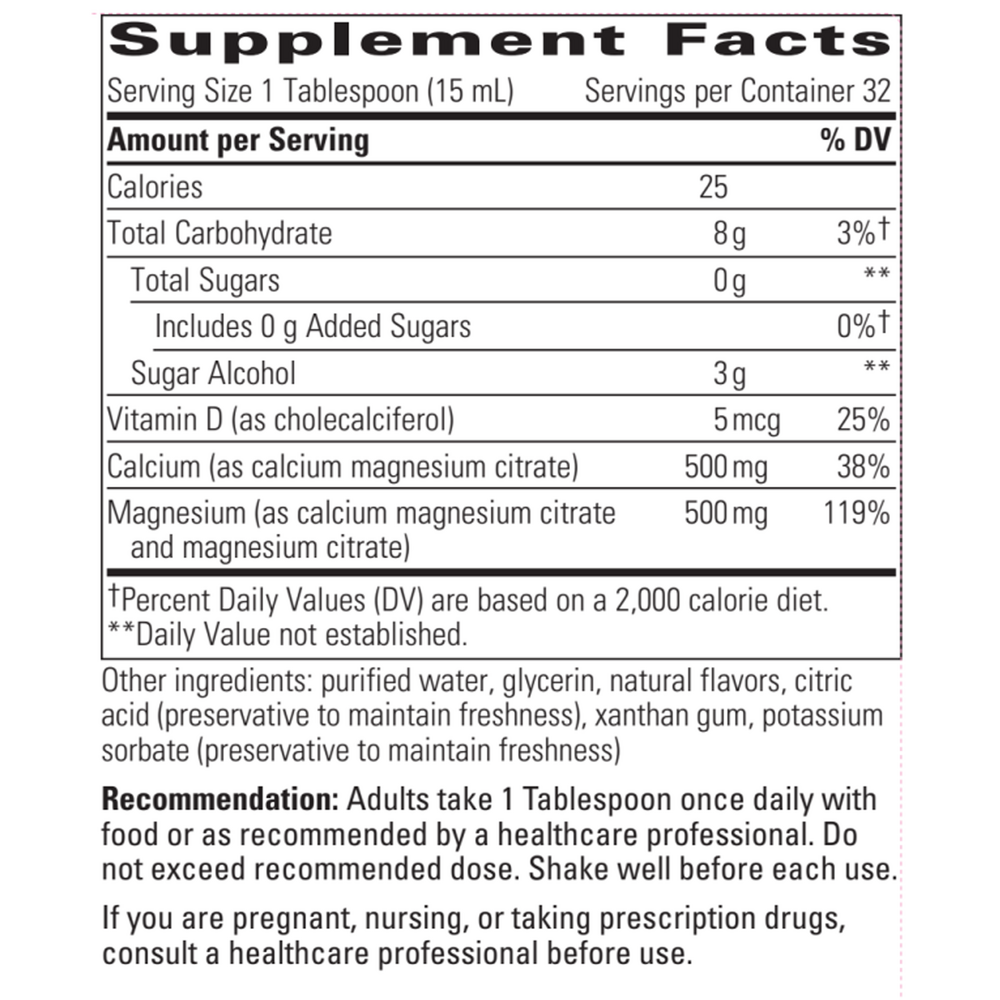

Integrative Therapeutics
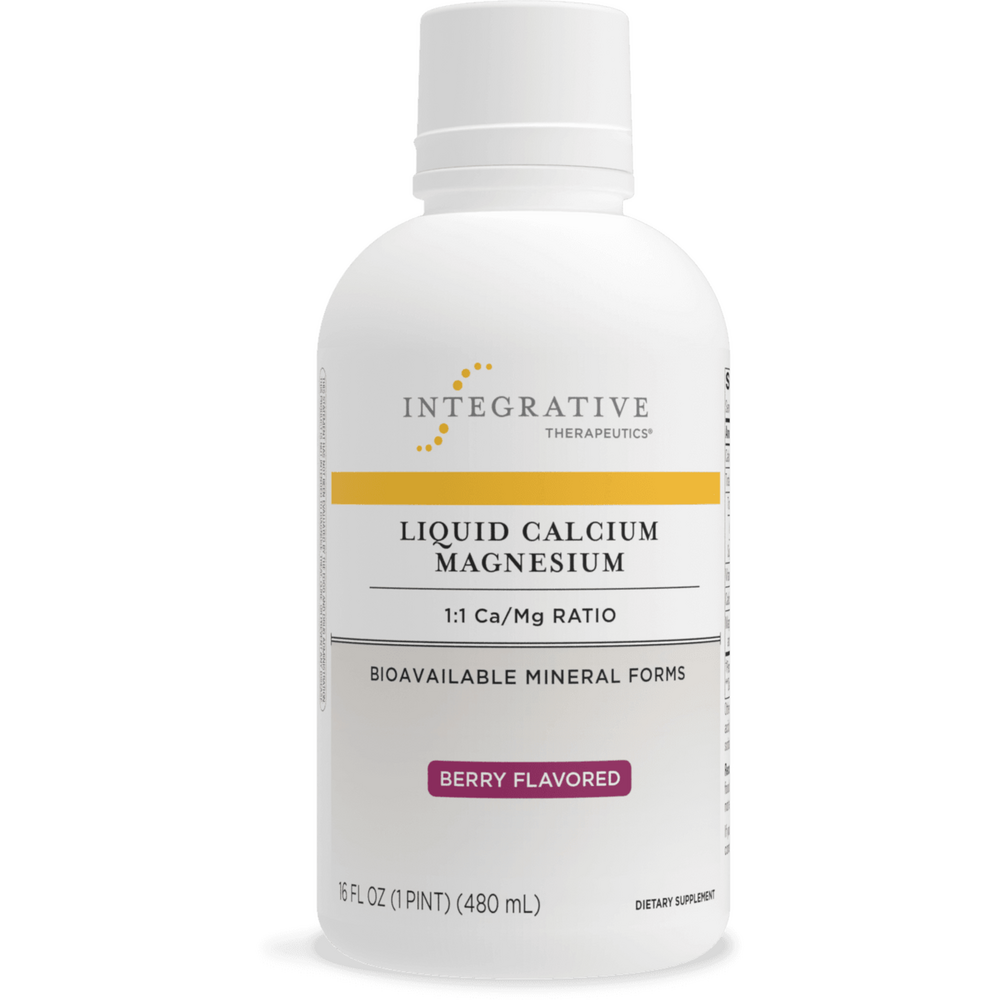
Liquid Calcium Magnesium Berry 1:1 by Integrative Therapeutics
480 milliliters · 32-day supply
Balanced Calcium and Magnesium for Strong Bones and Muscle Function$25.99
Purchase options
Practitioner-grade brand3rd-party testedFree shipping $50+
Gluten Free·Soy Free·Dairy Free·Milk Free·Wheat Free·Yeast Free·
Integrative Therapeutics Liquid Calcium Magnesium Berry 1:1 overview
If you want calcium magnesium without swallowing large tablets, a liquid 1:1 calcium citrate and magnesium citrate is a practical pick. It suits adults with low dairy intake, post‑menopausal women aiming for steady bone support, and people on acid‑reducing drugs where citrate absorbs better than carbonate. If your Vitamin D, 25-Hydroxy is in the lower range, the included vitamin D3 helps with absorption, though 200 IU is a maintenance add, not a repletion dose.
Calcium citrate provides the raw material for bone and teeth, and it is well absorbed even when stomach acid is low. Magnesium citrate helps enzymes build bone matrix and relaxes muscle after contraction, which is why leg cramp frequency can improve in those who were low. Vitamin D3 improves calcium uptake in the gut and tempers parathyroid hormone (the signal that pulls calcium from bone). Taken with meals, calcium also binds oxalate in the gut, which can lower oxalate absorption.
Take 1 tablespoon daily with food, as the manufacturer suggests. If your stomach is sensitive, split the dose with two meals. Magnesium citrate can loosen stools; reduce the amount or divide it if that happens. If you also take iron, separate by at least 2 hours and follow your Ferritin strategy with your clinician, since calcium competes with iron absorption at the same meal.
Calcium and magnesium bind many medicines in the gut. Separate by 4 hours from levothyroxine, tetracycline or fluoroquinolone antibiotics, and bisphosphonates. Space 2 hours from zinc or iron supplements. Thiazide diuretics (blood pressure medicines that reduce calcium loss) can raise blood calcium; loop diuretics do the opposite. If you use these, coordinate dosing and labs with your clinician.
Skip or use only under medical guidance if you have a history of high blood calcium, recurrent kidney stones, hyperparathyroidism, granulomatous diseases like sarcoidosis, or chronic kidney disease. If your Vitamin D, 25-Hydroxy is meaningfully low, 200 IU is usually not enough to replete; correct the level first, then use a maintenance calcium magnesium plan.
Frequently asked questions
Is liquid calcium magnesium citrate better absorbed than tablets?
Citrate forms are well absorbed, especially if stomach acid is low or you use acid‑reducing meds. A liquid also avoids tablet disintegration issues. Compared with calcium carbonate, citrate absorbs more consistently when taken with or without food.
Can calcium magnesium help leg cramps?
If low magnesium is part of the problem, magnesium citrate can reduce cramp frequency within 1–2 weeks. Evidence is mixed overall because cramps have many causes. Nighttime dosing is reasonable if cramps cluster in the evening, as long as it does not loosen stools.
When should I take calcium magnesium for best results?
Take it with meals to improve tolerance and calcium uptake. Splitting into two smaller doses can smooth absorption. Separate by several hours from thyroid hormone, certain antibiotics, bisphosphonates, and iron to avoid binding in the gut.
Does calcium block iron absorption?
Yes, at the same meal calcium can reduce iron absorption. If you are supplementing iron or working to raise Ferritin, take iron at a different time of day and keep meals consistent while your clinician monitors levels.
Is 200 IU of vitamin D3 enough?
It is a small maintenance add. If your Vitamin D, 25-Hydroxy is low, repletion typically uses higher daily or weekly doses under clinician guidance, then steps down to maintenance once your level is stable.
Can calcium magnesium cause constipation or diarrhea?
Calcium can constipate, while magnesium citrate can loosen stools. At a 1:1 ratio many people land in the middle. If stools are loose, reduce or split the dose; if constipated, increase fluids or discuss adjusting the calcium amount.
Can I take this with osteoporosis medications?
Yes, but timing matters. Bisphosphonates should be taken on an empty stomach, and minerals should be taken at a different time of day to avoid binding. Keep at least a 4‑hour gap and follow your clinician’s instructions.
How to take it & ingredients
Suggested use: Adults and children over 12 years of age: Take 1 tablespoon once daily with food, or as recommended by your healthcare professional. Shake well before each use.
Active ingredients
1 tablespoon (15 mL) per serving · 32 servings
Vitamin D
Cholecalciferol (Vitamin D3)
Cholecalciferol (Vitamin D3)
5 mcg, 200 IU
Calcium
Calcium Magnesium Citrate
Calcium Magnesium Citrate
500 mg
Magnesium
Calcium Magnesium Citrate and Magnesium Citrate
Calcium Magnesium Citrate and Magnesium Citrate
500 mg
Other ingredients: Purified Water, Glycerin, Natural Flavors, Citric Acid, Xanthan Gum, Potassium Sorbate
Certifications
Benefits
Warnings