 Instalab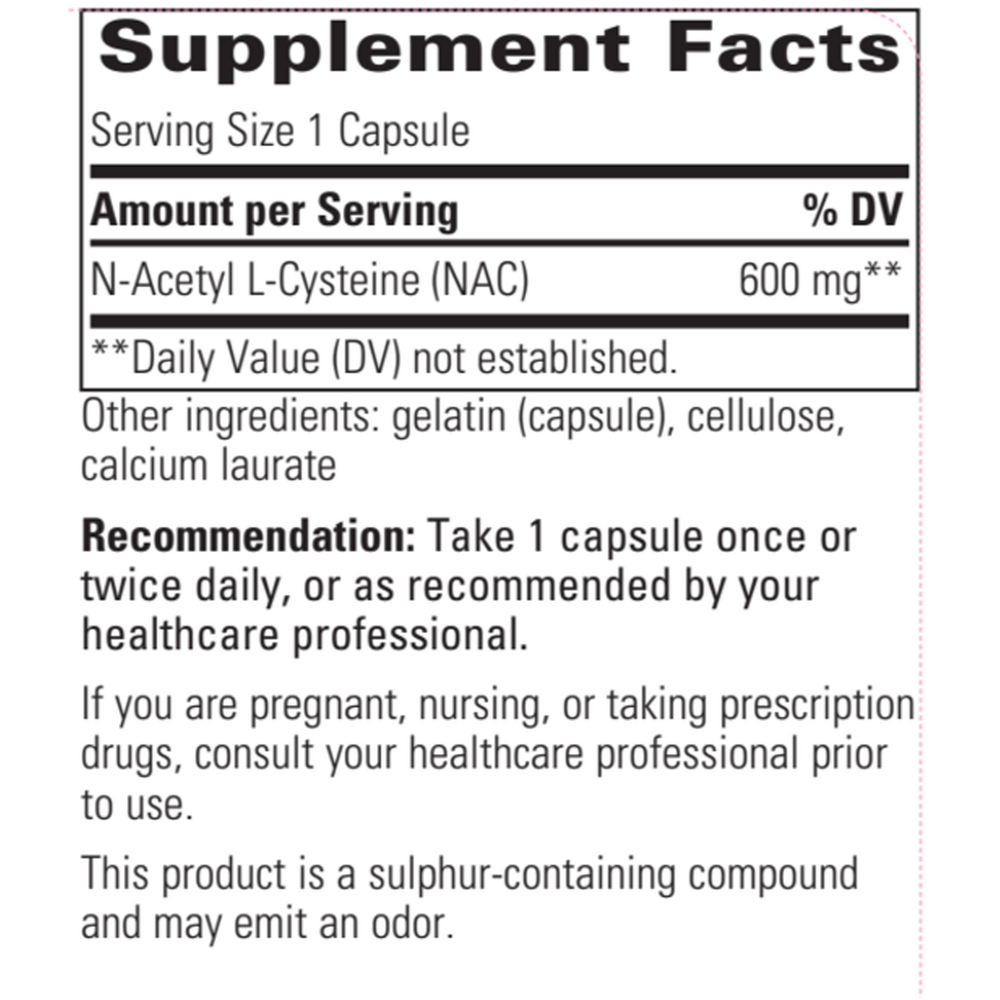
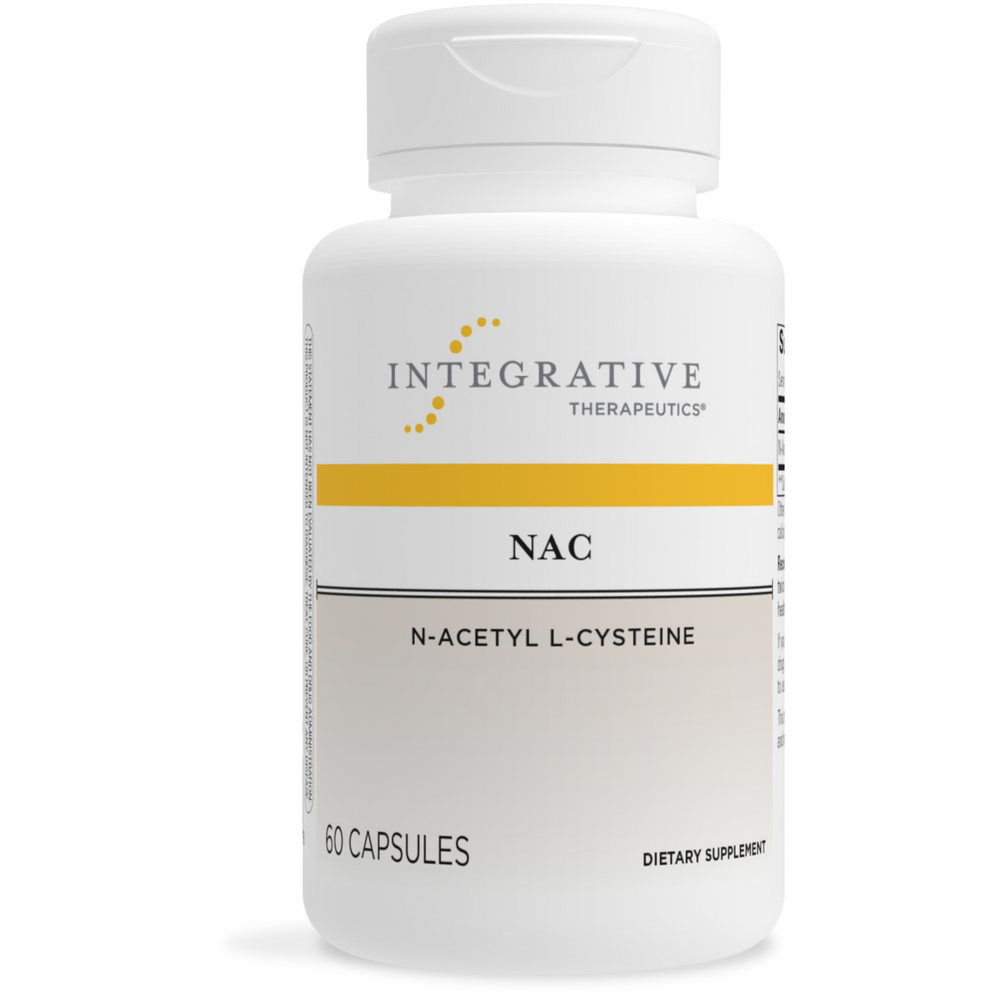
Integrative Therapeutics
NAC 600 mg by Integrative Therapeutics
60 capsules · 60-day supply
Supports Antioxidant Defense and Respiratory Health$18.99
Purchase options
Practitioner-grade brand3rd-party testedFree shipping $50+
Gluten Free·Soy Free·Dairy Free·Milk Free·Artificial Preservative Free·Wheat Free·
Integrative Therapeutics NAC overview
If you’re dealing with thick mucus from seasonal colds or chronic congestion, NAC 600 mg is the over-the-counter option most people try first for mucus thinning. It also fits adults focused on liver wellness, especially if liver enzymes like ALT or AST (signals of liver cell irritation) or GGT (an enzyme linked to oxidative stress) have run high in the past. If your Omega-3 Index and Vitamin D, 25-Hydroxy are dialed in but energy and recovery still lag, NAC can be the next lever for glutathione repletion.
N-acetylcysteine is a cysteine donor your cells use to make glutathione, the main intracellular antioxidant that neutralizes reactive oxygen species (chemical byproducts that damage cells). More cysteine means faster glutathione rebuilding, which is why NAC shows up in liver and detox protocols. In the airways, NAC breaks disulfide bonds (the cross-links) in mucus, making it less sticky and easier to clear. There’s also brain research around glutamate signaling (a key neurotransmitter), but benefits for mood or compulsive behaviors are mixed and not guaranteed.
The suggested use is one capsule once or twice daily. Start with one dose for a week, then increase if you want a stronger effect. Take with food if you notice nausea; empty stomach can enhance absorption but bothers some people. For mucus, timing matters less than consistency, though many take it morning and mid-day. Expect mucus thinning within days, and glutathione-related changes—like improvements in ALT, AST, or hs-CRP (an inflammation marker)—within 4 to 12 weeks if you’re a responder.
Skip NAC if you use nitroglycerin or isosorbide; the combo can trigger severe headaches and low blood pressure. Use caution with active peptic ulcer disease or reflux, since NAC can irritate the stomach. Asthma that is easily triggered by odors warrants caution and clinician guidance. If you’re on chemotherapy, ask your oncologist before taking any antioxidant. Pregnancy and breastfeeding: safety data are limited, so avoid unless your clinician recommends it. NAC is not a home treatment for acetaminophen overdose—emergent care is required.
Frequently asked questions
What is NAC used for, practically?
Mainly for thinning mucus and for replenishing glutathione, the body’s core antioxidant. People also use it in liver wellness plans and for recovery from high oxidative stress. Claims around mood or addiction are mixed; some individuals respond, others do not.
How long does NAC take to work?
Mucus-thinning effects can show up within days. Glutathione-related changes, like shifts in ALT, AST, or hs-CRP, usually need 4–12 weeks of steady use. If nothing changes by three months, reconsider the goal or dose with your clinician.
Should I take NAC with food or on an empty stomach?
Either is fine. Empty stomach may improve absorption, but taking NAC with food reduces nausea for sensitive stomachs. If you get reflux, take it earlier in the day and avoid taking it right before lying down.
Does NAC really thin mucus?
Yes. NAC breaks the chemical cross-links in mucus, making it less sticky and easier to clear. That’s why it’s used for congestion from colds, sinus issues, or airway irritation. Effects are usually noticeable within several days of consistent dosing.
Is NAC safe to take long term?
For most adults, NAC is well tolerated over months. Common side effects are nausea or stomach upset. If you have active ulcers, severe reflux, or take nitroglycerin, avoid it. Check labs and goals every 8–12 weeks to confirm it’s doing something useful.
Can I take NAC with antidepressants or anxiety meds?
Generally yes, there’s no common direct interaction. That said, if your medication targets glutamate signaling or you’re on complex regimens, clear it with your prescriber. Monitor for stomach upset or headaches when adding any new supplement.
Will NAC improve my liver enzymes?
It can in some people, especially when oxidative stress is driving mild elevations. Combine NAC with basics—alcohol moderation, weight management, and exercise. Recheck ALT, AST, and GGT after 8–12 weeks to see if you’re a responder.
How to take it & ingredients
Suggested use: Take 1 capsule once or twice daily, or as recommended by your healthcare professional.
Active ingredients
1 capsule per serving · 60 servings
N-acetyl L-cysteine
600 mg
Other ingredients: Gelatin (capsule), Cellulose, Calcium laurate
Certifications
Benefits
Warnings