 Instalab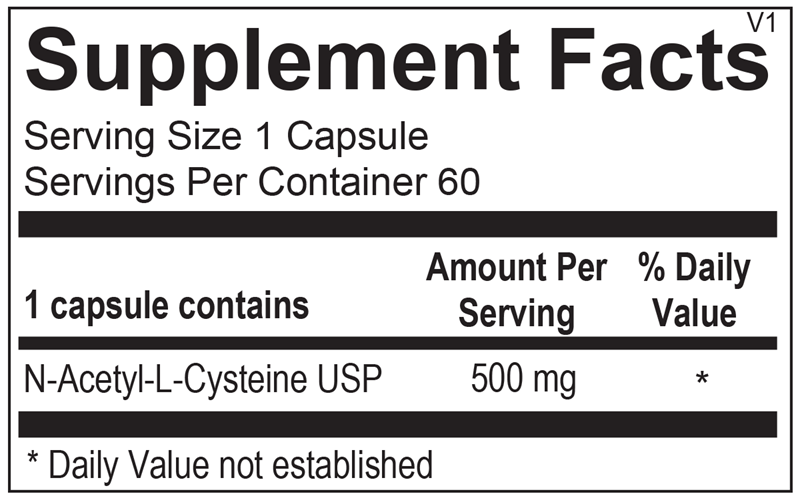
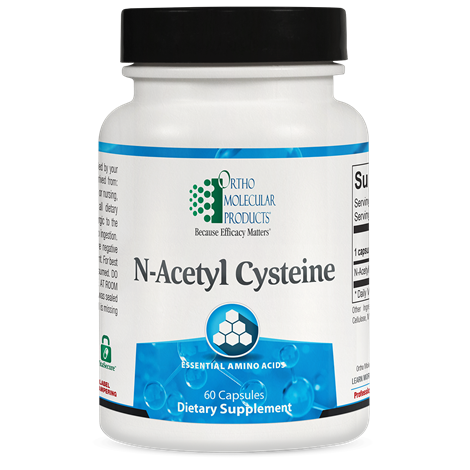
Ortho Molecular Products
N-Acetyl Cysteine 500 mg by Ortho Molecular Products
60 capsules · 60-day supply
Powerful Antioxidant Support for Cellular Health and Detoxification$44.57
Purchase options
Practitioner-grade brand3rd-party testedFree shipping $50+
Gluten Free·Corn Free·Yeast Free·Artificial Color Free·Artificial Flavor Free
Ortho Molecular Products N-Acetyl Cysteine overview
If you’re trying to raise glutathione (the body’s master antioxidant) without IVs, a NAC supplement is the practical route. It fits adults with frequent sinus congestion or thick mucus, and those watching liver enzymes like ALT and AST after alcohol, medications, or fatty liver patterns. People with elevated oxidative stress markers such as GGT (a liver-related enzyme linked to oxidative load) or hs-CRP (a general inflammation marker) sometimes see modest improvements. Vegans and vegetarians, who may run lower in sulfur amino acids, are common responders.
N-acetyl cysteine is a stable form of cysteine, the rate-limiting building block your cells use to make glutathione. By supplying cysteine, it replenishes glutathione in the liver and lungs, where it helps neutralize reactive oxygen species (damaging byproducts of metabolism) and supports detoxification enzymes. In the airways, NAC breaks disulfide bonds in mucus, making it less sticky and easier to clear. Clinical trials show symptom relief in chronic bronchitis and COPD, and small studies suggest modest drops in hs-CRP in some users.
This capsule delivers 500 mg. Start with one daily, preferably with food to limit nausea. For mucus-heavy seasons, many adults use 500–600 mg twice daily for a few weeks, then step down. Expect clearer mucus within 1–2 weeks and glutathione-related effects over 2–4 weeks. If you’re targeting liver health, recheck ALT, AST, and GGT after 8–12 weeks. Pairing with vitamin C helps recycle glutathione, but if you also take selenium or milk thistle, introduce changes one at a time and track labs.
NAC amplifies the effects of nitroglycerin (used for chest pain), which can trigger low blood pressure and headache—avoid this combo unless your cardiologist approves. If you’re on blood thinners or antiplatelet drugs, be cautious; NAC has mild antiplatelet activity. Coordinate timing with chemotherapy or radiation, as antioxidants can interfere with some protocols. Asthma is generally fine with oral NAC, but stop if wheezing increases. Common side effects are nausea or reflux; take with food or reduce the dose. Pregnancy and nursing: discuss with your clinician.
Frequently asked questions
What is NAC used for, in plain terms?
NAC helps your body make more glutathione (a key antioxidant) and thins thick mucus. People use it for sinus and airway congestion, general antioxidant support, and to back up liver function when labs like ALT, AST, or GGT are higher than desired.
How long does NAC take to work?
For mucus, many notice easier clearing within 1–2 weeks. For antioxidant and liver effects, plan on 2–4 weeks, with lab changes in ALT, AST, or GGT typically reassessed after 8–12 weeks. Stay consistent daily to judge response.
What dose of NAC should I take?
A common starting dose is 500 mg daily with food. For short-term mucus support, adults often use 500–600 mg twice daily. If you need higher dosing or have medical conditions, work with a clinician and track labs.
Can I take NAC with vitamin C or other antioxidants?
Yes. Vitamin C helps recycle glutathione and pairs well with NAC. If you also use selenium, alpha-lipoic acid, or milk thistle, add one at a time and monitor markers like hs-CRP and liver enzymes to avoid over-supplementing.
Does NAC interact with medications?
The main interaction is with nitroglycerin, where NAC can increase its effects and drop blood pressure. Use caution with blood thinners due to mild antiplatelet activity. If you’re in cancer treatment, coordinate timing with your oncology team.
Is NAC safe to take long term?
Oral NAC has a strong safety record in studies. The most common issues are nausea, reflux, or stomach upset, which usually improve with food or dose reduction. Get periodic labs if you’re targeting liver health or taking multiple antioxidants.
Can NAC upset my stomach?
It can. Nausea and reflux are the most frequent complaints. Taking NAC with a meal and a full glass of water usually fixes it. If symptoms persist, drop to once daily or switch timing to the evening.
How to take it & ingredients
Suggested use: 1 or more capsules per day or as recommended by your health care professional.
Active ingredients
1 capsule per serving · 60 servings
N-Acetyl Cysteine
500 mg
Certifications
Benefits
Warnings