 Instalab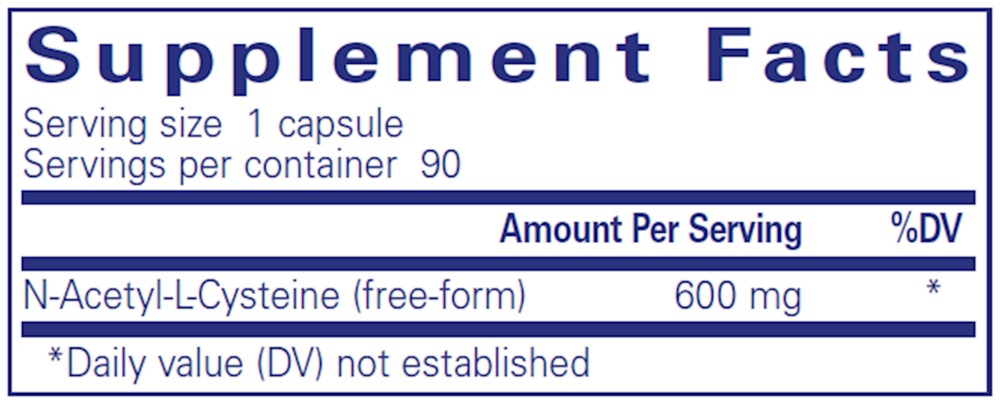
Pure Encapsulations
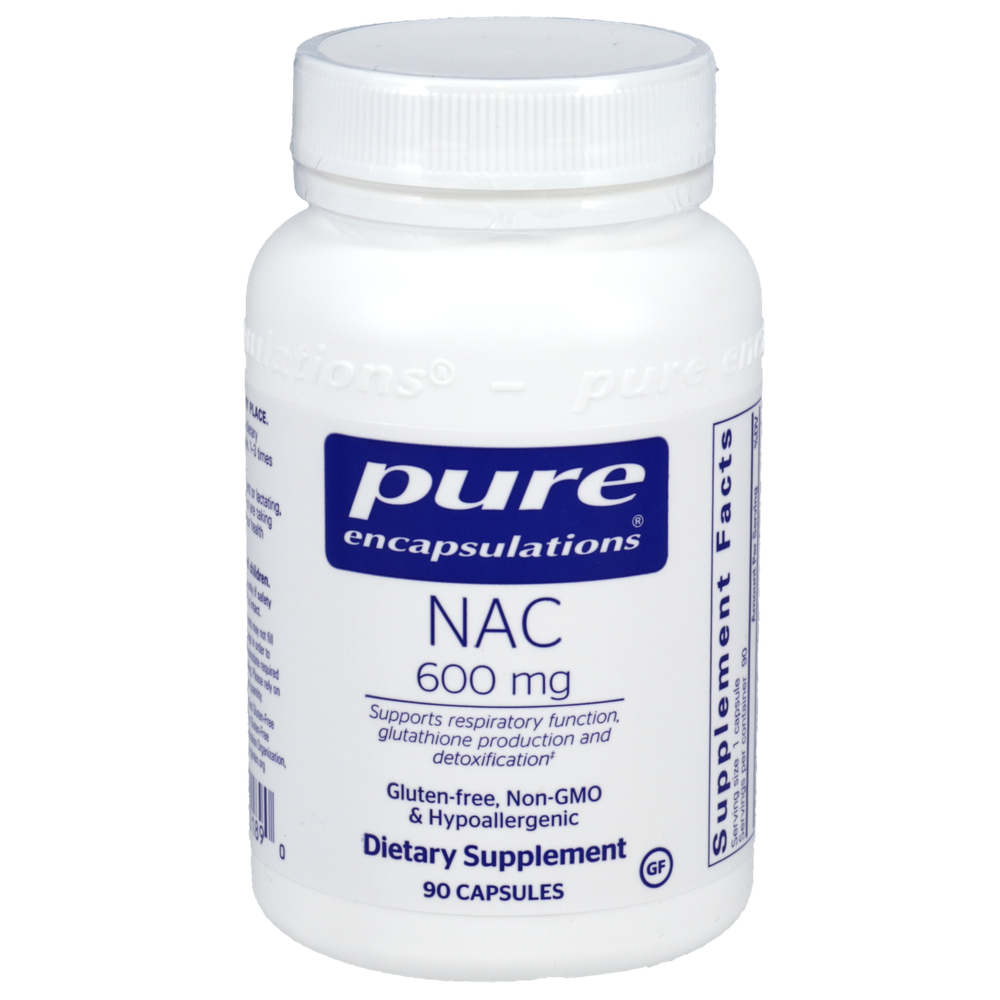
NAC 600mg by Pure Encapsulations
90 capsules · 90-day supply
Powerful Antioxidant Support for Detoxification and Cellular Health$38.50
Purchase options
Practitioner-grade brand3rd-party testedFree shipping $50+
Gluten Free
Pure Encapsulations NAC 600mg overview
If your Glutathione test (blood or RBC glutathione, the body’s master antioxidant) is low or you live with high pollution, heavy training, or frequent travel, NAC 600 mg is a practical way to replenish reserves. It’s also useful when liver markers like ALT, AST, or GGT run higher than you’d like from lifestyle factors. Vegans on restrictive diets, who often get fewer sulfur amino acids, and people bothered by thick seasonal mucus tend to notice the most day‑to‑day difference. If you’re chasing big respiratory changes, higher or divided dosing is usually what’s studied.
NAC (N‑acetylcysteine) supplies cysteine, the rate‑limiting building block your cells use to make glutathione. More glutathione improves how cells neutralize oxidants and recycle other antioxidants. NAC also breaks disulfide bonds, which makes thick mucus less sticky and easier to clear. In clinical studies, NAC can nudge inflammation markers like hs‑CRP (high‑sensitivity C‑reactive protein, a general inflammation signal) down in responders and may improve redox status within 2 to 6 weeks. It’s not a cure for infection, but it often helps the terrain.
Take one 600 mg capsule between meals, one to three times daily. Most adults do well starting once daily for a week, then adding a second dose if targeting mucus or low glutathione; a third dose is a short‑term option. You can take NAC with a small snack if it upsets your stomach. Expect glutathione changes on labs within 2 to 6 weeks, and mucus effects within days. Pairing NAC with glycine or vitamin C is common in practice.
NAC can amplify the blood‑pressure‑lowering and headache effects of nitroglycerin; avoid that combo unless your prescriber approves. If you use warfarin or antiplatelet drugs, monitor more closely—rare reports suggest NAC can influence clotting tests. Active stomach ulcers or severe reflux can flare with NAC’s acidity. Pregnancy and breastfeeding: talk with your clinician first. If your liver enzymes are significantly elevated, get evaluated rather than self‑treating with NAC.
Frequently asked questions
What is NAC 600 mg used for?
NAC 600 mg is used to raise glutathione (the cell’s main antioxidant) and to thin thick mucus. It’s also used to support healthy liver labs like ALT, AST, and GGT in lifestyle‑related elevations. It’s not a treatment for infection or serious liver disease.
How long does NAC take to work?
Mucus‑thinning effects can show up within days. Increases in blood or RBC glutathione usually appear within 2 to 6 weeks, along with modest improvements in oxidative stress markers in responders.
Should I take NAC with food or on an empty stomach?
Between meals gives the best absorption. If NAC upsets your stomach, take it with a small snack. Avoid taking it right alongside iron or zinc if those bother your stomach; spacing by an hour is fine.
Can NAC help my liver enzymes?
It can help when mild elevations relate to oxidative stress or lifestyle, and some people see better ALT, AST, or GGT over 4 to 12 weeks. If your enzymes are high or rising, get medical evaluation before relying on supplements.
Is NAC safe to take every day?
For most adults, daily NAC at 600–1,800 mg is well tolerated for months. Common issues are nausea or heartburn. Long‑term use should be checked against your goals and labs with a clinician.
Does NAC interact with medications?
Yes with nitroglycerin (it can intensify headaches and drop blood pressure). If you use warfarin or antiplatelet drugs, monitor closely. Always separate from activated charcoal by several hours, which can bind NAC.
What time of day is best to take NAC?
Any time is fine; consistency matters more. Many people take NAC in the morning and midday between meals, and skip late evening if they’re prone to reflux.
Can I take NAC while pregnant or breastfeeding?
Do not start NAC in pregnancy or breastfeeding without your clinician’s approval. It’s used medically in specific situations, but routine supplemental use needs individualized guidance.
How to take it & ingredients
Suggested use: Take 1 capsule between meals, 1 to 3 times daily, or as directed by your healthcare professional.
Active ingredients
1 capsule per serving · 90 servings
N-acetyl L-cysteine
Free form NAC
Free form NAC
600 mg
Other ingredients: Ascorbyl palmitate, Vegetarian cellulose capsule (cellulose, water)
Certifications
Benefits
Warnings